
The best lanyard whistle for football coaches and referees in the Philippines must handle intense tropical humidity, heavy seasonal rainfall, and the physical demands of large outdoor pitches. A high-quality lanyard whistle combines a reliable, high-decibel whistle body with a secure, moisture-wicking strap that features a breakaway safety clasp. Whether managing a high-stakes weekend match in a local stadium or directing daily youth training sessions under the midday sun, choosing the correct configuration ensures your signals remain clear, authoritative, and instantaneous.
On a sprawling football field, ambient noise from players, spectators, and nearby traffic can easily drown out a weak signal. Furthermore, the local climate introduces unique challenges, such as sweat, high humidity, and sudden downpours during the monsoon season, which can render cheap or poorly designed whistles useless. Understanding the technical specifications of whistle designs and lanyard materials allows sports officials to make an informed investment that enhances match control and personal safety.
How to Choose the Right Lanyard Whistle for Football
Selecting the ideal whistle requires evaluating how its mechanical design, sound output, and material composition perform in an outdoor sports environment. Football pitches present wide-open spaces where sound disperses rapidly, meaning a standard indoor gym whistle will rarely suffice.
Products mentioned in this guide
![[Fast Delivery] 2 Packs Dolphin Whistle Black Plastic Sport Referee Whistle With Lanyard for Coaches Referees](https://img.lazcdn.com/g/p/a4a8fb6056ea1fc11409b96a4325df9d.jpg_400x400q80.jpg_.webp)
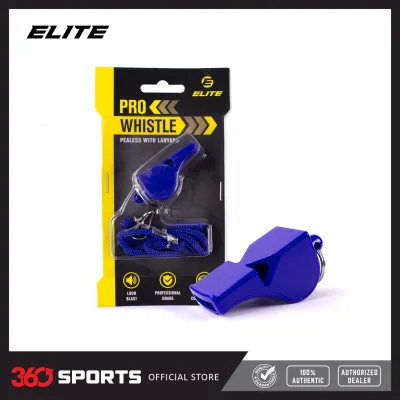
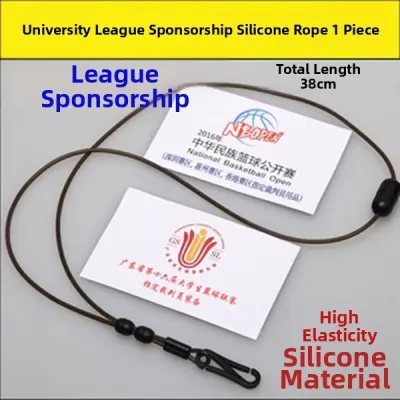
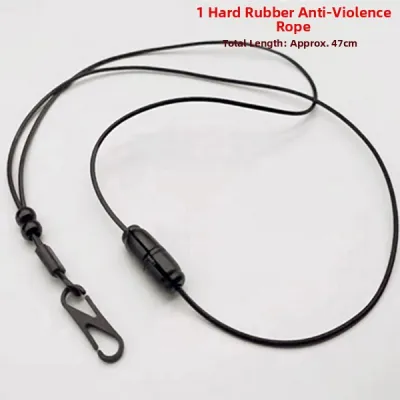
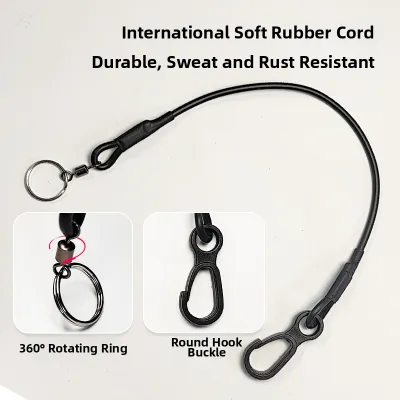
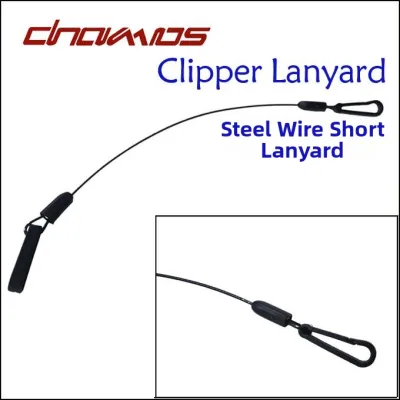
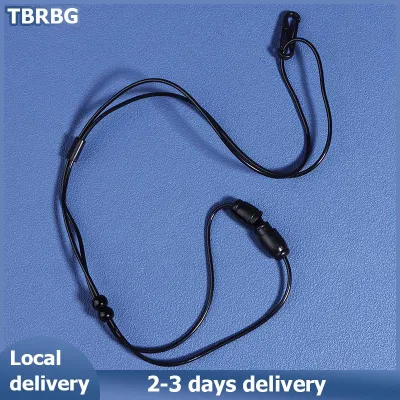
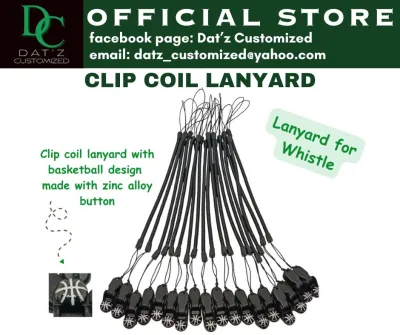
Prices are valid at publication and may change. Please refer to the product page for the latest price.
Sound Mechanism
Whistle mechanisms generally fall into two categories: pealess designs and traditional pea whistles. Pealess whistles utilize engineered air chambers to accelerate airflow and split the air column, creating a high-frequency, piercing sound. Because they have no moving parts, pealess models are highly reliable, immune to jamming from moisture or dirt, and require minimal effort to blow. Traditional pea whistles contain a small ball (the pea) inside the chamber that moves rapidly when blown, creating a classic vibrato or “trill” sound. While pea whistles allow for excellent sound modulation, they are susceptible to sticking if moisture, saliva, or dirt accumulates inside the chamber.
Volume and Pitch
For outdoor football fields, volume is measured in decibels (dB), and pitch is determined by frequency (measured in hertz, or Hz). Football officials should look for whistles rated between 115 dB and 125 dB to ensure the sound travels across a standard 100-meter pitch. The pitch should be high-frequency, typically around 3,000 Hz to 4,000 Hz, as higher tones cut through low-frequency ambient noise like crowd rumbles and passing traffic much more effectively than lower tones.
Material Durability
The intense heat, humidity, and rain in the Philippines demand highly durable materials. Cheap plastics can become brittle under constant UV exposure, while low-grade metals can corrode quickly when exposed to salty sweat. High-impact ABS (acrylonitrile butadiene styrene) plastic is the industry standard for sports whistles because it is non-porous, highly impact-resistant, and hygienic. For those who prefer metal, marine-grade stainless steel or heavily coated brass offers excellent resistance to rust and wear, though they can feel hot to the touch under direct sunlight.
Lanyard Safety and Comfort
A lanyard keeps the whistle accessible at all times, but it must be designed with safety and comfort in mind. In a physical sport like football, a referee or coach can easily get caught in player collisions or snag the cord on equipment. A breakaway safety clasp is a critical feature; it uses a tension-release plastic buckle that instantly detaches if the lanyard is pulled hard, preventing neck injuries. For comfort, the lanyard strap should be made of soft-woven, moisture-wicking polyester or nylon to prevent skin irritation and chafing around the neck during long, humid training sessions.
Recommended Whistle and Lanyard Configurations for Football Roles
Different roles on the football pitch require distinct whistle characteristics. Matching your specific duties with the right configuration ensures optimal performance and comfort during play.

The Pealess Match Whistle with Breakaway Lanyard (For Referees)
Match referees require absolute reliability and maximum safety. During a fast-paced 90-minute match, a referee must blow the whistle instantly to halt play, signal fouls, or manage player confrontations. A pealess whistle is the gold standard for this role because the absence of an internal pea guarantees that the whistle will sound immediately, even if it is filled with sweat, saliva, or rainwater.
The sound profile of a referee’s whistle must be commanding and distinct. Multi-chambered pealess whistles produce a combination of discordant high-frequency tones that are impossible for players to ignore. This sharp, piercing sound instantly cuts through stadium noise, ensuring that players at the far end of the pitch hear the call immediately, reducing the risk of continued physical play after a whistle is blown.
Safety is paramount for referees who sprint alongside active players. A breakaway lanyard is non-negotiable. The lanyard should feature a quick-release clasp at the back of the neck and a durable metal hook or ring to hold the whistle securely. This setup ensures that if a player accidentally grabs the lanyard or if it catches on a player’s jersey during a corner kick collision, the lanyard snaps open safely without causing injury to the referee’s neck.
When shopping on local e-commerce platforms, look for listings using search terms such as “three-chamber pealess whistle,” “professional referee whistle 115dB,” or “breakaway lanyard sports whistle.” Ensure the product specifications explicitly mention a food-grade ABS plastic body and a safety breakaway clasp. Premium, imported referee whistle sets generally range from ₱800 to ₱2,500, while reliable mid-range options are available from ₱300 to ₱700.
The Traditional Pea Whistle with Adjustable Lanyard (For Coaches)
Football coaches running training sessions have different communication needs than match referees. Instead of simply stopping play for fouls, a coach uses a whistle to direct tactical drills, signal transitions, and manage conditioning exercises. For these tasks, a traditional pea whistle offers unique advantages in sound control.
The internal pea allows coaches to modulate the tone and rhythm of their whistles. By varying their breath pressure, coaches can create short chirps, long rolling trills, or sharp bursts. This versatility is highly useful for signaling different instructions—for example, a single short chirp to start a passing drill, a double chirp to switch directions, and a long trill to gather the team at the center circle. This acoustic variety keeps players engaged and helps them distinguish different coaching commands.
To withstand the humid local climate, coaches should avoid natural cork peas, which can absorb moisture, swell, and eventually rot or harbor mold. Instead, look for whistles featuring synthetic peas made of specialized waterproof plastics or treated synthetic materials. These synthetic peas resist water absorption, maintain their shape, and are far less likely to stick to the inner walls of the whistle chamber.
The ideal lanyard for a coach is an adjustable cord equipped with a sliding plastic toggle. Coaches often wear their whistles for hours at a time, moving between active demonstrations and passive observation. An adjustable lanyard allows the coach to shorten the cord, keeping the whistle snugly against the chest so it does not swing wildly, hit the face, or tangle in training bibs when the coach runs or bends over to set up cones.
While highly versatile, traditional pea whistles do require regular post-session maintenance. If used during a sudden downpour, the pea can become temporarily stuck to the inner chamber wall due to surface tension. Coaches must make it a habit to shake out excess water after wet sessions and store the whistle in a well-ventilated pocket of their gear bag to dry.
The High-Visibility Storm Whistle with Reflective Lanyard (For Wet Conditions)
During the southwest monsoon (habagat) season, football training and amateur league matches in the Philippines frequently continue through heavy rain. These wet, low-light conditions require a specialized setup designed to perform in extreme weather.
A storm-proof whistle features a dual-chamber, over-molded design specifically engineered to clear water instantly. These whistles are designed so that the force of your breath purges any accumulated water through side vents, allowing the whistle to produce a loud, clear sound even if it was fully submerged seconds before. This prevents the muffled, airy sound that standard whistles produce when wet.
Visibility is a major safety concern during rainy afternoons or early morning training sessions on poorly lit local pitches. Opt for a whistle body molded in high-visibility neon colors, such as safety yellow, vibrant orange, or neon green. When paired with a lanyard that has reflective threads woven into the fabric, the whistle becomes highly visible to players and assistant coaches, helping to maintain visual contact and safety on the field.
These wet-weather whistles are designed with open, self-draining chambers. This structural layout prevents water from pooling inside the whistle after use, making them highly hygienic and resistant to mold growth. They are exceptionally easy to clean; a quick rinse under running water is usually all that is needed to clear out any dirt or grass clippings picked up from a muddy pitch.
This configuration is highly recommended as a dedicated backup kit for referees and coaches. Keeping a high-visibility storm whistle in your sports bag ensures you are always prepared for sudden tropical downpours, allowing you to maintain control of the session regardless of the weather.
Key Features to Verify Before Buying
Before finalizing your purchase on an online marketplace or at a local sporting goods store, use this practical checklist to verify the safety, quality, and authenticity of the lanyard whistle.
- Material Safety and Certification: Ensure the whistle is made of food-grade, BPA-free ABS plastic or rust-proof marine-grade metals. Avoid unbranded, ultra-cheap metal whistles, as they often use low-grade zinc alloys that can corrode rapidly when exposed to sweat and saliva, potentially releasing a metallic taste or harmful chemical residues.
- Mouthpiece Design and Comfort: Holding a hard plastic or metal whistle between your teeth during a fast-paced match can cause dental discomfort or even chipped teeth if you are accidentally bumped. Look for whistles that feature an integrated cushioned mouth grip (CMG) made of thermoplastic elastomer (TPE) or soft silicone. Alternatively, verify if the whistle package includes removable silicone mouthpiece covers.
- Lanyard Attachment Point: Inspect the connection point where the whistle attaches to the lanyard. A weak, thin plastic loop molded onto the whistle body can easily snap under tension. Look for models with a reinforced metal split ring or a thick, heavy-duty molded plastic eyelet that can withstand vigorous movement and sudden tugs.
- Seller Authenticity and Reviews: Counterfeit sports whistles are highly prevalent on online marketplaces. These cheap imitations look identical to premium brands but are made of brittle plastics, produce significantly lower decibel levels, and lack safety-certified materials. To protect your purchase, buy from official brand stores, authorized local sports distributors, or sellers with high ratings and verified customer reviews that display the actual product packaging and clear branding.
Frequently Asked Questions (FAQ)
How loud should a football referee whistle be?
For outdoor football matches, a referee whistle should have a volume rating between 115 and 125 decibels (dB). This volume level ensures that the sound can travel across a standard 100-meter field and remain clearly audible over crowd noise, player shouts, and ambient wind. Whistles with lower ratings, such as 90 to 100 dB, are designed for indoor sports or small-court training and lack the necessary projection and power required for expansive outdoor football pitches.
How do I clean and maintain my whistle in a humid climate?
To prevent mold, mildew, and bacterial growth in humid conditions, wash your whistle regularly in warm, soapy water. Use mild dish soap and a small brush, such as a clean toothbrush, to gently scrub the inner chambers and mouthpiece. Rinse the whistle thoroughly with clean water. For sanitization, soak the whistle in a solution of ten parts water to one part white vinegar for 10 minutes, rinse, and allow it to air-dry completely in a well-ventilated area before placing it back in your gear bag.
Why do some referees prefer pealess whistles over pea whistles?
Referees prefer pealess whistles primarily for their absolute reliability under match conditions. Because they contain no moving parts, pealess whistles cannot jam, freeze, or fail when clogged with saliva, sweat, or rainwater. This ensures an instantaneous, sharp blast every time, which is crucial for maintaining game control. Additionally, pealess designs naturally produce a higher-frequency, discordant pitch that cuts through loud crowd noise much more effectively than the lower-pitched trill of a traditional pea whistle.
Community discussion
Share your experience or ask a question. Comments are reviewed before publication.