
Choosing a life vest for adult water sports is not a one-size-fits-all decision; the ideal style depends entirely on your sport’s specific posture, movement patterns, and impact risks. A kayak vest must clear a high seat back, a wakeboarding vest must withstand high-speed water impacts, and a stand-up paddleboard (SUP) vest must prioritize maximum torso rotation. Matching the vest’s cut, buoyancy type, and closure system to your activity ensures you stay safe, comfortable, and legally compliant on the water.
Quick Guide: Best Life Vest Styles by Water Sport
When selecting a life vest for adult water sports, matching the design to your specific activity is the first step toward safety and comfort. Different disciplines demand distinct cuts, materials, and fastening systems to optimize both movement and protection.
| Water Sport | Recommended Vest Style | Key Design Focus | Primary Benefit |
|---|---|---|---|
| Kayaking | High-back or ultra-low-profile foam | Clearance for seat backs, oversized armholes | Prevents seat interference and underarm chafing |
| Wakeboarding | Snug-fitting, segmented foam impact vest | Heavy-duty zippers, multiple secure buckles | Absorbs high-speed impact and stays secure |
| Paddleboarding | Low-profile foam vest or manual inflatable belt | Minimal chest bulk, open sides, lightweight | Maximizes torso rotation and cooling in warm weather |
Selecting a specialized vest ensures that your safety gear works with your body rather than against it, reducing fatigue and allowing you to stay on the water longer.
Products mentioned in this guide
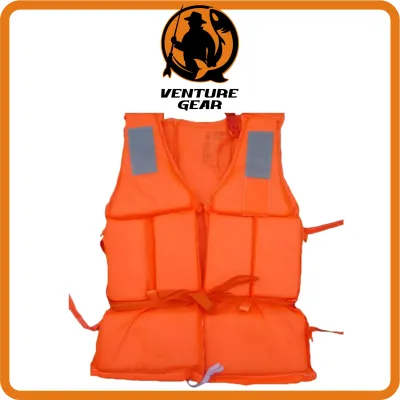
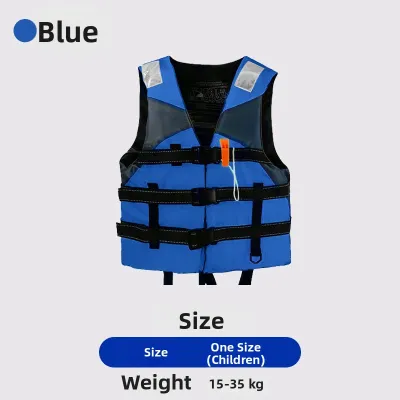
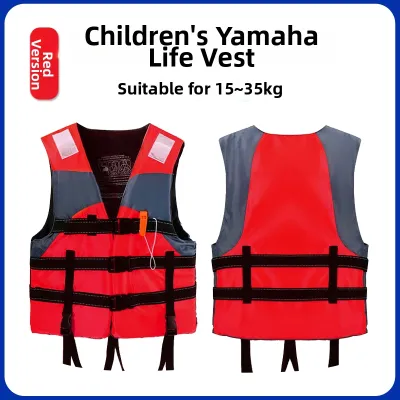
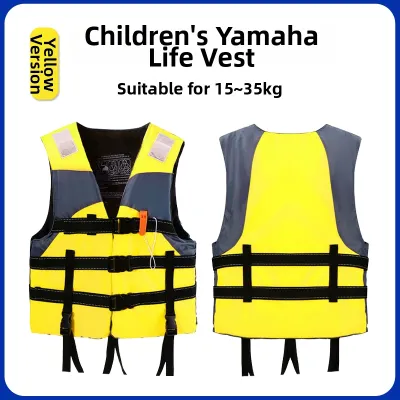
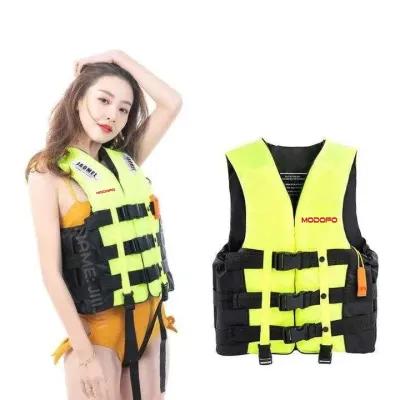
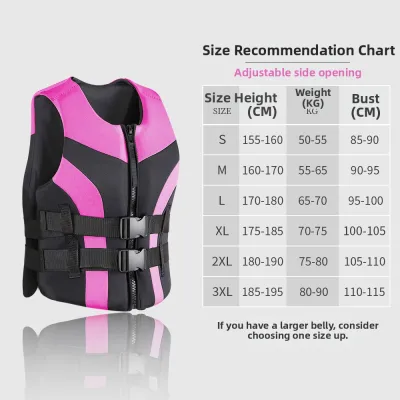
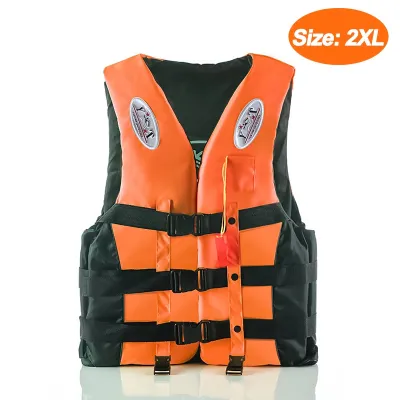
Prices are valid at publication and may change. Please refer to the product page for the latest price.
Core Mobility and Safety Needs by Activity
Every water sport places unique physical demands on your body, requiring specific ranges of motion and exposing you to different environmental risks. Understanding these movement patterns is essential for determining which life vest design will support your performance and keep you safe.

Kayaking and Canoeing
Kayaking requires a seated posture where your back is in contact with the seat, paired with repetitive paddling motions. If you wear a standard, long-cut life vest for adult paddlers, the bottom edge will press against the seat back. This pushes the entire vest upward into your chin, restricting vision and causing discomfort. To prevent this, kayakers require a high-back vest, where the buoyancy foam is concentrated on the upper back and the lower back consists of thin mesh. Furthermore, oversized armholes are critical. Because a typical session involves thousands of repeated strokes, any excess material under the arms will cause painful chafing, especially in hot, humid tropical climates. Large armholes ensure your shoulders can rotate freely without rubbing.
Wakeboarding and Waterskiing
Wakeboarding and waterskiing involve high speeds and sudden falls. When you catch an edge at speeds exceeding 30 kilometers per hour, hitting the water is substantial. A standard, loose-fitting vest will easily ride up over your head or be torn off by the force of the water impact. Therefore, a wakeboarding vest must offer an exceptionally snug, second-skin fit. These vests feature multiple heavy-duty webbing straps, robust buckles, and reinforced front zippers to lock the vest securely to your torso. They also utilize dense, segmented foam panels to absorb impact forces. Because of the high-speed environment, inflatable vests are unsafe; only inherently buoyant foam vests provide immediate flotation if you are winded or disoriented. Crucially, no safety gear can replace swimming capability and proper safety training; always check your equipment before launching, and immediately stop riding if you experience a hard fall, feel disoriented, or notice any tears in your vest.
Stand-Up Paddleboarding (SUP)
Stand-up paddleboarding requires an upright posture, continuous core engagement, and a wide, sweeping paddling motion. Unlike kayaking, you need full torso rotation to drive the paddle through the water efficiently. A bulky vest restricts your waist and shoulder movement, throwing off your balance and causing early fatigue. Additionally, paddleboarding in warm tropical climates presents a risk of overheating under direct sunlight. A heavy, full-coverage vest traps body heat quickly. For these reasons, paddleboarders benefit most from low-profile, highly flexible foam vests with open sides, or specialized manual inflatable belt packs. These designs keep your chest and shoulders free, allowing for natural balance adjustments and excellent ventilation.
Key Design Features to Evaluate Before Buying
To choose the right life vest for adult water sports, you must look beyond the color and brand. Evaluating the specific engineering, materials, and adjustment systems of a vest will help you find a model that fits your body shape and performs reliably in your chosen activity.
Cut, Profile, and Armhole Sizing
The cut of a life vest refers to how the foam panels are shaped and where they sit on your torso. High-cut vests end well above the waist, which is ideal for seated sports like kayaking as it prevents the vest from bunching up. Low-profile vests distribute the buoyancy foam into thinner, denser sheets, reducing the overall bulk on your chest and back. This low-profile cut is highly favored by paddleboarders who need to bend forward and rotate their torsos without hitting a thick front foam panel. When evaluating a vest, check the armhole sizing by putting it on and mimicking your sport’s movements. The armholes should be deep and wide enough to prevent any rubbing against your underarms.
Buoyancy Materials: Foam vs. Inflatable
The choice between inherently buoyant foam and inflatable bladders is critical. Foam vests use PVC or PE foam to provide instant, passive buoyancy the moment you enter the water. This is the safest and most reliable option for high-impact sports like wakeboarding, as well as for kayakers who may need to swim through moving water. In contrast, inflatable life vests rely on a compressed CO2 cartridge to inflate a hidden bladder when activated. Inflatable belt packs are popular among advanced paddleboarders because they are lightweight and cool to wear. However, they have strict limitations: they require manual activation via a pull-cord, meaning they are useless if you are knocked unconscious, and they are completely unsuitable for high-speed towed sports.
Closure Systems and Adjustability
A life vest is only as secure as its closure system. Front-zipper designs are popular because they are easy to put on and take off, but they must be backed up by adjustable side straps to ensure a custom fit. Side-entry vests feature a solid front panel with buckles on the side, which allows for a larger front pocket—a highly useful feature for kayakers to store safety whistles or small tools. Look for a vest with at least three adjustment straps on each side to dial in the fit around your waist and ribs. For high-speed wakeboarding, heavy-duty buckles and reinforced webbing straps are essential to prevent the closures from bursting open during a hard crash.
Cross-Sport Compatibility: Can You Use One Vest for Everything?
Many water sports enthusiasts wonder if they can buy a single hybrid life vest for adult use to cover all their weekend activities. If your activities are limited to casual flatwater kayaking and recreational stand-up paddleboarding, a single, high-quality foam vest can easily serve both purposes. A low-profile, high-cut foam vest with generous armholes will provide the necessary seat clearance for kayaking while remaining flexible and breathable enough for stand-up paddleboarding. This allows you to invest in one high-performance vest that keeps you comfortable and compliant during relaxed paddle sessions.
However, this multi-sport compromise breaks down completely when you introduce high-speed, high-impact activities like wakeboarding, waterskiing, or riding personal watercraft. A standard kayaking or paddleboarding vest is engineered for low-speed, passive floating and maximum ventilation; its seams, zippers, and adjustment straps are not built to withstand the violent shear forces of a high-speed crash. Using a paddle sports vest for wakeboarding risks the vest tearing open, riding up over your face, or failing to protect your ribs from painful impacts against the water. Conversely, a heavy-duty, tightly wrapped wakeboarding vest is hot, restrictive, and lacks the pocket storage and high-back clearance required for comfortable, long-distance kayaking. For your safety, if you enjoy both high-speed towed sports and active paddle sports, you should view dedicated, sport-specific vests as non-negotiable investments.
How to Verify a Safe and Secure Fit
A life vest can only save your life if it stays securely on your body when you fall into the water. Before heading out, always verify the fit of your vest using a systematic check. Begin by reading the manufacturer’s label inside the vest to ensure your weight and chest size fall within the specified limits. Never choose a vest based solely on your standard clothing size, as life vest sizing varies significantly between brands.
To achieve a secure fit, follow this adjustment sequence:
- Loosen all the side and shoulder straps completely before putting the vest on.
- Fasten the front zipper or main buckles securely.
- Tighten the straps starting from the bottom waist strap and work your way upward to the chest. Tightening the bottom strap first anchors the vest to your waist, preventing it from riding up.
- Adjust the shoulder straps last, if your vest has them, to ensure the panels sit at the correct height.
Once the vest is tightened, perform the “pull test.” Have a friend stand behind you, grasp the shoulder straps of the vest, and pull straight upward firmly. If the vest slides up past your chin, nose, or ears, it is too loose or too large. You must tighten the side straps further or try a smaller size. A properly fitted vest should feel snug and secure—like a firm hug—but still allow you to breathe deeply and rotate your torso without pinching. For peace of mind, ensure your vest carries recognized international safety certifications such as USCG, ISO, or CE approvals, which are widely accepted by maritime authorities and resort operators.
Frequently Asked Questions (FAQ)
Do I need a different life vest for saltwater and freshwater?
The physical buoyancy and design requirements of a life vest remain the same regardless of whether you are paddling in freshwater lakes or saltwater coastal areas. However, saltwater is highly corrosive to the zippers, buckles, and fabric of your gear. If you use your vest in coastal marine environments, you must thoroughly rinse it with clean, fresh water after every use to wash away salt crystals, sand, and organic debris. Pay close attention to the zipper teeth and buckle mechanisms. Once rinsed, hang the vest to dry completely in a shaded, well-ventilated area. Never dry your vest in direct sunlight, as prolonged UV exposure will degrade the nylon outer shell and weaken the internal buoyancy foam over time.
Are inflatable life vests safe for wakeboarding?
No, inflatable life vests are highly unsafe and should never be used for wakeboarding, waterskiing, or any high-speed towed water sports. The extreme impact of hitting the water at high speeds can damage the inflatable bladder, rip the manual pull-cord away, or cause accidental inflation that could restrict your movement or injure you. More importantly, if a hard fall knocks you unconscious or leaves you disoriented, you will be unable to manually activate the vest. Wakeboarding requires an inherently buoyant, impact-tested foam vest that provides immediate, reliable flotation and physical rib protection without requiring any action from the rider.
Community discussion
Share your experience or ask a question. Comments are reviewed before publication.