
Selecting the right life vest for a 10-year-old child in the Philippines requires balancing buoyancy, physical fit, and activity-specific design. At ten years old, many children fall into a transitional growth phase where they are too large for child-sized flotation devices but not yet heavy or broad enough to safely wear adult models. The best life vest for this age group is not a single universal model; rather, it is a properly fitted, certified Youth Personal Flotation Device (PFD) designed for their specific weight range—typically 50 to 90 pounds (approximately 23 to 41 kilograms)—and matched to their planned water activities. Whether they are island-hopping on a motorized bangka, learning to paddleboard in calm coves, or swimming in a resort pool, the vest must remain secure during sudden movements.
Safety remains the absolute priority when choosing water sports equipment. In the tropical heat of the Philippines, comfort and breathability also play a massive role in whether a child will willingly keep their vest buckled. A vest that chafes, rides up, or traps excessive heat will quickly become a source of frustration, leading to improper wear or attempts to take it off. By understanding safety certifications, measuring for an accurate fit, and selecting a design tailored to your child’s swimming ability and venue, you can ensure they remain both safe and comfortable during every aquatic adventure.
Understanding PFD Types and Safety Standards for Youth
While the terms “life vest” and “Personal Flotation Device” (PFD) are frequently used interchangeably in retail shops and online marketplaces, they carry distinct technical meanings that impact water safety. A life vest is a specific type of wearable flotation gear, whereas a PFD is a broader classification category defined by maritime safety agencies. For a 10-year-old child, understanding these classifications is crucial because different water environments demand different levels of buoyancy and turning capability.
Products mentioned in this guide
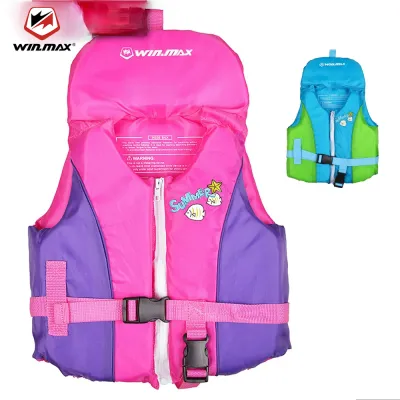
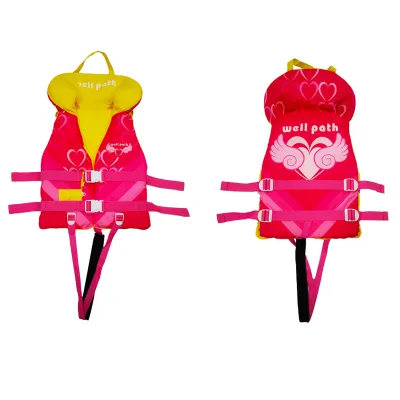
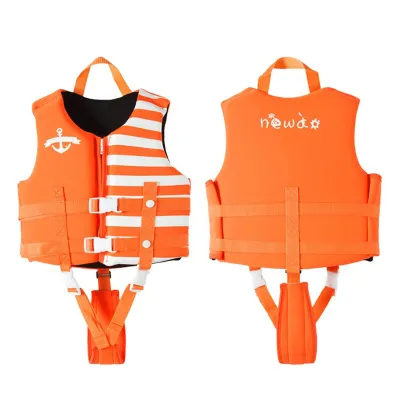
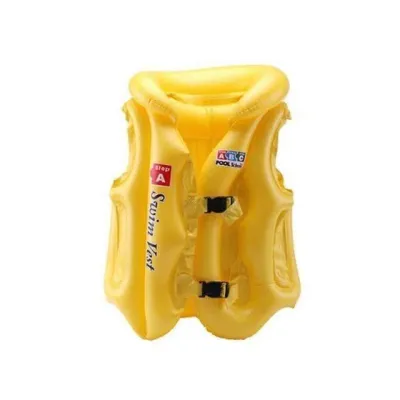
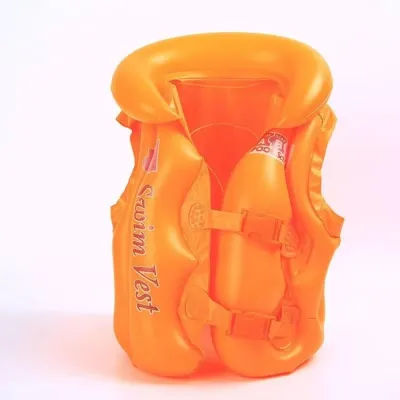
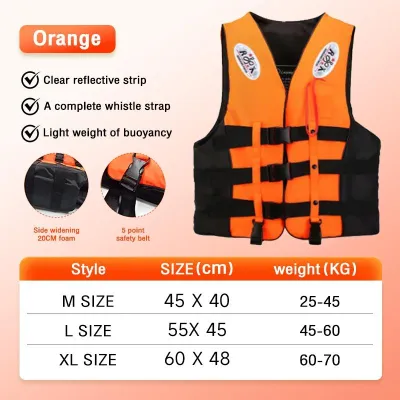
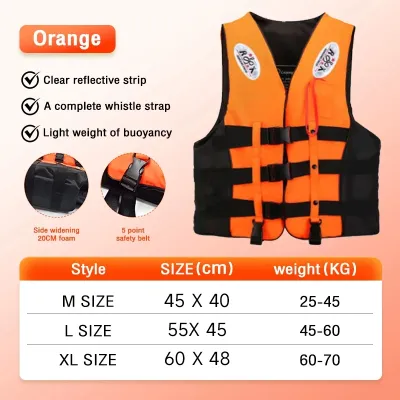
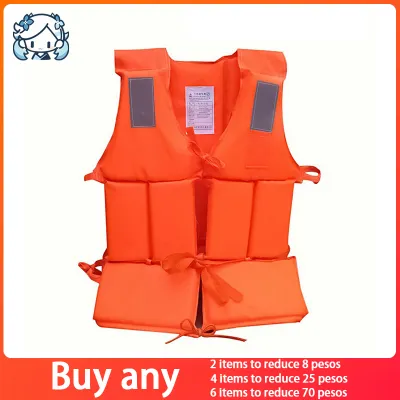
Prices are valid at publication and may change. Please refer to the product page for the latest price.
When shopping for a life vest in the Philippines, you should look for recognized safety certifications printed directly on the physical label inside the vest. Do not rely on generic marketing descriptions such as “swim helper,” “floatation aid,” or “pool toy,” as these products are rarely subjected to rigorous safety testing. Instead, verify that the vest features an official approval stamp from a reputable maritime authority, such as the United States Coast Guard (USCG), the European Conformity (CE) mark, or compliance with local Philippine Coast Guard (PCG) standards for commercial vessels. These certifications guarantee that the vest has been tested for minimum buoyancy, material strength, and fastener durability.
For youth in this age bracket, the choice generally comes down to two primary types of PFDs: Type II and Type III. Each serves a specific purpose and performs differently in open or calm water.
| PFD Type | Design Purpose | Ideal Water Conditions | Turning Capability |
|---|---|---|---|
| Type II (Near-Shore Buoyant Vest) | Intended for general boating and situations where quick rescue is likely. | Calm or inland waters where rescue is close at hand. | Will turn some unconscious wearers face-up in the water, though not consistently. |
| Type III (Flotation Aid) | Designed for active water sports where the wearer can complement the vest's buoyancy. | Calm, open waters where rescue is rapid; highly suited for supervised activities. | Generally will not turn an unconscious wearer face-up; requires the wearer to tilt their head back. |
While Type II vests offer reliable inherent buoyancy and are excellent for passive passengers on boats, they tend to be bulkier and can restrict movement. Type III vests, on the other hand, are the preferred choice for active 10-year-olds who are comfortable in the water, as they offer greater mobility for swimming, paddling, and playing.
Regardless of the type or certification level you choose, a critical safety boundary must always be maintained: no life vest or PFD can ever replace active adult supervision, professional swimming instruction, or sound water safety judgment. A flotation device is a supportive tool designed to assist a swimmer, not a substitute for water competency or vigilant parental oversight.
How to Measure and Ensure a Proper Fit for a 10-Year-Old
A common mistake when buying safety gear for growing children is selecting a size based on age or clothing sizes. For life vests, weight is the primary metric used to determine buoyancy requirements, not age. A typical 10-year-old may weigh anywhere from 50 to 90 pounds (23 to 41 kilograms), which corresponds directly to the standard “Youth” sizing category established by most major manufacturers. Before making a purchase, always weigh your child and check the manufacturer’s weight range label printed on the inside of the vest.

Even if a vest matches your child’s weight, you must physically verify the fit using the “shoulder lift test” before letting them enter the water. To perform this test, follow these steps:
- Have your child put on the life vest and secure all zippers, buckles, and straps snugly.
- Stand behind the child and firmly grasp the shoulder straps of the vest.
- Lift upward on the shoulder straps, simulating the upward force of water.
- Observe the vest's movement. If the vest slides up over the child's chin, mouth, or ears, it is too large or not buckled tightly enough. The vest should remain securely in place against the child's torso, with minimal upward shifting.
To achieve this secure fit, a quality youth life vest must feature multiple points of adjustment. Look for vests equipped with adjustable side straps and heavy-duty chest buckles that allow you to customize the fit to your child’s body shape. While crotch straps are standard and highly recommended on infant and child vests (under 50 pounds) to prevent the vest from slipping off over the head in the water, they are less common on youth-sized vests designed for older children. If your 10-year-old is a weaker swimmer or falls on the lower end of the youth weight scale, searching for a youth model that includes a crotch strap—or choosing a highly adjustable vest with a snug waist belt—is an excellent safety precaution.
Additionally, always have your child try the vest on over the specific clothing they will wear in the water, such as a rash guard, swim shirt, or traditional swimwear. Trying on a vest over a dry, bulky cotton t-shirt can result in a loose, unsafe fit once the fabric becomes wet and clings to the skin. Adjust the straps so they are firm but comfortable, ensuring your child can breathe deeply and move their arms without restriction.
Matching the Life Vest to the Water Activity
The ideal life vest design depends heavily on the specific environment and water activity your child will participate in. A vest that is perfect for a relaxing boat ride may prove frustratingly restrictive during an active afternoon of kayaking or paddleboarding.
Boating, Ferries, and General Water Play
For family trips involving motorized bangkas, inter-island ferries, or general play near docks and shorelines, visibility and ease of rescue are the primary considerations. For these scenarios, look for Type II or standard Type III vests that feature high-visibility colors like neon orange, yellow, or bright pink. Reflective tape or accents along the shoulders are highly beneficial, as they make the child easier to spot in low-light conditions or choppy water.
Another essential feature for general water play and boating is a sturdy grab handle located at the collar or neck of the vest. This handle allows an adult to quickly grab and lift a child out of the water and back onto a boat or dock in an emergency. Keep in mind that bulky foam vests, while highly buoyant and excellent for passive flotation, can be cumbersome for active swimming. If your child plans to spend most of their time swimming in a resort pool or shallow beach area, a bulky boating vest may limit their fun, making a low-profile, flexible model a more suitable choice.
Kayaking, Paddleboarding, and Active Water Sports
If your 10-year-old is participating in active water sports such as kayaking, stand-up paddleboarding, or riding on a towed tube, they require a specialized Type III PFD. These vests are engineered with large armholes that allow for a full range of motion, preventing the fabric or foam from rubbing against the underarms during repetitive paddling strokes.
Many active-sport PFDs also feature a high-back or mesh lower-back design. This is particularly important when kayaking or riding in a seated watercraft, as standard foam-backed vests can push against the seatback, forcing the child’s torso forward into an uncomfortable, unsafe position. The mesh back allows the child to sit flush against the seat while providing excellent ventilation in the hot, humid Philippine climate. Before heading out, always verify that the vest fits snugly to prevent chafing and check its compatibility with the specific seating of the kayak or paddleboard.
Essential Features and Comfort Adjustments
Beyond safety certifications and basic sizing, several secondary features can significantly improve a child’s willingness to wear a life vest. In tropical environments, comfort is directly tied to safety; a child who is comfortable is far less likely to loosen their straps or try to remove their vest. Quality certified youth PFDs in the Philippines typically range from ₱1,500 to ₱4,000 depending on the materials and features, making it a worthwhile investment for seasonal use.
Bright, contrasting colors—such as lime green, safety orange, and vibrant pink—are not just aesthetic choices; they are critical safety features. These colors remain highly visible against the blue or green hues of open ocean water and murky lake conditions. Reflective piping or panels further enhance this visibility, especially during late afternoon outings when the sun begins to set.
Chafing is a common complaint among children wearing life vests for extended periods, particularly when salt water and sand get trapped between the vest and the skin. To prevent painful skin irritation, look for vests designed with soft neoprene trim around the collar and armholes, or those featuring fabric-covered foam edges. Neoprene provides a smooth, flexible barrier that reduces friction against the skin, allowing your child to swim and play for hours without discomfort.
While head support collars (oversized foam pillows behind the neck) are standard safety features for infants and toddlers to keep their heads out of the water, they are generally unnecessary and often uncomfortable for an active 10-year-old. At ten years old, most children have the neck strength and swimming coordination to control their head position in the water. A head support collar on a youth vest can restrict head movement, trap heat, and make active swimming difficult. However, if your child has developmental delays, physical limitations, or is an extremely weak swimmer, a specialized vest with head support may still be beneficial under close professional guidance.
Finally, always inspect the hardware quality of the vest before purchasing. Look for durable, corrosion-resistant plastic zippers, heavy-duty nylon webbing straps, and robust tension locks. In the Philippines, the combination of high humidity, intense sun, and saltwater exposure can rapidly degrade low-quality materials. Choosing a vest with high-grade, UV-resistant hardware ensures the adjustments remain secure and the vest remains functional for its entire lifespan.
Care, Inspection, and When to Retire a Youth Life Vest
To ensure your child’s life vest provides reliable buoyancy season after season, proper maintenance and regular safety inspections are essential. Tropical conditions in the Philippines—including intense ultraviolet (UV) radiation, high humidity, and saltwater exposure—can accelerate the wear and tear on flotation materials.
Following these routine care steps after every use will help preserve the integrity of the vest:
- Rinse thoroughly: Always rinse the life vest with clean, fresh water immediately after use in saltwater, chlorinated pools, or muddy lakes. This removes salt crystals, chlorine, and dirt that can degrade the fabric and corrode zippers.
- Air-dry properly: Hang the vest to air-dry in a well-ventilated, shaded area. Never dry a life vest in direct sunlight, as prolonged UV exposure breaks down the nylon outer shell and weakens the internal flotation foam. Avoid using artificial heat sources like clothes dryers or hair dryers, which can melt or warp the foam.
- Store correctly: Once completely dry, store the vest in a cool, dry place away from direct sunlight and pests. Avoid compressing the vest under heavy gear, as this can permanently crush the flotation foam and reduce its buoyancy.
Before each water outing, perform a quick visual and tactile inspection of the vest. Check for signs of physical damage, including compressed, cracked, or waterlogged foam. Squeeze the foam panels; if they feel hard, brittle, or fail to spring back to their original shape, the foam has degraded and will no longer provide adequate buoyancy. Inspect all seams, webbing straps, and buckles for fraying, tears, or cracks. If any strap is severely worn or a buckle fails to click securely into place, the vest is unsafe and must be repaired or replaced.
Additionally, keep a close eye on your child’s physical growth. A 10-year-old can experience rapid growth spurts over the course of a single summer. If your child’s weight exceeds the maximum limit printed on the vest’s safety label—even if the vest still physically fits around their chest—you must replace it immediately. Operating a vest outside its certified weight range compromises its buoyancy, putting your child at risk in deep or rough water.
Frequently Asked Questions (FAQ)
Can a 10-year-old wear an adult small life vest?
A 10-year-old should only wear an adult small life vest if they meet the minimum weight and chest measurement requirements specified on the manufacturer’s safety label. Most adult small vests are designed for individuals weighing 90 pounds (41 kilograms) or more. If your child weighs less than this threshold, the adult vest will not provide the correct buoyancy distribution and may ride up over their head in the water, creating a serious drowning hazard. Always prioritize a youth-sized vest specifically rated for the 50-to-90-pound range.
Are inflatable life vests safe for 10-year-olds?
Inflatable life vests are generally not recommended or approved for children under the age of 16 by most maritime safety authorities. These devices require manual activation (pulling a cord) or automatic inflation upon immersion, both of which introduce mechanical risks and require a level of calm water-safety judgment that a child may not possess in a high-stress emergency. Additionally, inflatable vests require regular maintenance, cylinder checks, and are prone to punctures during active play. For a 10-year-old, a traditional, inherently buoyant foam vest remains the safest and most reliable option.
Community discussion
Share your experience or ask a question. Comments are reviewed before publication.