
Selecting the right roller skates with light for your child or a beginner is more than just finding a pair with eye-catching, glowing wheels. While the bright colors add an element of fun and improve visibility during late afternoon sessions, safety, durability, and adjustability must remain your top priorities. In the Philippines, where young skaters often practice on a variety of surfaces—from smooth, indoor mall rinks to uneven subdivision pavements and barangay basketball courts—having the correct equipment is essential for a safe, injury-free learning experience.
A high-quality pair of skates serves as the foundation for developing balance, coordination, and confidence. However, equipment alone cannot replace proper supervision, structured training, and consistent practice. Before letting a beginner step onto any paved surface, parents must ensure that the skates fit perfectly, the safety gear is securely fastened, and the skating environment is free from hazards. By understanding the mechanical and structural features of modern skates, you can make an informed decision that keeps your child rolling safely for years to come.
Key Features to Look for in Light-Up Roller Skates for Kids
When shopping for beginner skates, focusing on specific engineering and material standards will help you filter out poorly constructed options that could compromise safety. The most critical features to evaluate are adjustability, the light-up mechanism, wheel material, and bearing ratings.
Products mentioned in this guide
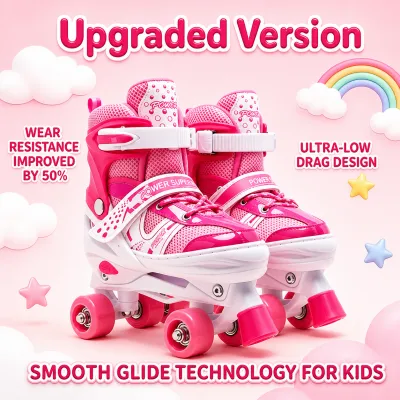
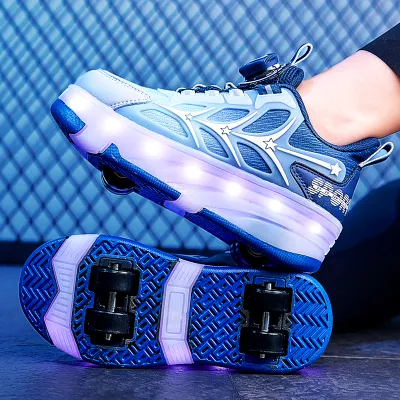
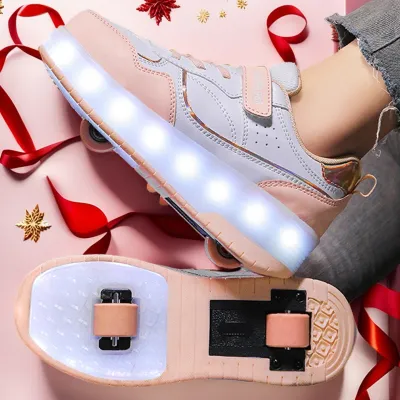
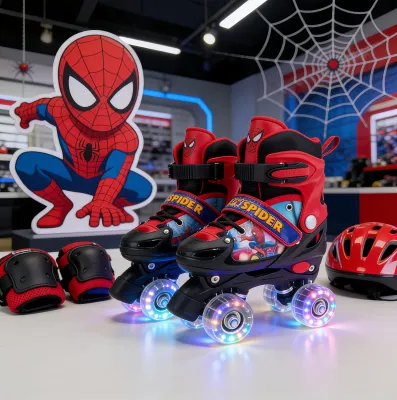
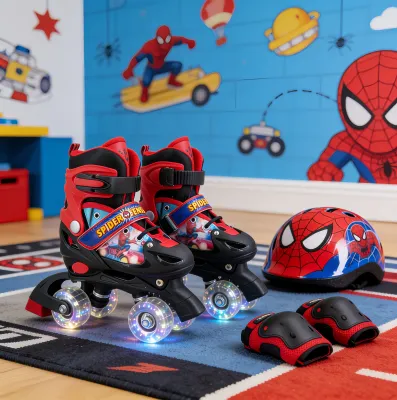
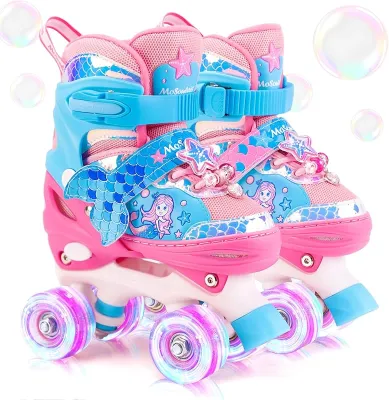
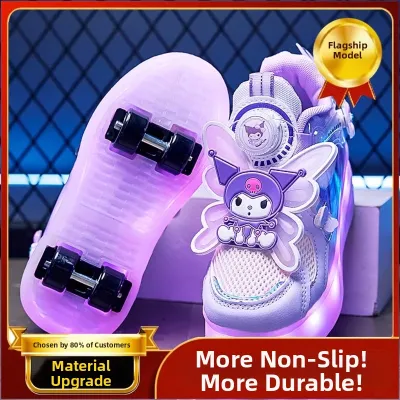
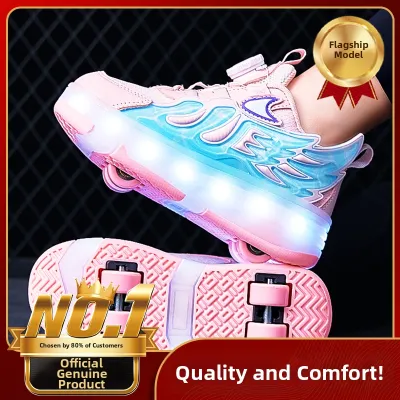
Prices are valid at publication and may change. Please refer to the product page for the latest price.
Adjustable Sizing Mechanisms Children’s feet grow rapidly, making adjustable skates a practical and cost-effective choice. High-quality beginner skates feature an adjustable boot frame, typically operated by a secure, spring-loaded push-button mechanism on the side of the heel or frame. Pressing this button allows you to slide the toe cap forward or backward, expanding the boot across three to four distinct shoe sizes. This ensures a snug, customized fit at every stage of your child’s growth, preventing the common safety hazard of wearing skates that are too loose or too tight. A proper fit minimizes friction, reduces the risk of blisters, and ensures the ankle support remains correctly aligned with the foot’s natural pivot points.
Dynamo-Powered Light Mechanisms Most reliable roller skates with light do not rely on batteries to power their LEDs. Instead, they utilize a self-generating magnetic dynamo system. Inside each wheel hub, a floating magnetic spacer sits between the two ball bearings on the axle. As the wheel rolls, the friction-free rotation around this magnetic core generates a low-voltage electrical current that illuminates the embedded LED lights. This dynamo system is highly advantageous for the humid, tropical climate of the Philippines. It completely eliminates the need for battery replacements, reduces electronic waste, and minimizes the risk of water damage or corrosion from damp surfaces or sudden tropical downpours.
Polyurethane (PU) Wheels vs. Plastic The material of the wheels directly dictates the skate’s grip, shock absorption, and overall safety. You should always choose high-rebound polyurethane (PU) wheels over cheap, hard PVC or plastic alternatives. Polyurethane is a resilient, elastomeric material that grips the ground, providing traction during turns and preventing unexpected slips on smooth surfaces. It also absorbs vibrations from rough concrete, offering a much smoother ride that reduces joint fatigue. Conversely, hard plastic wheels offer virtually no grip, slide dangerously on tiled or polished floors, and transmit every vibration directly to the child’s legs, making it incredibly difficult to maintain balance.
Understanding Bearing Ratings (ABEC/ILQ) Bearings are the small metal rings inside the wheels that allow them to spin. They are rated using the ABEC (Annular Bearing Engineering Committee) scale, typically ranging from ABEC 1 to ABEC 9. While higher ratings indicate tighter tolerances and faster potential speeds, lower ratings like ABEC 3 or ABEC 5 are generally recommended for young beginners. These bearings provide a smooth, consistent roll but naturally limit maximum speed, preventing the skates from slipping out from under a child who is still mastering basic balance. As the skater gains confidence and strength, the bearings can be cleaned, lubricated, or eventually upgraded to higher-rated options for faster roll times.
Quad Skates vs. Inline Skates: Which Light-Up Option is Best?
Choosing between quad skates and inline skates is one of the first major decisions parents face. Both styles offer light-up variations, but they cater to different balance dynamics, age groups, and skating environments.

Quad Skates: The Classic Four-Wheel Configuration Quad skates feature four wheels arranged in a two-by-two rectangular configuration, resembling a miniature car chassis. This design provides exceptional lateral stability when standing still or moving at slow speeds, making them highly popular for younger children (typically ages 3 to 6) and absolute beginners. The wide wheelbase prevents the ankles from rolling inward or outward, allowing children to focus on finding their center of gravity. Quad skates are highly suited for indoor rinks, smooth outdoor patios, and flat, paved driveways. They are also the standard choice for those interested in artistic skating, roller disco, or indoor recreational play.
Inline Skates: The Single-Line Configuration Inline skates, commonly referred to as rollerblades, feature three or four wheels aligned in a single straight line along the center of the sole. This configuration requires significantly more lateral ankle strength and balance to keep the skates completely upright. However, inline skates offer superior forward speed, efficiency, and maneuverability once the basic balance is established. The narrow profile of the wheels allows them to roll over outdoor cracks, small pebbles, and uneven pavement much more smoothly than quad skates, making them the preferred option for older kids, active beginners, or those who plan to skate on outdoor subdivision roads.
Braking Systems and Learning Curves The braking mechanisms between the two styles differ fundamentally, affecting how a beginner learns to stop safely. Quad skates are equipped with a front toe stop, a rubber block positioned at the front of the plate. To brake, the skater must tilt their foot forward to drag the toe stop, or turn around and drag it behind them. Inline skates, on the other hand, feature a rear heel brake attached to the back of one skate. To stop, the skater simply slides the braking foot slightly forward, lifts the toe, and presses the rubber heel pad firmly into the ground. For most beginners, the rear heel brake on inline skates is more intuitive to learn because it aligns naturally with the body’s instinct to lean slightly back and lower the center of gravity when slowing down.
How to Verify Safety and Adjustability When Buying Online
With many parents purchasing roller skates with light through online marketplaces, verifying product safety from digital listings is crucial. Because inventory and brand availability can fluctuate, you must know how to inspect product specifications, images, and reviews to ensure you are buying a safe, durable product.
Evaluating Boot and Ankle Support Proper ankle support is the single most important safety feature of any skate boot. When browsing online listings, examine the product photos closely to ensure the skate features a high-cut, rigid plastic outer cuff (often made of polypropylene or composite materials). This rigid cuff must surround the ankle to prevent the foot from bending sideways (pronation or supination) under the child’s weight. Avoid skates that feature entirely soft, fabric boots without a supportive plastic skeleton, as these do not provide the structural integrity required to protect developing joints and muscles. Additionally, look for descriptions that mention thick, anatomically shaped foam padding or removable liners that cushion the foot and absorb impact.
Inspecting the Closure Systems A secure closure system ensures that the foot remains locked into the boot, preventing heel slippage and maintaining proper control. The gold standard for beginner skates is a triple-lock closure system. This system consists of traditional laces at the bottom to customize the tightness across the top of the foot, a 45-degree Velcro power strap across the instep to pull the heel back into the heel pocket, and a micro-adjustable top buckle at the collar to secure the ankle cuff. Avoid listings for skates that rely solely on laces or a single plastic strap, as these can easily loosen during a skating session, leading to a loose fit, loss of control, and potential ankle injuries.
Assessing Brake Pad Quality The ability to stop reliably is paramount for any beginner. Check the product specifications to confirm that the brake pad (whether a front toe stop or a rear heel brake) is made of high-friction rubber or polyurethane. Cheap, low-quality skates often use hard plastic for the brake pads, which will slide effortlessly across smooth concrete or tiles instead of gripping the surface to bring the skater to a safe stop. Furthermore, check if the seller offers replacement brake pads or if the brake is standard and easily removable. Since brakes are designed to wear down with use, being able to replace a worn-out pad is essential for maintaining long-term safety.
Verifying Sizing with Centimeters One of the most common mistakes when buying skates online is relying on standard shoe sizes, which vary wildly between brands and manufacturers. To ensure a perfect fit, have your child stand on a piece of paper with their heels against a wall while wearing the socks they intend to skate in. Mark the tip of their longest toe, and measure the distance in centimeters. Compare this exact measurement against the manufacturer’s specific sizing chart provided in the product listing. If your child’s measurement falls near the upper limit of a size range, opt for the next size up, as the adjustable boot mechanism will allow you to shorten the frame to fit their current foot length while leaving room for future growth.
Essential Protective Gear to Pair with Light-Up Skates
No matter how advanced or safe a pair of roller skates with light may be, they should never be used without a complete set of protective gear. Falls are an inevitable part of the learning process, and proper safety equipment ensures that a minor slip results in a quick laugh rather than a trip to the clinic.
Certified Multi-Sport or Skate Helmets A properly fitted helmet is the most critical piece of protective equipment. When selecting a helmet, ensure it is certified for multi-sport or skateboarding use. Skate-specific helmets are designed with a classic “bucket” shape that extends lower down the back of the skull compared to traditional bicycle helmets. This extended rear coverage is vital for roller skating, as beginners are highly prone to slipping backward when losing their balance. The helmet must sit level on the head, covering the forehead, with the chin strap adjusted snugly enough that only two fingers can fit between the strap and the chin.
Wrist Guards: Preventing the Most Common Injury When falling forward, the natural human reflex is to reach out with open hands to break the fall. This instinct makes wrist fractures and severe palm scrapes the most common injuries among beginner skaters. Wrist guards are specifically designed to address this risk. They feature rigid, impact-resistant plastic splints contoured to protect the palm and support the wrist joint, absorbing the force of the impact and allowing the skater to slide forward safely on the pavement. Ensure the wrist guards are worn correctly, with the curved plastic splint positioned firmly against the palm of the hand.
Knee and Elbow Pads Knee and elbow pads protect vulnerable joints from painful scrapes and deep bruising. High-quality pads feature a hard plastic outer shell (cap) riveted over thick, shock-absorbing EVA foam padding. The hard outer cap is designed to slide along the concrete or pavement upon impact, which disperses the energy of the fall rather than transmitting it directly into the joint. When putting on the pads, ensure the elastic sleeves and Velcro straps are adjusted tightly enough to prevent the pads from shifting or sliding down during a fall, but not so tight that they restrict blood circulation or limit joint movement.
Enforcing Consistent Safety Habits The key to building a lifetime of safe skating is consistency. Parents should establish a strict “no gear, no skate” rule from the very first day. Even if your child is only practicing slow glides on the living room rug or the smooth concrete of your carport, wearing the full set of protective gear—helmet, wrist guards, knee pads, and elbow pads—must be non-negotiable. Making safety gear a standard part of the skating routine helps children develop safe habits and builds their confidence, allowing them to push their limits and learn new skills without the fear of getting hurt.
Maintenance and Care for Light-Up Wheels
To keep your roller skates with light rolling smoothly and the LEDs shining brightly, regular maintenance is required. Because the light-up mechanism is directly integrated into the wheel assembly, keeping the moving parts clean and properly adjusted is the key to extending the lifespan of the skates.
Regular Wheel Rotation As beginners learn to skate, they naturally develop a dominant side or tend to lean inward (pronation), which causes the inner edges of the wheels to wear down much faster than the outer edges. To ensure even wear and maximize the lifespan of your polyurethane wheels, you should rotate them periodically. For quad skates, this involves swapping the front wheels with the back wheels on each skate, and flipping them so the worn inner edge faces outward. For inline skates, rotate the wheels in a crisscross pattern (e.g., swapping the first and third wheels, and the second and fourth wheels between the left and right skates). Regular rotation maintains a flat, stable riding surface and ensures consistent grip.
Cleaning and Environmental Hazards The tropical environment in the Philippines presents unique challenges for skate maintenance, including high humidity, dust, and sudden rain. To protect the bearings and the internal light-up mechanism, avoid skating through deep puddles, mud, sand, or wet grass. Water can quickly rust the steel ball bearings, causing them to seize up, while sand and fine dust can penetrate the bearing shields and grind down the internal components. After every outdoor skating session, use a clean, dry microfiber cloth to wipe down the exterior of the boots, frames, and wheels. If the wheels have accumulated grime, wipe them with a damp cloth and dry them immediately. Never submerge the wheels or bearings in water.
Troubleshooting Light-Up Mechanisms If one of the wheels stops lighting up, the issue is rarely a “dead battery” since the system is dynamo-powered. Instead, the problem is almost always mechanical. Start by using the hex wrenches provided with the skates to loosen and remove the axle bolt of the non-functioning wheel. Pull the wheel out of the frame and inspect the internal components. Often, a buildup of hair, dust, or thread can wrap around the axle or lodge between the bearing and the magnetic spacer, preventing the wheel from spinning freely or stopping the electrical contact. Clean the axle, bearings, and the magnetic spacer thoroughly with a dry cloth, reassemble the wheel, and tighten the axle bolt until the wheel spins freely without wobbling. If the wheel still fails to light up, or if the polyurethane tread has worn down to the plastic core, it is time to replace the entire wheel assembly.
Frequently Asked Questions (FAQ)
Do light-up roller skate wheels require batteries?
No, most modern light-up roller skate wheels do not require batteries. They operate on a kinetic energy system powered by an internal magnetic dynamo. Inside the wheel hub, a small magnetic spacer sits between the bearings. As you skate and the wheels spin, the rotation around this magnetic core generates a low-voltage electrical current that powers the built-in LED lights. This battery-free design makes the wheels lightweight, environmentally friendly, and highly resistant to moisture, ensuring the lights will continue to glow as long as the wheels are spinning freely and kept clean.
Can I put light-up wheels on any pair of roller skates?
In most cases, yes, you can install aftermarket light-up wheels on standard roller skates, provided the specifications match your current frame. You must verify two primary measurements: the wheel diameter (usually measured in millimeters, such as 58mm for quads or 70mm to 80mm for inlines) and the axle diameter (typically 8mm, though some older or specialty skates use 7mm axles). Additionally, ensure that the frame has enough clearance to accommodate the new wheels without rubbing against the boot or the brake housing. Always consult the manufacturer’s specifications before purchasing replacement wheels.
Are light-up roller skates safe for outdoor use in the Philippines?
Light-up roller skates are safe for outdoor use in the Philippines, provided you choose your skating locations carefully and avoid environmental hazards. The bright LED wheels are highly beneficial for late afternoon or early evening skates, as they significantly improve the skater’s visibility to pedestrians and cyclists. However, outdoor safety depends heavily on the surface. You should avoid wet roads, muddy paths, sandy areas, and heavily cracked asphalt. These rough or slippery surfaces can damage the bearings, clog the light-up dynamo mechanism, and greatly increase the risk of slips, trips, and falls. Stick to smooth, dry surfaces like subdivision roads, dedicated park paths, or concrete sports courts.
Community discussion
Share your experience or ask a question. Comments are reviewed before publication.