
Walking a golf course in the Philippines is an immersive experience that allows you to fully appreciate the landscape, maintain a steady athletic rhythm, and get an excellent cardiovascular workout. However, the combination of high tropical humidity, intense heat, and undulating terrain can quickly turn a leisurely round into a grueling physical test. If you carry a heavy, bulky bag, the resulting fatigue can compromise your posture, limit your shoulder turn, and lead to inconsistent shots on the back nine.
Selecting a high-quality golf bag lightweight model is one of the most practical upgrades a walking golfer can make. By stripping away unnecessary bulk and optimizing weight distribution, these bags help preserve your energy so you can focus on your swing rather than your aching shoulders. Whether you are navigating the rolling fairways of Cavite or tackling the elevation changes of a course in Benguet, a lighter load directly translates to better stamina, greater comfort, and more consistent performance.
Why a Lightweight Bag Changes Your Walking Game
Choosing to walk the course instead of riding in a motorized golf cart offers substantial health benefits, including improved cardiovascular health, higher daily step counts, and a better feel for the tempo of the game. Walking allows you to think through your next shot as you approach the ball, helping you stay mentally engaged. However, these benefits can be easily offset if your equipment places an excessive physical burden on your body.
Products mentioned in this guide

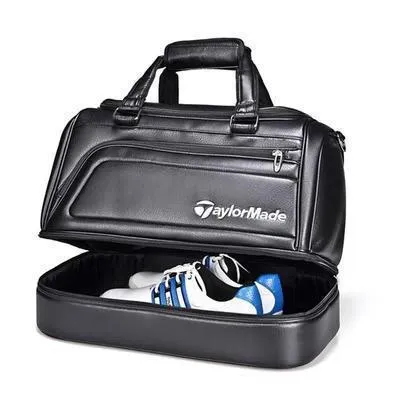

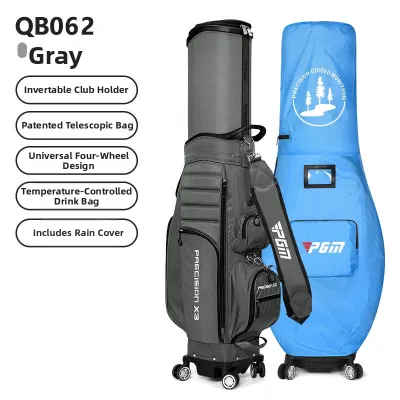
Prices are valid at publication and may change. Please refer to the product page for the latest price.
Carrying a heavy golf bag over four to five hours puts continuous pressure on your trapezius muscles, shoulders, and lower back. As fatigue sets in, your body naturally begins to compensate by slouching or tightening up. This muscular fatigue directly degrades your swing mechanics, leading to a loss of clubhead speed, poor spine angle retention, and erratic ball striking as you reach the crucial final holes of your round.
This physical toll is amplified by the unique climate and geography of the Philippines. Local courses often feature clay-heavy soils that make walking more labor-intensive, especially after a heavy downpour. Furthermore, the tropical heat and high humidity levels mean your body expends significantly more energy simply trying to cool itself down. When you add steep elevation changes and rolling terrains to the mix, every extra kilogram in your bag feels twice as heavy by the time you reach the tenth tee.
By transitioning to a streamlined carry bag, you minimize the dead weight you must lift and carry with every step. This preservation of energy ensures that your shoulder and core muscles remain loose and responsive throughout the entire round. Ultimately, a lighter bag is not just about comfort; it is a strategic choice that protects your physical well-being and keeps your scorecard respectable.
Must-Have Features for Tropical and Hilly Courses
When evaluating different lightweight models, it is essential to look beyond the overall weight number on the tag. A bag must possess specific structural and material features to perform reliably under the demanding weather conditions and varied terrains found across the Philippines.

Strap Ergonomics and Weight Distribution The carrying system is the most critical interface between you and your bag. Look for padded, contoured dual-strap systems that feature self-adjusting disc mechanisms or slider designs. These systems allow the straps to shift dynamically as you walk, keeping the bag balanced on your shoulders regardless of your body shape or walking gait. The padding should be constructed from high-density foam that resists collapsing under load, ensuring long-term comfort over 18 holes.
Breathable and Moisture-Wicking Back Pads Walking in tropical humidity inevitably leads to perspiration. To prevent uncomfortable chafing and excessive heat buildup against your lower back, prioritize bags equipped with channeled, air-mesh back pads. These pads create a physical gap between your body and the bag’s main body, allowing air to circulate freely. Moisture-wicking materials in these contact zones help dry sweat quickly, keeping you cooler and more comfortable during mid-day rounds.
Robust Weather Protection The Philippine climate is notorious for sudden afternoon rain showers, particularly during the monsoon season. Your bag must be equipped with a highly functional, easily attachable rain hood that snaps securely into place. Additionally, look for bags featuring dedicated waterproof-lined valuables pockets and water-resistant zippers with taped seams. These features ensure that your smartphone, wallet, rangefinder, and extra gloves remain dry even during an unexpected tropical downpour.
Sturdy and Stable Stand Mechanisms A lightweight bag is of little use if it constantly tips over on uneven lies or sinks into soft, wet turf. Opt for stand systems featuring legs made from lightweight but exceptionally strong materials like carbon fiber or high-grade aluminum. The leg mechanism should deploy smoothly and retract tightly against the bag’s body when lifted. Ensure the legs are fitted with wide, non-slip rubber feet that provide a secure grip on wet grass, muddy slopes, or concrete cart paths.
Storage Capacity versus Weight Trade-Off While minimizing weight is the primary goal, you still need sufficient space to carry your on-course essentials. A well-designed lightweight bag strikes a careful balance, offering dedicated pockets for water bottles, golf balls, tees, an umbrella, and a light windbreaker or rain jacket. Avoid bags with overly complex pocket layouts or excessive heavy plastic molding, as these add unnecessary structural weight without offering practical storage benefits.
Which Type of Golf Bag Lightweight Design Fits Your Walking Style?
Not all walking golfers share the same preferences, physical capacities, or playing habits. Understanding the distinct categories of lightweight bags allows you to choose a model that aligns perfectly with how you prefer to play and navigate the course.
Stand Bags: The All-Rounder for Full Rounds
Stand bags represent the most popular and versatile category for golfers who prefer to walk 18 holes regularly. These bags feature built-in retractable legs that keep the bag off the wet ground when you are preparing for a shot, protecting the fabric from dirt and moisture. They typically offer a full-length divider system (ranging from 4-way to 14-way tops) that keeps your clubs organized, prevents shafts from tangling, and protects expensive graphite shafts from rubbing against one another.
This category is ideal for the dedicated walking golfer who insists on carrying a full set of 14 clubs, along with essential accessories, hydration, and weather gear. While they are slightly heavier than minimalist Sunday bags, modern lightweight stand bags manage to keep their empty weight remarkably low through the use of advanced composite materials and lightweight nylon fabrics. When choosing a stand bag, always verify the manufacturer’s specified empty weight and base dimensions to ensure it fits comfortably within your physical lifting limits.
Sunday Bags: The Minimalist Choice for Quick Walks
For those who prioritize absolute weight reduction above all else, the Sunday bag is the ultimate minimalist solution. Traditionally designed without a stand mechanism, these bags are meant to be laid directly on the turf. They feature an ultra-slim profile, a single or lightweight dual strap, and a highly simplified pocket layout. Many modern variations now include micro-stands or small, ultra-lightweight legs to keep the bag slightly elevated off wet grass.
A Sunday bag is best suited for quick nine-hole loops, twilight rounds, practice sessions at the driving range, or casual par-3 courses. Because of their compact size, they are ideal for carrying a reduced set of clubs (typically 6 to 10 clubs), which further reduces the physical load on your back. However, users should be aware of their limitations: they offer minimal structural club protection, very limited storage for extra apparel or large water bottles, and require you to bend down more frequently if the model lacks a stand.
Hybrid Carry Bags: Bridging the Gap Between Carry and Cart
Hybrid carry bags are engineered for the versatile golfer who splits their time between walking the course and riding in a cart. These bags feature a slightly larger top and more robust storage pockets than a standard stand bag, yet they retain a lightweight frame and an integrated backpack-style strap system. They also incorporate a cart-friendly base design and leg-retention straps that prevent the stand mechanism from twisting or getting damaged when strapped into a motorized cart.
The primary trade-off with a hybrid bag is weight; they are noticeably heavier than dedicated stand bags and minimalist Sunday bags due to their extra storage capacity and reinforced structure. However, they provide excellent organization, ample space for rain gear, snacks, and multiple water bottles, making them highly practical for full-day outings. This style is perfect for golfers who walk nine holes for exercise but prefer to ride during longer 18-hole rounds, or those who want a single, highly adaptable bag for all playing conditions.
How to Test a Bag's Comfort and Balance Before Buying
Purchasing a golf bag without testing how it feels on your body can lead to discomfort on the course. To ensure a bag matches your physical build and walking style, conduct a thorough hands-on evaluation at your local pro shop or sporting goods retailer.
Perform a Realistic Load Test An empty golf bag always feels light and comfortable in a showroom. To get an accurate assessment of how the bag will perform on the fairways, ask the retailer if you can load the display bag with a set of 14 clubs, or use equivalent weighted items. This realistic weight is crucial for evaluating how the straps distribute pressure across your shoulders and collarbones under actual playing conditions.
Adjust the Straps for Optimal Fit Once the bag is loaded, put it on and adjust the dual-strap system. A properly adjusted carry bag should sit relatively high on your back, with the weight distributed evenly between your shoulders and your lower back or hips. The bag should not sag excessively or bounce against your thighs as you walk. If the straps pinch your neck or dig painfully into your shoulders, try adjusting the slider connections or test a different model with wider, more contoured padding.
Check the Stand and Base Stability Place the loaded bag on the floor to test the stand mechanism. The legs should deploy instantly and smoothly as soon as the base makes contact with the ground. Observe how stable the bag feels when resting on its stand; it should not wobble or feel top-heavy. Check the width of the base and the footprint of the legs to ensure the bag can resist tipping over on uneven slopes or when subjected to a gust of wind.
Evaluate Accessibility and Usability While wearing the loaded bag, practice reaching for key pockets, such as the water bottle sleeve and the valuables pocket. A well-designed walking bag allows you to access hydration and minor accessories without having to take the bag off your shoulders. Additionally, test the smoothness of the zippers and check how easily the rain hood can be retrieved and attached to the top collar in a hurry.
Protecting Your Gear: Bag Care in Humid Weather
The tropical climate of the Philippines, characterized by high humidity, intense sun, and heavy seasonal rains, can be incredibly harsh on golf equipment. Implementing a consistent post-round maintenance routine is essential for preventing mold, preserving fabric integrity, and extending the lifespan of your lightweight bag.
Thorough Post-Round Drying Never store a damp golf bag directly in your car trunk or a closed closet after a rainy round or a humid day on the course. As soon as you return home, empty all pockets completely, remove any wet towels, headcovers, or rain gear, and open every zipper fully. Stand the bag upright in a well-ventilated indoor area to allow air to circulate through the interior compartments and dry out any trapped moisture.
Mold and Odor Prevention If your bag has been exposed to heavy rain or excessive sweat, mold and mildew can quickly develop in the dark, damp interior pockets. To prevent this, wipe down the affected areas with a soft cloth dampened with a mild, soapy water solution or a manufacturer-approved fabric cleaner. Avoid using harsh chemical detergents or bleach, which can strip away water-resistant coatings and damage synthetic fibers. Allow the bag to dry completely before restocking your gear.
Optimal Storage Conditions Store your golf bag in a cool, dry, and well-ventilated room inside your home. Avoid keeping it in areas prone to extreme temperature fluctuations and high humidity, such as uninsulated garages or outdoor storage sheds. Additionally, keep the bag out of direct, harsh sunlight when not in use, as prolonged ultraviolet (UV) exposure can fade the colors, degrade synthetic fabrics, and weaken plastic buckles and strap connectors.
Routine Hardware Inspections Periodically inspect the structural components of your bag to catch wear and tear early. Check the metal rivets, stand hinges, and zipper pulls for signs of rust or corrosion, especially if you frequently play on coastal courses where salty air is present. Applying a small drop of silicone lubricant to the stand hinges can keep the mechanism operating smoothly, while checking the strap buckles ensures they remain secure and free of cracks.
Frequently Asked Questions (FAQ)
Can I use a cart bag if I plan to walk occasionally?
Using a cart bag for walking is generally not recommended. Cart bags are significantly heavier, lack ergonomic dual carry straps, and feature bases designed specifically to sit flat on riding carts rather than stand stable on uneven turf. Carrying a cart bag over 18 holes can cause severe physical strain on your shoulders and back, quickly ruining your enjoyment of the game.
How much should a good lightweight stand bag weigh?
While weight preferences vary among individual players, dedicated lightweight stand bags typically aim for an empty weight of between 1.4 to 2.3 kilograms (approximately 3 to 5 pounds). When making your decision, remember to factor in the additional weight of your clubs, balls, tees, accessories, and water, which will significantly increase the total carrying weight on the course.
Are lightweight bags durable enough for regular use?
Yes, modern lightweight bags are designed to withstand the rigors of regular walking rounds. Manufacturers utilize high-denier nylon, ripstop fabrics, and advanced carbon fiber components that offer excellent tear resistance and structural integrity without adding bulk. To maximize durability, avoid dragging the base on abrasive surfaces, store the bag properly, and follow the manufacturer’s care guidelines.
Community discussion
Share your experience or ask a question. Comments are reviewed before publication.