
Choosing the right diving mask is one of the most critical decisions you will make for your underwater adventures. In the tropical waters of the Philippines, where diverse marine life and stunning drop-offs await, a high-quality low-volume diving mask can significantly enhance your comfort and visibility. By reducing the space between your face and the lens, these specialized masks offer a streamlined profile and an expanded field of view, making them a favorite among local freedivers, spearfishers, and recreational scuba divers alike.
Unlike standard recreational masks, a low-volume model minimizes the pocket of air trapped inside the skirt. This design choice directly translates to effortless mask clearing, reduced water resistance, and less air required for pressure equalization during descents. Whether you are exploring the deep walls of Panglao or practicing breath-holds in Anilao, understanding the nuances of low-volume designs will help you select the perfect gear for your specific facial structure and diving style.
Why Choose a Low-Volume Diving Mask?
To understand the appeal of a low-volume diving mask, you must first look at its physical construction. In practical terms, “low volume” means there is a minimal amount of air space between your face and the glass lens. By engineering the frame and skirt to sit closer to your eyes, manufacturers reduce the overall footprint of the mask, creating a highly streamlined piece of equipment that conforms tightly to your facial features.
Products mentioned in this guide
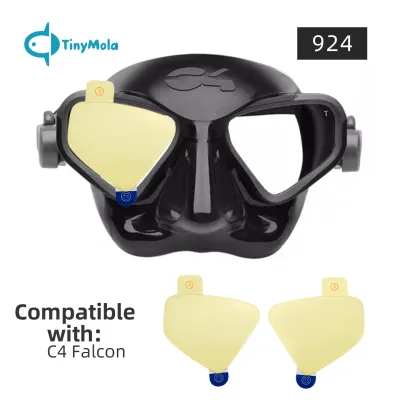
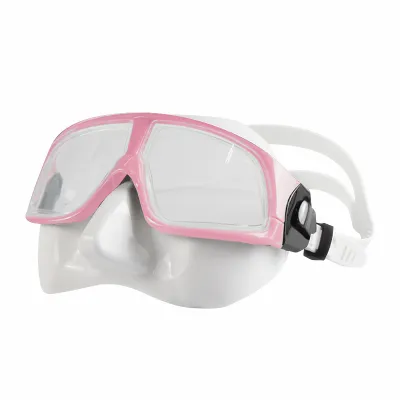
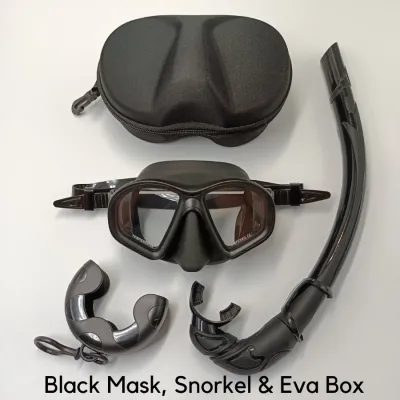
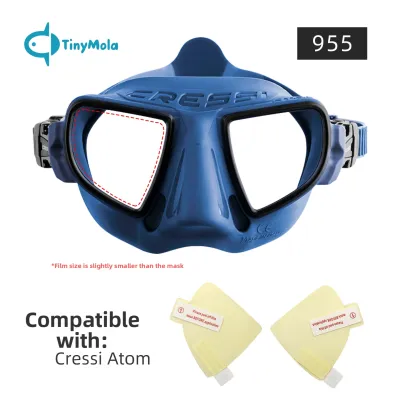
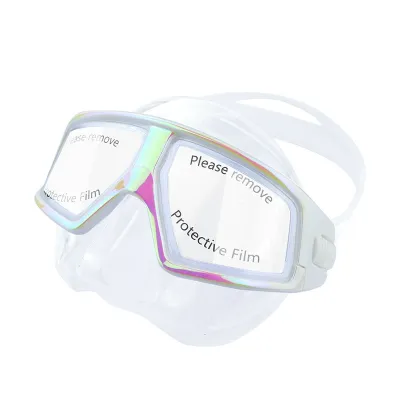
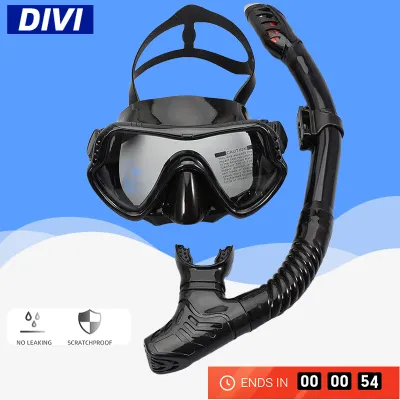
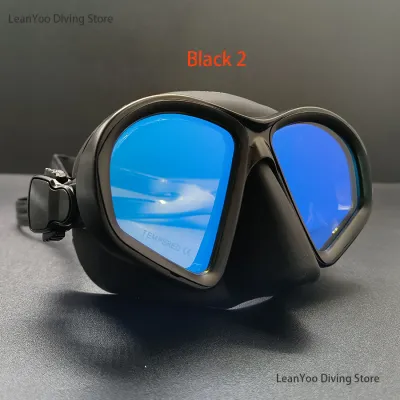
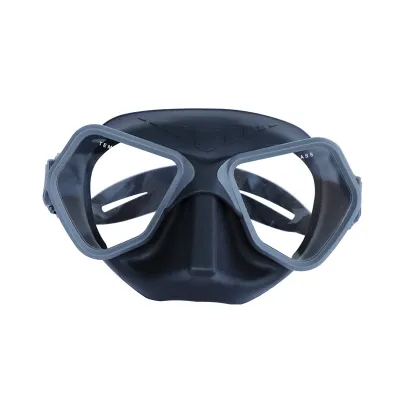
Prices are valid at publication and may change. Please refer to the product page for the latest price.
This close-fitting design offers several distinct advantages when you are underwater. First, clearing water from a low-volume mask requires only a tiny exhalation through your nose, as there is very little physical space to displace. This ease of clearing is highly beneficial for both beginners who may feel anxious about water entry and experienced divers managing challenging currents. Additionally, the reduced air volume minimizes the mask’s upward buoyancy, preventing it from shifting or pulling upward against your strap during a dive.
For freedivers and spearfishers, the primary benefit lies in air conservation. As you descend, hydrostatic pressure compresses the air inside your mask, requiring you to blow air through your nose to equalize the pressure and prevent mask squeeze. Because a low-volume mask holds a fraction of the air of a traditional scuba mask, you use significantly less of your precious breath-hold volume simply keeping your mask equalized. Furthermore, bringing the lenses closer to your eyes naturally widens your peripheral and vertical fields of vision, allowing you to spot marine life or navigate tight swim-throughs more effectively.
However, these benefits come with a physical trade-off that you must consider. Because the frame and glass sit so close to your face, there is less physical clearance for your nose and brow. For individuals with a high nasal bridge, prominent forehead, or exceptionally long eyelashes, a low-volume mask can sometimes press uncomfortably against the skin. Beginners may also find the close proximity of the glass slightly restrictive or claustrophobic at first, making it essential to prioritize fit and comfort over minimalist aesthetics.
How to Choose the Right Low-Volume Mask for Your Face
When shopping for a low-volume mask in the Philippines, physical fit and an airtight seal must always take precedence over brand popularity or aesthetic appeal. A high-end, expensive mask that leaks constantly will ruin your dive faster than a budget-friendly model that fits your face perfectly. To find the ideal match, you must understand how to test the fit and evaluate key material specifications.

The Fit Test
To perform a reliable fit test, look upward slightly and clear any stray hair away from your forehead, temples, and cheeks. Gently place the mask onto your face without placing the strap over your head. Inhale lightly and steadily through your nose, then release your hands from the mask. If the mask is a good match for your facial structure, the suction should hold it securely in place without any air leaking in around the edges. If the mask falls off immediately or you feel air entering near your temples or under your nose, the skirt shape is not compatible with your face.
Skirt Material and Color
You should always verify that the mask skirt is constructed from 100% high-grade liquid silicone. High-quality silicone remains soft and flexible, allowing it to conform dynamically to your facial movements and maintain a seal even when you smile or adjust your regulator. Avoid cheap masks made from PVC or low-grade plastics, as these materials stiffen quickly, especially when exposed to the intense heat and UV rays of the Philippine sun, leading to persistent leaks and skin irritation.
When choosing a skirt color, consider your diving environment and personal preferences:
- Clear Skirts: These allow ambient light to enter from the sides, which helps reduce the feeling of claustrophobia and is highly recommended for recreational scuba divers who want a bright, open feel.
- Black or Dark Skirts: These block peripheral light and eliminate distracting reflections on the inside of the lens. This is the preferred choice for underwater photographers who need to focus on their camera viewfinders, as well as freedivers who want to maintain deep mental focus during a dive.
Lens Configuration
Low-volume masks generally come in single-lens or dual-lens configurations. Single-lens designs offer an uninterrupted view across the bridge of your nose, but they often require a slightly larger frame, which can increase the internal volume. Dual-lens designs feature a physical separation between the two lenses, allowing the glass to be angled closer to your eyes to achieve an ultra-low volume. If you wear corrective lenses, dual-lens masks are highly advantageous because many models allow you to swap the standard tempered glass for prescription lenses.
Strap and Buckle System
A robust strap and buckle system is essential for maintaining a secure seal without causing discomfort. Look for masks with quick-adjust buckles that are mounted directly to the silicone skirt rather than the rigid frame. This design reduces tension on the frame, allowing the skirt to seal more naturally against your skin. A wide, split-strap design at the back of the head helps distribute pressure evenly, preventing the mask from slipping down or pulling uncomfortably on your hair.
Top Low-Volume Diving Masks Available in the Philippines
To help you navigate the local market, we have categorized the top low-volume diving masks available through authorized Philippine dive shops and official online retail channels. These selections are based on their low-volume profiles, high-quality silicone construction, and proven performance in tropical diving conditions.
Best Overall for Scuba and Freediving
For divers who split their time between recreational scuba diving and freediving, a versatile dual-lens mask with a teardrop shape offers the perfect balance. This design features lenses that angle downward toward your cheeks, which dramatically improves your downward visibility. This makes it incredibly easy to look down at your chest straps, locate your weight belt, or monitor your dive computer without constantly tilting your head.
These masks typically feature a highly flexible, premium silicone skirt that molds seamlessly to a wide variety of facial structures. The nose pocket is designed with soft, textured grip zones, allowing you to easily pinch your nose for equalization even when wearing thick neoprene gloves during deep scuba dives. The frameless or semi-frameless construction keeps the weight incredibly low, making it a highly packable option for domestic travel to local dive destinations like Romblon or Coron.
Potential Drawbacks: Because the downward-angled lenses sit exceptionally close to the face, individuals with very prominent brow ridges or high cheekbones may experience slight pressure points. If you have long eyelashes, you may also find them brushing against the glass, which can be distracting during long, quiet dives.
Best Budget-Friendly Option
If you are a beginner or a budget-conscious diver, you do not need to sacrifice safety or seal quality to get a low-volume mask. High-quality budget options are readily available in the Philippines, prioritizing a dependable 100% silicone skirt over expensive aesthetic finishes or specialized lens coatings. These masks provide a reliable, watertight seal that easily outperforms cheap, unbranded plastic masks found in non-specialty stores.
These entry-level masks usually employ a classic dual-lens design with a standard rigid plastic frame. While this frame makes the mask slightly bulkier than premium frameless models, the internal volume remains remarkably low, ensuring easy clearing and straightforward equalization. The strap buckles are typically simple but highly durable, offering reliable tension that stays secure throughout your dive.
Potential Drawbacks: The silicone used in budget-friendly masks can sometimes be slightly firmer than the ultra-soft, liquid silicone found in premium models. This means the mask is less forgiving of minor facial mismatches, making a physical fit test highly recommended before purchasing to ensure the skirt seals comfortably without requiring you to over-tighten the strap.
Best for Narrow Faces
Divers with smaller, narrower, or more delicate facial structures often struggle with standard masks, which tend to leak around the temples and jawline. A dedicated micro-fit low-volume mask is engineered specifically to address this issue. By reducing the width of the skirt flange and shortening the nose pocket, these masks provide a secure, watertight seal on faces that standard gear simply cannot accommodate.
In addition to the narrower skirt, the lenses on these masks are positioned closer together to maintain an excellent field of vision without widening the frame. This compact design results in an exceptionally low internal volume, making it a favorite among youth divers and female freedivers in the local community. The lightweight profile also ensures that the mask stays perfectly in place when swimming against strong tidal currents.
Potential Drawbacks: This mask category is highly specialized. If a diver with a medium-to-wide face or a prominent nasal bridge attempts to wear a micro-fit mask, they will experience immediate water leakage, painful pressure points on the bridge of the nose, and severe squeezing as depth increases.
Best for Wide Faces and High Comfort
Many divers with broad faces, high cheekbones, or wider nasal bridges assume they must use a bulky, high-volume mask to achieve a comfortable fit. Fortunately, manufacturers have developed low-volume masks designed specifically for wider facial profiles. These models utilize a wider skirt flange and a deeper, more spacious nose pocket to provide maximum comfort without sacrificing the benefits of a low-profile design.
Instead of reducing internal volume by simply shrinking the entire mask, these designs achieve a low profile by angling the lenses back toward the eyes and streamlining the frame. This allows the mask to accommodate broader facial structures while keeping the glass incredibly close to the face. The result is a highly comfortable, pressure-free seal that allows you to dive for hours without developing painful red marks on your forehead or nose.
Potential Drawbacks: Because of the wider skirt and deeper nose pocket, these masks have a slightly larger external footprint and may feel marginally heavier than ultra-minimalist, dedicated freediving masks. However, for recreational scuba divers seeking maximum comfort and a low-volume profile, this is an excellent trade-off.
Quick Comparison of Recommended Low-Volume Masks
To help you quickly compare your options, the table below summarizes the key design characteristics and ideal use cases for each category of low-volume diving mask.
| Mask Category | Lens Type | Skirt Color Options | Best For | Key Advantage |
|---|---|---|---|---|
| Best Overall | Dual-Lens (Teardrop) | Black, Clear, Tinted | Versatile scuba & freediving | Excellent downward visibility & easy equalization |
| Best Budget-Friendly | Dual-Lens (Standard) | Black, Clear | Budget-conscious divers | Affordable 100% silicone construction |
| Best for Narrow Faces | Dual-Lens (Micro-fit) | Black, Clear, Pastel | Smaller or narrower faces | Prevents leaks around temples and jawline |
| Best for Wide Faces | Dual-Lens (Angled) | Black, Clear | Broad faces & high cheekbones | Low volume with a wide, comfortable skirt seal |
Where to Buy and Verify Authenticity in the Philippines
Because your diving mask is a critical piece of safety equipment, purchasing from reputable sources is essential. The Philippines has a vibrant diving community, with authorized physical dive shops located in major diving hubs such as Batangas, Cebu, Bohol, and Dumaguete, as well as established retail centers in Metro Manila. Buying from these authorized physical shops allows you to try on multiple masks and perform a proper fit test under the guidance of experienced staff.
If you prefer to shop online, always purchase from official brand websites or verified flagship stores on reputable e-commerce platforms. Avoid purchasing unbranded, suspiciously cheap masks from unverified third-party sellers. Counterfeit masks often use low-grade industrial silicone or PVC that degrades rapidly when exposed to tropical saltwater and intense UV rays, leading to early cracking, persistent leaks, and chemical off-gassing that causes permanent lens fogging.
More importantly, counterfeit masks often use standard window glass instead of tempered glass. Under the hydrostatic pressure of a dive, or in the event of an accidental impact against a boat ladder or coral reef, non-tempered glass can shatter into sharp shards, posing a catastrophic risk of severe eye injury. To verify the authenticity of your purchase, look for official manufacturer packaging that includes a warranty card, check for holographic authenticity stickers on the box, and cross-reference the seller’s name with the list of authorized dealers on the manufacturer’s official global website.
Mask Care and Maintenance for Tropical Diving
The tropical climate of the Philippines, characterized by high humidity, intense sunlight, and high salinity, can be harsh on diving gear. Proper post-dive care is essential to prolong the life of your low-volume mask and maintain a reliable, watertight seal.
After every dive, soak your mask in warm, fresh water for at least 15 to 30 minutes to dissolve salt crystals that build up around the buckles and skirt seals. Gently wash away any sand, chlorine, or sunscreen oils using your fingers. Never leave your mask to dry in direct sunlight, as UV rays rapidly degrade and yellow silicone, making it brittle and prone to tearing.
Once the mask is completely dry, store it inside a rigid protective mask box. Do not store it loose in a gear bag where heavy items like fins or dive weights can press against it, as this can permanently deform the soft silicone skirt and scratch the lenses.
To prevent fogging during your dives, use a dedicated commercial defogging spray or a highly diluted solution of baby shampoo. Always check the manufacturer’s care instructions first, as some modern masks come with pre-applied anti-fog coatings that can be permanently damaged by abrasive cleaning. Avoid using harsh chemicals, toothpaste containing micro-abrasives, or rough cloths on the lenses, as these will scratch the glass and degrade the silicone skirt.
Frequently Asked Questions (FAQ)
How do I know if my diving mask is truly low volume?
While manufacturers rarely publish exact milliliter capacities, you can easily identify a low-volume mask by its physical profile. Look at the distance between the lens and the skirt frame; if the glass sits very close to your eyes and the nose pocket is streamlined rather than protruding deeply, it is a low-volume design. Additionally, frameless masks and dual-lens models with angled teardrop shapes naturally minimize internal air space.
Can I use a low-volume freediving mask for scuba diving?
Yes, low-volume freediving masks are highly versatile and can be safely used for scuba diving. They are exceptionally easy to clear of water and require very little air to equalize as you descend. However, keep in mind that some ultra-compact freediving masks have extremely small, rigid nose pockets designed to minimize drag. If you are scuba diving in deep sites where you wear thick neoprene gloves, pinching these tiny nose pockets to equalize can be difficult.
Community discussion
Share your experience or ask a question. Comments are reviewed before publication.