
Starting a home strength training routine is one of the most effective ways to build physical resilience, improve metabolic health, and establish a sustainable fitness habit. When setting up a beginner home gym, selecting the right Luminaflex weight equipment requires balancing your current physical capabilities with your available workout space and long-term training goals. The ideal setup is one that allows you to execute fundamental movements safely, supports gradual strength progression, and fits comfortably within your living environment without cluttering your home.
For most beginners, the primary challenge is not finding heavy weights, but rather selecting a versatile system that accommodates rapid early strength gains without requiring a massive financial or spatial investment. Luminaflex offers a range of options, from highly compact adjustable dumbbells to traditional fixed-weight sets and robust barbell kits. By understanding your specific physiological needs and the physical constraints of your training environment, you can make an informed decision that keeps you consistent, safe, and motivated.
How to Assess Your Beginner Strength Training Needs
Defining your specific fitness goals is the first step in building a functional home gym. As a beginner, your primary objectives typically center around full-body conditioning, developing muscular endurance, and mastering proper movement patterns. Exercises like the squat, hinge, push, and pull form the foundation of any effective strength program. To perform these movements correctly and safely, you need equipment that allows you to control the load completely, ensuring your form does not break down as you fatigue.
Products mentioned in this guide
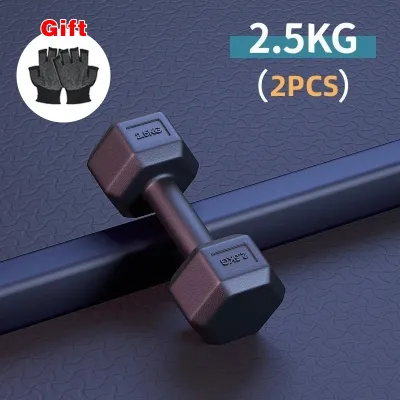
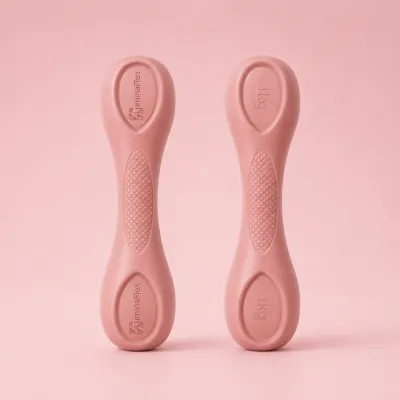
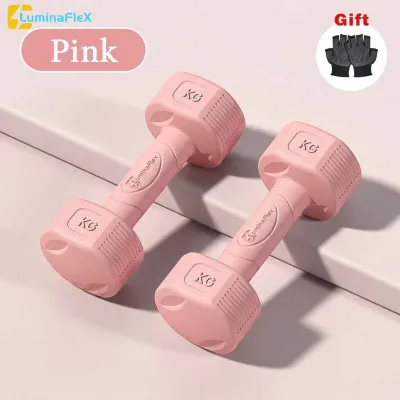
Prices are valid at publication and may change. Please refer to the product page for the latest price.
Evaluating your available workout space is a critical practical step, particularly in typical Philippine residential settings such as condominiums, townhouses, or shared family homes. You must consider both the horizontal footprint of the equipment and the vertical clearance required for overhead movements. For example, performing an overhead shoulder press requires sufficient ceiling height, while dynamic movements like lunges demand clear floor space. Additionally, consider the floor construction; heavy weights placed on delicate ceramic tiles or laminate flooring can cause structural damage without proper protective matting.
Progressive overload is the fundamental physiological principle behind strength training, stating that muscles must be subjected to gradually increasing levels of resistance to grow stronger. For a beginner, this means you will outgrow your starting weights relatively quickly. If you purchase a single pair of light dumbbells, you may find them perfect for shoulder exercises but far too light for squats and deadlifts within a few weeks. Therefore, your equipment selection must allow for gradual weight increments to keep pace with your physical adaptation.
Ultimately, the best home gym equipment is not the most expensive or the heaviest option available, but the one that aligns with your current physical starting point and living situation. A highly advanced barbell setup is of little use if you lack the space to use it safely, just as a single pair of light fixed dumbbells will quickly limit your strength progression. Assessing your space, goals, and budget beforehand prevents buyer’s remorse and ensures your investment directly supports your fitness journey.
Comparing Luminaflex Weight Equipment Types for Beginners
Luminaflex design philosophies cater to diverse home training environments by offering three primary categories of strength equipment: adjustable dumbbells, fixed-weight sets, and barbell kits. Each category presents distinct advantages regarding space efficiency, durability, and long-term progression. Choosing the right type involves analyzing how these characteristics match your budget, available space, and training style.

Adjustable Dumbbells vs. Fixed-Weight Sets
Adjustable dumbbells are highly favored for modern home gyms due to their exceptional space efficiency. A single pair of dial-adjustable or selectorized dumbbells can replace up to fifteen individual pairs of traditional dumbbells, fitting neatly into a compact pair of storage trays. This design is highly advantageous for small apartments or multi-purpose rooms where a dedicated weight rack is visually or physically intrusive. It allows you to transition seamlessly between lighter weights for lateral raises and heavier weights for chest presses within seconds.
In contrast, fixed-weight sets offer unmatched simplicity and durability. Because they feature no moving parts, dial mechanisms, or selector pins, fixed dumbbells are virtually indestructible and highly drop-safe. If you accidentally drop a fixed rubber or neoprene dumbbell on a protective mat, the risk of damaging the equipment is minimal. This makes them highly reliable for high-intensity workouts where equipment might be handled robustly, or for home gyms shared by multiple family members with varying fitness levels.
When browsing Luminaflex options, it is essential to check the product labels and user manuals for the specific weight increment mechanisms and safety locking features. Adjustable models typically utilize a dial, selector pin, or spin-lock system to secure the plates. Ensure the locking mechanism is robust and fully engages before lifting the weights over your body. A secure, high-quality locking system prevents plates from rattling or shifting during exercise, which is crucial for both safety and concentration.
It is also important to recognize the inherent limitations of adjustable dumbbells. Due to their complex internal gearing, adjustable models should never be dropped, as impact can misalign the selection discs and compromise safety. Furthermore, they do not allow two users to perform exercises simultaneously using different weights from the same set. If you plan to train with a partner or prefer a workout style that involves dropping weights, a small collection of fixed-weight dumbbells may be a more practical choice.
Barbell and Plate Sets for Progressive Overload
Transitioning to a barbell and plate set is a logical step for beginners who want to prioritize heavy compound movements. Exercises like back squats, conventional deadlifts, and barbell rows recruit multiple large muscle groups simultaneously, stimulating systemic strength gains and bone density improvements. The bilateral nature of a barbell provides greater stability than dumbbells, allowing you to lift heavier absolute loads and progress consistently over time.
However, implementing a barbell setup at home requires significant space and strict safety protocols. Unlike dumbbells, which can be easily tucked under a bed, a standard barbell is typically 1.8 to 2.2 meters long and requires a dedicated lifting area. For safe execution of squats and bench presses, you will also need a sturdy squat stand or half-rack equipped with safety spotter arms. This setup is best suited for ground-floor spaces, garages, or dedicated spare rooms with solid flooring that can support concentrated weight loads.
When evaluating barbell kits, pay close attention to the quality of the collars, sleeve rotation, and plate materials. Smooth sleeve rotation is vital because it allows the weight plates to spin independently of the bar, reducing the rotational torque transferred to your wrists and elbows during lifts. Verify that the kit includes secure collars, such as lock-jaw or heavy-duty spring collars, to prevent plates from sliding off the sleeves. For home use, rubber-coated plates or bumper plates are highly recommended over raw cast iron, as they significantly reduce noise and protect your floors from impact damage.
Crucial Selection Criteria for Luminaflex Home Gym Gear
To ensure you select the safest and most effective equipment for your home gym, keep this practical checklist of features in mind while browsing your options:
- Weight Range and Increments: A beginner-friendly set should offer a low starting weight (typically 2kg to 5kg per hand) to allow you to learn proper form on delicate movements like shoulder flyes or rotator cuff exercises. Simultaneously, the maximum capacity should be high enough (at least 15kg to 20kg per hand) to accommodate your strength gains on compound exercises over your first year of training. Look for sets that offer small weight increments, such as 1kg to 2kg steps, to make progressive overload manageable.
- Grip and Handle Design: The handle is your sole point of contact with the weight, making its design paramount for safety. Look for high-quality knurling—the cross-hatched pattern cut into metal handles—which provides a secure grip even when your hands are sweaty. The handle diameter should feel comfortable in your hand (typically 28mm to 32mm); a handle that is too thick can cause premature forearm fatigue, while one that is too thin can cause hand cramping.
- Material and Coating: Weight plates and dumbbells are commonly coated in rubber, neoprene, or urethane. Neoprene is excellent for lighter weights as it provides a soft, matte grip that is gentle on hands. Rubber and urethane coatings are ideal for heavier weights because they absorb impact, reduce noise when weights clank together, and protect your home's flooring. Additionally, high-quality urethane is highly resistant to tearing and does not emit the strong chemical odor sometimes associated with cheap recycled rubber.
- Build Quality and Weight Tolerances: Accurate manufacturing ensures that a weight labeled as 10kg actually weighs 10kg. Poorly manufactured weights can have high tolerances, meaning one dumbbell could be significantly heavier than the other, leading to muscle imbalances and joint strain. Before purchasing, review the manufacturer's specifications regarding weight accuracy tolerances (ideally within +/- 3%) and check for structural warranty coverage on welds and locking mechanisms.
- Footprint and Storage: Always measure the physical dimensions of the equipment, including any storage trays, racks, or stands. If you choose adjustable dumbbells, ensure the storage tray is durable and holds the plates securely when not in use. If you opt for fixed weights or a barbell set, plan for a dedicated storage tree or rack to keep your workout area organized and free of tripping hazards.
Ideal Luminaflex Configurations for Different Beginner Profiles
To help you visualize how these criteria apply to real-world scenarios, consider these three common beginner profiles and their ideal equipment configurations. Matching your living situation and budget to these profiles will help you avoid overbuying while ensuring you have the tools necessary to progress.
The Space-Conscious Apartment Dweller
If you live in a typical urban condominium or apartment where space is at a premium, your primary goal is maximizing utility while minimizing footprint. For this scenario, a pair of compact, dial-adjustable dumbbells is the ideal solution. These systems allow you to adjust the weight quickly using a simple dial mechanism, replacing a massive rack of weights with a single pair that sits neatly in a corner or inside a closet. This setup keeps your living space tidy, quiet, and highly functional for quick home workouts.
The Budget-Conscious Starter
For those who want to experience the benefits of strength training without a significant upfront financial commitment, a minimalist approach is best. Start with two pairs of fixed-weight dumbbells: one light pair (e.g., 3kg to 5kg) for upper-body movements and one medium-heavy pair (e.g., 8kg to 12kg) for lower-body compound movements. Alternatively, a basic spin-lock dumbbell kit that allows you to manually add or remove threaded plates offers a highly cost-effective way to adjust resistance as you grow stronger.
The Serious Novice Planning for Long-Term Progression
If you have dedicated space, such as a garage or a spare room, and are committed to long-term strength development, investing in a comprehensive system from the start is highly efficient. A full barbell and plate kit, paired with a compact half-rack and an adjustable utility bench, provides the ultimate foundation for athletic development. This configuration allows you to perform heavy compound lifts safely at home, ensuring you will not outgrow your equipment for years to come.
Before finalizing any purchase, always verify current stock levels, exact weight increments, and authorized retailer availability. This ensures you receive genuine products backed by official warranties and customer support.
| Beginner Profile | Recommended Setup | Starting Weight | Max Weight Capacity | Space Required | Ideal User |
|---|---|---|---|---|---|
| Space-Conscious | Dial-Adjustable Dumbbells | 2.5 kg per hand | 24 kg per hand | Very Low (single corner tray) | Condo or apartment dwellers prioritizing storage |
| Budget-Conscious | 2-3 Fixed Dumbbell Pairs | 3 kg per hand | 10 kg to 12 kg per hand | Low (small floor rack or basket) | Beginners testing the waters with minimal investment |
| Serious Novice | Barbell & Bumper Plate Kit | 20 kg (standard bar) | 100 kg+ total plates | High (dedicated 2m x 2m area) | Homeowners with a garage or dedicated workout room |
Equipment Care and Safety in a Tropical Climate
Maintaining strength equipment in a tropical climate requires specific care to combat the effects of high humidity and heat. In the Philippines, ambient humidity levels can accelerate the oxidation of metal components, leading to rust on handles, barbell sleeves, and the internal gears of adjustable dumbbells. Sweat contains salt and acids that compound this corrosive effect, meaning a lack of regular maintenance can quickly ruin your investment.
To prevent rust and maintain smooth operation, establish a simple post-workout cleaning routine. After every training session, wipe down all metal handles, knurling, and plastic components with a dry microfiber cloth to remove sweat and moisture. For a deeper clean, use a cloth lightly dampened with a mild, diluted soap solution to sanitize the grips, then dry them completely with a separate towel. Avoid using harsh chemical solvents or abrasive scrubbers, which can strip away protective chrome or black oxide finishes.
Proper storage is equally important for preserving rubber, neoprene, or urethane coatings. High heat and direct tropical sunlight can cause these materials to degrade, become sticky, crack, or emit strong chemical odors over time. Store your weights in a well-ventilated, shaded area away from open windows or balconies where rain and direct sunlight can reach them. If you train in a garage or non-airconditioned space, using a simple dehumidifier or keeping a fan running can help reduce moisture buildup on your gear.
Finally, perform a brief safety check before every workout to ensure your equipment is in perfect working order. For adjustable dumbbells, verify that the selection dials turn smoothly and lock into place securely, and that no dirt or debris has entered the plate slots. For barbell and spin-lock sets, inspect the collars for wear and ensure they clamp tightly onto the sleeves. If you detect any structural cracks in the plates, loose internal mechanisms, or locking failures, stop using the equipment immediately and consult the manufacturer or an authorized service center for guidance.
Frequently Asked Questions (FAQ)
This FAQ section provides quick, actionable answers to common questions beginners have when selecting and using home gym weight equipment.
How heavy should my first Luminaflex dumbbells be?
Your starting weight depends heavily on the specific exercises you are performing and your current physical strength. For absolute beginners, upper-body exercises like overhead presses, bicep curls, and lateral raises typically require lighter weights, ranging from 2kg to 5kg per hand. Lower-body movements like squats, lunges, and deadlifts utilize larger muscle groups and generally require heavier loads, starting between 7.5kg and 12.5kg per hand to provide adequate resistance.
To find your ideal starting weight, test your form using the lightest weight available. A weight is appropriate for training if you can complete 10 to 12 repetitions with strict, controlled form, feeling moderate muscular fatigue on the final two repetitions. If your form breaks down, or if you must swing your body to complete a repetition, the weight is too heavy and increases your risk of injury.
Can I use Luminaflex fixed dumbbells for a full-body workout?
Yes, you can absolutely achieve a highly effective full-body workout using a single pair of fixed dumbbells. Dumbbells are incredibly versatile tools that allow you to perform a wide range of multi-joint exercises. For example, you can target your legs and glutes with goblet squats and lunges, strengthen your back with bent-over rows, work your chest with floor presses, and engage your core with weighted carries.
However, the primary limitation of using a single pair of fixed dumbbells is the challenge of progressive overload. Because different muscle groups possess different strength capacities, a weight that is challenging for your shoulders will quickly feel too light for your legs. To continue making progress over time, you will eventually need to purchase heavier pairs of fixed dumbbells or transition to an adjustable weight system that allows you to customize the resistance for each exercise.
Community discussion
Share your experience or ask a question. Comments are reviewed before publication.