
Navigating the coastal waters, calm bays, and inland lakes of the Philippines on a kayak or inflatable boat offers an incredible way to explore the country’s natural beauty. However, when the sun sets or sudden tropical downpours reduce visibility, staying safe on the water becomes a matter of preparation and the right equipment. Marine navigation lights are essential tools designed to make your low-profile craft visible to larger motorized vessels, helping to prevent collisions and ensure a safe return to shore.
While having the correct lighting is a critical safety measure, equipment alone cannot replace proper maritime training, situational awareness, and sound judgment. Before planning any low-visibility or nighttime paddling trip, you must understand your physical limits, monitor local weather forecasts, and know how to handle your watercraft in challenging conditions. Choosing the right navigation lights involves matching the gear to your specific vessel type, understanding visibility requirements, and knowing how to verify product specifications before making a purchase.
Key Factors When Choosing Marine Navigation Lights
Selecting the right marine navigation lights requires a clear understanding of safety standards and the harsh conditions of tropical marine environments. Because kayaks and inflatable boats sit very low in the water, they are easily obscured by waves, swells, and the glare of coastal lights. To ensure other boaters can see you from a safe distance, you must evaluate several technical specifications on product labels and packaging before deciding on a lighting setup.
Products mentioned in this guide
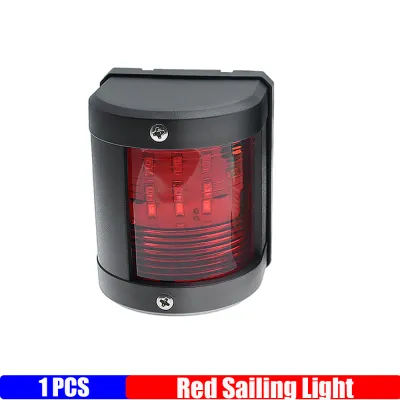
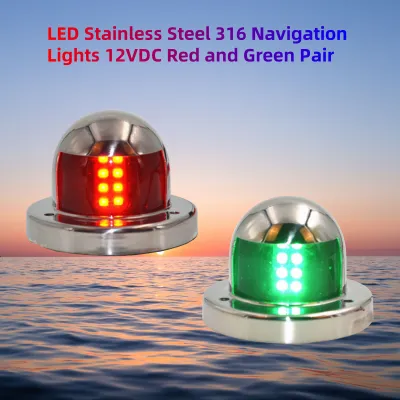
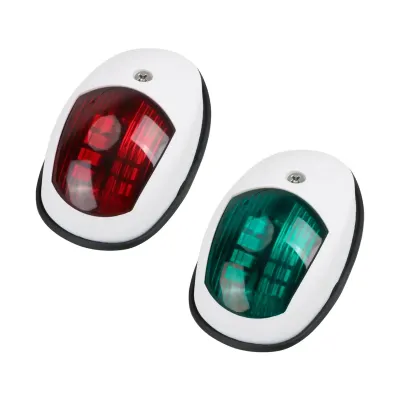
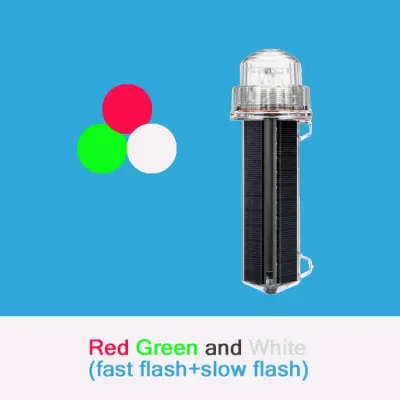
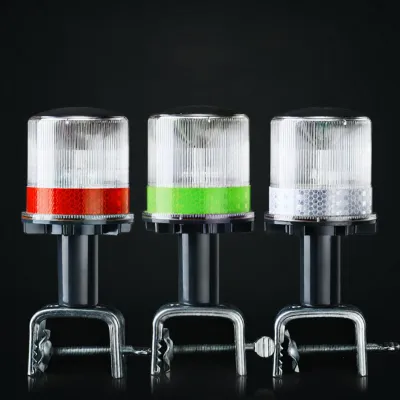
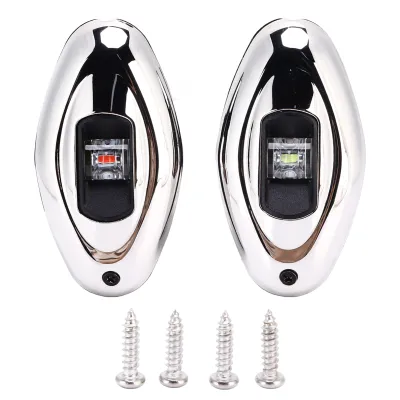
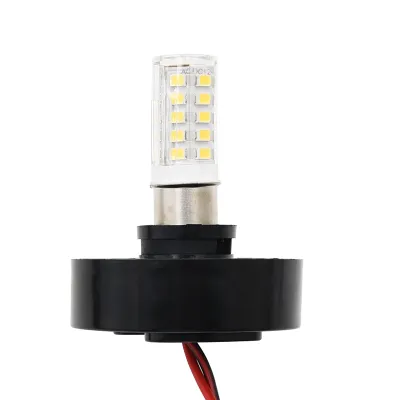
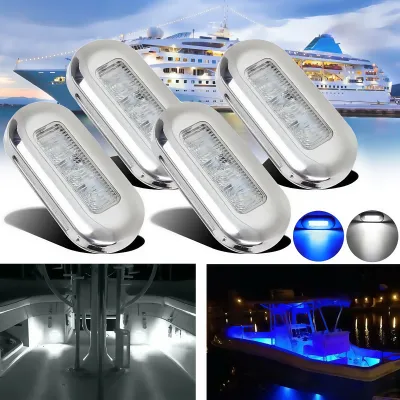
Prices are valid at publication and may change. Please refer to the product page for the latest price.
Visibility range and color requirements are the first aspects to consider. For unpowered vessels and small craft under seven meters, maritime safety guidelines generally recommend displaying a continuous white light that is visible from all directions (360 degrees) to alert other vessels of your presence. If your craft is operating under power or if you want to indicate your direction of travel more clearly, you may also need red (port) and green (starboard) sidelights. When browsing options, verify that the manufacturer specifies a visibility range—typically at least one to two nautical miles—to ensure the light is bright enough to serve its purpose in open water.
Waterproof and dust resistance ratings are critical for any electronics used on small, open watercraft. Look for products that clearly state their IPX rating, which measures protection against water intrusion. For kayaking and inflatable boating, an IPX6 rating indicates the light can withstand high-pressure water streams, which is suitable for heavy rain and splashing waves. An IPX7 or IPX8 rating is even better, as it certifies that the unit can survive temporary or continuous submersion if your boat capsizes or a wave washes directly over your deck.
Power sources and runtime directly affect how long you can safely stay on the water. You will generally choose between lights powered by standard replaceable batteries (such as AA or AAA) and those with built-in rechargeable lithium-ion batteries. Replaceable batteries allow you to carry spares and swap them out instantly in the field, which is highly convenient for multi-day camping trips. Rechargeable units are often more cost-effective over time and can sometimes be topped up using a portable power bank, but you must verify the actual runtime on the product label to ensure it exceeds your planned paddling duration by a safe margin.
Material durability is another vital factor, especially in the highly corrosive, high-humidity environment of the Philippines. Saltwater and intense tropical sunlight can rapidly degrade cheap plastics and cause metal contacts to rust. Look for navigation lights constructed from UV-resistant polycarbonate or marine-grade ABS plastic. Any metal hardware, such as screws, clips, or mounting brackets, should be made from corrosion-resistant materials like 316 stainless steel or brass to prevent premature failure after exposure to salt spray.
Types of Navigation Lights for Small Watercraft
Different watercraft designs require different mounting styles and light configurations. A light that works perfectly on a rigid fiberglass kayak might be completely impractical for a soft-sided PVC inflatable boat. Understanding the common form factors and mounting systems will help you choose a light that stays secure even when the water gets choppy.

Clip-on and rail-mounted lights are highly popular among kayak anglers and recreational paddlers using rigid sit-on-top kayaks. These lights are designed to slide directly into existing gear tracks or clamp onto the accessory rails built into the kayak’s gunwales. This mechanical connection is exceptionally secure, ensuring the light will not shake loose when paddling through rough surf or navigating windy channels. When choosing these, verify that the mounting hardware is compatible with your specific track system.
Suction cup and adhesive mounts are the primary options for inflatable boats, stand-up paddleboards, and kayaks without accessory tracks. Suction cups offer a temporary, non-destructive way to attach lights to smooth surfaces, but they have distinct limits. They require a perfectly clean, flat, non-porous surface to maintain a vacuum, and they can lose suction if the temperature drops rapidly or if salt crust builds up underneath the cup. Adhesive mounts provide a more permanent solution for PVC or Hypalon inflatables, but they require careful surface preparation with rubbing alcohol and adequate curing time before the boat is launched.
Pole-mounted and deck lights are designed to elevate your light source above the watercraft. Because a kayak sits so low, a deck-mounted light can easily be hidden behind small waves or the paddler’s own body. A pole-mounted stern light raises the 360-degree white light above your head, ensuring it remains visible to larger vessels from all angles. The trade-off is that tall poles increase wind resistance, which can make paddling more tiring in strong breezes, and they must be positioned carefully so they do not interfere with your paddle strokes or casting motion.
Wearable and personal safety lights serve as crucial backups to your boat-mounted navigation lights. These include small LED strobes that clip onto your personal flotation device (PFD), headlamps, and chemical light sticks. While a headlamp is incredibly useful for reading maps, rigging gear, or scanning the shoreline, it should not be used as your primary navigation light because turning your head constantly changes the direction of the beam, which can confuse other boaters. Personal safety lights are meant to help rescuers locate you in the water if you become separated from your craft.
Mounting and Placement Guidelines for Kayaks and Inflatables
Properly positioning your navigation lights is just as important as choosing the right gear. Incorrectly placed lights can fail to warn other vessels of your presence, or worse, they can blind you and ruin your night vision, making it difficult to spot hazards in the water.
Standard placement zones follow basic maritime navigation principles adapted for small craft. If you are using a single 360-degree white light, it should be mounted near the stern (rear) of the boat and elevated high enough that your body does not block the light from any direction. If you are using red and green sidelights, they must be mounted near the bow (front) of the vessel, with the red light on the port (left) side and the green light on the starboard (right) side. This layout allows other boaters to instantly determine which direction your craft is heading.
Glare and night vision management are critical for safe navigation. If a bright white light is mounted directly on your deck in front of you, the glare reflecting off the bow or the water surface will constrict your pupils, making it nearly impossible to see into the darkness. To prevent this, position your stern light on a pole behind your seat, or use a light shield or hood to block the light from shining directly into your eyes while keeping it visible to other vessels.
Securing cables and battery packs is a necessary step if you are using a wired lighting system. Loose wires on a small watercraft present a serious snagging hazard, especially when you are paddling, fishing, or attempting to re-enter a capsized boat. Route all wires along the gunwales or deck lines, securing them tightly with marine-grade zip ties, cable clips, or heavy-duty tape. If your system uses an external battery box, ensure the box is stored in a dry bag or a waterproof hatch and secured so it cannot slide around.
Before launching your kayak or inflatable boat, always perform a quick pre-launch inspection. Turn on all navigation lights to verify they are functioning and bright. Give each mount a firm shake to ensure it is securely attached to the hull or track. Check the battery levels or carry a fresh set of spare batteries in a dry bag, and ensure your backup waterproof flashlight is easily accessible from your seat. Taking a few minutes to run through these checks on land can prevent a dangerous equipment failure once you are out on the water.
Where to Buy and What to Verify Before Checkout
When shopping for marine navigation lights in the Philippines, you will find options at local marine supply shops, outdoor specialty stores, and various online marketplaces. Because your safety depends on these devices, it is important to be a discerning buyer and verify the quality of the product before finalizing your purchase.
Evaluating online listings requires careful reading of the product specifications. Many budget-friendly lights sold on e-commerce platforms are designed for land use, such as bicycle lights or camping lanterns, and lack the necessary waterproofing and corrosion resistance for marine environments. Look closely at the product description to confirm that the light is specifically rated for marine use, and check what mounting hardware is included in the package so you do not have to source compatible brackets separately.
Price and value verification can help you avoid low-quality counterfeits. While it is tempting to choose the least expensive option, unusually low prices in ₱ often indicate that the manufacturer used cheap plastics, poor seals, or low-grade LEDs that will fail after a few trips in saltwater. Compare prices across different reputable sellers to establish a realistic price range for genuine marine-grade equipment. Investing in a well-constructed light from a recognized marine brand is far safer than relying on an unbranded, ultra-cheap alternative.
Reviewing seller policies is especially important when purchasing electronics online. Check the seller’s return window, warranty terms, and customer feedback ratings before checking out. A reputable seller should offer a clear return policy in case the unit arrives damaged or fails to turn on. If you are buying from an overseas seller on an online marketplace, keep in mind that shipping returns can be more complicated, so look for listings with high ratings and detailed customer reviews that confirm the product’s durability.
Once your package arrives, perform a thorough post-purchase inspection before taking the light near the water. Inspect the silicone O-rings around the battery compartment to ensure they are intact, lubricated, and free of debris. Test the switch mechanism several times to make sure it clicks securely and does not feel loose. If the light is rated for submersion, you can test its seal by placing it in a bucket of clean freshwater for a few minutes, then opening the battery compartment to check for any signs of moisture. Verifying these details at home ensures your gear is ready for the challenges of the open water.
Frequently Asked Questions (FAQ)
Do I legally need navigation lights on a kayak in the Philippines?
Yes, you should always consult the latest guidelines from the Philippine Coast Guard or local maritime authorities regarding safety equipment for unpowered vessels. Regardless of specific local legal mandates, carrying a reliable, waterproof white light is a universally recognized safety baseline for any small watercraft operating between sunset and sunrise or during periods of restricted visibility. Having a continuous light source ensures that larger, faster motorized vessels can see you in time to avoid a collision, making it an indispensable safety practice for every paddler.
Can I use a regular flashlight instead of a dedicated marine navigation light?
While a waterproof flashlight is an excellent emergency backup tool and should always be kept in your safety gear bag, it is not a suitable replacement for a dedicated marine navigation light. Standard flashlights produce a narrow, directional beam that only illuminates a small area, whereas proper marine stern lights provide 360-degree visibility so you can be seen from any angle. Furthermore, dedicated marine lights are designed to run continuously for many hours and often feature specific color sectors (red and green) that communicate your vessel’s heading to other boaters, which a standard flashlight cannot do.
Community discussion
Share your experience or ask a question. Comments are reviewed before publication.