
Selecting the right material for a hanging fish drying net in the Philippines is a critical decision that directly impacts food safety, drying efficiency, and the lifespan of your gear. To withstand the country’s intense tropical heat, relentless humidity, and salty coastal air, a hanging fish drying net should ideally be constructed from high-density polyethylene (PE) netting paired with a rust-resistant frame, such as marine-grade stainless steel or heavy-duty coated wire.
While traditional drying methods often rely on open-air bamboo slats, modern hanging nets offer an enclosed environment that protects your catch from flies, dust, and pests. However, choosing the wrong material can quickly lead to mold infestation, structural sagging, or rust contamination on your fish. By understanding how different materials interact with the local climate, you can make an informed purchase that ensures clean, safe, and efficient preservation for your catch.
Understanding the Tropical Climate Challenges for Fish Drying Nets
The Philippine climate presents a unique set of environmental stressors that can rapidly degrade low-quality outdoor gear. High relative humidity, which frequently exceeds 80 percent throughout the year, creates an ideal breeding ground for mold, mildew, and bacteria. When damp fish are placed inside a net, any moisture retained by the netting material itself accelerates fungal growth, potentially spoiling the entire batch of fish.
Products mentioned in this guide
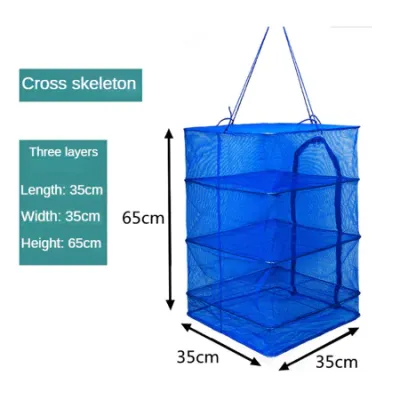
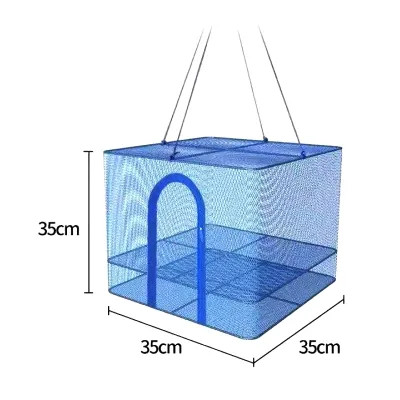
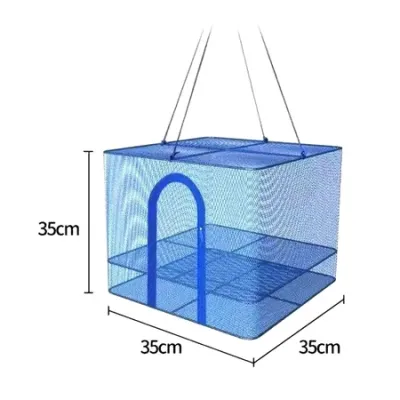
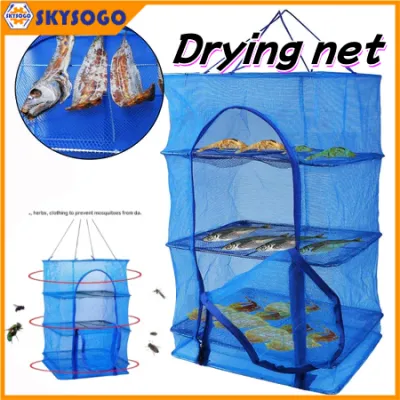
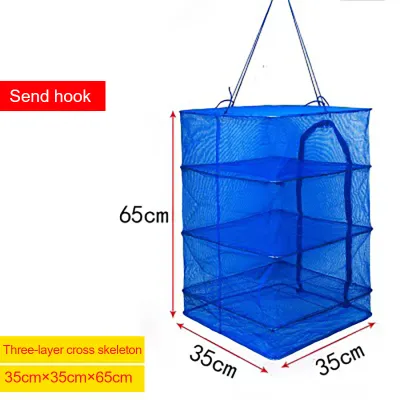
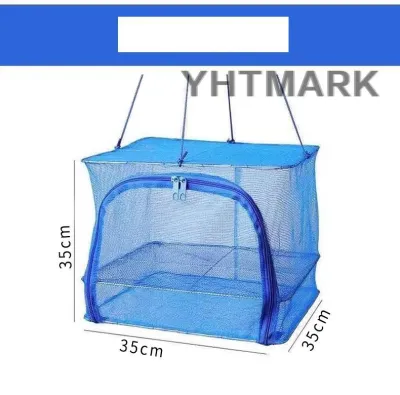
Prices are valid at publication and may change. Please refer to the product page for the latest price.
Intense ultraviolet (UV) radiation is another major factor to consider. The tropical sun, while excellent for rapid drying, breaks down many standard plastics and synthetic fibers through a process called photo-degradation. Over time, UV exposure causes untreated netting to become brittle, lose its tensile strength, and eventually tear under the weight of the fish. This is particularly problematic for multi-tier nets designed to hold several kilograms of heavy catch.
For those living in coastal provinces or drying fish near the sea, salt spray poses a constant threat of corrosion. Airborne salt particles settle on metal frames, hinges, and hanging hooks, initiating rapid oxidation. Standard steel or iron hardware can rust within weeks of exposure, leading to structural failure and the risk of rust flakes falling onto the drying food. Therefore, selecting materials that resist both atmospheric moisture and chemical corrosion is essential for long-term outdoor use.
Evaluating Netting Materials for Humidity and Mold Resistance
When evaluating the mesh material of a hanging drying fish net, synthetic polymers are generally the most practical choice for tropical environments. However, not all synthetics perform equally under humid conditions.

Polyethylene (PE) is widely considered one of the most suitable materials for fish drying nets in the Philippines. PE has an extremely low moisture absorption rate, meaning it does not retain water or fish oils easily. This hydrophobic quality makes it highly resistant to mold and mildew growth. Additionally, high-quality PE nets are often treated with UV stabilizers during manufacturing, allowing them to withstand prolonged exposure to intense sunlight without degrading. When purchasing, look for labels indicating “UV-stabilized” or “UV-treated” polyethylene.
Nylon is another common synthetic option, but it requires careful consideration. While nylon is exceptionally strong and elastic, it absorbs more water than polyethylene. In high-humidity environments, this moisture retention can prolong drying times and increase the risk of bacterial growth on the net surface. If you choose a nylon net, it must feature a specialized water-resistant or food-grade coating to prevent moisture absorption, and it should be cleaned thoroughly after every use.
Stainless steel mesh offers an alternative for those seeking maximum durability and hygiene. A fine stainless steel wire mesh provides excellent airflow, is completely impervious to mold, and is incredibly easy to sanitize. However, stainless steel nets are significantly heavier and less portable than synthetic options. They are best suited for permanent, stationary drying setups rather than portable, hanging configurations that need to be moved frequently.
In contrast, natural fibers such as cotton, hemp, or untreated jute should be avoided for fish drying in tropical climates. These organic materials readily absorb moisture, fish oils, and organic matter, making them nearly impossible to sanitize completely. Under the humid Philippine sun, natural fiber nets will quickly rot, develop mold, and harbor harmful bacteria, posing a severe food safety hazard.
To ensure food safety, always verify the manufacturer’s specifications. Look for netting materials explicitly labeled as food-grade, non-toxic, and chemical-free. Avoid industrial or agricultural nets that may have been treated with chemical pesticides or flame retardants, as these can transfer to the fish during the drying process.
Selecting Frame and Hanging Hardware for Rust Prevention
The structural integrity of a hanging fish drying net relies heavily on its internal frame and hanging hardware. A sagging frame can cause the netting to collapse inward, crowding the fish together and restricting the airflow necessary for safe drying.
For the internal frame rings or shelves, powder-coated aluminum and marine-grade stainless steel are the premier choices. Powder-coated aluminum is lightweight, strong, and highly resistant to rust, making it easy to hang the net from tree branches, eaves, or clotheslines. Marine-grade stainless steel (such as 316 grade) offers the highest level of corrosion resistance, especially in coastal areas where salt air is prevalent. If these options are out of your budget, high-impact, UV-treated plastics can also serve as durable, rust-proof frame alternatives, though they may have lower weight capacities.
Avoid frames made of standard zinc-plated steel or bare iron. While these materials are often cheaper, their protective coatings quickly wear off in humid or salty conditions. Once the underlying metal is exposed, rust will form rapidly. This rust can easily transfer to the netting and contaminate the fish, rendering your catch unsafe for consumption.
The hanging hooks, carabiners, and zippers are often the first components to fail on a drying net. Ensure that all hanging hardware is made of non-corrosive materials like heavy-duty plastic, brass, or stainless steel. Zippers should be made of durable nylon or plastic rather than metal, as metal zippers are highly prone to jamming and corroding when exposed to salt air and moisture.
Before purchasing, inspect the joints, welds, and connection points of the frame. These areas are highly susceptible to moisture accumulation. Ensure that any metal joints are fully sealed, welded smoothly, or covered with protective rubber caps to prevent water from trapping inside and causing hidden rust.
Essential Maintenance and Storage Practices for Longevity
Even the highest quality materials will degrade prematurely without proper care. Establishing a consistent maintenance routine is vital to keeping your hanging fish drying net sanitary and structurally sound.
Immediately after each drying session, rinse the net thoroughly with clean, fresh water. Fish oils, scales, and salt residues left on the mesh can attract pests, create foul odors, and degrade the UV-protective coatings over time. For a deeper clean, use a mild, unscented dish soap and a soft brush to gently scrub the netting and frame. Avoid using harsh chemical bleach or abrasive scrubbers, as these can strip away UV treatments and weaken synthetic fibers.
Once cleaned, the net must be dried completely before storage. Hang the net in a well-ventilated, shaded area rather than in direct, intense sunlight. While sunlight helps sanitize, drying the net in the shade prevents unnecessary UV exposure when the net is not actively in use. Never fold or pack away a damp net, as trapped moisture will inevitably lead to mold and mildew growth, even on synthetic materials.
Store the dry net in a cool, dry, and well-ventilated indoor space, such as a utility closet or a sealed storage bin. Keep it away from direct sunlight, high heat sources, and areas prone to pests like rodents, which may chew through the mesh to reach residual fish odors. By protecting the net from the elements during storage, you can significantly extend its usable lifespan.
Frequently Asked Questions (FAQ)
Can I use a standard garden plant net for drying fish?
It is not recommended to use standard garden plant nets or agricultural netting for drying fish. Garden nets are typically designed for pest exclusion or plant support and are rarely certified as food-safe. They may contain chemical additives, dyes, or recycled plastics that can leach toxic substances into the fish. Furthermore, garden netting often has larger mesh sizes that allow flies and other insects to reach the fish, defeating the primary protective purpose of a drying net.
How do I remove existing mold from a synthetic fish drying net?
If your synthetic net develops mold, you can clean it using a mild, food-safe solution. Mix equal parts of white vinegar and warm water, then gently scrub the affected areas with a soft-bristled brush. Vinegar is a natural disinfectant that kills mold spores without damaging polyethylene or nylon fibers. After scrubbing, rinse the net thoroughly with fresh water to remove all vinegar residue and odors. Hang the net in a well-ventilated area until it is completely dry. If the mold has deeply penetrated the fibers or if the netting material has become brittle and weak, it is safest to discard the net and replace it to prevent food contamination.
Community discussion
Share your experience or ask a question. Comments are reviewed before publication.