
Choosing the right frame material is the most critical decision when building a traditional kite from scratch or repairing a damaged commercial model. The frame, comprised of vertical and horizontal spars, dictates how the kite lifts, flexes, and responds to changing wind currents. Selecting the ideal stick for kite construction requires balancing three distinct material properties: natural bamboo, manufactured fiberglass, and high-performance carbon fiber.
Each of these materials presents a distinct set of trade-offs. Bamboo offers an organic, highly flexible, and economical option that has defined traditional kite-making for centuries. Fiberglass serves as the modern, highly durable standard for recreational flyers who need a frame that can survive frequent crashes. Carbon fiber stands as the premium choice for sport and stunt kites, offering unmatched rigidity and weight savings at a higher price point. Determining which material is best depends on your budget, your skill level, and whether you are crafting a custom DIY design or replacing a broken spar.
Bamboo Kite Sticks: The Traditional and Budget-Friendly Choice
Bamboo remains a highly valued material for custom kite builders due to its natural properties and deep historical roots. As a natural grass, bamboo possesses an organic taper and a fibrous outer skin that provides exceptional tensile strength. This unique structure allows a thin strip of bamboo to bend into deep curves without snapping, making it highly suitable for traditional diamond, Eddy, or complex figurative kites. For generations of makers in the Philippines, sourcing local bamboo has been the starting point for crafting handmade saranggola designs.
Products mentioned in this guide
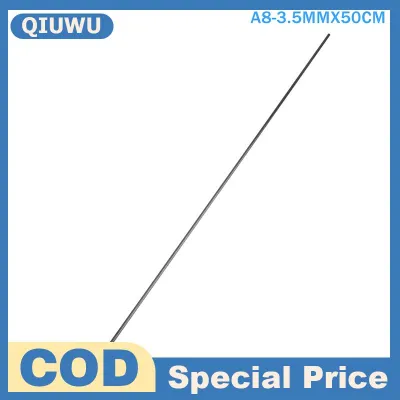
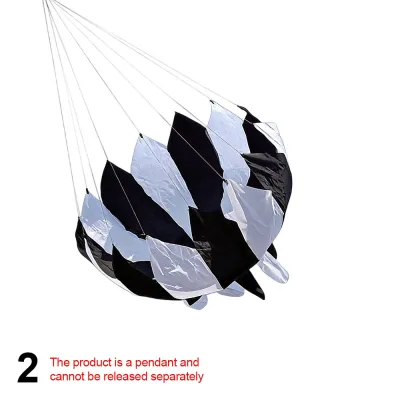
Prices are valid at publication and may change. Please refer to the product page for the latest price.
Working with raw bamboo requires a hands-on preparation process that demands patience and craftsmanship. Unlike synthetic rods that arrive perfectly uniform, bamboo must be manually split from a larger culm using a sharp blade or a dedicated splitting tool. Once split, the green inner pulp must be shaved down, leaving the strong outer rind intact. Builders must carefully sand down the natural nodes along the stick to ensure an even flex profile. Achieving a perfectly balanced kite requires weighing the left and right spars against each other and shaving away microscopic layers until both sides bend with identical resistance.
Despite its excellent flexibility, bamboo has notable vulnerabilities when exposed to the elements. Because it is an organic material, bamboo is highly susceptible to moisture absorption. In tropical climates characterized by high humidity and seasonal rains, untreated bamboo spars can absorb dampness from the air, causing them to soften, warp, or develop mold over time. If stored in a damp garage or exposed to wet grass, a once-straight bamboo stick can take on a permanent bend that ruins the kite’s flight symmetry.
Furthermore, bamboo lacks the absolute structural uniformity of manufactured synthetics. A hidden structural flaw or an improperly sanded node can create a weak point where the stick may splinter under sudden, high-velocity wind gusts. For these reasons, bamboo is best reserved for light to moderate wind conditions, historical or artistic kite projects, and family DIY activities where the hands-on building process is valued as much as the flight itself.
Fiberglass Kite Sticks: The Durable All-Rounder
Fiberglass has become the industry standard for modern recreational kites due to its outstanding durability and forgiving flight characteristics. Manufactured by pulling fine glass fibers through a liquid resin bath and curing them into solid rods or hollow tubes, fiberglass is entirely uniform from end to end. This consistency ensures that every replacement spar you purchase will perform exactly like the original, with no unexpected weak spots or uneven bending points.

The defining characteristic of a fiberglass stick for kite frames is its extreme impact resistance. When learning to fly a kite, crashes into trees, sandy beaches, or hard ground are inevitable. Fiberglass excels in these high-stress scenarios because it can bend to extreme angles without taking a permanent warp or fracturing. This high elasticity absorbs the kinetic energy of a crash, protecting both the frame and the fabric sail from tearing apart.
While highly durable, fiberglass is significantly heavier than carbon fiber. This added weight means that a fiberglass-framed kite requires a slightly stronger breeze to launch and maintain altitude. In very light winds, a heavy fiberglass frame can make the kite feel sluggish or prevent it from climbing altogether. However, for everyday family outings where wind speeds are moderate and reliable, this minor weight penalty is easily offset by the material’s resilience.
Fiberglass is also highly practical for quick repairs. Because it is widely produced in standardized metric and imperial diameters, finding a matching replacement rod at a local hobby shop or online marketplace is simple and inexpensive. It requires no special tools to cut to length—a simple fine-toothed hacksaw is sufficient—making it the ideal choice for parents fixing a child’s broken toy or casual flyers maintaining a fleet of recreational delta kites.
Carbon Fiber Kite Sticks: High Performance for Serious Flyers
Carbon fiber represents the pinnacle of modern kite framing technology, engineered specifically for pilots who demand maximum responsiveness and structural efficiency. Made from tightly woven carbon atoms bound in an epoxy matrix, carbon fiber rods and tubes offer an extraordinary strength-to-weight ratio. A carbon fiber spar can be up to 50% lighter than a fiberglass equivalent of the same stiffness, allowing the kite to fly in exceptionally light breezes where other models would immediately sink.
This extreme rigidity translates directly into aerodynamic precision. In dual-line stunt kites or quad-line sport kites, the frame must maintain its exact shape under intense wind loads to ensure instantaneous control response. When a pilot pulls a control line, a carbon fiber frame does not flex or lag; it immediately transfers that energy into a sharp turn, loop, or dive. This structural stiffness is also vital for high-wind flying, preventing the kite’s wings from collapsing inward when subjected to strong coastal updrafts.
However, carbon fiber operates under a very different failure mode than fiberglass or bamboo. While it is incredibly strong under tension and compression, it is relatively brittle when subjected to sharp, localized impacts. If a carbon fiber kite crashes nose-first onto a hard surface like a concrete seawall or packed dirt, the spars are prone to shattering or splintering into microscopic, needle-sharp fibers. These splinters can ruin the kite sail and pose a physical hazard to your hands during disassembly.
Additionally, carbon fiber is a premium material that carries a significantly higher price tag. Replacing a complete set of spars with carbon fiber can easily cost several times more than using fiberglass. For this reason, carbon fiber is typically reserved for advanced sport deltas, competitive traction kites, and experienced flyers who have mastered basic flight control and can minimize the risk of high-speed ground impacts.
How to Choose the Right Stick for Your Kite Project
Selecting the correct frame material requires evaluating your budget, your flying environment, and the specific design of your kite. To help guide your decision, the table below compares the primary characteristics of each material side by side.
| Material | Best Use Case | Flexibility Profile | Impact Durability | Relative Cost Tier |
|---|---|---|---|---|
| Bamboo | Traditional DIY, cultural crafts, light-wind artistic kites | High, natural taper, variable flex | Moderate (can splinter under high stress) | Low (₱10 – ₱50 per piece) |
| Fiberglass | Everyday recreational kites, beginners, children's toys | Very high, highly forgiving bend | Excellent (absorbs heavy crashes) | Medium (₱50 – ₱150 per piece) |
| Carbon Fiber | Stunt kites, sport deltas, low-wind precision flying | Low to moderate, extremely rigid | Low to moderate (can shatter on hard impacts) | High (₱200 – ₱600+ per piece) |
Your local flying environment should play a major role in your material selection. In coastal regions of the Philippines, such as the beaches of Boracay or the open shores of Batangas, steady and powerful sea breezes are common. In these high-wind zones, the extra weight of a fiberglass frame is easily overcome by the wind, and its impact durability will protect your investment if a sudden gust drives the kite into the sand. Conversely, if you are flying in inland city parks or open fields in Metro Manila where the wind is often light, turbulent, and blocked by buildings, a lightweight carbon fiber frame or a meticulously shaved bamboo stick will help your kite catch and stay in the lighter thermal currents.
Budget considerations also scale with your level of commitment. If you are introducing children to the hobby or building a simple diamond kite for a school project, bamboo offers a virtually free or low-cost entry point. If you need to replace a broken stick on a commercial recreational kite, fiberglass provides the best balance of cost and durability, ensuring you won’t have to perform the same repair after the next minor crash. For dedicated hobbyists looking to upgrade a stunt kite for precise tricks and low-wind performance, investing in premium carbon fiber is well worth the extra cost.
To simplify your choice, follow this straightforward decision pathway:
- Choose Bamboo if you are building a traditional kite from scratch, enjoy hand-crafting wood, and want an organic, low-cost project.
- Choose Fiberglass if you are repairing a standard family kite, teaching a beginner, or flying in areas where rough landings and crashes are highly likely.
- Choose Carbon Fiber if you are upgrading a dual-line stunt kite, need maximum rigidity for high-speed maneuvers, or want to fly in ultra-light wind conditions.
Replacing and Maintaining Kite Frame Parts
When a kite spar breaks, replacing it correctly requires careful measurement to preserve the kite’s original flight dynamics. Start by removing the broken pieces and piecing them back together to measure the exact total length. Use a pair of sliding calipers to measure the outer diameter of the broken stick, as even a half-millimeter difference can prevent the new spar from fitting into the kite’s molded plastic connectors or nose pockets.
Crucially, you must always maintain structural symmetry across the entire frame. Never mix different materials on opposing sides of a kite. For example, if you replace a broken left leading-edge spar with a stiff carbon fiber rod while leaving a flexible fiberglass rod on the right side, the kite will experience highly asymmetrical flex during flight. This imbalance will cause the kite to pull violently to one side, spin uncontrollably, or crash immediately upon launch.
Regular maintenance and safety inspections will extend the lifespan of your kite frame and prevent unexpected mid-air failures. Before launching, perform these quick material-specific checks:
- Bamboo: Inspect the wood for fine longitudinal splits, signs of dry rot, or mold growth. Run your fingers gently along the spar to check for splinters, and discard any sticks that show permanent warping.
- Fiberglass: Check for deep scratches, crushing at the ends where they insert into metal ferrules, or localized white stress marks that indicate the fiberglass resin is beginning to fatigue and fail.
- Carbon Fiber: Carefully examine the entire length for hairline cracks or splitting at the joints. Avoid running your bare fingers quickly down a damaged carbon rod, as splintered carbon fibers can easily penetrate the skin and are difficult to remove.
Proper storage is vital to protect these materials from premature degradation. In hot, humid tropical environments, store your kites in a cool, dry indoor closet rather than a damp outdoor shed or a hot car trunk. High heat can weaken the adhesives used on kite fittings and cause synthetic resins to become brittle, while excessive moisture will quickly warp natural bamboo frames. By checking your spars before each flight and storing them correctly, you can ensure your kite remains safe, stable, and ready for the next windy day.
Community discussion
Share your experience or ask a question. Comments are reviewed before publication.