
To select the ideal running vest for men, you must first pinpoint where and how you spend most of your miles. A vest is not merely an accessory; it is an extension of your running apparel that manages fluid delivery, gear storage, and body temperature. The demands of technical mountain trails in the Cordilleras are vastly different from a fast-paced speed session on a local track or a steady marathon training block through urban streets. Matching your gear to your training environment prevents unnecessary weight, reduces the risk of painful chafing, and ensures you have access to essential hydration when running in intense tropical heat.
Your running environment dictates the physical forces acting on your gear. On uneven trails, your body moves laterally and vertically, requiring a vest that anchors tightly to your torso to prevent shifting. On flat, paved roads, your movement is linear and repetitive, meaning any minor point of friction will compound over thousands of steps, making lightweight breathability your primary concern. Meanwhile, high-intensity interval training demands maximum chest expansion and completely unrestricted arm swings, which requires a highly elastic, minimalist solution.
Before evaluating specific features, use this quick self-assessment to clarify your primary training focus:
Products mentioned in this guide


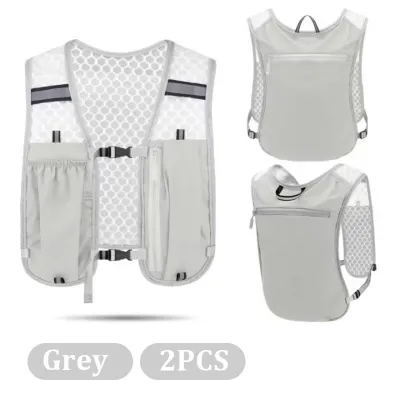
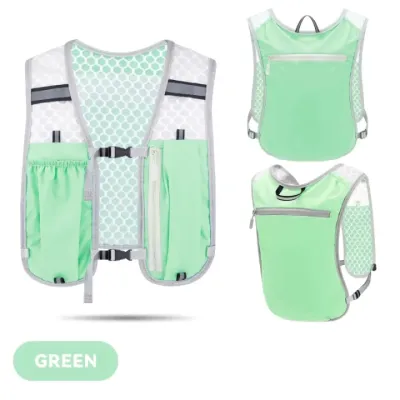
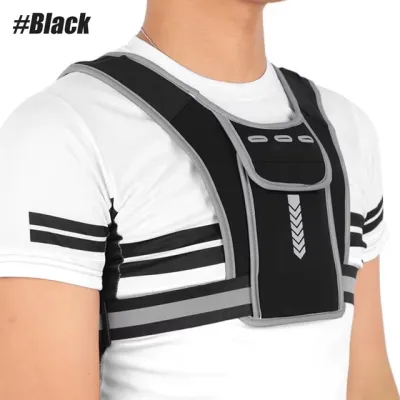
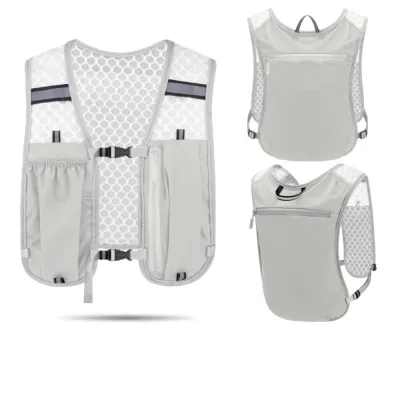
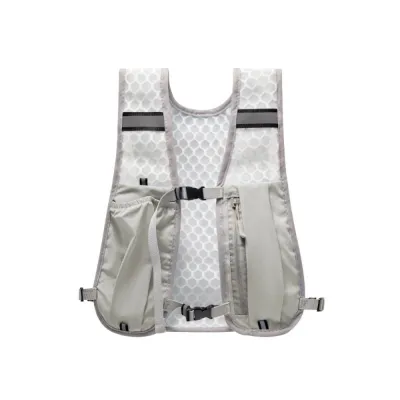
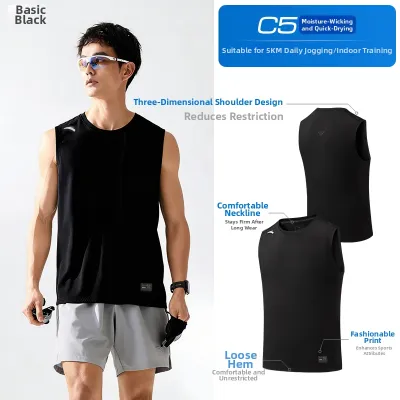
Prices are valid at publication and may change. Please refer to the product page for the latest price.
- Terrain and Surface: Do you run on technical, rocky dirt paths, flat asphalt roads, or synthetic rubber tracks?
- Average Duration: Are your runs typically under 45 minutes, between one and two hours, or extending into multi-hour endurance efforts?
- Hydration and Gear Needs: Do you require multiple liters of water, nutrition gels, and a windbreaker, or do you only need to carry a smartphone and a single car key?
Trail Running Vests: Prioritizing Stability and Gear Storage
Trail running demands self-sufficiency, especially when venturing into remote forest trails where clean water sources are nonexistent. A dedicated trail running vest for men is designed as a high-capacity utility piece that can carry fluids, nutrition, navigation tools, and emergency gear over long distances. Because trail running involves navigating steep climbs, sharp descents, and sudden changes in direction, stability is the absolute priority.
Stability and Fit To prevent a fully loaded vest from bouncing and throwing off your balance on technical descents, trail vests utilize advanced harness systems. Look for designs featuring dual adjustable sternum straps and side compression cords that allow you to fine-tune the fit as your hydration flasks empty. The vest should wrap around your ribcage like a snug waistcoat rather than hanging from your shoulders, preventing the vertical oscillation that leads to shoulder fatigue.
Storage Capacity A reliable trail vest typically offers a carrying capacity of 5 to 12 liters. This space is divided between front-facing pockets for quick-access items and a larger rear compartment. The front pockets should securely hold two 500ml soft flasks and several energy gels, allowing you to hydrate and refuel without slowing down. The rear compartment must have enough volume to store a lightweight, packable rain jacket, a basic first-aid kit, and a headlamp.
Material and Durability Because trail runners frequently brush past low-hanging branches, sharp rocks, and dense foliage, the outer fabrics of a trail vest must be highly abrasion-resistant. Look for ripstop nylon or reinforced mesh on high-wear areas. However, durability must be balanced with ventilation, particularly in hot and humid tropical climates. Premium trail vests utilize open-weave, moisture-wicking mesh on the back panel and inner shoulder straps to facilitate airflow and accelerate sweat evaporation.
What to Avoid When selecting a trail vest, avoid models with loose, dangling straps or excessively bulky, rigid buckles that can catch on trailside brush. Steer clear of vests that rely solely on a single chest strap, as they cannot prevent lateral shifting on uneven terrain. Additionally, avoid designs with deep, open pockets that lack secure closures like zippers or elastic top hems; loose items can easily bounce out when you are leaping over tree roots or navigating steep drops.
Road Running Vests: Focusing on Lightweight Breathability and Aerodynamics
Road running and marathon training require a steady, efficient rhythm over predictable, hard surfaces. When training on asphalt or concrete, you do not need to carry survival gear or heavy jackets, but you do need consistent access to hydration and personal essentials. Road running vests for men focus on minimizing weight, maximizing airflow, and keeping a low profile to reduce aerodynamic drag and heat retention during long, hot efforts on exposed roads.

Minimalist Design Road vests are designed to feel almost weightless, often weighing less than 150 grams when empty. They utilize ultra-thin, highly breathable fabrics that lie flat against your body. The goal is to eliminate any excess fabric or padding that could trap heat, which is crucial when running on hot pavement under the midday sun. By keeping the profile slim, these vests allow for natural, repetitive running mechanics without adding bulk to your chest or back.
Targeted Storage Storage on a road vest is highly targeted and streamlined. Instead of large rear compartments, these vests prioritize front and side pockets designed for specific items. You will typically find pockets tailored for two soft flasks (often 250ml to 500ml), a secure zippered pocket for a smartphone, and small elastic sleeves for keys, salt tablets, and energy gels. This ensures that everything you need for a two-hour road run is held tightly against your torso, eliminating the distracting sloshing and bouncing that can ruin your pacing.
Visibility and Climate Control Safety is a major consideration for road runners, who often share the pavement with vehicular traffic during early morning or late evening runs. Look for road vests that incorporate high-visibility reflective detailing on both the front and back panels. For running in tropical urban environments, prioritize vests made with advanced moisture-wicking mesh that draws sweat away from your skin. Fabrics treated with anti-odor technologies are also highly beneficial, as they prevent the buildup of bacteria from repeated heavy sweating.
What to Avoid Avoid heavy, rugged trail vests with excess storage capacity that you will not use. Carrying a 12-liter vest on a suburban road run adds unnecessary weight and traps a massive pocket of hot air against your back, increasing your sweat rate and accelerating dehydration. You should also avoid vests with thick, non-breathable foam padding on the shoulders, as these will quickly saturate with sweat, become heavy, and cause severe chafing along your collarbones and neck.
Interval Training Vests: Maximizing Freedom of Movement for Speedwork
Interval training, track workouts, and tempo runs push your cardiorespiratory system to its absolute limits. During these high-intensity sessions, your breathing is deep, your stride is long, and your arm swing is aggressive. Any restriction around your chest or shoulders will directly hinder your performance. An interval training vest must act like a second skin, providing the absolute minimum carriage required for safety and hydration while offering total freedom of movement.
Second-Skin Fit Vests designed for speedwork rely on highly elastic, compressive fabrics rather than complex, rigid strap systems. These materials stretch dynamically with your ribcage as you breathe heavily at maximum effort. The shoulder straps are typically cut wider and set further apart to clear your collarbones and allow your arms to swing forward and back without rubbing against the fabric. The overall fit should feel like a snug compression top, distributing the minimal weight of your gear seamlessly across your upper body.
Zero-Bounce Guarantee When you accelerate rapidly during a sprint interval, any loose gear will bounce violently, disrupting your stride and wasting energy. Interval vests achieve a zero-bounce fit by utilizing form-fitting, elasticized hems and low-profile pocket placements. By keeping the cargo flush against your center of gravity, the vest moves in perfect unison with your torso. This design eliminates the need for hard plastic buckles or adjusters that can dig into your skin or flap around during high-speed movements.
Strictly Essential Storage Storage on an interval vest is stripped down to the bare minimum. Typically, these vests feature space for a single small soft flask (250ml or less) to wet your mouth between sets, a secure pocket for your phone or car key, and perhaps a single pocket for an energy chew. Many runners use these vests primarily to carry their phone securely, preferring to leave water bottles at the side of the track. The rear of the vest is usually a single layer of ultra-breathable mesh with no storage capacity at all, ensuring maximum heat dissipation.
What to Avoid When your primary goal is speed, avoid any vest with rigid chest buckles, thick sternum straps, or loose cords. These components can whip against your chest or arms at high cadences. Do not use vests with deep, loose pockets, as a phone or keys bouncing inside an unsecured pocket will feel amplified during rapid acceleration. Finally, avoid any materials that lack multi-way stretch, as rigid fabrics will constrict your chest expansion and limit your oxygen intake during hard efforts.
Hybrid Training: Choosing a Versatile Vest for Mixed Routines
If your weekly routine is diverse—consisting of Tuesday track intervals, Thursday evening road runs, and Sunday morning trail climbs—purchasing three separate vests may not be practical. A hybrid running vest for men offers a balanced middle ground, blending the storage capabilities of a trail vest with the lightweight, breathable characteristics of a road vest. While a hybrid option will not offer the extreme specialization of a dedicated model, it provides excellent versatility for the multi-sport athlete.
Finding the Middle Ground A versatile hybrid vest typically features a modular design with a total capacity of around 3 to 5 liters. This volume is large enough to carry a lightweight windbreaker and basic nutrition for longer weekend runs, yet compact enough to compress down flat when you only need to carry a phone and a single flask for a weekday road session. The key is adaptability; the vest must perform adequately across different paces, terrains, and durations.
Expected Compromises When choosing a hybrid vest, you must accept certain trade-offs. It will be slightly heavier and warmer than a dedicated, ultra-minimalist track vest, and it will lack the massive cargo capacity and specialized trekking pole attachments of an elite ultramarathon trail vest. However, for runs under two hours on almost any surface, a well-designed hybrid vest will perform exceptionally well without feeling like a major compromise.
Versatility Checklist
- Adjustable Volume: Look for side compression cords or elastic mesh pockets that lie completely flat when empty but stretch easily to accommodate extra gear.
- Removable or Modular Straps: Vests with adjustable, removable sternum straps allow you to customize the fit based on the intensity of your run.
- Mid-Weight Breathable Fabrics: Prioritize durable mesh that can withstand occasional contact with trailside vegetation while still offering high airflow for hot road runs.
- Dual Hydration Compatibility: Ensure the vest can accommodate front soft flasks for quick road runs, with the option to add a 1.5-liter hydration bladder in the rear for longer trail adventures.
How to Fit and Test Your Running Vest Before Your First Run
An improperly fitting running vest can quickly turn an enjoyable run into a painful experience marked by chafing, bruised ribs, or shoulder strain. Taking the time to properly measure, adjust, and test your vest at home ensures optimal comfort and performance before you commit to a long training session.
Sizing for Men’s Cuts Men’s running vests are specifically patterned to accommodate broader shoulders, wider chests, and a longer torso compared to unisex or women’s models. To find your correct size, use a flexible measuring tape to measure the circumference of your chest at its widest point, typically just below the armpits. Do not rely on your standard t-shirt size, as running vest sizing varies significantly between brands. If your measurement falls between two sizes, consider whether you prefer a highly compressed, snug fit (go size down) or a slightly relaxed fit for layering (go size up).
The Jump and Swing Test Once your vest arrives, load it with the exact gear and hydration volume you plan to carry on a typical run. Fill your flasks with water, slide your phone into its designated pocket, and pack your keys. Put the vest on, adjust the straps until it feels secure, and perform the following physical checks in your living room:
- Jumping Jacks: Perform ten rapid jumping jacks. The vest should move with your torso; if it slides up toward your chin or bounces heavily against your collarbones, tighten the sternum and side straps.
- Arm Swings: Mimic an aggressive running arm swing for thirty seconds. Your inner arms should not rub against the sides of the vest or the edges of the front pockets.
- Deep Breathing: Inhale deeply, expanding your chest fully. The vest should feel snug but should not restrict your lungs from expanding to their maximum capacity.
Layering Adjustments and Safety Boundary Your vest must be adaptable to different weather conditions and clothing choices. In the tropical heat of the Philippines, you will likely wear thin, moisture-wicking singlets. However, if you travel to cooler mountainous regions, you may need to wear your vest over a light windbreaker. Practice adjusting the front tension toggles to ensure a secure fit over both a paper-thin singlet and a protective layer. Remember, if a vest pinches your skin, rubs against your neck, restricts your breathing, or bounces excessively when loaded during your home test, stop and exchange it for a different size or model rather than risking injury on the trail.
Frequently Asked Questions (FAQ)
Should I size up to wear a running vest over a jacket?
You should generally size your running vest based on your standard running top or singlet rather than sizing up to accommodate a jacket. Modern running vests for men are constructed with highly elastic materials and feature adjustable front sternum straps and side compression systems designed to expand. Sizing up will often result in a vest that is too large when worn over a thin summer singlet, leading to excessive bouncing, shifting, and severe chafing. Instead, select your true size and utilize the built-in adjustment toggles to loosen the vest slightly when wearing it over a thin windbreaker or rain shell.
How do I prevent chafing from my running vest in humid weather?
Preventing chafing in hot, humid climates requires a combination of proper fit, skin protection, and regular gear maintenance. First, apply a generous layer of silicone-based anti-chafe balm to high-friction zones, such as your lower ribs, collarbones, and underarms, before every run. Second, ensure your vest is adjusted snugly; friction occurs when fabric is loose enough to rub repeatedly against your skin. Finally, wash your vest regularly according to the manufacturer’s care label. Dried sweat leaves sharp salt crystals embedded in the mesh fabric, which act like sandpaper against your skin during your next run.
Community discussion
Share your experience or ask a question. Comments are reviewed before publication.