
Finding the right mini basketball hoop for your home in the Philippines requires balancing your personal playing goals with the physical realities of your living space. Whether you reside in a compact high-rise condominium in Metro Manila, a rented apartment, or a spacious suburban house with a covered carport, the ideal setup must fit your walls, doors, and lifestyle. Choosing the wrong type can lead to damaged paint, cracked door frames, or a rusted rim after just one rainy season.
To make the right choice, you must first evaluate your installation constraints. If you live in a rental property or have limited space, an over-the-door model provides an instant, drill-free setup that can be moved easily. For those who own their home and want a more permanent, high-energy playing experience, a wall-mounted unit installed on a concrete patio or garage wall offers superior stability. Meanwhile, freestanding toddler hoops are the safest and most flexible option for young children, allowing you to move the game from the living room to the driveway as the weather permits.
By focusing on material quality, weather resistance, and mounting safety, you can find a mini basketball hoop that delivers years of active fun without compromising your home’s structure. The following sections break down the essential durability checks, installation methods, and maintenance steps tailored to the unique climate and housing conditions in the Philippines.
Products mentioned in this guide
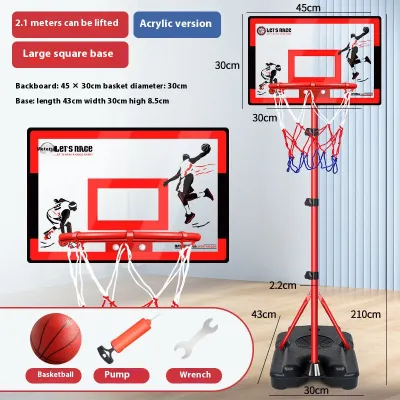
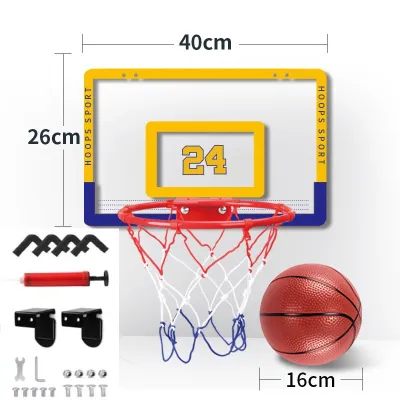
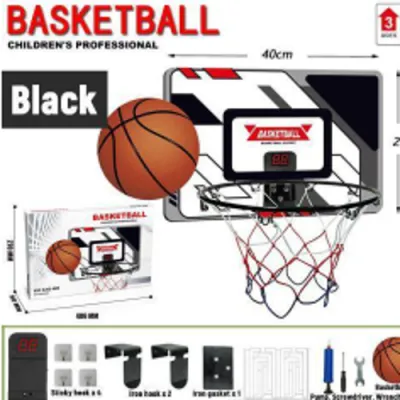
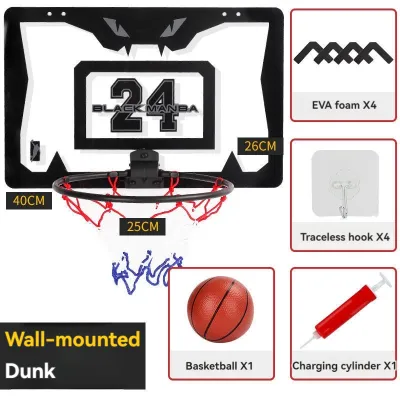
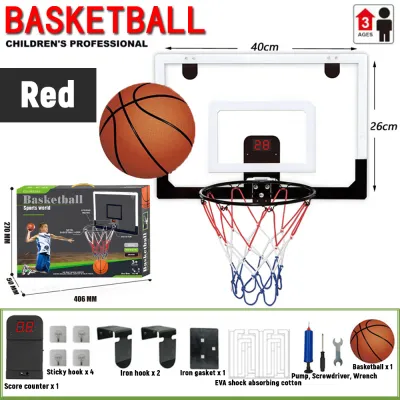
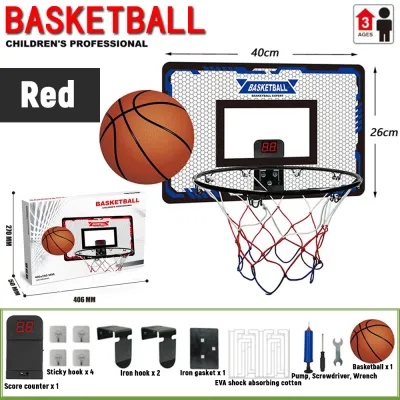
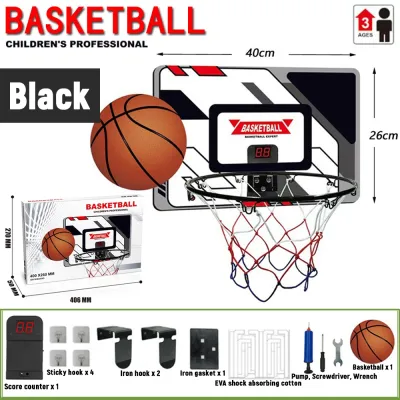
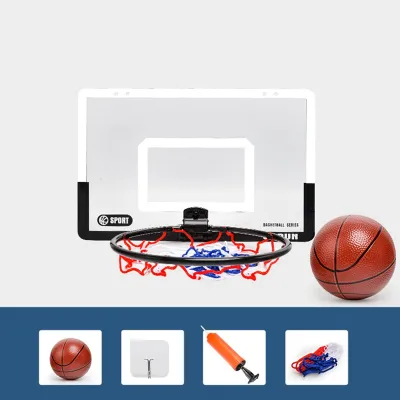
Prices are valid at publication and may change. Please refer to the product page for the latest price.
Key Durability and Material Checks Before Buying
Before purchasing a mini basketball hoop, you must look closely at the materials used in its construction. The Philippine climate presents specific challenges, including high relative humidity, intense tropical sunlight, and heavy seasonal rainfall during the monsoon months. Standard indoor toys often degrade quickly when exposed to these conditions, making it crucial to verify the specifications of the backboard, rim, and mounting components.
Backboard Material Options
Backboards for mini hoops are typically made from one of three materials, each offering distinct performance characteristics and environmental resistance:
- Polycarbonate: Often marketed as shatterproof, polycarbonate is highly impact-resistant and flexible. It can withstand hard shots and accidental dunks without cracking. This material is excellent for outdoor patios and carports because it handles temperature fluctuations well, though cheap polycarbonate may yellow slightly over years of direct sunlight exposure.
- Acrylic: Acrylic backboards offer a stiffer, more professional rebound that closely mimics a regulation glass backboard. They look premium and clean, making them ideal for indoor bedrooms or office setups. However, acrylic is more brittle than polycarbonate and can crack under extreme impact or if dropped during installation.
- Steel or Mesh: Some budget-friendly or heavy-duty outdoor mini hoops feature solid steel or steel mesh backboards. While virtually indestructible in terms of cracking, they are prone to denting if struck by heavy objects and will rust rapidly if the protective paint layer is scratched or chipped.
Rim and Net Construction
Because the rim and net experience the most direct friction and impact, their construction determines the overall lifespan of your hoop. Look for a rim made of solid steel rather than hollow tubing or plastic. To prevent rust in humid environments, verify that the steel is powder-coated or treated with a rust-resistant finish.
Additionally, consider the type of rim mounting system. A spring-action breakaway rim is highly recommended for older kids and adults. The spring absorbs the kinetic energy of a shot or a light dunk, protecting the backboard from cracking and reducing the physical stress transferred to your door or wall. Rigid, non-spring rims are acceptable for toddlers but can easily bend or tear out of the backboard if subjected to aggressive play.
For the net, standard nylon is the most common material and works perfectly indoors. However, if your hoop will be placed on an open patio or near a window with direct sun exposure, standard nylon will dry out, become brittle, and tear within a few months. For outdoor setups, look for heavy-duty, UV-treated polyester nets or weather-resistant synthetic fiber nets that resist moisture absorption and rot.
Mounting Hardware and Protection
When evaluating a mini hoop, inspect the included mounting hardware. For over-the-door models, the brackets must be made of heavy-gauge steel to prevent bending under pressure. More importantly, these brackets must feature thick, high-density EVA foam padding on the back and inside channels. This padding serves a dual purpose: it protects your wooden door frames from scratches and dampens the vibrations and loud banging noises generated during play.
For wall-mounted hoops, look for kits that include robust mounting brackets and a variety of wall anchors. Because concrete hollow blocks (CHB) are the standard construction material for exterior and partition walls in Philippine homes, standard wood screws will not suffice. You will need to verify if the kit includes expansion bolts or sleeve anchors suitable for masonry installations, which provide the grip necessary to hold the hoop securely against a concrete surface.
Recommended Mini Hoop Types for Different Home Setups
To find the best mini basketball hoop for your household, you must match the hoop’s design to your specific living arrangement. Different setups require different levels of installation effort, space, and structural support.

Over-the-Door Hoops: Best for Renters and Small Rooms
Over-the-door mini hoops are the most popular choice for bedrooms, dormitories, and rented apartments where drilling holes into walls is prohibited. These units hang directly over the top of standard interior doors, allowing you to set up a functional court in seconds without any permanent modifications to the property.
When choosing an over-the-door model, you must measure your door’s dimensions carefully. Standard interior doors in the Philippines typically range from 3.5 to 4.5 centimeters in thickness. Ensure the bracket width of the hoop matches this thickness; if the bracket is too wide, the hoop will slide and wobble every time the ball hits the rim. You also need to check the clearance at the top of the door frame. Most over-the-door brackets require a gap of at least 2 to 3 millimeters between the top of the door and the frame to allow the door to close fully while the hoop is mounted.
While highly convenient, over-the-door hoops have clear limitations. They are designed for lightweight play using mini rubber or foam basketballs. They are not built to support the body weight of a player, so hanging on the rim or attempting aggressive dunks can easily splinter a wooden door, warp the door hinges, or pull the entire door off its frame. Noise is another factor to keep in mind, especially in shared living spaces or apartments. Even with high-quality foam padding, the impact of a ball against the backboard will create a dull thudding sound that can travel through the wall.
Wall-Mounted Hoops: Best for Stability and Outdoor Patios
If you own your home and want a highly stable, authentic shooting experience, a wall-mounted mini hoop is the superior choice. These hoops are designed to be bolted directly to a flat wall surface, making them ideal for carports, covered garages, concrete patios, or spacious playrooms. Because they are anchored directly to the building’s structure, they offer a much firmer rebound and can handle more intense play from older children and adults.
Installing a wall-mounted hoop requires a solid understanding of your home’s wall construction. Most residential walls in the Philippines are made of concrete hollow blocks finished with plaster. To mount a hoop safely on this surface, you must use heavy-duty sleeve anchors or expansion bolts that expand inside the hollow core of the block to create a tight, permanent grip. Mounting a hoop on a thin drywall or fiber cement board (such as HardieFlex) partition without securing it to the internal wooden or metal studs will cause the wall to sag, crack, or fail entirely under the weight and vibration of play.
For outdoor installations, weatherproofing is your primary concern. Ensure the backboard is made of UV-stabilized polycarbonate that will not turn yellow or brittle under the intense tropical sun. The steel frame, rim, and mounting brackets must feature a thick layer of outdoor-grade powder coating to prevent moisture from reaching the raw metal, which leads to rapid rusting during the humid rainy season.
Freestanding and Toddler Hoops: Best for Young Kids and Flexible Play
For families with toddlers and preschool-aged children, freestanding mini hoops offer the safest and most adaptable introduction to basketball. These units consist of a plastic backboard and rim mounted on an adjustable pole, supported by a hollow plastic base that can be filled with ballast for stability. Because they do not rely on doors or walls for support, you can easily move them between the living room, the backyard, or a covered garage depending on the weather.
To ensure safe play, the base of a freestanding hoop must be weighted properly. Most manufacturers recommend filling the base with either water or dry sand. While water is easier to fill and drain, it has several drawbacks in a tropical climate. If the plastic base develops a hairline crack from sun exposure, water will slowly leak out, leaving the hoop top-heavy and prone to tipping over. Additionally, standing water inside a dark plastic base can become a breeding ground for algae. Dry sand is significantly heavier than water, providing superior stability against high winds and rough play, and it will not leak out of minor cracks.
When using freestanding hoops outdoors, keep in mind that prolonged exposure to direct tropical sunlight can degrade standard plastics, causing them to fade, warp, or crack. To maximize the lifespan of a toddler hoop, look for models with UV-resistant labels, or make a habit of storing the unit under a covered porch, carport, or inside the house when it is not in use. This simple step protects the plastic components and keeps the colors vibrant for years.
Safe Installation and Maintenance for Philippine Homes
Proper installation and regular maintenance are essential to keep your mini basketball hoop safe to use and to protect your home from unnecessary damage. By taking a few practical precautions, you can prevent structural accidents and extend the life of your equipment.
Door Mount Safety
Before hanging an over-the-door hoop, inspect the condition of the door and its frame. Avoid mounting hoops on hollow-core doors made of thin plywood veneers, as the repeated impact of the ball can cause the face of the door to crack or puncture over time. Solid wood doors or heavy-duty composite doors are much better suited to handle the vibrations.
Never mount a mini hoop on glass-paneled doors or doors adjacent to large windows or glass sliding doors. A missed shot or a wild bounce can easily send a hard mini ball into the glass, causing dangerous shattering. Additionally, remind players never to hang on the rim or pull down on the backboard, as this concentrates extreme leverage on the top door hinges, which can strip the screws or warp the frame, preventing the door from closing properly.
Wall Drilling Precautions
When installing a wall-mounted hoop on a concrete or masonry wall, safety must be your top priority. Before you begin drilling, use a stud finder with a metal and AC wire detection feature, or consult your home’s architectural plans to locate hidden electrical conduits and water pipes. In Philippine construction, electrical wires are typically run inside PVC pipes embedded directly in the concrete walls, while water lines for outdoor faucets or adjacent bathrooms may run through the same areas.
If you are drilling into concrete hollow blocks, use a hammer drill equipped with a high-quality masonry drill bit that matches the diameter of your expansion anchors. Drill slowly and steadily to avoid blowing out the back of the hollow block, which reduces the anchor’s holding power. If you are unsure about the load-bearing capacity of the wall or do not have the necessary tools, it is highly recommended to hire a local handyman or contractor to perform the installation safely.
Humidity and Rust Maintenance
The high humidity and salt-laden air in coastal areas of the Philippines can accelerate rust on any steel components of your mini hoop. To prevent corrosion, perform a quick visual inspection of your hoop every few months, especially if it is installed in a semi-outdoor area like a carport or covered patio.
If you notice early signs of rust, such as bubbling paint or orange discoloration on the rim or mounting brackets, take action immediately to prevent it from spreading:
- Clean the area: Use a wire brush or fine-grit sandpaper to gently scrape away the loose rust and flaking paint until you reach bare, shiny metal.
- Wipe down: Clean the metal surface with a damp cloth to remove any dust or debris, then let it dry completely.
- Apply protection: Paint the exposed metal with a rust-inhibiting primer, followed by a coat of outdoor-grade gloss paint. Alternatively, you can apply a light, manufacturer-approved protective spray or anti-corrosion coating to non-painted moving parts like springs.
- Lubricate springs: If your hoop features a breakaway spring, apply a small drop of multi-purpose machine oil or silicone lubricant to the spring coil annually to keep it operating smoothly and quietly.
Quick Comparison: Hoop Types vs. Player Needs
To help you quickly identify the right category of mini basketball hoop for your household, use the comparison table below to match your space, installation capability, and target players.
| Hoop Type | Best For (Target User/Space) | Installation Effort | Key Durability Check | Space Requirement |
|---|---|---|---|---|
| Over-the-Door | Renters, students, bedroom play, light recreational shooting | Very Low (No tools required; hangs on standard doors) | Thick EVA foam padding on brackets; steel breakaway rim | Minimal; requires standard door clearance |
| Wall-Mounted | Homeowners, older kids, active adults, carports, concrete patios | High (Requires masonry drilling, wall anchors, and leveling) | UV-protected polycarbonate backboard; powder-coated steel | Moderate; requires solid concrete wall space |
| Freestanding | Toddlers, young children, flexible indoor/outdoor play | Medium (Assembly required; base must be filled with sand/water) | UV-resistant plastic; leak-proof base construction | High floor space; requires flat ground for stability |
Frequently Asked Questions (FAQ)
Can I use an indoor mini hoop outside in the rain?
No, you should not leave a standard indoor mini hoop outside in the rain. Indoor models typically feature acrylic backboards, standard steel hardware without heavy-duty weatherproofing, and basic nylon nets. When exposed to rain and high humidity, the steel components will rust rapidly, the nylon net will rot and tear, and the acrylic backboard can warp or degrade under constant UV exposure. If you plan to use a hoop outdoors, always check the manufacturer’s specifications to ensure it is explicitly rated for outdoor use, or store the hoop indoors when not playing.
What size basketball should I use with a mini hoop?
Most mini basketball hoops are designed specifically for size 1, 1.5, or size 3 mini basketballs, which typically measure between 13 to 18 centimeters in diameter. These balls are usually made of lightweight rubber, inflatable PVC, or soft foam to minimize noise and prevent damage to household items. You must never use a standard size 7 regulation basketball on a mini hoop. A regulation ball is too heavy and large; attempting to shoot or dunk with it can easily warp the steel rim, crack the polycarbonate backboard, pull the mounting brackets out of the wall, or void your product warranty.
How do I prevent the door mount from scratching my wooden door?
To protect your wooden door from scratches and dents, ensure that the metal mounting brackets have intact, high-density foam or rubber padding on all contact points before hanging the hoop. If the factory padding wears down or peels off over time, you can easily replace it by applying adhesive-backed felt strips, weather-stripping foam tape, or a small piece of a cut-up rubber yoga mat to the inside of the brackets. Additionally, avoid slamming the door while the hoop is mounted, and refrain from hanging heavy items on the same door to prevent structural warping.
Community discussion
Share your experience or ask a question. Comments are reviewed before publication.