
For a beginner stepping onto the baseball diamond for the first time, selecting the right glove can determine whether the sport becomes a lifelong passion or a source of early frustration. Mizuno baseball gloves, particularly series like the Prospect and Franchise, are widely regarded as some of the most suitable options for beginners because they prioritize immediate flexibility, lightweight comfort, and forgiving pocket designs. Unlike stiff, professional-grade gloves that require weeks of intense physical break-in, these entry-level models allow new players to focus on mastering fundamental catching and throwing mechanics from day one. Choosing the ideal glove requires balancing the player’s age, field position, hand size, and the local climate, especially when playing in warm, humid environments.
Why Mizuno Designs Work Well for New Players
Traditional baseball gloves are constructed from thick, rigid steerhide designed to withstand the high-impact forces of professional play. For a beginner, however, this rigidity presents a significant physical barrier. New players often lack the hand strength and coordination required to squeeze a stiff glove shut, leading to dropped balls, hand fatigue, and a general sense of discouragement. When a glove resists the natural closing motion of the hand, the player is forced to fight the equipment rather than focusing on the incoming ball. This struggle often results in improper catching form, such as using two hands prematurely or turning the head away from the ball out of fear.
Mizuno addresses these common beginner pain points by engineering gloves that emphasize immediate playability and ease of use. Instead of requiring an arduous break-in process, Mizuno’s entry-level lines utilize pre-oiled, soft leathers and highly flexible synthetic backings. These materials are selected to offer a “game-ready” feel straight off the retail shelf. By reducing the physical effort needed to close the glove, players can develop proper hand-eye coordination and build confidence when catching high-velocity throws or ground balls.
Products mentioned in this guide
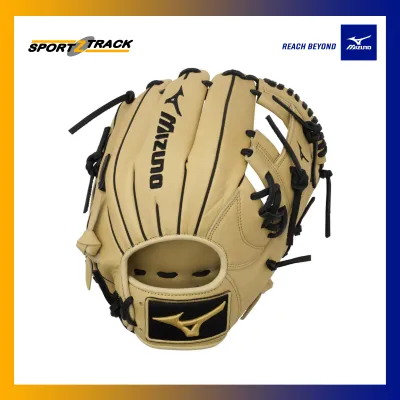
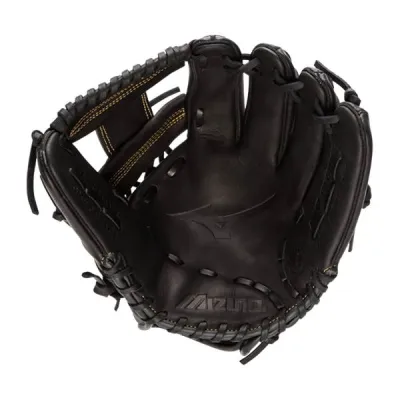
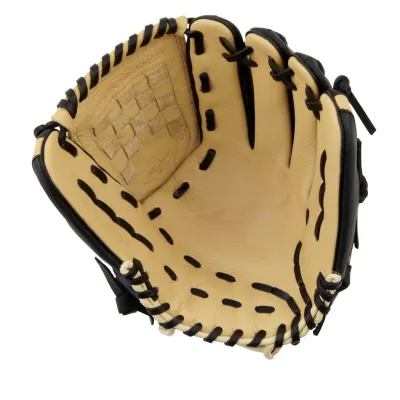
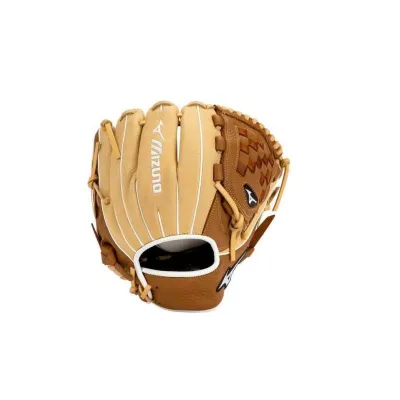
![[Boutique Baseball] Mizuno Global Elite junior soft cowhide baseball glove L](https://img.lazcdn.com/g/p/860f06bfeb9aad96a75dd3251c69fb63.jpg_400x400q80.jpg_.webp)
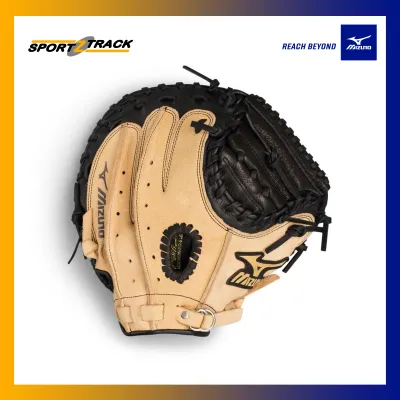
![[Boutique Baseball] Hard pitcher gloves in calf leather for Mizuno Pro American professional stars](https://img.lazcdn.com/g/p/4a321828b5c50cd972f91c8e8e0e65b4.jpg_400x400q80.jpg_.webp)
Prices are valid at publication and may change. Please refer to the product page for the latest price.
Furthermore, Mizuno incorporates specialized structural designs to assist developing hands. Many of their youth and beginner models feature patented hinge systems and flex notches near the heel of the glove. These design elements create a natural pivot point, allowing even very young players with limited grip strength to close the pocket securely around the ball. By prioritizing lightweight construction and ergonomic flexibility, Mizuno ensures that the glove acts as an extension of the player’s hand rather than a heavy, awkward obstacle.
Essential Features to Look for in a Beginner Glove
Understanding the structural components of a baseball glove helps first-time buyers make an informed decision that aligns with their physical needs and playing style.

Leather Types and Materials
The choice of material directly impacts the glove’s break-in time, weight, and overall durability. Beginners should understand the trade-offs between the three primary options:
- Synthetic Materials: Often used in entry-level youth gloves, synthetic leather is exceptionally lightweight, highly affordable, and requires virtually zero break-in time. However, synthetic gloves do not form a custom pocket over time and tend to wear out much faster than genuine leather.
- Cowhide: This is the standard material for intermediate and beginner adult gloves. Cowhide is softer and lighter than steerhide, making it much easier to break in while still providing the classic feel, shape retention, and durability of genuine leather.
- Steerhide: Premium, heavy-duty leather used in professional gloves. While highly durable and capable of holding its shape for years, steerhide is incredibly stiff and requires an extensive, physically demanding break-in period, making it generally unsuitable for absolute beginners.
Webbing Patterns and Pocket Depth
The webbing is the woven leather section between the thumb and index finger that secures the ball. Webbing patterns generally fall into two categories:
- Closed Webs: Featuring solid leather panels (such as basket or solid webs), closed designs are favored by pitchers to hide their finger grip on the ball from batters. They also provide a deep, secure pocket that is highly forgiving for beginners who are still learning to center the ball in the glove.
- Open Webs: Utilizing patterns like the I-web, H-web, or Trapeze, open webs allow dirt and debris to fall through easily, which is highly beneficial for infielders who need to make quick transfers. Open webs also offer better visibility when tracking high fly balls in the outfield.
Closure Technologies and Hinge Designs
To assist players with smaller hands or developing grip strength, look for gloves equipped with specialized closure systems. Mizuno’s proprietary PowerClose technology, for example, features a distinct V-shaped notch at the hinge of the glove. This design reduces the resistance of the leather, allowing the glove to close easily along the correct seam. Other flex-notch designs perform a similar function by removing bulk from the heel of the glove, ensuring that the closing motion remains fluid and natural.
Padding and Linings
Catching a baseball can cause a painful stinging sensation in the palm, especially when the ball is caught outside the pocket or during cold weather. This sting is a major deterrent for beginners and can lead to a fear of catching the ball. Effective palm padding is essential to absorb and disperse this impact energy. Look for gloves that feature extra cushioned palm pads or shock-absorbing linings. These protective layers shield the hand from impact, allowing the player to practice catching with confidence and without discomfort.
Sizing and Position Guide for First-Time Buyers
A common mistake among first-time buyers is purchasing a glove that is too large, under the assumption that a bigger glove provides a larger target to catch the ball. In reality, an oversized glove is heavy, difficult to control, and hinders the development of proper fielding mechanics. Glove sizing is measured from the tip of the index finger, down along the inside pocket, to the very bottom of the heel. A proper fit ensures that the player’s fingers reach the ends of the finger stalls, allowing for maximum leverage and control.
Infield and Pitcher Gloves
Infielders require gloves that facilitate rapid ball retrieval and quick transfers to the throwing hand. For teens and adult beginners, infield gloves typically range from 11 to 11.75 inches. These gloves feature shallower pockets and open webbing patterns, such as the classic I-web or H-web. The shallow pocket prevents the ball from getting “lost” in the glove, allowing the player to transition from catching to throwing in a single, fluid motion. Pitchers often use a similar size range but opt for a closed basket web to conceal their pitches.
Outfield Gloves
Outfielders must cover vast areas of the field and secure high-velocity fly balls. To maximize their reach, outfielders use larger gloves, typically ranging from 12 to 12.75 inches for adults. These gloves feature deep pockets and reinforced open webs, such as the H-web or Trapeze web. The deeper pocket is designed to securely trap the ball during running catches and prevent it from jarring loose upon impact with the ground. Additionally, the open webbing allows the player to look through the glove to track high fly balls while shielding their eyes from the sun.
Catcher's Mitts
Catcher’s mitts are structurally distinct from standard fielding gloves. They do not feature individual finger stalls; instead, they are heavily padded, mitten-like designs engineered specifically to withstand the repetitive, high-velocity impact of pitches. For youth catchers, mitts are typically measured by circumference (usually 31.5 to 32.5 inches), while adult beginner mitts range from 32.5 to 34 inches. When choosing a catcher’s mitt, prioritize a secure, adjustable wrist strap to prevent the mitt from slipping off the hand during high-impact catches.
Mizuno Glove Series to Consider for Entry-Level Players
When browsing authorized sports retailers or online marketplaces, look for specific Mizuno series names and “game-ready” product tags. Mizuno categorizes their gloves to target specific age groups and skill levels, ensuring that beginners can easily identify a model that matches their physical development. Broadly speaking, entry-level synthetic and youth models range from ₱2,500 to ₱5,000, while adult leather beginner series can range from ₱5,000 to ₱9,000.
Youth and Child Entry-Level Series
For young players just starting their baseball journey, the Mizuno Prospect Series is highly recommended. This series is specifically engineered for youth players with smaller hands and developing grip strength.
- Key Features: The Prospect series incorporates Mizuno's PowerClose technology, making it incredibly easy for young children to squeeze the glove shut. They are constructed with soft, lightweight materials that reduce hand fatigue during long practices.
- Sizing and Fit: These gloves feature smaller, narrower finger stalls and an adjustable wrist closure to ensure a snug, secure fit on smaller hands.
- Verification: Always verify the intended age and hand size by checking the manufacturer's official size chart on the retailer's product page before purchasing.
Teen and Adult Beginner Series
Older beginners, high school players, or recreational adult league players require standard adult sizing but still benefit from a forgiving, easy-to-use design. The Mizuno Franchise Series and Mizuno MVP Prime Series are excellent choices for this demographic.
- Key Features: The Franchise series is constructed from pre-oiled Java Leather, which is highly durable yet remarkably soft and flexible. It offers a comfortable, game-ready feel with minimal break-in time required.
- Structure: These gloves feature comfortable hand slots designed for adult hand structures, combined with parashock palm pads to reduce ball sting.
- Verification: Check the product label or description to ensure the model is designated as "game-ready" or "pre-broken-in," which indicates that the glove will require very little manual softening before it can be used in a game.
Safe Break-In and Maintenance for Humid Climates
Proper care and maintenance are essential to preserve the shape, structural integrity, and leather health of your baseball glove. This is particularly critical in tropical, high-humidity climates like the Philippines, where moisture and heat can rapidly degrade leather if not managed correctly.
Safe Break-In Methods
The safest and most effective way to break in a new leather glove is through natural use.
- Play Catch: Regularly playing catch is the best method, as it allows the pocket to form naturally around your specific catching style and hand shape.
- Use a Glove Mallet: Gently strike the pocket and the hinge points of the glove with a wooden glove mallet to soften the leather and shape the pocket.
- Wrap the Glove: Place a baseball or softball inside the pocket, close the glove around it, and wrap it securely with a large rubber band or a glove wrap overnight to help the glove retain its natural pocket shape.
What to Avoid
Avoid destructive shortcuts that promise instant softness but permanently damage the leather fibers and void the manufacturer’s warranty.
- Never microwave or bake the glove: Extreme heat dries out the leather, melts the internal adhesives, and makes the laces brittle and prone to snapping.
- Never soak the glove in water: Excess water saturates the internal padding, causing it to rot, lose its shape, and become excessively heavy.
- Avoid heavy oils: Applying excessive amounts of heavy oils or petroleum-based products will weigh down the glove, clog the leather pores, and cause the leather to deteriorate prematurely.
Humidity and Storage in Tropical Climates
High humidity levels can easily lead to mold and mildew growth on genuine leather gloves.
- Storage: Always store your glove in a cool, dry, well-ventilated indoor space. Never leave your glove inside a hot car trunk, a damp gear bag, or in direct sunlight, as extreme heat and trapped moisture will warp the leather and dry out its natural oils.
- Moisture Control: Place a few silica gel packets inside your glove bag or directly inside the glove's hand slot when storing it for extended periods to absorb excess ambient moisture.
- Drying: If your glove becomes wet from rain or sweat during a game, wipe it down immediately with a clean, dry cloth. Allow it to air dry naturally in a well-ventilated indoor area away from direct heat sources.
Routine Cleaning and Conditioning
Keep your glove clean to prevent dirt and sweat from causing abrasive wear on the leather.
- Wipe Down: After every game or practice, use a dry or slightly damp microfiber cloth to wipe away dirt, dust, and sweat from the surface and interior of the glove.
- Conditioning: When the leather begins to feel dry or stiff, apply a very small, dime-sized amount of manufacturer-approved leather conditioner. Work it gently into the leather using a soft cloth, focusing on the pocket and the fingers. Avoid over-conditioning, as too much product will make the glove heavy and floppy.
- Safety Check: Before applying any conditioner or treatment, check the manufacturer's care instructions on the product label. If instructions conflict or the material is unidentified, consult a professional leather technician or the manufacturer directly.
Frequently Asked Questions (FAQ)
Can a beginner use an adult-sized professional glove?
While it is physically possible, using a professional-grade glove (such as those made from stiff steerhide) is highly discouraged for beginners. Professional gloves are designed to be extremely rigid so that players can shape them precisely over months of intense use. For a beginner, this extreme stiffness makes it incredibly difficult to squeeze the glove shut, leading to dropped balls, hand fatigue, and frustration. Additionally, professional gloves are significantly more expensive, making them a risky investment before a player has committed to the sport.
How do I know if the glove is too stiff for a child?
A simple physical test can determine if a glove is too stiff for a young player. Have the child put the glove on and attempt to squeeze it completely shut using only one hand. If the child must use their other hand to force it closed, or if they complain of hand strain and fatigue after just a few minutes of catching, the glove is too stiff. For youth players, look for highly flexible, pre-broken-in models or synthetic options that allow immediate, effortless closure.
Is a synthetic leather glove better for a first-time player?
Synthetic leather gloves are excellent options for very young children (ages 4 to 7) or casual, recreational players who only play occasionally. They are lightweight, highly affordable, and require absolutely no break-in time. However, the trade-off is durability. Synthetic materials cannot withstand the high-velocity impacts of older youth or adult play, and they do not form a custom pocket over time. For older beginners or those planning to play competitively, a soft, genuine cowhide glove is a much better long-term investment.
Community discussion
Share your experience or ask a question. Comments are reviewed before publication.