
Selecting the right motorized scooter for elderly riders in the Philippines requires a careful balance of personal physical capabilities, safety engineering, and local environmental conditions. As urban spaces and residential subdivisions in the Philippines continue to develop, personal mobility vehicles have become vital tools for maintaining independence. These scooters allow senior citizens to perform daily errands, visit local community centers, and enjoy outdoor spaces without relying constantly on family members or public transport. However, because physical strength, balance, and reflexes vary naturally with age, finding a suitable model is not a one-size-fits-all decision.
To make an informed choice, buyers must evaluate how a scooter’s design aligns with the user’s daily routine, physical comfort, and safety requirements. A successful purchase depends on understanding key mechanical features, comparing different wheel configurations, and verifying that local after-sales support is available to handle maintenance. By focusing on these practical factors, families can select a mobility aid that enhances freedom of movement while minimizing safety risks.
Quick Guide to Choosing a Motorized Scooter for Seniors
When evaluating a motorized scooter for an elderly user, the primary criteria must always center on stability, intuitive controls, and physical comfort. A high-quality mobility scooter should feel secure from the moment the user sits down to the moment they dismount. This means the vehicle must resist tipping, remain easy to steer even for those with limited hand strength, and provide supportive seating that prevents fatigue during extended use.
Products mentioned in this guide
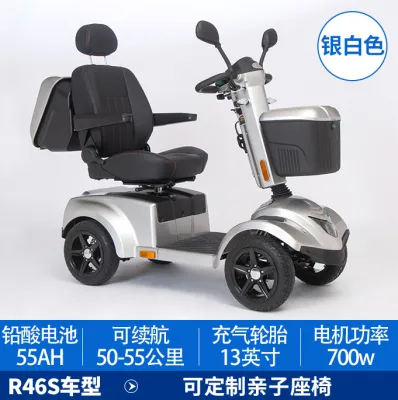
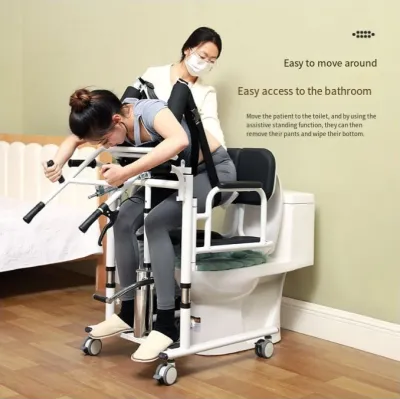
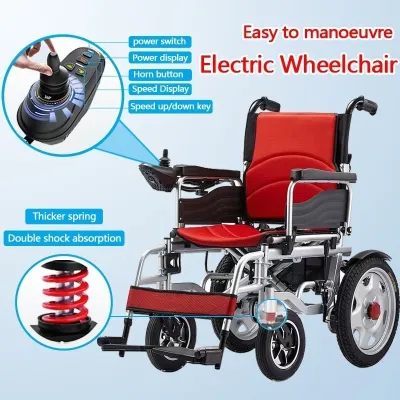
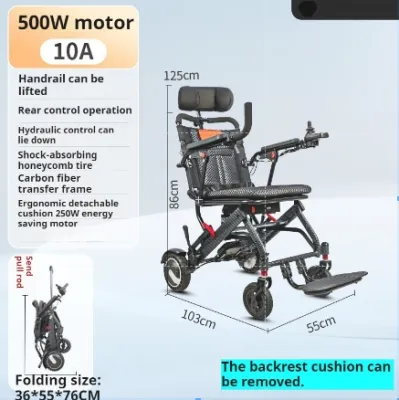
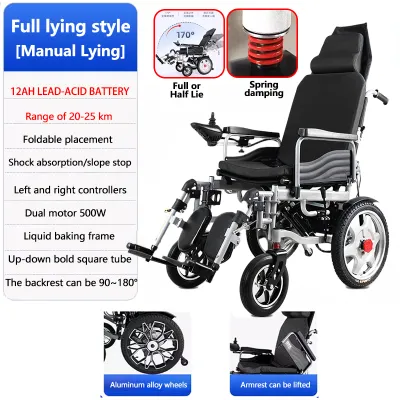
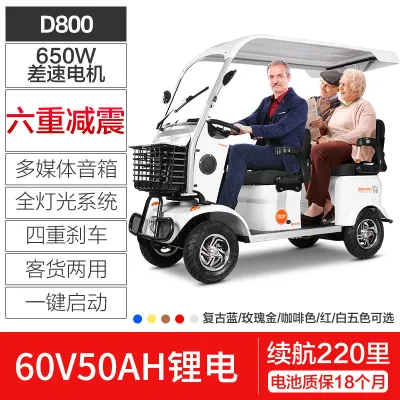
Prices are valid at publication and may change. Please refer to the product page for the latest price.
It is important to recognize that the ideal scooter model is highly subjective. A lightweight, compact scooter might be perfect for a senior who primarily visits air-conditioned shopping malls or travels frequently by car. Conversely, that same model may prove uncomfortable or even unsafe for a user who needs to traverse uneven barangay roads, cracked pavements, or steep driveway ramps. Daily travel distance, local terrain, and the rider’s overall physical mobility must all be factored into the decision.
To navigate the buying process systematically, families should follow a clear decision path:
- Assess physical needs: Determine the rider's core strength, balance, and hand coordination to establish the required level of physical support and control simplicity.
- Identify the primary environment: Decide whether the scooter will be used mostly indoors, outdoors on paved paths, or on rougher neighborhood roads.
- Choose the wheel configuration: Compare the maneuverability of three-wheel models with the enhanced stability of four-wheel designs.
- Select the scooter class: Match the user's lifestyle to either a portable travel scooter or a larger, heavy-duty model.
- Verify local support: Confirm that the seller provides reliable warranties and has spare parts available within the Philippines.
Essential Features for Safety, Comfort, and Ease of Use
To ensure a motorized scooter is truly safe and comfortable for an elderly rider, buyers must look closely at specific engineering details. These features directly impact how the vehicle handles physical obstacles, how easily it can be controlled, and how well it protects the rider from physical strain.

Stability and Braking Systems
Overall stability is the foundation of senior mobility safety. Motorized scooters designed for elderly users should feature a low center of gravity, which is typically achieved by placing the heavy battery pack beneath the floorboard. This design choice stabilizes the chassis and reduces the risk of tipping when turning or navigating slight inclines.
Additionally, look for models equipped with rear anti-tip wheels. These small, auxiliary wheels extend slightly from the back of the frame, preventing the scooter from tipping backward if the rider accelerates up a steep ramp or driveway.
For braking, electromagnetic braking systems are highly recommended for elderly riders. Unlike manual hand brakes that require strong grip strength, electromagnetic brakes engage automatically as soon as the rider releases the throttle lever. This fail-safe mechanism ensures the scooter comes to a smooth, complete stop even on slopes, providing peace of mind for users who may have slower reaction times or weaker hands.
Seating, Suspension, and Ergonomics
Physical comfort is directly tied to safety; a tired or uncomfortable rider is less alert to potential hazards. The scooter’s seat should be wide, well-padded, and contoured to support the lower back. A swivel seat mechanism is highly beneficial, as it allows the seat to rotate 90 degrees to either side. This enables the user to mount and dismount the scooter safely from the side without having to twist their hips or step awkwardly over the floorboard.
Adjustability is another critical factor in preventing physical strain. The steering column, often called the tiller, should be adjustable in angle so the rider can position the controls comfortably without stretching their arms or slouching. Flip-up armrests are also essential, as they make lateral transfers easier and can be adjusted in width to accommodate different body types.
To handle the uneven surfaces common on Philippine sidewalks and subdivision roads, look for scooters with built-in suspension systems. Even a basic front and rear spring suspension can significantly absorb shocks, protecting the rider’s spine and joints from painful jolts.
Battery Life and Control Simplicity
When estimating the required battery range, it is vital to look beyond the manufacturer’s maximum specifications. Official range estimates are almost always calculated under ideal conditions, such as flat indoor test tracks, moderate temperatures, and lighter payloads. In real-world Philippine settings—characterized by high tropical humidity, stop-and-go movement, and occasional inclines—the actual battery range will be lower. Buyers should choose a battery capacity that exceeds their estimated daily travel distance by at least 30 percent to ensure they never run out of power unexpectedly.
Control interfaces must be simple and accessible. Avoid overly complex digital menus or small buttons that require precise finger dexterity. Instead, look for control panels featuring:
- Large, color-coded speed dials that are easy to read and adjust.
- Clear, highly visible battery charge indicators, such as LED light bars or large analog needles.
- Simple wig-wag throttle levers that can be operated using either a single finger or the palm of the hand.
- An easily accessible speed limiter dial to set a safe maximum speed before starting a journey.
3-Wheel vs. 4-Wheel Scooters: Finding the Right Balance
One of the most important decisions when purchasing a mobility scooter is choosing between a three-wheel and a four-wheel configuration. Each design offers distinct advantages and trade-offs regarding maneuverability, stability, and physical space.
Three-wheel scooters are engineered primarily for agility and indoor use. Because they have a single wheel at the front, they feature a significantly tighter turning radius than four-wheel models. This makes them highly effective for navigating narrow corridors, crowded shopping mall aisles, or small residential rooms. Additionally, three-wheel designs generally offer more legroom on the floorboard, making them a comfortable choice for taller users who need space to stretch their legs.
Four-wheel scooters prioritize maximum stability and outdoor safety. With a wider wheel track at both the front and rear, these models are highly resistant to tipping sideways, even when turning on slightly uneven ground. They are much better suited for outdoor environments, such as paved neighborhood streets, gravel pathways, and transition ramps. While they require a larger turning radius and can feel slightly heavier to steer, the added safety they provide on outdoor terrain makes them the preferred choice for seniors who active outdoors.
To help visualize these differences, the table below outlines how the two configurations compare across key performance categories:
| Configuration | Turning Radius | Ideal Terrain | Stability Level | Best Use Case |
|---|---|---|---|---|
| 3-Wheel | Tight (Short) | Flat indoor floors, smooth pavements, shopping malls | Moderate (Requires care on sharp turns) | Indoor shopping, narrow hallways, and users needing extra legroom |
| 4-Wheel | Wide (Longer) | Uneven outdoor paths, gravel, slight inclines, neighborhood roads | High (Resists tipping on uneven surfaces) | Outdoor errands, neighborhood travel, and navigating uneven terrain |
Matching Scooter Types to Daily Needs and Local Conditions
Motorized scooters are generally grouped into distinct categories based on their size, weight, and intended use. Understanding these categories allows buyers to match the vehicle to the user’s lifestyle and the specific environmental conditions of their locality.
Travel and Portable Scooters
Travel scooters are lightweight models designed specifically for portability and convenience. These vehicles can either fold down into a compact shape or be quickly disassembled into several lightweight pieces without the need for specialized tools. This design makes them highly convenient for families who want to transport the scooter in a car trunk for trips to the mall, family gatherings, or medical appointments.
However, portability comes with several design trade-offs. To keep the weight low, travel scooters typically feature smaller, solid tires and minimal suspension, which can result in a firmer, less comfortable ride on rough surfaces. They also have lower weight capacities, smaller motors that may struggle on steep inclines, and compact batteries that offer a limited driving range. These models are best viewed as secondary mobility aids for short, indoor trips rather than primary vehicles for outdoor neighborhood travel.
Mid-Size and Heavy-Duty Scooters
Mid-size and heavy-duty scooters are larger, more robust vehicles designed for daily outdoor use. These models feature larger frames, high-capacity motors, and heavy-duty suspension systems that can easily handle uneven terrain. They are equipped with larger pneumatic tires that provide excellent shock absorption and ground clearance, making them ideal for traveling along village roads or navigating over speed bumps.
These larger models also offer significantly higher weight capacities and larger battery compartments, allowing for extended driving ranges on a single charge. The main disadvantage of mid-size and heavy-duty scooters is their lack of portability. They cannot be easily folded or loaded into a standard car trunk; transporting them usually requires a ramp-equipped van or utility vehicle. Additionally, owners must have a secure, ground-level storage space, such as a garage or covered porch, equipped with an accessible electrical outlet for overnight charging.
Navigating Local Terrain and Weather
Operating a motorized scooter in the Philippines introduces specific environmental challenges, particularly regarding local roads and tropical weather. When selecting a scooter, buyers must carefully consider tire types and water resistance.
Solid tires are made of solid polyurethane or rubber. They are completely puncture-proof and require zero maintenance, making them highly convenient. However, because they do not absorb shocks well, they deliver a firmer, more vibrating ride on uneven surfaces. Pneumatic tires are air-filled and provide a much smoother, cushioned ride over cracks and bumps. The trade-off is that they require regular air pressure checks and are susceptible to punctures from road debris.
Weather protection is equally important. Buyers should check the manufacturer’s specifications for an Ingress Protection (IP) rating, which indicates how well the scooter’s electrical components are protected against dust and moisture. A rating of IPX4, for example, indicates resistance to water splashes from any direction.
Regardless of the IP rating, riders must exercise caution during wet weather. You should never operate a mobility scooter in heavy downpours, deep puddles, or flooded streets. Water can easily penetrate the motor housing or electronic controller, causing permanent electrical damage and posing safety risks. If caught in sudden tropical rain, the rider should immediately seek dry shelter and cover the control panel to protect the electronics.
Pre-Purchase Verification and Safe Operation
Buying a motorized scooter is a significant investment that directly impacts an elderly user’s safety and quality of life. Taking the time to verify product details with the seller and establishing safe driving habits from day one will ensure a positive long-term experience.
What to Verify with the Seller
Before finalizing a purchase from an authorized dealer or an online marketplace, buyers should ask specific questions to confirm the long-term viability of the vehicle. Do not rely solely on product descriptions; instead, directly contact the seller to verify warranty terms and after-sales support.
First, clarify the details of the warranty coverage. Ensure you understand exactly how long the warranty lasts and what components it covers. It is common for manufacturers to offer different warranty periods for different parts; for example, the main frame may have a multi-year warranty, while the motor, electronic controller, and batteries may only be covered for one year or six months. Ask the seller who handles warranty claims and whether they have a physical service center located in the Philippines.
Second, confirm the local availability of replacement parts. Over time, components like tires, motor carbon brushes, brake pads, and batteries will wear out and require replacement. Verify that the seller stocks these specific parts locally. If a seller must import replacement parts on demand, a simple repair can result in weeks or months of unwanted downtime, leaving the user without their essential mobility aid.
First-Ride Safety and Maintenance Basics
When a new motorized scooter arrives, the user must develop safe operating habits. It is important to remember that a mobility scooter is an assistive tool; it cannot replace personal judgment, physical assessment, or proper training. Before the first ride, the senior’s vision, reaction time, and physical ability to operate the controls safely should be carefully assessed.
To ensure a safe start, follow these essential guidelines:
- Conduct a pre-ride inspection: Before every journey, quickly check that the battery is fully charged, the tires are in good condition (properly inflated if pneumatic), and the automatic brakes engage correctly.
- Practice in a safe area: For the first few rides, choose a flat, open, and uncrowded environment, such as a private driveway, a quiet subdivision street, or an empty parking lot. This allows the rider to get accustomed to the throttle sensitivity, steering responsiveness, and stopping distances without the pressure of traffic or pedestrians.
- Set a low speed limit: Keep the scooter's speed dial set to its lowest setting during the initial practice sessions. Only increase the maximum speed limit once the rider demonstrates consistent control and confidence.
- Observe stop conditions: If the rider experiences dizziness, fatigue, or difficulty controlling the steering tiller, they must stop the vehicle immediately in a safe location and seek assistance.
Proper battery maintenance is also key to ensuring the vehicle’s reliability. Avoid letting the scooter’s battery deplete completely to zero percent, as deep discharging can significantly shorten its overall lifespan. Instead, charge the battery after every day of use, even if it was only driven a short distance. Always store the scooter and its charger in a cool, dry indoor location to protect the sensitive electronic components from high tropical humidity and extreme heat.
Frequently Asked Questions (FAQ)
Do I need a driver's license to operate a mobility scooter in the Philippines?
In the Philippines, mobility scooters are generally classified as pedestrian aids or personal assistive medical devices rather than standard motor vehicles. Because of this classification, riders are typically not required to possess a driver’s license to operate them. However, because traffic rules and road classifications can vary across different municipalities, it is highly recommended to check with your local barangay office or municipal hall regarding specific guidelines for sidewalk and local road usage in your immediate area.
How long do mobility scooter batteries typically last before needing replacement?
The lifespan of a mobility scooter battery depends on the battery chemistry, how often the scooter is used, and how well it is maintained. Standard deep-cycle lead-acid batteries, which are common in budget-friendly models, typically last between one to two years with regular use and proper charging habits. High-quality lithium-ion batteries, often found in premium or portable travel models, can last significantly longer, often providing reliable service for three to five years. To maximize battery life, always follow the manufacturer’s specific charging instructions and avoid exposing the battery to extreme tropical heat.
Can motorized scooters handle steep inclines or ramps?
Yes, motorized scooters can handle inclines and ramps, but they are limited by their specific engineering design. Every mobility scooter has a maximum climbing angle, or incline rating, specified by the manufacturer, which typically ranges between 6 to 8 degrees. Users must check their specific model’s user manual to identify this limit. Never attempt to climb slopes that exceed the rated limit, as doing so can cause the motor to overheat or cause the scooter to tip backward. When navigating approved ramps, always approach them directly from the front rather than at an angle, and maintain a slow, steady speed.
Community discussion
Share your experience or ask a question. Comments are reviewed before publication.