
Finding a reliable mountain bike on sale under ₱20,000 in the Philippines requires a strategic approach to component selection and value verification. At this price point, the market is filled with options, but not all of them are built to withstand the demands of tropical climates, rough roads, and light trail riding. To maximize your budget, you must focus on durable aluminum frames, reputable entry-level drivetrains, and reliable braking systems rather than flashy but low-quality features.
Before setting out to make a purchase, it is vital to recognize the safety and performance limits of budget equipment. Recreational mountain bikes in this price tier are designed for light off-road paths, gravel routes, and urban commuting. They are not built for high-impact downhill racing, technical jumps, or extreme terrain. Attempting high-risk maneuvers on an entry-level bike can lead to sudden component failure. Always prioritize personal skill development, wear a certified helmet, and inspect your equipment thoroughly before every ride.
Setting Realistic Expectations for a ₱20,000 Mountain Bike Budget
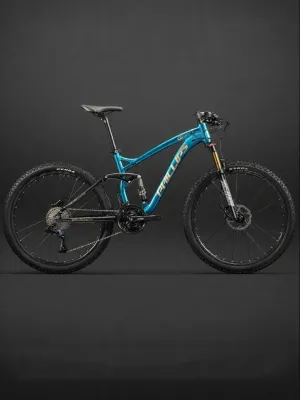
When browsing mountain bike sales, managing your expectations is the first step toward making a smart investment. A budget of ₱20,000 is highly capable of securing a quality hardtail mountain bike—which features front suspension and a rigid rear frame. However, you should completely avoid any full-suspension bikes in this price range. Cheap rear shocks are typically made of heavy, un-damped springs that bounce uncontrollably, adding unnecessary weight and complexity while compromising your control and pedaling efficiency.
Products mentioned in this guide
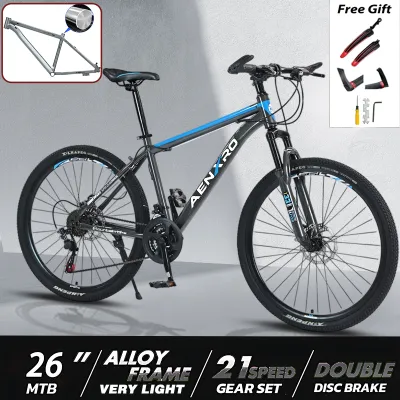
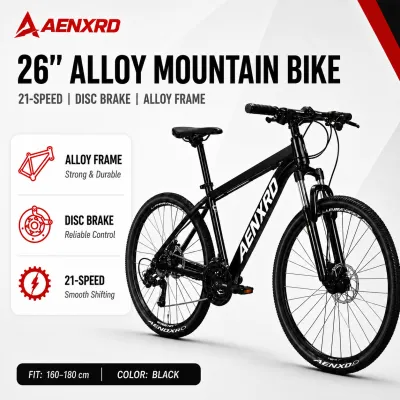
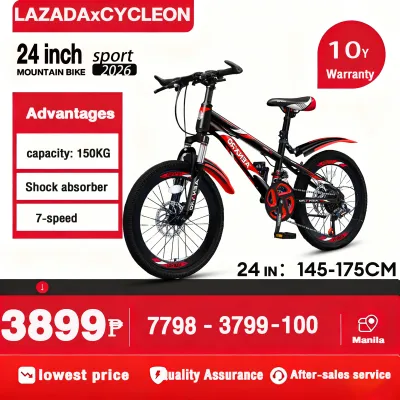
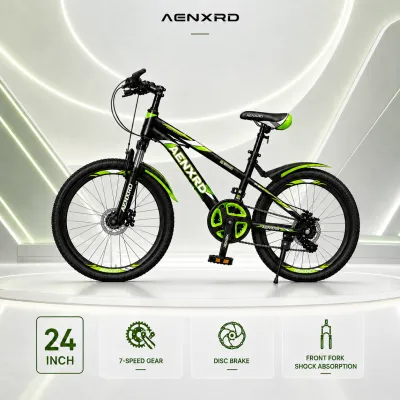
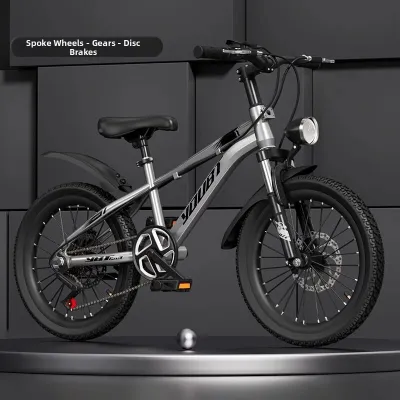
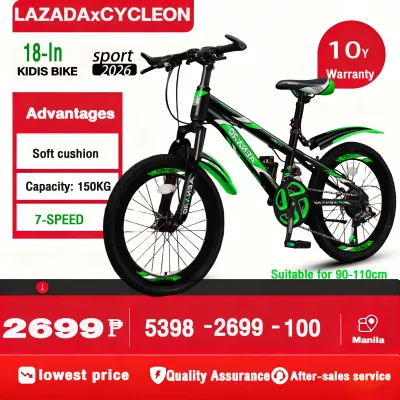
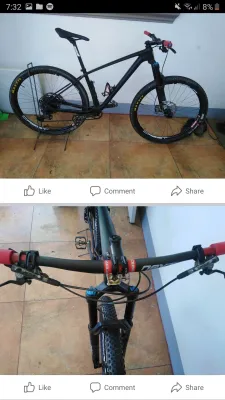
Prices are valid at publication and may change. Please refer to the product page for the latest price.
Frame material is another critical factor that dictates the bike’s longevity and ride quality. Aluminum alloy frames, commonly labeled as 6061 or 6061-T6, are the industry standard for quality budget bikes. Aluminum offers an excellent balance of strength, lightweight performance, and natural resistance to rust. This rust resistance is particularly important in the Philippines, where high humidity, coastal salt air, and heavy monsoon rains can quickly degrade inferior metals. While steel frames are highly durable and offer a compliant ride, cheap steel options are significantly heavier and require meticulous maintenance to prevent rust from forming on chipped paint.
It is also essential to understand that discounted bikes in this price bracket are tailored for recreational and utility riding. They excel at navigating pothole-ridden city streets, gravel fire roads, and smooth dirt paths. They are not professional-grade racing machines. Recognizing this boundary helps you focus on finding a bike with reliable, serviceable parts that will keep you riding safely for years, rather than chasing superficial aesthetics that mimic professional downhill rigs.
Core Specifications to Prioritize When Evaluating Discounts
To identify a genuine bargain, you must look past bright paint jobs and focus on the mechanical components that directly affect safety and performance. Your primary safety priority should be the braking system. Disc brakes are highly recommended over traditional rim brakes because they provide consistent stopping power in wet, muddy, and dusty conditions. Mechanical disc brakes are common in this price range and are relatively easy to adjust with basic tools. If you find a sale model featuring entry-level hydraulic disc brakes from a reputable manufacturer, it represents excellent value. Hydraulic systems offer superior modulation and require less hand effort, which reduces fatigue during long descents or heavy traffic commuting.

The drivetrain is the heart of your bike’s efficiency, and simplicity is key when shopping on a budget. Older mountain bikes often feature 3x setups (three chainrings in the front), which are prone to chain drops, front derailleur misalignment, and mud accumulation. Modern budget bikes increasingly utilize 1x or 2x drivetrains. A 1x drivetrain simplifies shifting by eliminating the front derailleur entirely, reducing weight and maintenance while still providing a wide gear range through a large rear cassette. When evaluating a sale bike, verify that the derailleurs and shifters are from established brands like Shimano, Microshift, or L-Twoo, as these brands offer reliable shifting indexing and widely available replacement parts.
The front suspension fork is another component where quality varies wildly. Look for a coil-sprung fork from recognized entry-level brands, ideally featuring a mechanical or hydraulic lockout lever. A lockout allows you to temporarily stiffen the fork, which is incredibly useful when climbing steep hills or commuting on smooth paved roads, as it prevents your pedaling energy from being absorbed by the suspension. Avoid bikes with unbranded, decorative forks that lack proper internal damping, as they can bottom out harshly or develop play in the stanchions, posing a safety hazard over time.
Navigating Sales Channels and Avoiding Pricing Traps
Finding the best deal involves knowing where to shop and how to spot misleading marketing tactics. Local bike shops are highly valuable because they allow you to physically test the bike for size and comfort before spending any money. A proper fit is crucial; riding a frame that is too large or too small can cause chronic back, knee, and neck pain. Local shops also provide immediate face-to-face customer service and often include a free initial tune-up. However, their physical inventory may be limited compared to online channels.
E-commerce platforms and official online brand stores offer a vast selection and often feature deeper discounts during major promotional campaigns. The trade-off is that you cannot test-ride the bike, and you must handle assembly yourself or pay a professional. When shopping online, beware of artificial discounts. Some sellers inflate the “original” price to make a standard retail price look like a massive discount. To avoid this trap, search for the specific model on other retail websites or check the manufacturer’s official suggested retail price to calculate the true discount percentage.
Another common trap is the clearance of obsolete inventory. While a discounted older model can be a great deal, ensure it does not use obsolete standards that will make maintenance a nightmare. For example, bikes with 26-inch wheels are increasingly rare, making it difficult to find high-quality replacement tires and tubes in local shops. Opt instead for modern standards like 27.5-inch or 29-inch wheels, which are widely supported by local bike shops across the Philippines.
Factoring in Hidden Costs Beyond the Sticker Price
A common mistake among budget-conscious buyers is spending their entire ₱20,000 budget on the bike itself, leaving no room for essential accessories and assembly costs. If you purchase your bike online, shipping fees for oversized, heavy boxes can be substantial. Depending on your location, shipping a bike box from a major metropolitan warehouse to provincial areas can add a significant amount to your total bill. Always check the final shipping calculation before checking out.
Additionally, unless you are an experienced bicycle mechanic with specialized tools, you should budget for professional assembly. Bikes shipped in boxes are typically only 85% assembled. The handlebars, front wheel, pedals, and seatpost must be installed, and more importantly, the brakes and derailleurs must be precisely aligned and tuned. Riding a bike straight out of the box without checking spoke tension, bearing play, and bolt torque can lead to premature wear or catastrophic failure. Budgeting for a professional assembly and safety check at a local bike shop is a wise investment in your safety.
Finally, you must allocate a portion of your budget for essential safety gear and maintenance tools. A high-quality, certified helmet is an absolute necessity for every ride. For daily commuting or road riding, front and rear LED lights are crucial for visibility in traffic and during sudden tropical downpours. A basic floor pump with a pressure gauge, a portable multi-tool, tire levers, spare inner tubes, and a bottle of chain lubricant formulated for humid environments will ensure you can maintain your bike and handle minor roadside repairs without getting stranded.
Pre-Purchase Quality Checks and Red Flags
Before finalizing your purchase, especially when buying a discounted floor model, an open-box item, or a bike from an online seller, performing a thorough quality check is essential. Start by inspecting the frame’s construction. Examine the welds around the headtube, bottom bracket, and dropouts. The weld beads should be uniform and clean; messy, uneven, or excessively thick welds can indicate poor quality control and potential structural weak points. Check the frame carefully for any deep scratches, dents, or paint bubbling that might suggest underlying damage or corrosion.
Next, verify the authenticity of the components. Because counterfeit bicycle parts are prevalent in the budget market, closely inspect the branding on the derailleurs, shifters, and brake calipers. Ensure the logos are crisp and match the official branding of established manufacturers. If the product description advertised a specific brand-name derailleur but the bike arrives with an unbranded or slightly misspelled alternative, contact the seller immediately to resolve the discrepancy.
Lastly, clarify the warranty terms and the availability of replacement parts. A reputable manufacturer typically offers a warranty on the frame against manufacturing defects, along with a limited warranty on components. Confirm whether this warranty is supported by a local distributor or bike shop in the Philippines, as shipping a frame internationally for warranty claims is prohibitively expensive. Additionally, check that the bike uses standard, non-proprietary parts—such as a standard threaded bottom bracket and a common derailleur hanger shape—so you can easily find replacements at any local bike shop when components eventually wear out.
Frequently Asked Questions (FAQ)
Is it safe to buy a discounted mountain bike from an online marketplace?
Buying a mountain bike online can be safe and highly cost-effective if you take specific precautions. Always purchase from official brand flagship stores or highly rated authorized dealers with a long history of positive feedback. Carefully read customer reviews, looking for photos of the delivered product to verify how well the bike was packaged for transit. Ensure the seller offers a clear return policy in case the frame or components are damaged during shipping, and be prepared to take the boxed bike to a professional mechanic for proper assembly and safety inspection before your first ride.
Should I upgrade components later if I buy a budget mountain bike on sale?
Upgrading a budget mountain bike can be a practical way to improve comfort and performance, but you must focus on high-value, cost-effective changes. Upgrading contact points—such as installing more comfortable grips, a saddle tailored to your anatomy, and wider pedals with better grip—can dramatically improve your riding experience for a minimal investment. Upgrading to tires that match your primary riding surface (such as fast-rolling tires for city commuting or knobby tires for muddy trails) is also highly beneficial. However, avoid expensive upgrades like high-end suspension forks or premium drivetrains; the cost of these components can easily exceed the original value of the bike, making it more sensible to save that money for a higher-tier bicycle in the future.
Community discussion
Share your experience or ask a question. Comments are reviewed before publication.