
Selecting the right fitness equipment for a high-rise residence requires balancing workout utility with structural and spatial realities. To find the best MY HI treadmill model from the official store for a small condominium, you must prioritize a compact folding footprint, a motor that runs quietly to respect shared walls, and a physical weight that matches your building’s logistical constraints. Rather than looking for a one-size-fits-all solution, the ideal model is one that fits your specific fitness level, body size, and floor plan without compromising safety or structural integrity.
Assessing Your Condo's Space and Structural Limits
Before browsing specific models in the official store, you must accurately map out your dedicated workout zone. Do not just measure the space when the treadmill is folded; you must account for the fully extended running deck during use, plus the necessary safety margins around the machine. Use a physical tape measure to outline these dimensions on your floor, ensuring the machine will not block primary walkways, balcony doors, or built-in cabinets when fully deployed.
In many Philippine condominiums, ceiling heights can be relatively low, often ranging from 2.4 to 2.7 meters. When you step onto a treadmill, the deck height raises your head significantly. If you plan to place the machine on a thick rubber equipment mat, or if the primary user is tall, verify that you will have at least 30 centimeters of clearance between the top of your head and the ceiling at your highest running stride. Failing to measure this can result in an uncomfortable, cramped workout experience or accidental injury.
Products mentioned in this guide
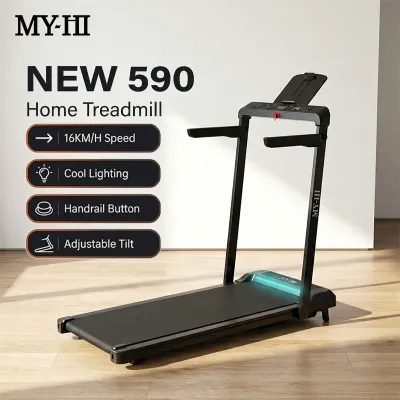
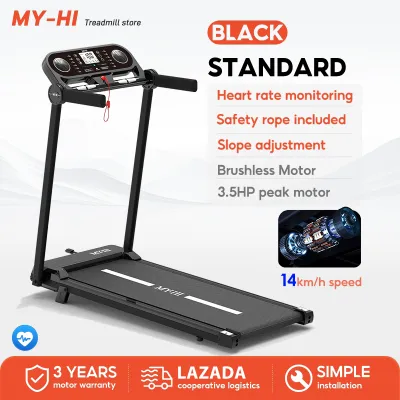
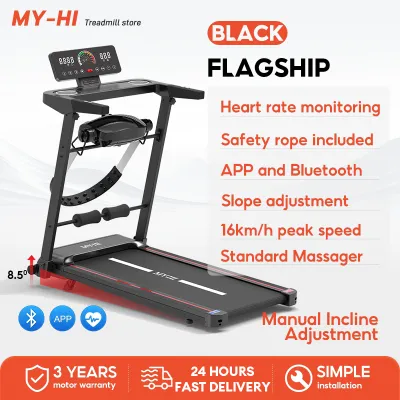
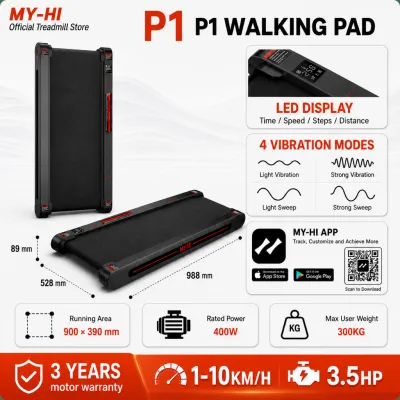
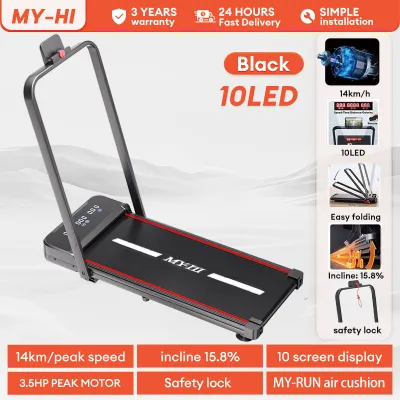
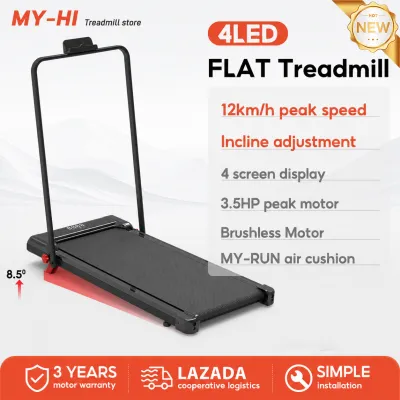
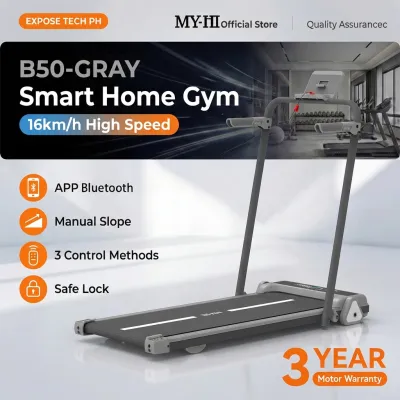
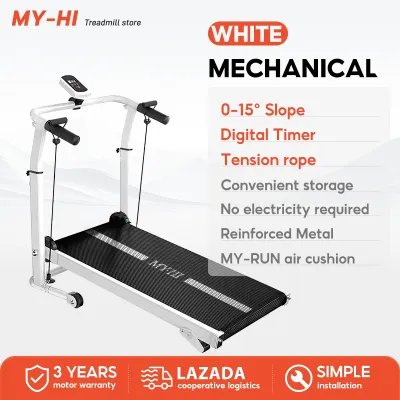
Prices are valid at publication and may change. Please refer to the product page for the latest price.
Consider the net weight of the treadmill in relation to structural and logistical limits. While residential concrete floors in modern high-rises are engineered to support standard domestic loads, heavy commercial-grade treadmills can exert substantial point-load pressure. A compact MY HI model designed for home use typically weighs between 30 to 60 kilograms, making it highly suitable for residential floors. However, you must also verify the weight capacity of your building’s passenger and service elevators to ensure the delivery team can safely transport the unit to your floor.
Map out the entire delivery route from the building’s unloading bay to your unit door. Tight hallways, sharp corners, and narrow door frames in utility areas can block the passage of a fully boxed treadmill. Checking these dimensions beforehand prevents delivery failures and avoids the physical strain of trying to maneuver a heavy box through an impossible angle. If your building lacks a service elevator, verify whether the delivery team is permitted to carry heavy equipment up the emergency stairs.
Key Features for a Compact and Effective Home Workout
The style of folding mechanism directly dictates how much living space you reclaim when your workout is over. Look for models featuring vertical folding designs or flat-folding under-bed systems. Flat-folding models can slide under a sofa or stand flush against a wall, which is ideal for studio units under 30 square meters. If you select a slightly larger model, ensure it features a hydraulic soft-drop mechanism that slowly lowers the deck to the floor automatically, preventing sudden impacts that could damage your flooring.

A treadmill’s utility depends on matching its belt size and motor capacity to your training style. For walking or light jogging, a belt width of 40 to 42 centimeters is generally sufficient. If you plan to run at higher speeds, look for a wider belt of at least 45 centimeters to accommodate natural lateral sway. Ensure the motor capacity matches this activity level; a continuous-duty motor of 1.5 to 2.0 horsepower (HP) is typically adequate for walking and jogging, while regular running requires a more robust motor to prevent overheating.
Living in a shared-floor environment means vibration can easily travel through concrete slabs to the unit below. Look for MY HI models equipped with multi-point shock absorption systems or internal suspension springs. These features cushion your joints and dampen the structural vibrations generated by foot strikes, keeping your workouts polite and preventing noise complaints from neighbors. Equipment cannot replace proper running form, so focus on maintaining a light, mid-foot strike to further minimize impact noise.
Mobility is essential when your living room serves as a multi-purpose space. Verify that the model has built-in transport wheels with a smooth rolling surface that will not scratch delicate vinyl or laminate flooring. The center of gravity should be positioned such that tilting the folded machine requires minimal effort, allowing you to roll the unit away to a closet or corner without straining your back after an exhausting workout session.
How to Evaluate Models in the MY HI Official Store
When browsing the official brand store, look past stylized lifestyle images and focus strictly on the technical specification sheets. Locate the exact physical dimensions in both the folded and unfolded states, as well as the net and gross weights. Make sure to cross-reference these official numbers with the measurements you took of your condo’s floor plan and doorways to avoid purchasing a machine that is too large for your space.
Compact designs must not compromise on user safety. Verify that the model includes a physical safety key with a clip that attaches to your clothing, which immediately cuts power to the motor if you slip. Check for stable, non-wobbling handrails that provide a secure grip. Some ultra-flat models omit handrails entirely; if you choose one of these, ensure your fitness level and balance are sufficient, and start at lower walking speeds to assess your stability before attempting faster paces.
High-rise deliveries in urban areas like Metro Manila often require special coordination. Check the official store’s delivery policies regarding high-rise drop-offs. Some couriers only deliver to the building lobby or unloading bay unless in-home delivery and assembly services are explicitly selected or purchased. Confirm if the seller offers professional assembly, as improper home setup can lead to belt misalignment or loose bolts that compromise your safety.
Protect your investment by verifying the warranty terms directly on the official store page. Look for clear distinctions between frame, motor, and electronic parts coverage. A reliable manufacturer warranty should provide at least one year of coverage on the motor and frame, giving you a clear point of contact should you require replacement parts or technical assistance. Save your official receipt and warranty card in a safe place to facilitate any future service claims.
Common Setup and Clearance Mistakes in Small Spaces
The most common mistake in small-space setups is pushing the rear of the treadmill flush against a wall or furniture. If you lose your balance or slip, a spinning belt will trap you against the obstruction, potentially causing severe friction burns or impact injuries. Always maintain an unobstructed safety clearance zone behind the running belt, keeping the area free of storage boxes, power cords, or decorative items.
Treadmill motors generate significant heat, especially during extended workouts in warm, tropical climates. Pushing the motor housing directly into a tight, unventilated corner can trap heat, causing the motor to work harder and potentially trigger a thermal shutdown. Ensure there is adequate airflow around the front of the machine, and consider running your air conditioner or a floor fan to keep the ambient temperature stable and protect the internal electronics.
Placing a heavy, vibrating machine directly onto laminate, engineered wood, or tile floors can leave permanent indentations and cause loud acoustic resonance. Skipping a high-density equipment mat is a major mistake in condo living. A quality mat absorbs the micro-vibrations of the motor and your footsteps, protecting your floor finishes and keeping your workouts quiet enough for your neighbors. It also prevents sweat from dripping directly onto your floor, which can cause moisture damage over time.
Never place your treadmill on thick, plush carpets or uneven flooring tiles. An uneven base causes the frame to flex during use, which accelerates wear on the belt, rollers, and motor. Use a spirit level to verify that your chosen workout spot is completely flat, and adjust the treadmill’s leveling feet if the model includes them. If the floor is significantly sloped, select a different location to prevent the running belt from drifting off-center.
Frequently Asked Questions (FAQ)
How much safety clearance is needed behind a treadmill?
Industry safety guidelines generally recommend keeping a clear, unobstructed zone of at least 1.5 to 2 meters behind the rear roller, along with 0.5 meters on both sides. This space acts as a safe fall zone if you lose your footing. Always consult the user manual of your specific MY HI model to verify its recommended clearance distances based on its maximum speed and deck length.
Do I need an equipment mat for my condo floor?
Yes, utilizing a high-density PVC or rubber equipment mat is highly recommended for multi-story condominium units. The mat serves two critical functions: it distributes the concentrated weight of the treadmill to protect delicate flooring materials like vinyl, laminate, or tile from scratches and dents, and it absorbs the impact vibrations that would otherwise travel through the floor structure and disturb your neighbors.
Community discussion
Share your experience or ask a question. Comments are reviewed before publication.