
Selecting the right gear for a child learning to swim can significantly influence their safety, confidence, and overall progress in the water. Nabaiji, the dedicated swimming brand from Decathlon, offers a comprehensive range of equipment designed to support young swimmers at every stage of their aquatic journey. From chlorine-resistant swimwear and leak-proof goggles to progressive flotation aids, choosing the appropriate essentials ensures that your child remains comfortable, protected, and focused on developing their skills.
In the tropical climate of the Philippines, where outdoor pools and beach activities are common year-round, selecting gear that withstands intense sun exposure and high humidity is particularly important. By matching Nabaiji products to your child’s specific developmental stage and physical measurements, you can create a safe, encouraging environment for them to master the water. This guide outlines the key considerations, product categories, and maintenance routines necessary to equip your beginner swimmer for success.
How to Choose the Right Nabaiji Gear for Beginner Swimmers
Before purchasing any swimming gear, it is essential to identify your child’s current level of water familiarity. The “learning to swim” process is generally divided into distinct developmental phases. The initial phase, often called water discovery, focuses on helping children get comfortable with the sensation of water on their skin, splashing, and submerging their faces. The active learning phase involves teaching children basic propulsion, horizontal body alignment, and coordinated arm and leg movements.
Products mentioned in this guide
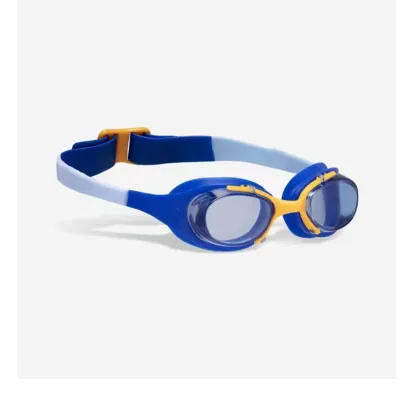
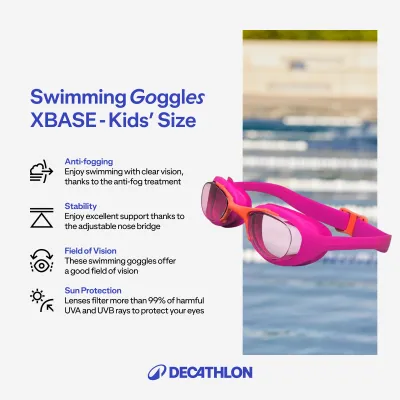
Prices are valid at publication and may change. Please refer to the product page for the latest price.
Safety must always be the primary consideration when selecting any swim equipment, particularly flotation devices. When browsing Nabaiji flotation aids, always check the manufacturer’s labels printed directly on the product or packaging. These labels specify critical safety parameters, including maximum weight limits, recommended age ranges, and compliance with international safety standards, such as the European EN 13138-1 standard for buoyant aids for swimming instruction.
It is vital to understand that flotation aids are educational tools designed to assist in the learning process; they are not life jackets or personal flotation devices (PFDs). They do not guarantee safety against drowning and must never be used as a substitute for constant, active adult supervision. An adult should always remain within arm’s reach of a child in or near the water, regardless of the child’s swimming ability or the gear they are wearing.
To ensure you are purchasing authentic Nabaiji products with accurate safety certifications and material specifications, always source your gear from official brand stores or authorized sports retailers. In the Philippines, verifying product details through official Decathlon physical outlets or their verified online platforms helps guarantee that the equipment meets all structural and safety standards required for young learners.
Essential Nabaiji Swimwear for Comfort and Sun Protection
Swimsuits and Jammers
Selecting the right cut and material for your child’s swimwear directly impacts their freedom of movement and skin comfort during lessons. Leisure swimwear often contains high levels of elastane, which provides excellent stretch but degrades rapidly when exposed to pool chemicals. For active swimming lessons, look for Nabaiji swimwear labeled with chlorine-resistant technology, such as their AQUARESIST fabrics, which are designed to withstand prolonged exposure to chlorinated water without losing shape or elasticity.

For boys, swim jammers offer a snug, hydrodynamic fit that covers the thighs, reducing drag and preventing the fabric from riding up during kicks. For girls, one-piece athletic swimsuits with secure cross-back or Y-back strap designs are ideal, as they keep the shoulder straps firmly in place during active arm movements. Avoid swimsuits with excessive decorative elements, large ruffles, or loose ties, which can catch on pool edges or create unnecessary drag and distraction.
Rash Guards and UV Protection
Given the high UV index in the Philippines, outdoor swimming pools and open-water beach lessons require robust sun protection. Long-sleeve rash guards are highly effective at shielding your child’s torso and arms from intense solar radiation. When selecting a Nabaiji rash guard, do not assume all fabrics offer equal protection; instead, inspect the garment’s label to verify its Ultraviolet Protection Factor (UPF) rating.
A certified UPF 50+ rating indicates that the fabric blocks a vast majority of ultraviolet rays, providing a reliable physical barrier. Keep in mind that a fabric’s protective capacity can decrease if the material becomes excessively stretched, worn out, or saturated with water. For optimal safety, combine UV-protective swimwear with water-resistant sunscreen applied to all exposed skin areas, and reapply it according to the sunscreen manufacturer’s instructions.
Fit and Comfort Checks
Before your child enters the water, conduct a thorough physical inspection of the swimwear to prevent painful chafing and skin irritation. Check that the garment features flatlock seams, which lie flat against the skin and minimize friction during repetitive swimming strokes. Run your fingers along the inner seams, necklines, and leg openings to ensure there are no rough edges, loose threads, or exposed elastic bands that could scratch the skin.
The swimwear should fit snugly to prevent water from scooping inside, which causes drag and coldness, but it must not be so tight that it restricts breathing or circulation. Inspect the leg openings and shoulder straps after a brief try-on session; if you notice deep red marks or skin indentation, the size is too small. Conversely, if the fabric bags or sags when wet, choose a smaller size to ensure a secure, comfortable fit.
Nabaiji Goggles and Caps for Clear Vision and Comfort
Kids' Swimming Goggles
Water anxiety in beginner swimmers is frequently linked to the discomfort of chlorinated or salty water entering their eyes. Providing reliable swimming goggles can dramatically improve a child’s confidence, allowing them to submerge their head and open their eyes underwater without fear. Nabaiji offers various goggle styles tailored to different age groups and face shapes.
For younger children or those highly sensitive to eye pressure, single-lens mask-style goggles are often preferred. These masks feature a large silicone skirt that seals around the forehead and cheekbones, distributing pressure evenly and offering a wide, reassuring field of view. For older or more active beginners, traditional dual-lens goggles provide a streamlined fit that sits closer to the eye sockets, which is ideal for practicing head rotation and basic breathing techniques. Ensure the lenses feature an anti-fog treatment to maintain clear vision throughout the lesson.
Strap and Seal Adjustability
A leak-proof fit depends entirely on the quality of the goggle seal and the adjustability of the head strap. Look for Nabaiji goggles equipped with soft, hypoallergenic silicone gaskets that conform easily to the contours of a child’s face. The head strap should be wide or split at the back to distribute tension evenly across the skull, preventing the goggles from slipping down during movement.
Adjustability systems vary across models, with some featuring rear adjustment buttons and others utilizing side tension clips. Choose a system that allows you to make micro-adjustments easily while the goggles are on your child’s head. The goal is to achieve a gentle, watertight vacuum seal; overtightening the strap to compensate for a poor fit will only cause headaches, eye pain, and deep red bruising around the eye sockets.
Swim Caps
Swim caps serve multiple purposes during lessons: they keep hair out of the child’s eyes and mouth, protect hair from chlorine damage, and keep the pool water clean by containing loose strands. Nabaiji provides swim caps in various materials, primarily silicone and fabric, each offering distinct advantages depending on your child’s sensory preferences.
- Silicone Caps: These caps offer excellent water resistance, helping to keep hair relatively dry, and are highly durable and resistant to chlorine degradation. However, because they are tight and can pull on long hair during application, some children find them uncomfortable.
- Fabric Caps: Made from lightweight mesh or Lycra, fabric caps are incredibly easy to put on, do not pull on hair, and are highly breathable, making them an excellent choice for children sensitive to tight headwear. Note that fabric caps allow water to pass through completely, meaning the hair will get wet.
- Coated Mesh Caps: These caps feature a fabric interior for comfort and a silicone exterior coating for water resistance, offering a balanced middle ground for young swimmers.
Always consult the manufacturer’s size guide, which is typically based on head circumference, to select the correct cap size (usually size S for children) to ensure it stays secure without causing discomfort.
Nabaiji Flotation Aids: Matching Gear to Learning Stages
Stage 1: Water Discovery (Buoyancy Vests and Swim Belts)
During the initial water discovery phase, the primary goal is to help the child feel secure while exploring vertical buoyancy and basic leg kicks. For this stage, Nabaiji offers buoyancy vests and swim belts designed to keep the child’s chest and shoulders supported in the water.
Nabaiji buoyancy vests typically feature integrated foam inserts wrapped in soft neoprene or fabric, preventing the chafing associated with plastic inflatable rings. These vests help maintain the child in a stable, upright position, allowing them to keep their head comfortably above the surface. Swim belts, which feature removable foam blocks along an adjustable strap, are excellent for children who have basic water confidence and are transitioning toward a horizontal swimming position. Parents must strictly verify the exact weight range printed on the product label before purchase, as using a vest or belt designed for a different weight class can compromise stability and safety.
Stage 2: Learning to Swim (Arm Bands and Kickboards)
As children progress to active stroke learning, they need flotation aids that support a horizontal body position and allow them to practice specific arm and leg movements. Arm bands are classic tools that provide lateral stability, keeping the upper body buoyant while the child practices kicking. Nabaiji’s inflatable arm bands are designed with dual independent air chambers in each sleeve; this safety feature ensures that if one chamber is compromised, the second chamber provides temporary residual buoyancy.
Kickboards are essential for isolating the lower body, allowing beginners to focus entirely on developing a strong, efficient flutter kick. Made from dense, buoyant foam, Nabaiji kickboards feature molded grab handles or ergonomic shapes that help children maintain a secure grip. Using a kickboard helps build leg endurance and core stability, which are critical components of independent swimming.
Safety and Usage Boundaries
It cannot be overemphasized that flotation aids are educational tools, not life jackets. They are designed exclusively for supervised use in calm, controlled environments like swimming pools, and must never be used in open seas, rivers, or areas with strong currents or waves. Equipment can never replace professional swim instruction, sound personal judgment, or active adult supervision.
Before every swimming session, perform a thorough safety inspection of all flotation gear. Use the following pre-swim checklist to ensure the equipment is safe for use:
- Valve Check: Ensure all inflation valves on arm bands or inflatable vests are fully functional, close tightly, and can be pushed flat into the chamber.
- Seam Inspection: Examine the welded seams of inflatable items and the stitching on fabric vests for any signs of splitting, fraying, or air leakage.
- Buoyancy Verification: For foam-based gear, check that the foam has not become waterlogged, cracked, or compressed, which reduces its buoyant capacity.
- Buckle and Strap Check: Verify that all plastic buckles, safety clips, and adjustable straps on vests and belts lock securely and do not slip under tension.
If you detect any damage, air leaks, or structural wear during this inspection, stop using the product immediately and replace it.
How to Clean and Maintain Kids' Swim Gear
Rinsing and Washing
To maximize the lifespan of your child’s Nabaiji gear and maintain proper hygiene, establish a strict cleaning routine after every swim session. Chlorine, salt, sand, and sunscreen residues can rapidly degrade elastic fibers, weaken silicone seals, and cloud goggle lenses if left to dry on the equipment.
Immediately after leaving the pool or beach, rinse all swimwear, goggles, caps, and flotation aids thoroughly in clean, cool tap water. Do not use hot water, as high temperatures can warp silicone parts and damage elastic fabrics. Avoid using harsh laundry detergents, bleach, or fabric softeners; instead, use a mild, pH-neutral soap only when necessary to remove stubborn sunscreen residue, rinsing thoroughly afterward.
Drying and Storage
The warm, humid climate of the Philippines creates an ideal environment for mold, mildew, and bacterial growth on damp swim gear. Leaving wet swimsuits or goggles crumpled inside a dark, closed swim bag for extended periods will ruin the materials and cause unpleasant odors.
After rinsing, lay your gear flat or hang it to air-dry in a well-ventilated area away from direct sunlight. Direct exposure to intense solar heat degrades the UV-resistant coatings on rash guards, causes silicone goggle straps to become brittle and crack, and fades fabric colors. Never wring out swimwear aggressively, as this tears the delicate elastane fibers; instead, gently press the fabric between clean dry towels to remove excess moisture. Never tumble dry, dry clean, or iron swimming gear.
Inspecting for Wear
Regularly inspecting your child’s swim gear before packing for a lesson helps prevent unexpected equipment failures at the pool. Over time, exposure to pool chemicals and environmental factors will naturally wear down even high-quality materials.
- Swimwear: Look for signs of fabric thinning, loss of elasticity (especially around the waistband and leg openings), or pilling.
- Goggles: Check the flexibility of the silicone straps and the integrity of the eye gaskets. Inspect the lenses for deep scratches that could impair vision, and verify that the anti-fog coating is still performing adequately.
- Flotation Aids: Ensure that foam inserts remain firm and buoyant, and that inflatable chambers hold air consistently without requiring frequent top-ups.
Replacing worn-out gear promptly ensures your child’s safety and comfort remain uncompromised during their swimming lessons.
Frequently Asked Questions (FAQ)
How do I know if my child's Nabaiji goggles fit correctly?
To determine if Nabaiji goggles fit your child correctly, perform a simple suction test before entering the water. Gently press the goggle lenses against your child’s eye sockets without pulling the strap over their head. If the goggles stay in place via a light suction seal for a second or two before falling off, the shape is a good match for their facial structure. Additionally, after a swimming session, check your child’s face; if you observe deep, dark red marks around the eyes, the straps are adjusted too tightly or the frame size is too small.
Can my child use Nabaiji arm bands if they are slightly under the minimum weight limit?
No, you should never allow your child to use flotation aids if they do not meet the minimum weight specifications designated by the manufacturer. Using arm bands that are too large or rated for a heavier weight class can result in the bands slipping off the child’s arms during active movement. Furthermore, improper sizing can alter the child’s center of gravity in the water, potentially tipping them face-down or failing to provide the correct level of vertical support. Always select gear that matches your child’s actual weight and age to ensure safety.
What is the difference between Nabaiji swim diapers and regular swimwear?
Nabaiji swim diapers are specifically designed for infants and toddlers who are not yet fully toilet trained. Unlike regular swimwear, swim diapers feature snug, elasticized waistbands and leg cuffs, along with specialized inner linings designed to contain solid waste and prevent fecal contamination of the pool water. They do not absorb liquid, as a regular diaper would, which would make the diaper heavy and pull the child downward. Many public and private pool facilities in the Philippines strictly mandate the use of approved swim diapers for young children to maintain sanitary water conditions.
Community discussion
Share your experience or ask a question. Comments are reviewed before publication.