
Athletes recovering from sports injuries require targeted cold therapy to manage localized swelling and muscle soreness around the cervical spine and upper trapezius. Choosing the right neck ice pack depends on matching the design to your specific recovery phase, mobility needs, and environmental conditions. A secure fit, adequate coverage, and verified cold retention are essential to ensure the pack remains effective during light active recovery or stationary rest. Rather than relying on a one-size-fits-all solution, athletes must evaluate how different structural designs—such as wrap-around gel collars, adjustable compression wraps, or contoured cervical pillows—align with their sport-specific demands and injury characteristics.
Essential Features for Athletic Neck Recovery
When selecting a neck ice pack for athletic recovery, evaluating the cooling medium and its rated cold retention is a critical first step. In warm, humid environments, ambient temperatures can accelerate thawing, making high-density gel formulations or clay-based fillings highly desirable. Verify the manufacturer’s specifications to ensure the pack is rated to maintain therapeutic temperatures for at least 15 to 20 minutes. Clay often provides a denser, colder feel but may become stiffer, while specialized hydrophilic gels are designed to remain pliable even when stored in a standard freezer.
The coverage area must be carefully assessed to ensure it targets the cervical spine (C1 to C7) and the surrounding trapezius muscles, where athletic tension and strain frequently accumulate. However, the design must not compress the anterior neck or restrict breathing. Check the product dimensions and shape to ensure the wrap sits comfortably on the back and sides of the neck without putting pressure on the windpipe or carotid arteries. A well-designed pack should provide broad coverage while maintaining a safe, non-restrictive fit.
Products mentioned in this guide
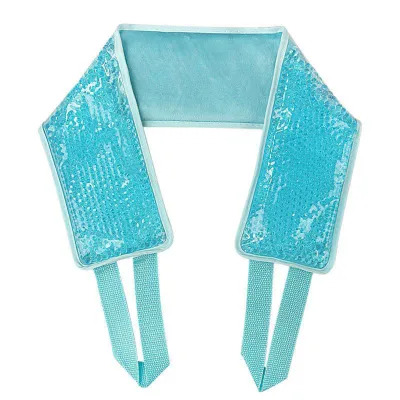
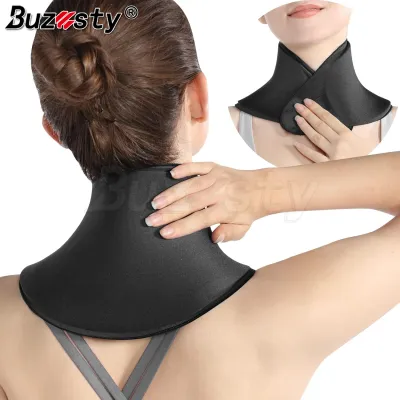
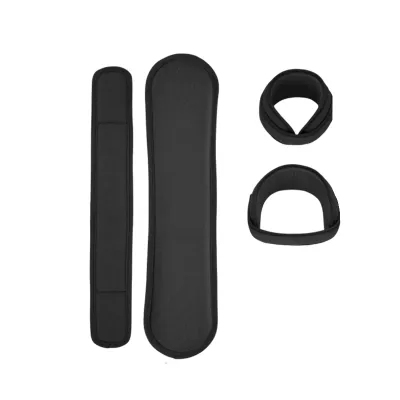
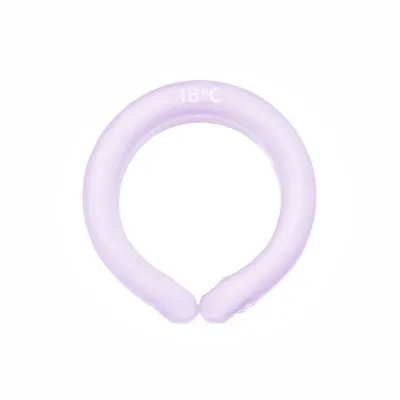
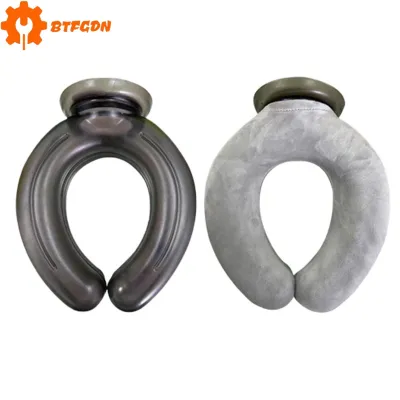
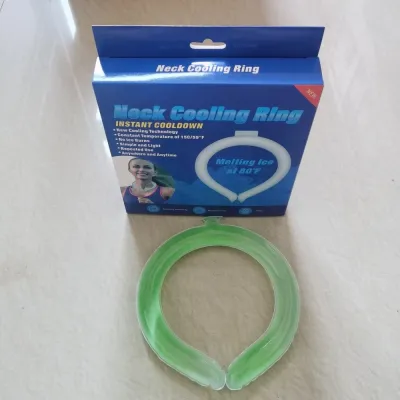
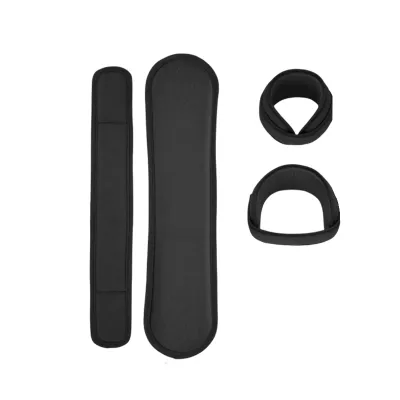
Prices are valid at publication and may change. Please refer to the product page for the latest price.
Active recovery often involves light mobility work, stretching, or walking, which requires secure fastening mechanisms to prevent the pack from shifting. Adjustable hook-and-loop straps allow you to customize the snugness and keep the cold medium in direct contact with the skin during movement. Alternatively, some wrap-around designs utilize weighted clay beads or heavy-duty borders that use gravity to drape the pack securely over the shoulders, making them highly suitable for seated or upright resting phases.
Direct contact between frozen plastic and bare skin can lead to ice burns or frostbite, especially when the skin is damp from sweat or high humidity. Verify whether the ice pack features a dual-sided design, such as a soft plush fabric backing on one side and a direct-cooling nylon surface on the other. If the pack only has a plastic exterior, always plan to use a thin protective cloth barrier, such as a clean towel, to regulate the temperature transfer and protect sensitive neck tissues.
Recommended Neck Ice Pack Designs for Athletes
Neck ice packs are generally categorized into three primary designs: wrap-around gel collars, adjustable strap compression wraps, and contoured cervical ice pillows. Each configuration offers distinct trade-offs between flexibility, compression, and targeted cooling. Selecting the right design requires balancing your need for hands-free mobility with the depth of cooling required for your specific recovery routine.

For instance, an athlete performing light mobility drills or stretching will benefit from a secure, strapped design that stays in place during movement. Conversely, an athlete in an acute recovery phase who needs deep, stationary cooling while lying down will find a contoured pillow or a weighted collar more effective. Understanding these structural differences prevents the frustration of a pack that constantly slips or fails to reach the exact source of discomfort.
Wrap-Around Gel Collars
Wrap-around gel collars are designed to drape over the neck and shoulders, providing broad, 360-degree coverage that targets the cervical spine, upper shoulders, and lower neck simultaneously. These collars are typically hands-free, relying on a contoured shape or weighted fillings to stay in place while you sit or stand. This makes them highly convenient for post-training cooldowns, allowing you to read, work, or relax without manually holding the pack against your skin.
However, these designs have notable limitations regarding adjustable compression. Because they rely primarily on gravity or simple snap closures, they cannot be tightened to apply deep, localized pressure to specific muscle knots. Additionally, you must verify the gel’s flexibility when frozen. Some lower-grade gels freeze into a rigid, semi-solid state that does not contour well to the natural curves of the neck, reducing the surface area of contact and limiting the overall cooling efficiency.
These collars are ideal for general neck stiffness, mild muscle fatigue, and broad post-workout recovery. If your routine involves sitting upright on a bench or chair immediately after a training session, a flexible, weighted gel collar provides a comfortable, low-effort way to lower tissue temperature and soothe tired muscles.
Adjustable Strap Compression Wraps
Adjustable strap compression wraps feature integrated elastic or hook-and-loop straps that allow you to pull the ice pack tight against your neck. This design combines the benefits of cold therapy with mild, adjustable compression, which can help manage localized swelling and keep the cold medium pressed firmly against the injured tissue. By adjusting the tension, you can customize the fit to match your neck circumference and comfort level.
When evaluating these wraps, it is important to check the durability of the straps and the breathability of the wrapping material. In hot and humid climates, neoprene or heavy fabrics can trap sweat, leading to skin irritation. Look for wraps that utilize breathable, moisture-wicking fabrics and have reinforced stitching along the strap attachments. Additionally, verify the size of the internal pocket; some wraps allow you to swap out the ice inserts, which is highly useful for continuous rotation during extended recovery sessions.
This design is highly suited for athletes who need to maintain light mobility during recovery. Whether you are performing gentle range-of-motion exercises, stretching your upper body, or walking around the training facility, the secure strap system ensures the cold remains focused on the target area without requiring manual adjustment.
Contoured Cervical Ice Pillows
Contoured cervical ice pillows are specialized, shape-specific cold packs designed to cradle the natural curve of the neck while you lie down. These pillows feature an ergonomic groove or cylindrical shape that supports the cervical spine, allowing the neck muscles to relax completely during therapy. By aligning the spine, these pillows help relieve deep-tissue tension and pressure on the cervical discs while delivering targeted cooling to the base of the skull and upper neck.
Unlike wraps or collars, cervical ice pillows are strictly designed for stationary, supine recovery. They do not feature straps or secure fit mechanisms, meaning they cannot be used while standing, sitting, or moving. Attempting to use them upright will cause them to fall away from the neck. They are intended solely for dedicated rest periods where you can lie flat on a yoga mat, bed, or treatment table.
When choosing a cervical ice pillow, carefully check the filling material. The interior must conform to the neck’s natural curve without creating hard, uncomfortable pressure points when frozen. Look for pillows filled with dual-temp gels, flexible gel beads, or segmented cold chambers that maintain a supportive yet yielding texture even at sub-zero temperatures. This ensures that the weight of your head does not cause discomfort against a rigid frozen surface.
Matching the Ice Pack to Your Sport and Injury Type
Matching the right ice pack design to your specific athletic demands and injury characteristics is crucial for safe and effective recovery. Acute injuries, such as a sudden neck strain from a collision or a rapid change of direction, require immediate, localized cooling to help manage swelling and acute pain. In these scenarios, an adjustable strap compression wrap is often highly effective because it allows you to apply targeted cold and compression directly to the affected site. Conversely, chronic stiffness, tension headaches, or general post-training fatigue benefit more from the broad, gentle coverage of a flexible wrap-around gel collar.
Your sport also dictates the ideal design. Athletes in high-impact collision sports, such as basketball, rugby, or martial arts, frequently experience broad neck and shoulder impact, making wide-coverage gel collars highly beneficial. On the other hand, endurance athletes, such as runners or cyclists, may experience localized cervical fatigue from maintaining a forward-leaning posture for hours. These athletes often prefer lightweight, highly portable strap wraps that can be easily packed in a gym bag and applied immediately after a long training session.
To help you evaluate your options, use the following decision checklist before making a purchase:
- Injury Phase: Is the injury acute (requiring targeted compression) or chronic (requiring broad, relaxing coverage)?
- Mobility Requirements: Do you need to move, stretch, or walk during recovery, or can you remain completely stationary?
- Anatomical Target: Does the pain reside high on the cervical spine near the skull, or does it spread across the trapezius and shoulders?
- Climate and Environment: Will you be using the pack in a hot, humid environment where sweat-resistant, breathable fabrics and high-density gels are necessary to prevent rapid thawing?
- Storage and Portability: Do you have access to a freezer at your training facility, or do you need a pack that retains its cold temperature inside a portable cooler?
While cold therapy is a valuable tool for managing minor sports-related discomfort, it cannot replace professional medical judgment or training. If you experience severe neck pain, restricted range of motion, numbness radiating down your arms, or suspect any structural damage to your spine, stop using cold therapy immediately. Consult a sports physiotherapist or a qualified medical professional to receive a proper diagnosis and a comprehensive rehabilitation plan.
Safety and Usage Guidelines for Cold Therapy
Safe application is paramount when using cold therapy on the neck, as the area contains sensitive nerves and major blood vessels. Always verify the manufacturer’s instructions for maximum continuous use, which typically ranges from 15 to 20 minutes per session. Exceeding this duration does not provide additional therapeutic benefits and can lead to tissue damage. Allow your skin temperature to return to normal—usually requiring a rest interval of at least 40 to 60 minutes—before reapplying the ice pack.
To prevent ice burns and frostbite, always ensure there is a proper barrier between the cold pack and your skin. If your neck ice pack does not feature a built-in protective fabric layer, wrap it in a thin, dry towel before application. Avoid applying frozen packs directly to wet skin, as moisture increases the rate of heat transfer and elevates the risk of rapid tissue freezing, particularly in humid tropical conditions where sweat accumulates quickly.
Monitor your physical sensations closely during cold therapy. Stop the application immediately if you experience any of the following warning signs:
- Sudden or worsening pain at the application site.
- Complete numbness or a "pins and needles" sensation that does not subside within a few minutes.
- Extreme skin discoloration, such as pale white, bright red, or bluish patches.
- Dizziness, lightheadedness, or discomfort around the throat or windpipe.
Cold therapy is not suitable for everyone or every situation. Do not apply ice packs over open wounds, skin rashes, or areas with compromised sensation where you cannot accurately feel the temperature. Additionally, individuals with poor local circulation, Raynaud’s phenomenon, or severe cardiovascular conditions should avoid cold therapy on the neck unless explicitly cleared by a medical professional.
Frequently Asked Questions (FAQ)
Can I use a neck ice pack while sleeping?
Using a neck ice pack while sleeping is highly discouraged due to the significant risk of prolonged, unmonitored cold exposure. When you are asleep, your body cannot actively monitor physical sensations, preventing you from feeling the warning signs of tissue damage, ice burns, or frostbite. Furthermore, sleeping on a frozen pack can place excessive, uneven pressure on the cervical spine, potentially worsening neck alignment and muscle strain. Always check your specific product’s safety warnings, which almost universally advise against overnight use. For safe recovery, complete your cold therapy sessions while fully awake, and remove the pack entirely before going to sleep.
How do I clean and maintain a reusable gel neck ice pack?
Proper maintenance is essential to prolong the lifespan of your reusable gel neck ice pack and prevent the buildup of sweat, bacteria, and odor. After each use, especially if applied after a sweaty workout, wipe the exterior of the pack with a damp cloth and a mild soap solution. Allow the pack to air dry completely in a well-ventilated area before storing it back in the freezer or a storage bag. Do not machine wash, tumble dry, or submerge the pack in boiling water, and avoid using harsh chemical solvents or bleach, as these can degrade the outer material and cause leaks. Regularly inspect the seams and surface of the pack for punctures, tears, or changes in gel consistency; if you detect any leaks or structural degradation, discard the pack immediately to ensure safety.
Community discussion
Share your experience or ask a question. Comments are reviewed before publication.