
Selecting the right Pilates reformer machine for home use in the Philippines requires balancing your fitness goals with the unique physical and environmental constraints of a residential space. Unlike a commercial studio, where equipment remains permanently in place under constant climate control, a home setup demands careful attention to footprint, portability, material durability under tropical conditions, and local serviceability. By understanding these key factors, you can invest in a machine that supports your practice safely and effectively for years to come.
Why Home Environments Demand Specific Reformer Features
Setting up a Pilates reformer at home introduces several practical challenges that do not exist in a commercial studio environment. In typical Philippine urban residences, such as high-rise condominiums in Metro Manila or townhouses in nearby provinces, floor area is highly optimized. A reformer cannot simply occupy a room without considering how it integrates with daily living spaces, making footprint and storage capabilities primary considerations.
Floor protection is another critical variable. Heavy fitness equipment can easily scratch, dent, or warp delicate residential flooring materials like polished hardwood, laminate, or ceramic tiles. The continuous gliding motion of a loaded carriage transfers dynamic lateral forces directly to the floor, meaning that the machine’s feet can cause gradual wear or shifting if not properly buffered.
Products mentioned in this guide
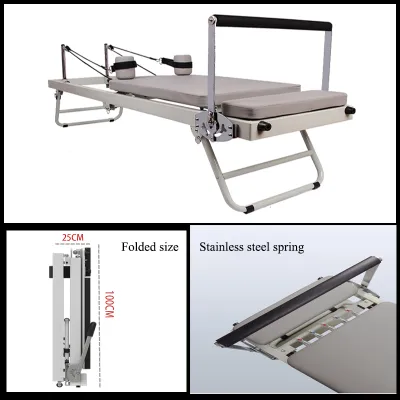
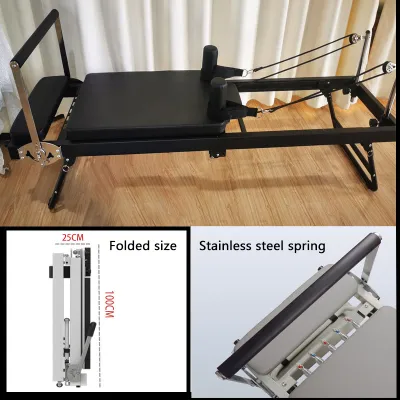
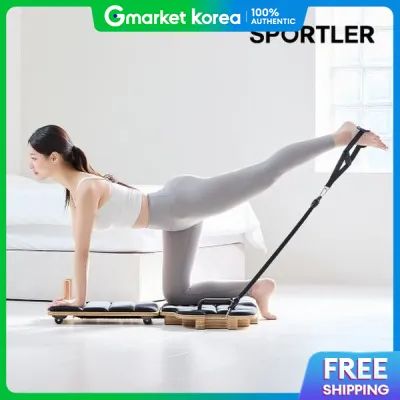
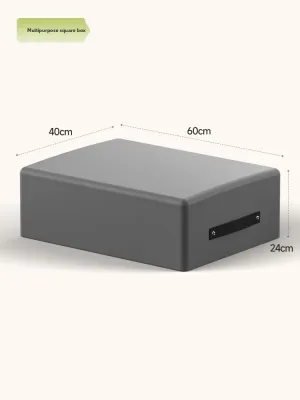

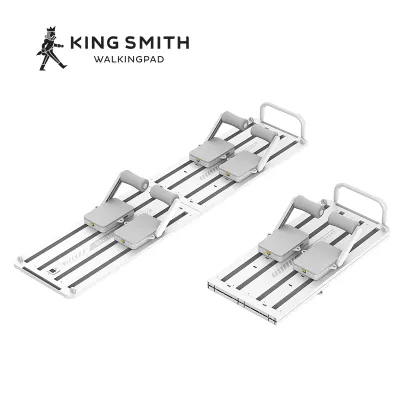
Prices are valid at publication and may change. Please refer to the product page for the latest price.
Noise and vibration must also be carefully managed, particularly in shared living spaces or multi-story homes. The sound of polyurethane wheels riding along metal tracks, combined with the snap and recoil of resistance springs, can easily penetrate walls and floors. Selecting a machine designed for quiet operation is essential for maintaining a peaceful household and avoiding disturbances to neighbors.
Finally, exercising at home means working out without the immediate supervision of a certified instructor. This lack of professional oversight places a premium on intuitive mechanical design. Home users must be able to adjust footbars, spring configurations, and headrests easily and securely, with clear visual and tactile locking mechanisms to prevent accidental slippage or injury during solo sessions.
Core Features to Evaluate Before Buying
Selecting a high-quality reformer requires looking past aesthetic appeal to evaluate the structural and mechanical components that dictate performance, safety, and longevity.

Space, Footprint, and Storage
Before purchasing, you must measure both the static footprint of the machine and the dynamic clearance required during use. A reformer’s frame might measure 2.2 meters in length, but the actual operational zone must accommodate the full extension of the carriage, the range of the ropes, and space for you to safely mount and dismount.
If you are considering a model with a vertical frame or a full tower attachment, ceiling height is a critical limiting factor. Verify that your ceiling can accommodate the height of the tower plus the additional clearance needed for overhead bar exercises or spring attachments.
For multi-purpose rooms, evaluate the storage mechanisms carefully. Look for models featuring robust, non-marring transport wheels, secure folding hinges with heavy-duty locking pins, or frames designed to stand vertically against a wall. Ensure any vertical storage locks are certified to support the machine’s weight without tipping.
Build Quality, Materials, and Track Systems
Frame construction directly influences stability, weight, and aesthetics. Solid wood frames (such as maple or oak) offer excellent vibration dampening and a classic aesthetic, but they are heavy, non-foldable, and sensitive to extreme humidity changes. Aluminum and steel frames provide exceptional structural rigidity, are often lighter, and are more resistant to warping, making them highly durable options for tropical environments.
The track and wheel system is the heart of a reformer’s smooth motion. High-quality machines utilize anodized aluminum tracks paired with polyurethane wheels containing sealed ball bearings. Sealed bearings prevent dust, sweat, and pet hair from entering the mechanism, ensuring a quiet glide and minimizing maintenance.
Upholstery is another critical factor, especially in hot, humid climates. Look for high-density EVA foam padding wrapped in commercial-grade, sweat-resistant vinyl. Lower-quality vinyl can become sticky, degrade rapidly under perspiration, or harbor mold and mildew if not properly treated and cleaned.
Resistance Systems and Adjustability
Traditional reformers rely on steel springs to provide progressive resistance, where the tension increases as the spring stretches. High-quality spring sets typically feature color-coded tensions (e.g., light, medium, heavy) and must be manufactured from nickel-plated or stainless steel to resist rust. Some budget home models use elastic cords, which are quieter and lighter but offer less progressive resistance and tend to degrade faster over time.
Ease of adjustability is vital for maintaining workout flow. The spring gearbar should allow quick transitions without requiring complex maneuvers. Additionally, verify that the footbar, shoulder rests, and headrest offer multiple secure locking positions. Adjustable shoulder rests are particularly useful for accommodating different shoulder widths, while a multi-position footbar ensures proper joint alignment for users of varying heights.
Recommended Reformer Types for Different Home Setups
To simplify your search, home reformers can be categorized into three distinct classes based on design, footprint, and performance goals.
Compact and Foldable Reformers
Designed specifically for space-constrained environments like studio apartments or shared bedrooms, compact and foldable reformers can be folded in half or wheeled into a closet when not in use. These models are generally lighter and more affordable, making them excellent entry-level options for beginners.
However, these convenience features come with trade-offs. Foldable models often feature shorter carriage tracks, which may restrict taller users from achieving a full range of motion during leg presses or hamstring stretches. Furthermore, the folding hinge introduces a structural seam in the frame; you must verify the manufacturer’s maximum weight capacity and ensure the locking mechanism is robust enough to prevent flexing during dynamic movements.
Mid-Size and Hybrid Reformers
Mid-size or hybrid reformers strike a balance between studio-quality performance and home-friendly design. These machines often feature slightly lighter frames than commercial models but maintain a single-piece, non-folding track for an uninterrupted, smooth glide. Many hybrid models offer the option to add vertical frames or half-towers, expanding your exercise repertoire without requiring a dedicated studio space.
These units are ideal for spare bedrooms, home offices, or dedicated workout corners where the machine can remain permanently assembled. While they cannot be folded away, many hybrid models are designed to stand vertically when not in use, drastically reducing their static footprint. Always verify the overall dimensions and ensure your floor construction can support a semi-permanent load.
Studio-Grade Reformers for Dedicated Spaces
If you have a dedicated home gym and are committed to an advanced, long-term Pilates practice, a studio-grade reformer is the gold standard. Built with heavy-duty solid wood or reinforced steel frames, these machines offer maximum stability, full-length carriage travel, and compatibility with full tower systems, trapeziums, and jumpboards.
The primary drawback is the substantial physical footprint and lack of mobility. These machines are exceptionally heavy, often weighing over 100 kilograms, and cannot be easily moved or stored vertically. They require a permanent, dedicated floor space with ample surrounding clearance and high ceilings to safely execute advanced aerial and tower exercises.
Buying and Warranty Considerations in the Philippines
Purchasing heavy fitness equipment in the Philippines requires careful logistical planning and financial consideration. Buyers generally face three main purchasing routes: sourcing through authorized local distributors, ordering from official brand stores on major online marketplaces, or importing directly from international manufacturers. While direct international shipping might offer a wider selection of brands, the final cost often escalates significantly due to heavy freight charges, import duties, and local customs processing fees.
Using local distributors or established online marketplaces often simplifies delivery, as they frequently handle the complex customs clearing process and may offer door-to-door delivery services. However, because reformers are bulky and heavy, always confirm whether the quoted price includes delivery to your specific region, particularly if you reside outside Metro Manila, as domestic inter-island shipping can add substantial costs. Prices for reliable home reformers typically range from ₱50,000 for entry-level models to over ₱250,000 for premium, studio-grade units.
Warranty coverage is perhaps the most critical factor when investing in a home reformer. Before finalizing your purchase, request a detailed breakdown of the warranty terms. A robust warranty should cover the structural frame for several years, with shorter, specific coverage periods for moving parts like carriage wheels, spring sets, and upholstery.
Crucially, verify the availability of local technical support and replacement parts. If a spring loses tension or a wheel bearing fails, relying on overseas shipping for replacement parts can result in weeks of downtime. Confirm whether the seller maintains a local inventory of high-wear components (such as springs, ropes, and straps) and whether they can dispatch a technician for on-site repairs, or if you will be expected to perform mechanical maintenance yourself.
Safe Setup and Routine Maintenance
To ensure personal safety and protect your investment, correct assembly and regular maintenance are essential. Always assemble the reformer on a completely level surface. To protect your flooring from scratches, dents, and sweat, place a high-density rubber or PVC equipment mat underneath the entire footprint of the machine. This mat also serves to dampen vibration and reduce noise transmission through the floor.
Establish a consistent cleaning routine to combat the effects of a humid tropical climate. After every workout, wipe down the vinyl upholstery, footbar, and handles with a damp cloth and a mild, non-abrasive soap solution to remove sweat, body oils, and skin care products. Avoid harsh chemical cleaners or alcohol-based sprays, which can dry out and crack the vinyl over time. Dry all metal components thoroughly to prevent rust.
Regularly inspect the track and wheel assembly. Dust, hair, and fiber debris can accumulate on the rails or wrap around the wheel axles, causing a gritty feeling or grinding noise during use. Wipe the tracks weekly with a dry microfiber cloth.
Safety must always be your primary priority. Before every session, perform a quick visual check: inspect the springs for any gaps, rust, or uneven tension, and ensure all locking pins on the footbar and gearbar are fully engaged. If you detect any structural cracks, loose bolts, frayed ropes, or unusual mechanical noises, stop using the machine immediately. Consult the manufacturer’s manual or contact a qualified professional before attempting any structural repairs.
Frequently Asked Questions (FAQ)
Can I use a Pilates reformer on a carpeted floor?
Yes, you can place a Pilates reformer on a carpeted floor, but there are important stability and hygiene factors to consider. Thick or plush carpeting can cause the reformer to sink unevenly or shift slightly during high-intensity, lateral movements, which can compromise your balance and put unnecessary stress on the machine’s frame. To ensure a stable, level base, it is highly recommended to place a firm, high-density equipment mat directly over the carpet. This mat will distribute the weight evenly, prevent the machine’s feet from indenting the carpet fibers, and protect your carpet from sweat and oil drips.
How much clearance space is required around the machine?
For safe and unrestricted movement, you should maintain a minimum clearance of 50 to 60 centimeters (approximately 2 feet) of open space around all four sides of the reformer. This clearance is necessary to allow the carriage to travel fully along the tracks without hitting nearby walls or furniture. Additionally, many Pilates exercises require you to extend your arms or legs out to the sides, or to stand alongside the machine to use the footbar or straps. Adequate clearance ensures you can perform these dynamic movements with a full range of motion without risk of collision.
Community discussion
Share your experience or ask a question. Comments are reviewed before publication.