
Finding an effective knee support plus size option in the Philippines requires balancing structural stability with extreme-weather comfort. In a tropical climate characterized by high humidity and year-round heat, standard-sized gear often fails because it pinches, rolls down, or traps excessive sweat. A truly supportive plus-size knee brace must accommodate larger thigh and calf proportions while providing targeted compression to stabilize the patella and surrounding ligaments. Whether you are managing chronic joint discomfort, recovering from an athletic injury, or seeking extra stability for sports like basketball, badminton, or weightlifting, selecting the correct design is critical. The right choice depends on understanding your specific activity levels, precise anatomical measurements, and the structural differences between sleeves, wraps, and hinged braces.
Equipment alone cannot replace physical conditioning, proper athletic form, or professional medical guidance. If you are recovering from a severe injury or experiencing chronic joint instability, always consult a physical therapist or orthopedic specialist to determine the appropriate level of support. By matching the right design to your body mechanics and activity venue, you can protect your joints, manage swelling, and maintain an active lifestyle safely and comfortably.
What to Look for in Plus-Size Knee Supports: Sizing, Compression, and Materials
Standard apparel sizes (XL to 5XL) are notoriously inconsistent when applied to medical or sports-grade orthopedic supports. Because muscle mass, fat distribution, and bone structure vary widely, you must measure your leg’s actual dimensions rather than relying on your usual clothing size. Focus on the circumference of your mid-thigh and mid-calf. A support that fits your knee joint but squeezes your thigh too tightly will restrict blood flow, while one that fits your thigh but is loose around the calf will slide down continuously. Look for brands that provide detailed, multi-point sizing charts specifically designed for extended sizes.
Products mentioned in this guide
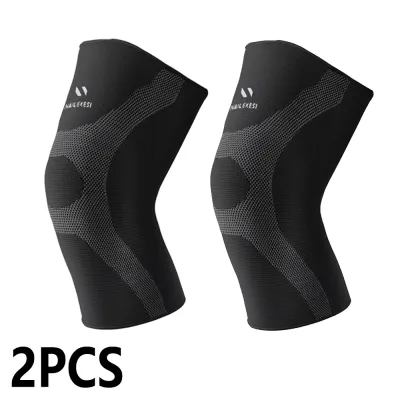
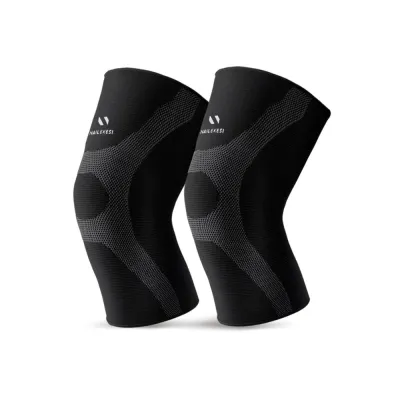
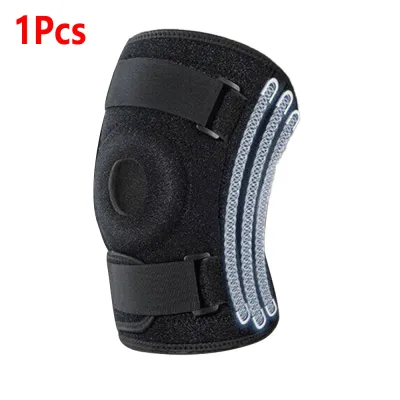
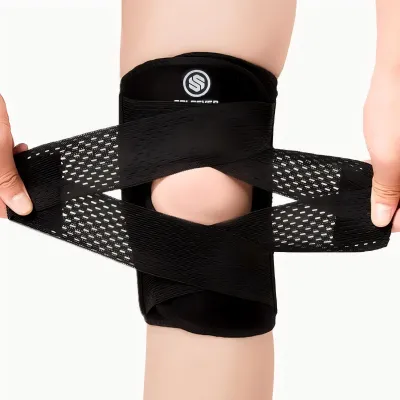
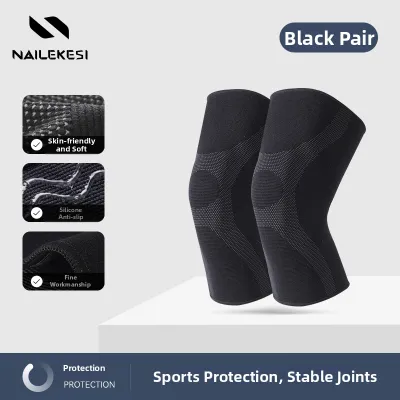
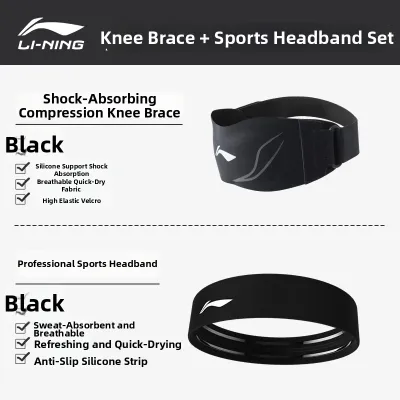
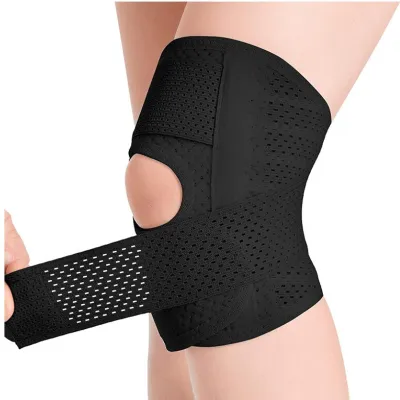
Prices are valid at publication and may change. Please refer to the product page for the latest price.
Compression supports your joint by increasing blood circulation and providing proprioceptive feedback—the sensory awareness of your joint’s position. Mild compression (typically 15 to 20 mmHg) is ideal for daily wear, light walking, and maintaining muscle warmth during workouts. Medical-grade compression (20 to 30 mmHg or higher) is designed for clinical recovery, severe swelling, or post-surgical rehabilitation. However, higher compression demands absolute precision in sizing. If a high-compression sleeve is even slightly too small for a plus-size leg, it can act like a tourniquet, leading to numbness, increased swelling in the lower leg, or deep tissue irritation.
The Philippine climate presents a unique challenge for orthopedic gear. Traditional neoprene is excellent for retaining heat and providing structural stiffness, but in local humidity, it quickly becomes a hotbox for sweat, leading to heat rashes, fungal infections, and severe skin chafing. For active sports, prioritize lightweight, 3D-knit fabrics or moisture-wicking synthetic blends that feature dedicated ventilation zones behind the knee. If you require the heavy-duty support of neoprene, look for perforated neoprene or open-patella designs that allow heat to escape from the front of the joint.
One of the most common complaints among plus-size users is that knee braces slide down during movement. Because the thigh naturally tapers toward the knee, gravity and muscle contraction work together to push the brace downward. To combat this, verify that the support features robust anti-slip mechanisms. Look for double-wave silicone grip strips along the top inner hem, wide elastic bands that distribute tension evenly, or integrated adjustable straps that allow you to anchor the brace securely above the calf muscle. Reinforced, double-stitched edges also prevent the fabric from curling or rolling over itself under pressure.
Recommended Knee Support Designs for Sports and Recovery
Selecting the right knee support requires matching the physical design of the brace to your specific physical activities, recovery status, and body mechanics. A runner training on concrete roads in Manila needs a vastly different support system than someone recovering from an ACL reconstruction or a lifter squatting heavy weights in a local gym. High-quality supports in the Philippine market generally range from entry-level compression sleeves priced around ₱500 to heavy-duty medical braces exceeding ₱3,500.

Hinged Braces for Maximum Stability and Post-Injury Recovery
Hinged knee braces are designed for individuals requiring maximum lateral stability, such as those recovering from moderate-to-severe ligament sprains (including ACL, MCL, or LCL tears) or managing advanced osteoarthritis. They are also highly beneficial for plus-size athletes engaging in heavy strength training or navigating uneven outdoor terrain, where lateral joint sheer is a constant risk.
When selecting a hinged brace, verify that the bilateral hinges are constructed from lightweight, high-strength materials like aircraft-grade aluminum or reinforced polymer. For larger legs, a wraparound design is highly recommended over a pull-on sleeve, as it allows you to position the hinges perfectly along the sides of your joint without struggling to pull a tight sleeve over a swollen knee. Look for wide, heavy-duty hook-and-loop straps that wrap in opposing directions to lock the hinges in place and prevent shifting.
Hinged braces are inherently bulky and heavy, which can accelerate fatigue during prolonged use. They physically restrict your lateral range of motion to protect the joint, making them unsuitable for high-agility sports, fast-paced court games, or activities requiring rapid directional changes. Additionally, the rigid frames can trap heat and moisture against the skin, requiring frequent breaks to check for irritation.
Compression Sleeves for Active Sports and Sweat Management
Compression sleeves are best suited for runners, walkers, weightlifters, and court-sport players who do not have severe joint instability but require mild to moderate support, pain relief, and enhanced joint awareness. They are excellent for managing minor aches, reducing post-workout soreness, and keeping the joint warm during rest periods.
For a secure plus-size fit, look for sleeves engineered with 4-way stretch fabrics that contour to the natural curves of your leg without binding. Graduated compression—where the pressure is firmest around the knee and gradually decreases toward the thigh—promotes healthy blood flow. Verify that the sleeve features flatlock seams or a seamless knit construction to eliminate friction points against the skin during repetitive movements like running or cycling.
Compression sleeves provide minimal structural support. They cannot prevent lateral joint twisting or hyperextension, meaning they are not a safe substitute for a mechanical brace if you have a structurally compromised ligament. Furthermore, because they are pull-on designs, they can be incredibly difficult to put on or take off when your leg is swollen, sweaty, or if you have limited hand strength.
Wraparound Supports for Adjustable Fit and Fluctuating Swelling
Wraparound supports offer a highly versatile middle ground, making them ideal for individuals dealing with fluctuating joint swelling, localized inflammation, or those who find pull-on sleeves too restrictive. They are highly favored by fitness enthusiasts who need to adjust the tightness of their support throughout a workout or during long periods of sitting and standing.
Look for designs featuring wide, medical-grade Velcro straps that allow for micro-adjustments across different zones of the thigh, knee, and calf. Premium wraparound models often include integrated patellar tracking pads or silicone gel inserts that encircle the kneecap, keeping it properly aligned during movement. Opt for breathable neoprene alternatives, such as engineered spacer fabrics, which provide the compression of neoprene without the heat retention.
The primary limitation of wraparound supports is the durability of the fastening systems. Over time, sweat, lint, and repeated washing can degrade the hook-and-loop fasteners, reducing their holding power. Additionally, because they rely on overlapping straps, they do not provide the perfectly uniform, 360-degree compression profile of a high-quality seamless knit sleeve.
How to Measure Your Leg for a Secure Plus-Size Fit
An improperly fitted knee support is not just uncomfortable; it can actively worsen your joint issues by restricting circulation, causing skin damage, or failing to provide any actual stabilization. Taking accurate measurements is the most critical step in securing a support that performs as intended.
To get an accurate measurement, you will need a flexible fabric measuring tape. If you do not have one, you can use a piece of string and measure it against a standard ruler. Stand up with your weight distributed evenly on both legs, keeping your target knee slightly bent (approximately 30 degrees) and your leg muscles relaxed. Locate the center of your kneecap (patella). Measure the circumference of your thigh exactly 15 centimeters (about 6 inches) above the center of your kneecap. This is your thigh measurement. Next, measure the circumference of your calf exactly 12 centimeters (about 4.7 inches) below the center of your kneecap. This is your calf measurement. Finally, measure the circumference directly around the center of your kneecap for models that require a patellar measurement.
Once you have your measurements in centimeters, cross-reference them directly with the manufacturer’s specific sizing chart for that exact model. Never assume that a “2XL” in one brand corresponds to a “2XL” in another. Many international brands design their sizing around smaller body archetypes, whereas specialized orthopedic brands offer dedicated plus-size lines with wider thigh-to-calf ratios. If your measurements fall between two sizes, the general rule of thumb is to size up if you are buying a rigid hinged brace or a highly compressive sleeve to prevent constriction. If you are buying an adjustable wraparound support, sizing down within the overlap zone can sometimes provide a more secure fit, but you must ensure the straps are long enough to close fully.
When your knee support arrives, perform a physical assessment before using it for sports or long-term wear. Put the support on and pay close attention to how it feels. Your toes and lower foot should feel warm and retain their normal color; if you experience numbness, coldness, tingling, or a throbbing sensation, the support is too tight. Bend your knee fully to ensure the fabric or hinges do not pinch the sensitive skin in the space behind your knee. Finally, perform three to five slow, bodyweight squats or walk around your room for two minutes. The support should remain firmly in place without rolling down your thigh or bunching up behind your knee. If it slips immediately during a basic walk, the sizing is incorrect or the anti-slip features are inadequate for your leg shape.
Safety Boundaries and Care for Knee Supports
While a knee support is an invaluable tool for managing discomfort and enhancing confidence, it is essential to recognize its physical and medical limits. No piece of equipment can replace natural joint strength, proper athletic form, or professional medical rehabilitation.
Knee supports are designed to assist your muscles and ligaments, not to do their job entirely. Relying on a highly supportive brace 24/7 can lead to muscle atrophy, as the surrounding muscles (such as your quadriceps and hamstrings) stop working as hard to stabilize the joint. Use your support during active training sessions, long walks, or periods of acute discomfort, but prioritize targeted strength and mobility exercises to rebuild your body’s natural stability. If you experience sudden joint locking, severe swelling, a popping sound accompanied by intense pain, or an inability to bear weight, stop using the support immediately and consult an orthopedic physician or physical therapist.
The hot, humid environment of the Philippines increases the risk of skin breakdown under tight sports gear. Sweat trapped beneath synthetic fabrics can quickly lead to contact dermatitis, heat rashes, or bacterial infections. Never apply a knee support over wet skin, freshly applied heavy lotions, or warming rubs, as the trapped heat can cause chemical burns or severe blistering. If you plan to wear your support for an extended outdoor activity, consider applying a thin layer of anti-chafing balm to areas prone to friction, such as the crease behind your knee, and ensure the skin is completely dry before putting the brace on.
To preserve the compression fibers, elastic tension, and silicone grip strips of your knee support, establish a regular, gentle cleaning routine. Sweat, body oils, and dirt degrade elastane and silicone over time, causing the brace to lose its stretch and slide down. Hand-wash the support in cool water using a mild, pH-neutral liquid detergent. Avoid fabric softeners, bleach, or harsh laundry powders, as they break down the elastic polymers and ruin the grip of silicone strips. Gently squeeze out excess water without wringing or twisting the fabric, which can warp internal stays or hinges. Lay the support flat on a clean towel to air-dry in a well-ventilated, shaded indoor area. Never place your knee support in a mechanical dryer, and avoid exposing it to direct, harsh Philippine sunlight, as extreme heat will melt silicone grips and destroy the elastic fibers.
Frequently Asked Questions (FAQ)
Can I wear a plus-size knee support all day?
You should generally avoid wearing a knee support all day unless specifically instructed by a medical professional. For mild compression sleeves, wearing them during active hours (such as an eight-hour work shift involving standing) is acceptable, provided you take short breaks to let your skin breathe. However, rigid hinged braces and high-compression supports should be restricted to active periods, sports, or physical therapy sessions. Wearing them continuously can restrict local blood circulation, cause skin irritation in hot weather, and weaken your stabilizing muscles over time.
What should I do if the knee brace rolls down my thigh?
If your knee brace continuously rolls down, first verify that you are wearing the correct size. A brace that is too small will overstretch, causing the elastic band to curl and roll downward under tension. If the sizing is correct, try repositioning the brace slightly higher on your thigh so the anti-slip silicone band sits flat against your skin rather than on top of your clothing or activewear. For individuals with highly tapered thighs, switching from a pull-on sleeve to an adjustable wraparound design or a model with cross-over straps can provide a more secure, customizable anchor that resists sliding.
Community discussion
Share your experience or ask a question. Comments are reviewed before publication.