
Selecting the right performance gear is a critical decision for any competitive cheerleading squad. In the Philippines, school cheerleading has grown into a highly athletic, high-stakes discipline, highlighted by major national and regional tournaments. To achieve the perfect balance of visual impact and athletic safety, teams must carefully evaluate the physical specifications of their equipment. When searching for the ideal poom pooms for cheering, coaches and pep squad directors must look beyond basic aesthetics. The selection process requires a close examination of material durability, handle security, weight distribution, and strict compliance with local league guidelines.
Performing under intense arena lights or in humid, non-air-conditioned gymnasiums presents unique physical challenges. A poorly constructed prop can slip from an athlete’s hand, shed strands across the performance mat, or fail to catch the light effectively, directly impacting the team’s overall score. By understanding the technical differences between various materials, sizes, and handle configurations, school squads can invest in equipment that enhances their choreography while keeping their athletes safe during high-velocity routines.
Meeting the Visual and Performance Standards of Philippine School Leagues
Philippine campus sports culture places an immense emphasis on visual presentation, energy, and precision. In major collegiate leagues such as the University Athletic Association of the Philippines (UAAP) and the National Collegiate Athletic Association (NCAA), as well as local high school divisions, the cheerleading competition is often the most anticipated event of the season. Pom-poms serve as a vital visual aid during these routines, amplifying the sharpness of motion sequences, transitions, and crowd-leading segments. When a squad of twenty-five athletes executes a synchronized high-V or T-motion, the collective flash of the pom-poms draws the eyes of both the spectators and the judging panel, creating an illusion of perfect uniformity even during rapid formations.
Products mentioned in this guide
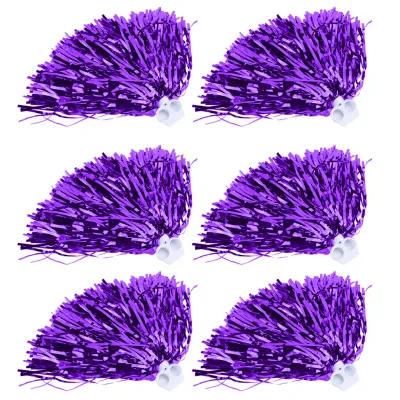
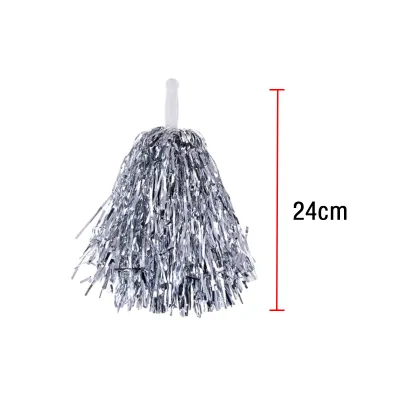
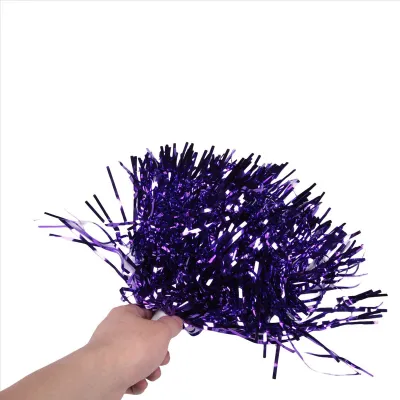
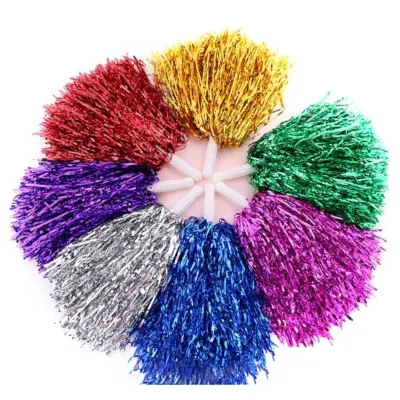
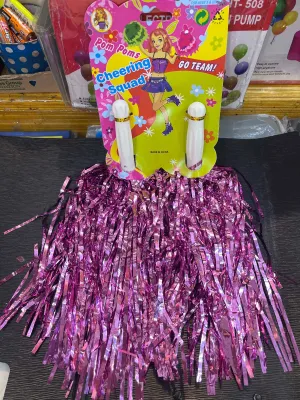
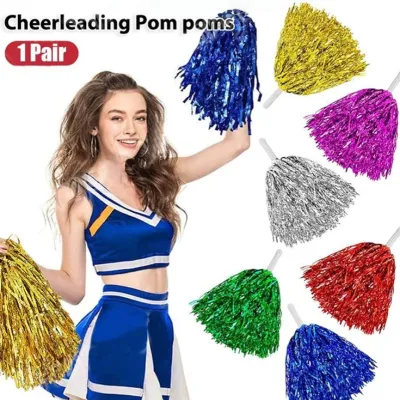
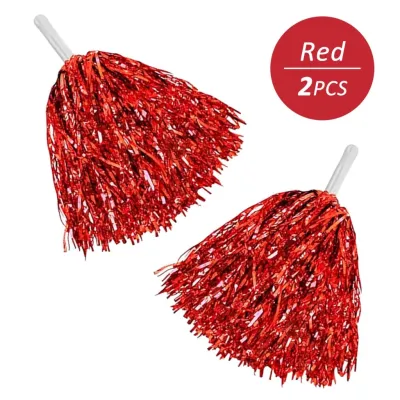
Prices are valid at publication and may change. Please refer to the product page for the latest price.
Before placing a bulk order for any school squad, it is imperative to consult the current year’s official competition rulebook. Technical committees regularly update guidelines regarding permissible props to ensure safety and fair play. Many local leagues enforce strict limitations on maximum prop dimensions, the use of highly reflective or holographic materials that could blind judges, and the structural design of the handles. For example, props with exposed metal wire, sharp plastic edges, or excessively heavy internal dowels are frequently banned because they pose a direct risk of injury during tosses, pyramids, and fast-paced transitions. Non-compliant equipment can result in severe point deductions or immediate disqualification before the routine even begins.
Beyond simple rule compliance, the choice of pom-poms directly influences crowd engagement scores. In Philippine cheerleading, the ability to lead the stadium in chants and responses is a heavily weighted scoring category. Highly visible, resonant pom-poms help direct the crowd’s attention and signal when to participate in school cheers. If the props are too small or lack sufficient reflectivity, their visual impact is lost in large coliseums, such as the Smart Araneta Coliseum or the Mall of Asia Arena. Conversely, selecting the correct size and color contrast ensures that every arm movement translates clearly to the highest rows of the stadium, maximizing the team’s crowd-leading effectiveness.
Essential Features to Evaluate When Buying Poom Poms for Cheering
To make an informed purchasing decision, school teams must evaluate the specific design features of modern poom pooms for cheering. These features dictate how the props behave mid-air, how comfortable they are for the athletes to hold, and how well they withstand the physical rigors of a multi-month training calendar.

Material and Finish (Metallic, Holographic, and Matte)
The material finish of a pom-pom determines its visual behavior under different lighting conditions. Metallic foils are the industry standard for indoor arena competitions. They feature a thin, highly reflective coating that catches overhead spotlights, creating a brilliant, shimmering effect that emphasizes fast hand movements. For outdoor field performances or daytime school pep rallies, however, metallic finishes can sometimes produce an intense, concentrated glare that distracts the athletes or obscures their facial expressions.
Holographic films offer a multi-dimensional, color-shifting effect that changes hue depending on the angle of the light. While visually striking, holographic materials tend to be slightly heavier and stiffer than standard metallic foils, which can alter the aerodynamic flow of the strands during rapid shakes. Matte plastic finishes, on the other hand, provide solid, non-reflective blocks of color. Matte pom-poms are highly favored for outdoor performances under direct sunlight or for routines that incorporate heavy modern dance and hip-hop elements, as they deliver clean, graphic lines without any distracting reflections.
Size, Weight, and Strand Width
The physical dimensions of the pom-pom directly affect both the visual volume and the physical strain placed on the athlete’s wrists. Most competitive school squads choose between 6-inch and 7-inch diameter models. A 6-inch pom-pom is compact, lightweight, and highly aerodynamic, making it the preferred choice for fast-paced routines with intricate arm choreography and frequent transitions. A 7-inch pom-pom offers significantly more visual coverage and looks exceptionally full from a distance, but the added volume increases air resistance and overall weight.
Strand width, typically ranging from 1/2 inch to 3/4 inch, also plays a crucial role in performance. Narrower 1/2-inch strands create a softer, cloud-like appearance and produce a high-pitched rustling sound when shaken. However, they are more prone to tangling and static cling, especially in humid environments. Wider 3/4-inch strands are more durable, resist tangling, and provide a crisper, more distinct “crackle” sound that helps accentuate rhythmic accents in the music. The cumulative weight of these strands must be carefully managed; even a few extra grams can lead to premature shoulder and wrist fatigue during a grueling three-minute routine.
Handle Options for Secure Grip
Handle design is a critical safety and performance factor that directly influences grip stability. The three primary handle configurations are traditional baton handles, block handles, and hidden loop handles.
- Baton Handles (Dowels): These consist of a solid plastic or wooden stick running through the center of the pom-pom. They allow the athlete to spin and transition the prop easily between hands. However, they require a constant, firm grip, which can be difficult to maintain during complex choreography.
- Block Handles: These feature a rectangular plastic block in the center, offering a wider surface area for the hand. While they provide excellent stability for basic motions, they can feel bulky for athletes with smaller hands.
- Hidden Loop Handles (Wrist Straps): These utilize elastic bands or plastic loops that secure directly around the fingers or wrist. This design is highly recommended for versatile routines because it allows the athlete to open their hands completely to catch a flyer or execute a stunt without dropping the prop.
In the tropical climate of the Philippines, high humidity and intense physical exertion result in heavy sweating. Plastic and wooden handles can quickly become dangerously slippery. To mitigate this risk, teams should look for handles with textured, non-slip surfaces, or manually wrap the handles with high-friction athletic grip tape before training begins.
Recommended Pom-Pom Types for Different Cheer Routine Segments
Competitive cheerleading routines are highly dynamic, often divided into distinct segments including traditional cheering, tumbling, stunting, and dance. Because no single pom-pom design is perfect for every athletic task, coaches should consider allocating different styles of props to athletes based on their specific roles within the routine.
High-Flash Metallic and Holographic for Traditional Cheers
During the opening sequence and dedicated crowd-response segments of a routine, the primary goal is to command the attention of the entire stadium. For these portions, high-flash metallic and holographic pom-poms are highly recommended. The intense light reflection from these materials ensures that even simple, synchronized arm motions look powerful and expansive.
When utilizing these highly reflective props, it is important to note their limitations under direct, high-intensity stadium spotlights. If the arena lighting is exceptionally bright, a solid wall of holographic silver can create a blinding glare that makes it difficult for judges to evaluate the precision of the team’s arm placements. To counter this, many top-tier squads utilize a two-tone blend, mixing a highly reflective metallic foil with a solid matte color to maintain visual depth and clear motion lines.
Lightweight and Compact Options for Tumbling and Stunts
For team members who are heavily involved in tumbling passes, pyramids, and partner stunts, heavy or bulky pom-poms are a major safety hazard. Flyers, bases, and spotters require maximum hand mobility and a secure grip to prevent catastrophic falls. For these athletes, lightweight and compact 4-inch or 6-inch pom-poms with hidden loop or wrist-strap handles are the ideal choice.
These compact designs allow bases to maintain secure, skin-to-skin contact when supporting a flyer’s foot during a stunt, while the pom-poms hang safely from their wrists or fingers. For tumblers, lightweight props minimize the centrifugal force exerted on the wrists during round-offs and back handsprings, reducing the risk of joint strain and ensuring that the hands can be placed flat on the mat with minimal interference.
Matte or Two-Tone Blends for Dance and Hip-Hop Segments
Modern school cheer routines frequently incorporate dedicated dance and hip-hop segments that demand sharp, intricate, and stylized movements. In these segments, the visual goal shifts from sheer reflectivity to clean choreography execution. Matte or two-tone blended pom-poms are highly effective here.
Because matte materials do not reflect light, they do not create a blurry visual haze when moved rapidly. This allows the judges to see the exact angles of the wrists, elbows, and shoulders, ensuring that the team’s synchronization is fully appreciated. Using a two-tone blend that matches the school’s primary and secondary colors also adds excellent contrast, making formations and visual ripples look significantly sharper.
Sizing, Color Matching, and Bulk Ordering for School Teams
Managing the logistics of a bulk equipment purchase is a major responsibility for pep squad managers and school athletic departments. To ensure a successful procurement process, several practical factors must be addressed systematically.
First, handle sizing must be matched to the physical demographics of the squad. High school pep squads, which may include younger athletes with smaller hands, require shorter and thinner baton handles to ensure a secure grip. Collegiate squads can generally utilize standard adult-sized handles. If a single uniform handle size is ordered for a mixed-age squad, younger athletes may struggle with grip fatigue, leading to dropped props during the performance.
Second, achieving an exact color match with the school’s official branding is paramount for team pride and visual uniformity. When ordering custom pom-poms, never rely solely on digital product images, as screen calibrations can significantly distort colors. Always request physical material swatches or color-matching codes (such as Pantone matching values) from the supplier. It is also important to anticipate slight batch-to-batch color variations; ordering the entire squad’s inventory in a single bulk shipment minimizes the risk of noticeable color discrepancies on competition day.
Finally, when coordinating bulk orders through local sports equipment distributors or specialized international cheer suppliers, utilize the following procurement checklist:
- Lead Times: Custom manufacturing and international shipping can take anywhere from 4 to 8 weeks. Always place bulk orders at least two to three months before the competition season begins to account for potential customs delays.
- Quality Control Inspections: Upon receiving the shipment, immediately inspect the central binding mechanism of every pom-pom. Ensure that the cable ties or wire bands are tightly secured and that there are no sharp edges protruding from the handles.
- Shipping Logistics: In the Philippines, local delivery times can fluctuate significantly during the typhoon season (typically June to November). Coordinate with suppliers to use reliable, trackable courier services, and ensure the package is waterproofed to protect the foil materials from moisture transit damage.
Maintaining and Storing Pom-Poms in a Tropical Climate
The tropical climate of the Philippines, characterized by high temperatures and relative humidity levels that frequently exceed 80 percent, can drastically shorten the lifespan of competitive cheer equipment if proper care is not taken. Metallic foils and plastic adhesives are highly sensitive to environmental degradation.
To prevent metallic foils from becoming sticky, oxidizing, or permanently deforming, storage conditions must be carefully managed. Never store pom-poms in airtight plastic containers or unventilated school equipment lockers, as this traps ambient moisture and accelerates the breakdown of the metallic coating. Instead, store them in breathable mesh bags that allow constant airflow. Keep the storage area cool, dry, and completely out of direct sunlight. To maintain their spherical shape, avoid compressing the pom-poms under heavy gear bags; instead, store them flat or hang them from their handles.
Cleaning pom-poms requires a gentle, low-risk approach to preserve the delicate foil coatings and adhesives:
- Handle Cleaning: Wipe the plastic or wooden handles with a clean cloth slightly dampened with water and mild soap to remove sweat residue and body oils.
- Avoid Solvents: Never use chemical solvents, alcohol-based sanitizers, or bleach on the strands, as these will instantly dissolve the metallic or holographic finish.
- No Submersion: Avoid submerging the pom-poms in water. If the strands become wet from sweat or rain, gently shake them out and allow them to air-dry completely in a shaded, well-ventilated room.
Prior to competition day, perform a thorough airing and fluffing routine. Take the pom-poms out of storage a few days before the event, shake them vigorously outdoors to release any trapped moisture, and let them hang in a well-ventilated space. This simple step eliminates any musty storage odors and ensures the strands are fully fluffed and static-free, ready to deliver maximum visual impact on the competition mat.
Frequently Asked Questions (FAQ)
Are there specific size restrictions for pom-poms in UAAP or NCAA?
While major Philippine leagues like the UAAP and NCAA do not enforce a single, universal dimension limit for pom-poms, individual league technical handbooks do restrict any props that pose a safety hazard or obstruct the judges’ view of required technical elements. Typically, pom-poms with diameters exceeding 8 inches are discouraged as they can obscure body alignment and motion execution. Always review the specific technical guidelines issued by your league’s organizing committee at the start of the academic year to ensure full compliance.
How do I prevent metallic pom-poms from shedding strands during a routine?
Shedding is usually caused by loose central bindings or excessive physical pulling during high-velocity choreography. To minimize shedding on the competition mat, perform a rigorous inspection of the central cable tie or wire band on each prop before use. Before the first practice session, take new pom-poms outdoors and give them a vigorous shake and spin to naturally shed any loose manufacturing fragments. Advise athletes to avoid pulling on individual strands and to store the props without heavy compression, which weakens the strand attachments.
Should we buy backup pairs for competition day?
Yes, it is highly recommended to order a safety buffer of 5% to 10% extra pairs during your initial bulk procurement. For a standard squad of 25 athletes, keeping 2 to 3 identical backup pairs on hand ensures that the team is fully prepared for unexpected mid-routine tears, accidental loss, or last-minute roster changes. Having identical backups readily available prevents the visual inconsistency of an athlete performing with a mismatched or damaged prop under the arena spotlights.
Community discussion
Share your experience or ask a question. Comments are reviewed before publication.