
School cheerleading in the Philippines is far more than a halftime show; it is a highly competitive, high-energy sport that brings communities together during intramural games, regional athletic meets, and national championships. For young athletes just starting their journey in elementary school pep squads, every piece of equipment plays a vital role in their safety, comfort, and performance. Among these tools, the humble pom pom is perhaps the most iconic, serving as an extension of the cheerleader’s movements to create sharp, synchronized visual patterns. Finding the best pom poms for kids requires balancing eye-catching visual appeal with physical safety, ensuring the gear is scaled to their physical development and resilient enough to withstand intense practice schedules.
Selecting the right pom poms for young cheerleaders involves looking beyond simple color matches to evaluate material durability, handle ergonomics, and weight. In the tropical Philippine climate, where high humidity and open-air gymnasiums are the norm, these factors become even more critical. Poorly chosen gear can lead to rapid wear and tear, wrist fatigue, or safety hazards like slippery residues on polished wooden courts. By understanding the specific needs of young performers and the physical demands of school routines, coaches and parents can select equipment that enhances the performance while protecting the physical well-being of the children.
What to Look for in Kids' Cheerleading Pom Poms
When selecting cheerleading pom poms for children, several key performance and safety criteria must be evaluated to ensure the gear supports their athletic development. Unlike adult cheerleaders who have the hand size and wrist strength to handle heavy, dense pom poms, young athletes require equipment tailored to their smaller frames and developing motor skills.
Products mentioned in this guide
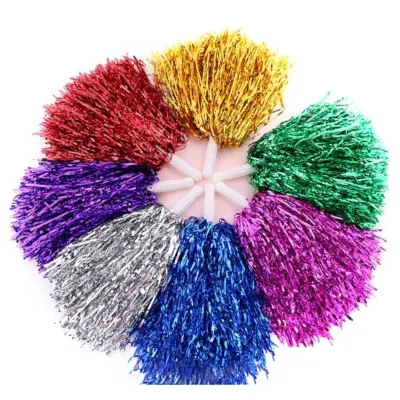
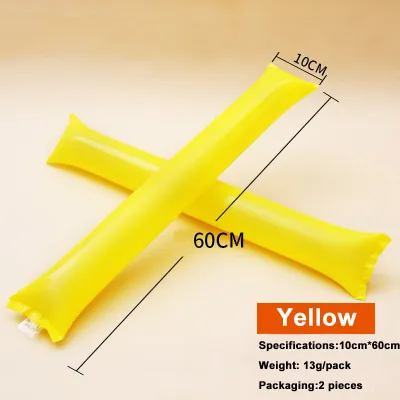
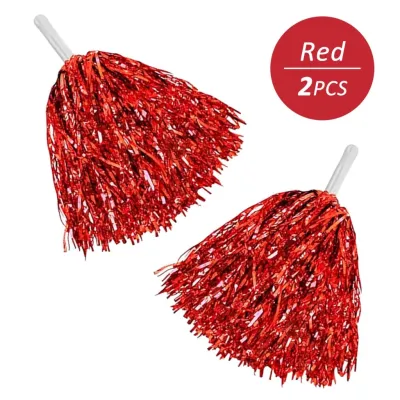
Prices are valid at publication and may change. Please refer to the product page for the latest price.
Visual Impact and Visibility
The primary purpose of a pom pom is to amplify the visual impact of a cheerleader’s arm movements, making transitions and formations clear to spectators and judges. In Philippine school sports, venues can range from brightly lit indoor coliseums to dimly lit covered courts or outdoor barangay plazas under direct sunlight. To ensure maximum visibility under these diverse lighting conditions, look for materials with high reflectivity and color vibrancy. Metallic and holographic finishes are highly effective at catching light, creating a shimmering effect that makes even simple arm extensions look sharp and dynamic. For outdoor daytime performances, highly saturated solid colors can also provide a striking contrast against the sky or concrete backdrops.
Durability and Material Integrity
Kids’ cheer routines are fast-paced and repetitive, involving rapid shaking, high-impact ground strikes, and frequent drops. This vigorous activity puts immense stress on the pom pom’s construction, making durability a primary concern. High-quality pom poms are designed to resist shedding, which is the gradual loss of individual strands during use. Shedding not only thins out the pom pom over time, reducing its visual fullness, but it also litters the performance surface. Loose plastic or metallic strands on a polished wooden gym floor can create a significant slipping hazard for cheerleaders performing jumps, stunts, or tumbling passes. When evaluating options, inspect the central attachment point—whether it uses heavy-duty cable ties, wire, or molded plastic anchors—to ensure the strands are securely locked in place.
Handle Design and Safety
The design of the handle is a critical factor in preventing hand fatigue and ensuring a secure grip during complex choreography. Children’s hands are significantly smaller than those of adults, meaning standard-sized handles can lead to finger cramping and accidental drops. Look for ergonomic handles specifically scaled for kids, such as thin batons, contoured plastic grips, or elastic loop handles that slip over the fingers. It is also vital to check the physical safety of the handle material. Avoid cheap, brittle plastics that can crack under pressure, leaving sharp edges that could cut or scratch a child’s hand. Smooth, rounded edges and high-impact plastics are essential for preventing minor injuries during intense practice sessions.
Weight Considerations
Wrist strain and shoulder fatigue are common complaints among young cheerleaders who are given oversized or overly dense pom poms. A pom pom that feels light during a quick test can become incredibly heavy by the end of a three-minute routine, leading to dropped wrists, poor posture, and a higher risk of joint strain. For younger age groups, lightweight designs are crucial for maintaining proper technique and preventing injury. Keeping the weight minimal allows children to focus on execution, timing, and synchronization without being physically overwhelmed by their equipment. Coaches should prioritize lightweight, high-volume options that offer a full look without adding unnecessary physical strain to the athlete’s developing joints.
Recommended Pom Pom Types for School Routines
Different performance settings and age groups require different material characteristics. Understanding the physical properties of each pom pom type allows coaches and parents to select the most appropriate gear for their specific school routines.

Metallic Mylar Pom Poms
Metallic Mylar pom poms are the gold standard for competitive school cheerleading, offering unmatched reflectivity and a classic professional look. Made from ultra-thin, aluminized polyester film, these pom poms catch and multiply light from every angle, making them highly visible in large school gymnasiums and indoor sports arenas. The thinness of the Mylar film makes these pom poms exceptionally lightweight, which is a significant advantage for younger children who need to execute fast, crisp arm movements without experiencing early muscle fatigue.
However, the delicate nature of Mylar presents some practical challenges for school squads. The thin strands are highly susceptible to crinkling, tangling, and tearing if they are stuffed carelessly into school backpacks, stepped on during practice, or exposed to rough handling. Once crinkled, Mylar strands lose their flat, reflective surface and can appear dull and messy. To preserve their pristine appearance, metallic Mylar pom poms are best reserved for formal performances, pep rallies, and dress rehearsals, rather than daily, high-intensity training sessions.
Holographic and Glitter Pom Poms
For school teams looking to make a modern, dynamic statement on the competition floor, holographic and glitter pom poms are an excellent choice. Holographic materials feature a specialized multi-angle light reflection pattern that shifts colors as the cheerleader moves, creating a mesmerizing, three-dimensional visual effect that stands out during complex choreography. This unique aesthetic quality adds a level of sophistication to routines, helping school squads capture the attention of judges in regional competitions.
The material used to create holographic and glitter finishes is typically thicker and stiffer than standard metallic Mylar. While this extra thickness gives the pom pom a fuller, more substantial appearance and a highly fluid movement pattern, it also adds to the overall weight. Coaches must verify that younger cheerleaders have the physical strength to handle this slight increase in weight without compromising their form. Additionally, when choosing glitter-infused options, it is essential to check for sealed edges. Low-quality glitter pom poms can shed fine glitter particles onto polished wooden gym floors, creating a highly slippery surface that poses a safety hazard for tumbling and stunts. Always shake out new glitter pom poms outdoors to verify their structural integrity before allowing them to be used on indoor courts.
Durable Plastic and Vinyl Pom Poms
When it comes to daily practice sessions, outdoor pep rallies, and younger grade levels, durable plastic and vinyl pom poms are often the most practical and cost-effective option. These pom poms are constructed from thicker, high-density polyethylene or vinyl strands, which offer exceptional tear resistance and structural durability. They can withstand being dropped on concrete school courts, stepped on, or packed tightly into school bags without losing their shape or shedding.
Another major benefit of plastic and vinyl pom poms is their ease of cleaning and maintenance. Unlike delicate metallic options, vinyl strands can be wiped down with a damp cloth or gently rinsed with water to remove dust, sweat, and dirt accumulated during outdoor practices. This makes them highly hygienic and long-lasting, even when shared among squad members. The primary trade-off is their visual impact and weight. Plastic and vinyl do not reflect light with the same brilliance as Mylar or holographic materials, and the thicker strands make them noticeably heavier. When using these for daily training, ensure the size is kept small enough to prevent wrist fatigue, allowing the child to build strength gradually before transitioning to lighter, more delicate performance gear.
Sizing and Weight Guide by Age Group
Selecting the correct size and weight of pom poms is essential for ensuring both the safety of the young athlete and the visual symmetry of the cheer squad. Pom poms that are too large can obscure a child’s face, limit their range of motion, and cause physical strain, while pom poms that are too small may look underwhelming on a large competition floor.
Size Breakdown
Standard cheerleading pom poms are typically measured by the length of their individual strands, which usually ranges from 4 to 10 inches. For toddlers and preschoolers (ages 3 to 5) participating in introductory pep squads or play-based routines, a strand length of 4 to 6 inches is ideal. This compact size ensures the pom poms remain proportional to their small bodies and do not interfere with basic movements like clapping or marching. For elementary school students (ages 6 to 12), a strand length of 6 to 8 inches is recommended. This size provides a full, professional appearance from a distance while still allowing the child to maintain complete control over their arm motions without blocking their facial expressions.
Weight Limits and Handle Selection
Because physical development varies greatly among children, weight considerations should always take precedence over aesthetics. Heavy pom poms place excessive stress on the wrist and elbow joints, which can lead to repetitive strain injuries over a long season of practices. To prevent fatigue and ensure a secure grip, parents and coaches should always test the handle design and overall weight before placing a bulk order for a school team. Purchasing a single sample pair allows you to assess how comfortably the handle fits in a child’s hand. If the child’s wrist sags or their movements become sluggish during basic motions like “High V” or “T” extensions, the pom poms are too heavy or the handle is too thick, and a smaller or lighter option should be selected.
Sizing and Style Comparison Table
The following table provides general guidelines for matching pom pom specifications to different age groups in school cheerleading programs:
| Age Group | Recommended Size (Inches) | Handle Type | Best Use Case |
|---|---|---|---|
| Preschool & Kindergarten (Ages 3–5) | 4 to 6 inches | Elastic Loop or Finger Grip | Introduction to basic rhythm, play-based routines, and local school festivals. |
| Lower Elementary (Ages 6–8) | 6 inches | Baton or Contour Plastic Grip | Daily practice sessions, basic school pep rallies, and intramural sports events. |
| Upper Elementary (Ages 9–12) | 6 to 8 inches | Baton or Flat Grip | Competitive school leagues, advanced choreography, and regional cheer dance tournaments. |
Care and Storage for Humid Climates
The tropical climate of the Philippines presents specific challenges for maintaining sports equipment. High humidity levels, intense summer heat, and sudden monsoon rains can rapidly degrade the materials used in cheerleading pom poms if they are not cared for properly. Implementing a regular maintenance routine is essential for extending the lifespan of your squad’s gear.
Moisture Management
High relative humidity can cause metallic Mylar and holographic strands to stick together, clump, or lose their fluffy volume. When cheerleaders sweat during intense practices in non-air-conditioned school gyms, moisture transfer to the pom poms is inevitable. To prevent this moisture from ruining the gear, never allow wet or damp pom poms to remain packed inside a sealed plastic bag or at the bottom of a school backpack. If exposed to sweat or rain, hang the pom poms up by their handles in a well-ventilated indoor space to dry completely before storing them. For clumps in metallic strands, a gentle shake or a quick pass with a hair dryer on a strictly cool setting can help restore their original fluffiness and volume.
Proper Storage Methods
To prevent color fading and material degradation, store pom poms away from direct sunlight and extreme heat. Prolonged exposure to harsh UV rays can cause vibrant plastic and vinyl colors to fade and make the strands brittle, leading to premature snapping and shedding. The ideal storage solution is to hang the pom poms by their handles on hooks in a cool, dry closet. If hanging is not possible, store them flat in breathable mesh or canvas bags that allow air circulation. Avoid stacking heavy items on top of the pom poms, as this can permanently crush and deform the strands, ruining their shape and visual appeal for future performances.
Safe Cleaning Techniques
Regular cleaning helps maintain hygiene and keeps pom poms looking vibrant. For plastic and vinyl pom poms, wipe the handles with a soft cloth dampened with water and mild dish soap to remove sweat and dirt. You can also lightly mist the strands with water and shake them out vigorously to remove dust. For metallic Mylar and holographic pom poms, avoid water immersion entirely, as this can damage the reflective coatings. Instead, gently shake them out outdoors after each use to remove dust. Never use harsh chemical solvents, bleach, or alcohol-based cleaners on any pom pom type, as these substances can dissolve the adhesives holding the strands together, strip away reflective finishes, and compromise the structural integrity of the handles.
Frequently Asked Questions (FAQ)
Can kids use adult-sized pom poms for school routines?
Using adult-sized pom poms, which typically feature strand lengths of 10 inches or more, is not recommended for young children. Oversized gear is significantly heavier and features thicker handles, which can quickly cause wrist strain, finger cramping, and shoulder fatigue in developing athletes. Furthermore, large pom poms can restrict a child’s range of motion, tangle during fast transitions, and block their facial expressions, which are crucial for scoring in school competitions. Children should only transition to larger sizes once they have developed sufficient wrist strength and hand size, typically around high school age.
How do I prevent metallic pom poms from shedding?
While minor shedding is normal for new metallic pom poms, you can minimize strand loss through careful handling and storage. Instruct children to avoid pulling on individual strands and to refrain from dragging the pom poms on rough surfaces like concrete courts or grass. Always store the pom poms loosely in breathable bags rather than stuffing them tightly into crowded school backpacks. If a few strands become bent, crinkled, or partially detached, use sharp scissors to trim them neatly near the handle base rather than pulling them out, which can loosen the central binding and cause further shedding.
Where to buy cheerleading gear for school teams?
When sourcing pom poms for school squads, it is best to purchase from specialized sports equipment stores, official brand websites, or reputable e-commerce platforms that offer bulk purchasing options. To ensure quality, always verify the seller’s ratings and read customer reviews, paying close attention to feedback regarding strand durability and handle comfort. Check the platform’s return or replacement policy before ordering in bulk, as this allows you to return any defective items or swap sizes if the initial fit is not correct for the team.
Community discussion
Share your experience or ask a question. Comments are reviewed before publication.