
Staying hydrated in the tropical climate of the Philippines requires a reliable vessel that can withstand daily commutes, intense workouts, and long hours at a desk. The Quencha tumbler has emerged as a popular choice for keeping beverages cold or hot throughout the day. To select the ideal model for your lifestyle, you must evaluate how its specific features—such as lid designs, insulation ratings, and base materials—align with your daily environments.
Quick Guide to Matching Your Tumbler to Your Routine
Finding the right Quencha tumbler is not about finding a single perfect product, but rather identifying where you spend most of your day. A tumbler optimized for gym use requires quick-access sipping and a highly secure grip to handle sweaty hands and rapid movements. Conversely, an office-bound tumbler prioritizes desk-friendly features like noise-reducing bases and sweat-proof exteriors that protect electronic equipment. For outdoor adventures or long commutes on public transit, maximum temperature retention and robust dust protection become the primary considerations. Before making a purchase, assess your daily routine to determine which of these environments dominates your schedule. While some versatile models can span multiple settings, choosing a specialized configuration will significantly improve your daily hydration experience.
Core Features to Evaluate in Any Quencha Tumbler
To make an informed decision, you should understand the fundamental engineering components that dictate a tumbler’s performance. Evaluating these technical aspects ensures you choose a durable product that meets your expectations.
Products mentioned in this guide
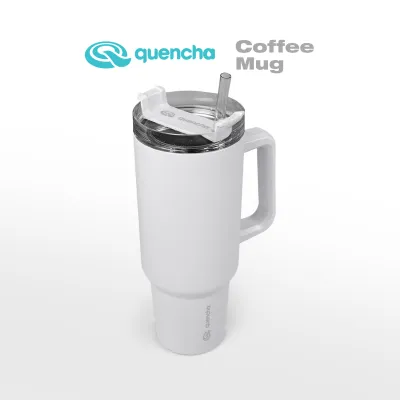
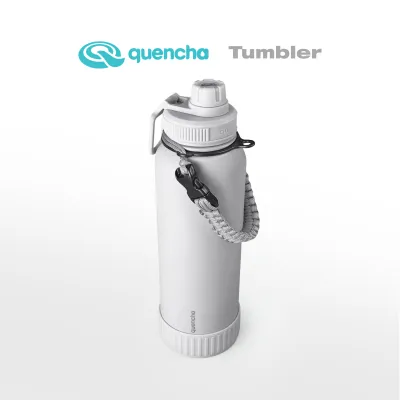
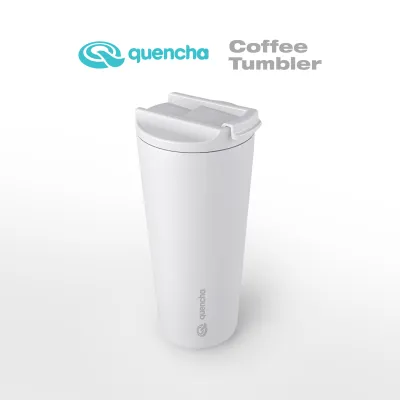
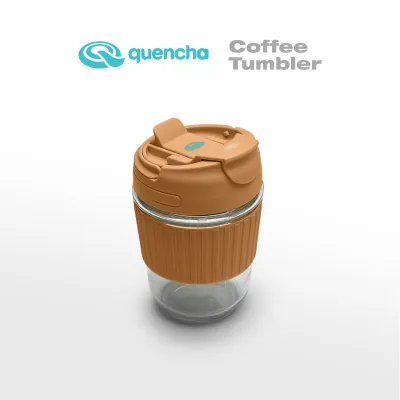
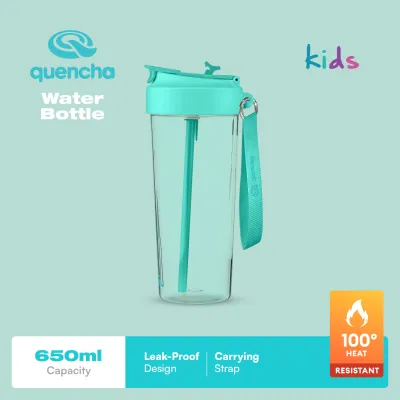
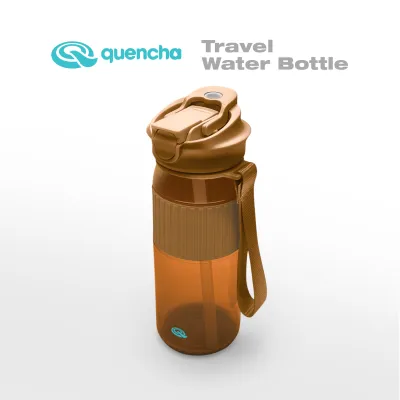
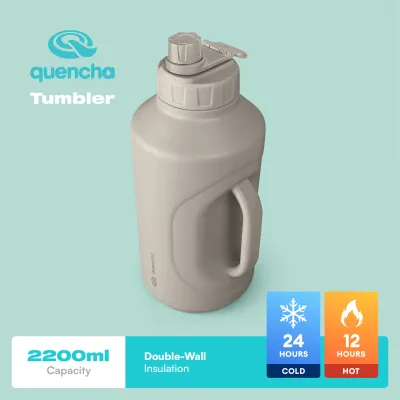
Prices are valid at publication and may change. Please refer to the product page for the latest price.

- Insulation Performance: Look closely at the manufacturer's specifications regarding double-wall vacuum insulation. This technology prevents heat transfer by conduction or convection. Rather than relying on generic marketing slogans, verify the specific hours of cold and hot retention listed on the product packaging or the official online store.
- Lid Mechanisms: The lid dictates both the ease of drinking and the spill resistance of your tumbler. Common options include straw lids, which allow for upright sipping; flip-top lids, which seal securely for transport; and sliding closures, which offer quick access but may not be entirely leak-proof if inverted. Choose a lid style that matches your physical activity level and carrying method.
- Material and Build Quality: High-quality tumblers are constructed from food-grade 18/8 (304) stainless steel, which resists rust and does not retain flavors. Check product listings or packaging to confirm that all plastic components, especially lids and straws, are certified BPA-free to ensure safe consumption over long-term use.
- Base Design: The bottom of your tumbler affects stability and noise. A bare metal base is durable but can create loud clanking noises on hard surfaces and is prone to sliding. A silicone-booted base provides traction, protects the metal from dents, and dampens sound when setting the vessel down.
Best Tumbler Features for Gym and Workout Sessions
An active workout environment demands a tumbler that can keep up with rapid movements, occasional drops, and the need for quick hydration between sets.
- Spill Resistance: Gym bags are often tossed into lockers, meaning your tumbler must feature a reliable, leak-resistant lid. Look for screw-on lids with tight silicone gaskets that prevent water from escaping when stored horizontally next to your gear.
- Grip and Ergonomics: Sweaty hands make smooth metal surfaces difficult to hold. Opt for tumblers with textured powder-coated finishes, silicone sleeves, or sturdy handles. These design elements ensure you can securely grab your bottle mid-run or during a heavy lifting session.
- Durability: Hard gym floors and metal weight racks pose constant hazards. Verify that the tumbler features a thick outer wall and a protective powder coating that resists chipping. A silicone boot is highly recommended to absorb shock and prevent structural damage to the vacuum seal.
- Hydration Access: When catching your breath between high-intensity intervals, you do not want to waste time unscrewing a cap. Straw lids or fast-flow flip caps are ideal because they allow you to drink quickly with one hand without tilting your head back.
Best Tumbler Features for Office and Desk Use
In a professional office setting, your tumbler needs to coexist seamlessly with keyboards, paper documents, and quiet shared workspaces.
- Condensation Control: Air-conditioned offices in the Philippines can create a stark temperature contrast against a cold drink, leading to condensation on single-walled containers. A high-quality double-wall insulated tumbler prevents outer condensation entirely. This sweat-proof exterior ensures that your desk remains dry, protecting sensitive electronics, laptops, and physical paperwork from water damage.
- Noise Reduction: Quiet office environments amplify the sound of metal clinking against wooden or glass desks. To maintain a professional atmosphere, look for a tumbler equipped with a silicone base cover. This simple accessory mutes the sound of every placement, allowing you to hydrate during quiet meetings or focused work sessions without distracting your colleagues.
- Commute Compatibility: For professionals who drive or take rideshare services to work, a tumbler must fit into standard vehicle cup holders. Before purchasing, measure the base diameter of the tumbler and compare it against standard cup holder dimensions (typically around 7.5 to 8 centimeters) to avoid a top-heavy bottle rolling around your car floor.
- Aesthetics and Customization: While performance is key, a sleek and professional design helps your tumbler blend into corporate environments. Matte finishes, neutral color palettes, and minimal branding are popular choices for office settings. Some users also prefer subtle laser engraving or color-coordinated silicone accessories to personalize their bottle while maintaining a polished look.
Best Tumbler Features for Outdoor and Commute Use
Commuting in the humid Philippine climate or hiking local trails requires a rugged container capable of maintaining ice-cold temperatures under direct sunlight.
- Temperature Retention: Outdoor exposure demands superior thermal performance. When walking through transit hubs or hiking under the sun, look for models boasting at least 24 hours of cold retention. This level of insulation ensures your ice remains solid, providing refreshing cold water even during long journeys in high-humidity conditions.
- Portability: Carrying a heavy, water-filled tumbler by hand quickly becomes tiring. Select models that feature integrated carrying loops, heavy-duty swing handles, or lids with built-in carabiner attachment points. These features allow you to clip the tumbler to your backpack straps or carry it effortlessly while navigating busy streets.
- Environmental Protection: Outdoor environments expose your drink to dust, vehicle exhaust, and insects. Choose a lid design that completely covers the mouthpiece when not in use. Fully sealable lids with dust caps or protective shrouds prevent outdoor debris from contaminating the area where your lips make contact.
- Exterior Durability: Sunlight and rough terrain can degrade a tumbler's exterior over time. Check the manufacturer's guidelines to ensure the powder coat is UV-resistant and designed to withstand abrasion. A durable exterior coating prevents the color from fading under intense tropical sunlight and resists scratching when placed on rocky ground or packed alongside metal outdoor gear.
Cross-Scenario Compatibility: Can One Tumbler Do It All?
Investing in multiple specialized tumblers is not always necessary if you plan your purchase strategically. Many users successfully adapt a single high-quality tumbler to serve all their daily needs.
- Interchangeable Accessories: One of the most cost-effective ways to achieve versatility is by using interchangeable lids. You can use a leak-proof loop lid for your rugged outdoor commute, swap it for a convenient straw lid once you arrive at your office desk, and switch to a high-flow lid for your evening gym session. Check if the brand offers compatible accessory packs to expand your tumbler's utility.
- Evaluating Trade-offs: While a single tumbler can be adapted, you must accept certain compromises. A large, heavy-duty 40-ounce tumbler offers exceptional cold retention for outdoor trips but may be too bulky for a standard car cup holder or too heavy to carry comfortably during a quick jog. Conversely, a compact 18-ounce tumbler is highly portable but will require frequent refills during a long workday or outdoor hike.
- Decision Framework: To decide if you need a second vessel, ask yourself these three questions:
1. Does my current tumbler fit into my daily commute vehicle's cup holder?
2. Is the capacity sufficient to keep me hydrated without constant refills during my longest activity?
3. Can I easily sanitize the lid mechanism to prevent flavor transfer between different beverages like morning coffee and afternoon water?
If you answer "no" to more than one of these questions, investing in a secondary, specialized tumbler is likely the most practical solution.
Cleaning and Maintenance in a Humid Climate
The high humidity of the Philippines creates an environment where mold, mildew, and bacteria can quickly multiply in damp, enclosed spaces. Proper cleaning is essential to preserve both your health and the lifespan of your tumbler.
- Daily and Deep Cleaning: Rinse your tumbler with warm, soapy water after every use, paying close attention to the threads of the lid where residue can accumulate. Use a dedicated straw brush to clean the interior of reusable straws. Once a week, perform a deep clean by soaking the lid components in a mixture of warm water and mild dish soap to break down any hidden buildup.
- Moisture Management: Never reassemble your tumbler while the parts are still damp. In humid climates, trapping moisture inside silicone gaskets or straw connectors will inevitably lead to mold growth. Lay all disassembled parts flat on a clean, dry towel in a well-ventilated area, allowing them to air-dry completely before storage.
- Dishwasher Safety: Before placing your tumbler in a dishwasher, always check the care instructions on the bottom of the bottle or the manufacturer's website. High water temperatures and intense drying cycles can warp plastic lids, degrade silicone seals, and potentially damage the vacuum seal of the stainless steel body. When in doubt, hand washing is always the safest method to preserve the integrity of your insulated vessel.
Frequently Asked Questions (FAQ)
Are Quencha tumblers dishwasher safe?
While the stainless steel body of some models may be marked as top-rack dishwasher safe, hand washing is generally recommended for all components. The high heat of a dishwasher cycle can warp plastic lids, degrade the elasticity of silicone seals, and damage the external powder coating over time. Always consult the specific care label included with your model before machine washing.
How long does a Quencha tumbler keep drinks cold?
Temperature retention varies significantly based on the tumbler’s capacity, the starting temperature of the beverage, and the style of lid used. Fully sealed lids maintain cold temperatures longer than straw lids or sliding closures. To find the exact performance rating for your specific model, check the product packaging or the official brand store listings for tested thermal specifications.
Can I put hot coffee in a Quencha tumbler?
Yes, the double-wall vacuum insulation of a Quencha tumbler is highly effective at keeping hot beverages warm. However, you must verify that your lid mechanism is rated for hot liquids. Some straw lids or tightly sealed flip lids can build up internal steam pressure, which may cause splashing or accidental burns when opened.
Community discussion
Share your experience or ask a question. Comments are reviewed before publication.