
Playing golf in the Philippines requires gear that can withstand intense tropical humidity, heavy sweat, and sudden afternoon downpours. The best quick drying towel for golf in this climate is a medium-weight (300 to 400 GSM) synthetic blend—specifically an 80/20 or 70/30 polyester and polyamide mix—featuring a waffle weave for heavy-duty club cleaning or a split-fiber microfiber weave for delicate hand and ball care. These materials lift moisture and dry significantly faster than standard cotton, ensuring your grips remain slip-free throughout an 18-hole round.
Why Quick-Drying Towels Are Essential for Golf in the Philippines
Navigating a round of golf at courses in Cavite, Laguna, or Metro Manila means battling a relentless tropical climate. With temperatures frequently exceeding 32°C and relative humidity levels often soaring above 80%, sweat is an unavoidable part of the game. Under these demanding conditions, a traditional cotton towel quickly becomes saturated, heavy, and completely ineffective.
Cotton fibers are hydrophilic, meaning they absorb large volumes of moisture but hold onto it tightly. In high-humidity environments, the ambient air is already thick with water vapor, which severely slows down the natural evaporation process of cotton. A damp cotton towel left hanging on your bag soon becomes a breeding ground for mildew, developing a sour, musty odor before you even reach the back nine.
Products mentioned in this guide
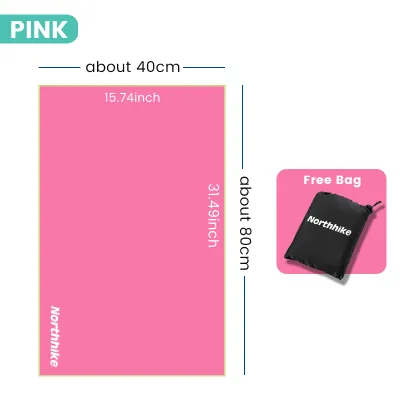
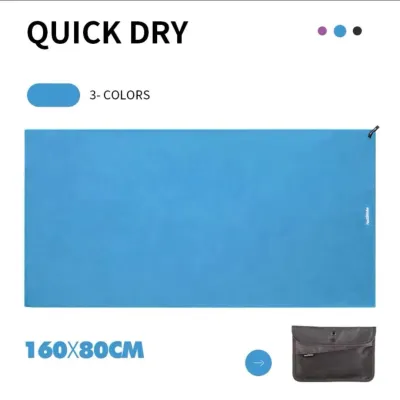
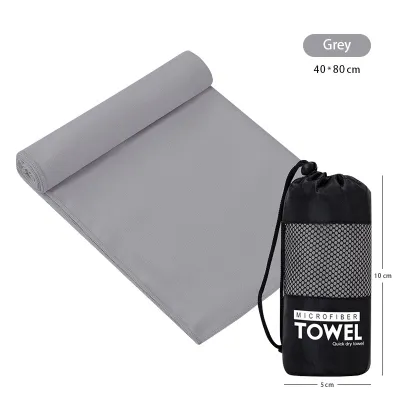
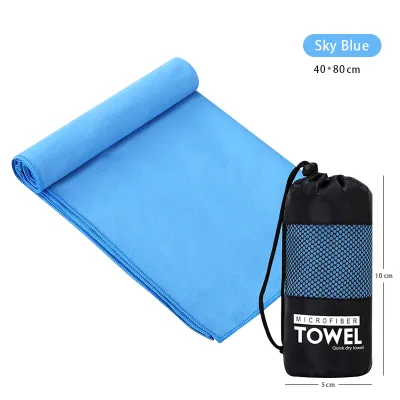
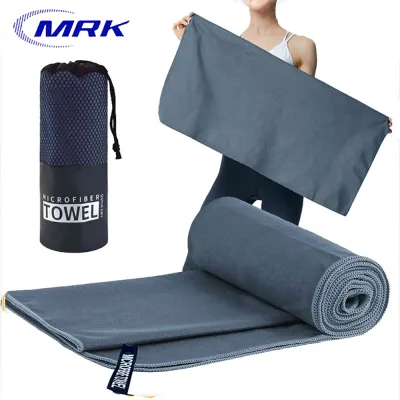
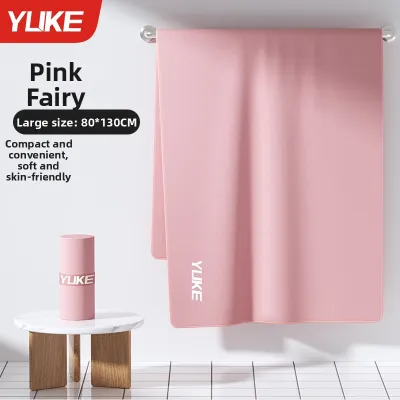
Prices are valid at publication and may change. Please refer to the product page for the latest price.
The performance risks of using a wet towel are immediate and costly to your scorecard. When you attempt to wipe your hands or club grips with a damp cloth, you inadvertently transfer moisture back onto the rubber or synthetic grip surfaces. This moisture creates a thin barrier that reduces friction, causing the club to slip or twist in your hands during your swing.
To compensate for a slipping club, golfers often subconsciously tighten their grip pressure. This extra tension travels up your forearms and into your shoulders, disrupting your natural swing tempo and leading to inconsistent ball striking. Furthermore, a wet towel cannot properly clean mud or grass from your golf ball, which alters its aerodynamics and spin rates when launched.
A dedicated quick drying towel solves these issues by utilizing advanced synthetic fibers that do not absorb water into their core. Instead, they channel moisture along the outer surface of the fibers, allowing it to evaporate rapidly. This ensures you always have a dry, functional section of fabric to keep your hands, grips, and balls in optimal playing condition.
Key Features to Look for in a Golf Towel
Selecting the right golf towel involves understanding the technical specifications that dictate how well a product will perform on the course. By focusing on material composition, weave patterns, size, and hygiene treatments, you can make an informed decision that suits your playing style.

Material and Weave Technologies
The performance of any quick-dry towel is rooted in its fabric composition. High-performance golf towels are almost exclusively made from a blend of polyester and polyamide. Polyester provides structural integrity, durability, and hydrophobic properties that repel water, while polyamide (nylon) adds softness and enhances capillary action to pull moisture away from surfaces.
The ratio of these two materials determines the overall feel and absorbency of the towel. An 80% polyester and 20% polyamide blend is the industry standard, offering an excellent balance of durability and drying speed. Premium towels often feature a 70/30 blend, which feels noticeably softer and absorbs water more efficiently, making it highly comfortable for personal use without compromising its quick-drying capabilities.
Beyond the material itself, the weave pattern dictates how the towel handles dirt and moisture. Standard microfiber towels feature a flat or plush weave that is incredibly gentle on delicate club finishes and golf ball covers. Waffle weave towels, conversely, utilize a recessed grid pattern that increases the fabric’s surface area, accelerating evaporation while providing excellent physical traction to scrub away dried mud.
Size, Weight, and Attachment Options
A practical golf towel must balance surface area with portability. The ideal size for a standard golf bag towel is approximately 40 by 60 centimeters (16 by 24 inches). This size provides ample clean fabric for a four-hour round but remains short enough to hang from your bag without dragging on wet grass or cart tires.
For players who prefer to carry their bags or use a pushcart, a sturdy carabiner clip is the most secure attachment option. This metal or heavy-duty plastic clip hooks directly onto your bag’s accessory ring, ensuring the towel does not fall off during transit.
If you primarily ride in a golf cart, a towel with an integrated heavy-duty magnet is highly convenient. These magnetic towels can be stuck directly to the metal frame of the cart, allowing you to grab the towel quickly on the green and snap it back into place afterward. Another popular option is the center-slit design, which allows you to drape the towel securely over the heads of your woods and irons.
Odor Resistance and Treatment
The combination of heat, sweat, and moisture on Philippine golf courses creates an ideal environment for bacterial growth, which is the primary cause of musty odors. To prevent this, look for towels that feature built-in antimicrobial treatments or silver-ion infusions.
These microscopic treatments penetrate the synthetic fibers to disrupt the cellular walls of bacteria, preventing them from multiplying. If you frequently play multiple rounds a week or cannot wash your gear immediately after leaving the course, an antimicrobial towel is highly recommended to keep your bag smelling fresh.
Best Types of Quick-Drying Towels for Golf
When shopping at local pro shops or online sports retailers, you will find three primary categories of quick-drying towels. Understanding the strengths and limitations of each type will help you choose the best option for your specific needs.
Premium Microfiber Towels (Best Overall for Club Care)
Premium microfiber towels are the most versatile option for general golf maintenance. These towels utilize split-fiber technology, where the individual synthetic threads are split into microscopic hooks that lift and trap dirt, moisture, and oils rather than pushing them around.
- Best Use Case: Wiping down club faces after a shot, drying hands before putting, and polishing golf balls.
- Limitations: Because the split fibers are highly efficient at trapping particles, they can easily collect fine sand or debris if dropped on the ground. If not shaken out thoroughly, these trapped particles can act like sandpaper and scratch club finishes.
- Buying Checklist: Look for towels with reinforced, overlocked edge stitching to prevent fraying, and aim for a medium weight of around 300 to 400 GSM to balance absorbency with drying speed.
Waffle Weave Towels (Best for Wet Conditions and Mud)
For golfers who play early in the morning when the fairways are wet with dew, or those who play during the rainy season, waffle weave towels are the superior option. The textured, grid-like surface acts as a mild scrubber, making it easy to clean out the deep grooves of your irons and wedges.
- Best Use Case: Removing thick mud, wet grass, and sand from club heads, shoe soles, and grooves.
- Performance Advantage: The recessed pockets of the waffle pattern allow air to flow freely through the fabric, significantly accelerating the evaporation process. Even when partially damp, the raised ridges remain dry enough to perform basic wiping duties.
- Limitations: The textured surface is intentionally rougher than plush microfiber, making it less comfortable for wiping sweat off your face or neck.
Evaporative Cooling Towels (Best for Player Comfort)
When the tropical heat index rises, keeping yourself cool is just as important as keeping your clubs dry. Evaporative cooling towels are specialized accessories designed specifically for personal temperature regulation rather than equipment maintenance.
- Mechanism: These towels are made from specialized high-performance fabrics that regulate evaporation. To activate the cooling effect, you thoroughly wet the towel, wring out the excess water, and snap it in the air. This initiates a controlled evaporation process that drops the temperature of the fabric significantly below the ambient air temperature.
- Best Use Case: Wrapping around your neck, draping over your head, or wiping heavy sweat from your forehead and hands between shots.
- Limitations: These towels are not designed to scrub dirt out of iron grooves, and using them to clean dirty clubs will quickly ruin their soft texture and cooling efficiency. They also require regular re-wetting to maintain their cooling effect throughout a four-hour round.
| Towel Type | Material | Best Use Case | Drying Speed | Groove Cleaning Power |
|---|---|---|---|---|
| Premium Microfiber | Polyester/Polyamide Blend | Club faces, golf balls, hands | Fast | Moderate |
| Waffle Weave | Textured Microfiber | Mud, wet grass, iron grooves | Very Fast | High |
| Evaporative Cooling | Specialized Synthetic | Neck cooling, sweat relief | N/A (designed to stay damp) | Low |
How to Verify Claims Before Purchase
With many brands claiming to offer the ultimate quick-drying performance, it is important to verify these assertions before spending your money.
First, check the care label for material composition. Avoid towels that contain 100% cotton if quick-drying performance is your priority. Look for a high synthetic content, ideally an 80/20 or 70/30 polyester-to-polyamide ratio.
Second, read user reviews from buyers in tropical regions. Search for keywords like “humidity,” “drying time,” and “odor.” Real-world feedback from golfers playing in similar climates will give you a clear indication of how the towel handles intense humidity and heavy moisture.
Third, inspect the physical construction of the towel. Look for double-stitched borders and high-quality metal or heavy-duty plastic grommets. Cheaply made towels often tear at the attachment point after only a few rounds of being pulled and tugged.
How to Care for and Maintain Your Golf Towel
To ensure your quick drying towel retains its absorbent properties and remains free of odors over its lifespan, you must follow proper care and maintenance protocols. Synthetic fibers require different handling than standard cotton household linens.
- Washing Rules: Always wash your synthetic towels with a mild liquid detergent in cold or warm water. Strictly avoid using fabric softeners or dryer sheets. Fabric softeners leave a thin, waxy silicone coating on the synthetic fibers, which clogs the microscopic pathways that allow the towel to wick moisture and dry quickly. Avoid washing them with cotton items, as the microfiber will attract and trap cotton lint, reducing its effectiveness.
- Drying Methods: The best way to dry your golf towel is to hang it to air dry in a well-ventilated area, preferably in direct sunlight. The ultraviolet rays from the sun act as a natural disinfectant, helping to kill any remaining bacteria. If you must use a dryer, select a low-heat or air-fluff setting. High heat can melt the delicate synthetic fibers, causing them to fuse together and lose their soft texture and absorbency.
- Storage: Never fold a damp towel and stuff it into a zippered pocket of your golf bag. Leaving a wet towel in a dark, unventilated space is a guaranteed way to breed mildew and ruin the fabric. Always hang the towel on the outside of your bag or on a drying rack immediately after your round.
- Replacement Signals: Even high-quality towels eventually wear out. You should replace your towel if it retains a persistent sour or musty odor even after being thoroughly washed, if the texture becomes stiff and scratchy, if the edges begin to fray severely, or if you notice that water beads up on the surface instead of being absorbed instantly.
Frequently Asked Questions (FAQ)
Can I use a regular gym towel for golf?
While you can physically bring a regular cotton gym towel to the course, it is highly inefficient for golf in the Philippines. Cotton fibers absorb a large volume of water but hold onto it tightly, drying very slowly in high humidity. Within a few holes, a cotton towel will become heavy, damp, and saturated. Once wet, it will transfer moisture back onto your club grips, making them slippery and difficult to control during your swing.
How often should I wash my golf towel?
For optimal hygiene and performance, you should wash your golf towel after every two to three rounds. If you play a round in extremely muddy conditions, during heavy rain, or if you sweat excessively, you should wash it immediately after getting home. While towels with antimicrobial or silver-ion treatments can resist odors for longer, they still accumulate physical dirt, sand, and sunscreen oils that must be washed out regularly to maintain the fabric’s wicking capabilities.
Are magnetic golf towels better than clip-on ones?
The choice between magnetic and clip-on towels depends entirely on how you navigate the course. Magnetic towels are highly convenient for players who ride in golf carts, as they can be easily attached to the metal frame of the cart and detached quickly for use on the green. However, they can fall off if you hit a deep bump or if the magnet is weak. Clip-on towels, which use a secure carabiner, are much better for players who carry their bags or use a pushcart, ensuring the towel remains firmly attached throughout the entire round.
Community discussion
Share your experience or ask a question. Comments are reviewed before publication.