
To excel in taekwondo, a male practitioner must develop a rare combination of explosive power, rapid hip rotation, and extreme flexibility. While traditional weightlifting builds foundational strength, integrating the right resistance bands into your training routine is the most effective way to translate that strength into sport-specific speed and kicking power. The best resistance bands for men’s taekwondo training are heavy-duty continuous loop bands for lower-body explosive power, tube bands with handles for upper-body striking speed, and flat therapy bands for targeted flexibility work.
Finding the right resistance bands for men taekwondo training requires looking beyond generic fitness advice. Because martial arts involve high-velocity ballistic movements, the equipment you choose must withstand sudden acceleration while providing a progressive tension profile that matches the biomechanics of your kicks and punches. By selecting the appropriate band type and resistance level, you can build the specific hip flexor strength, core stability, and joint mobility required to execute clean, powerful techniques.
Why Taekwondo Demands Specific Resistance Training
Taekwondo is characterized by rapid, high-impact movements that require your muscles to contract and relax in fractions of a second. Unlike traditional gym exercises that follow a linear path, a taekwondo kick—such as a roundhouse (Dolryeo Chagi) or a side kick (Yop Chagi)—demands explosive acceleration from a static chambered position, followed by a rapid deceleration at the end of the movement. This unique biomechanical profile requires a training tool that can provide variable resistance, where the tension increases as you extend your limb.
Products mentioned in this guide
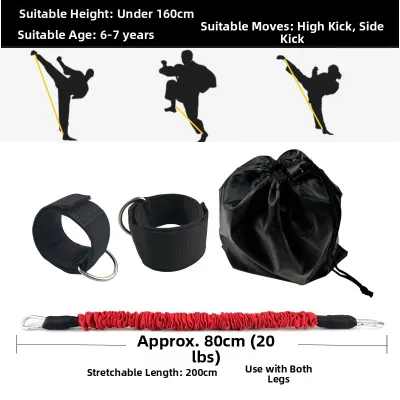
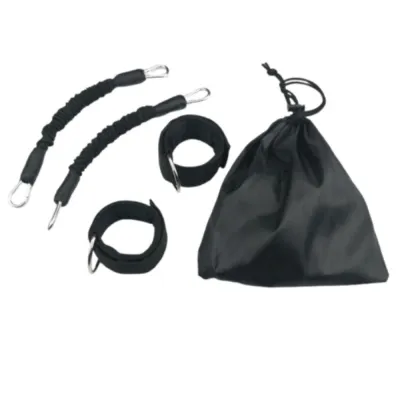
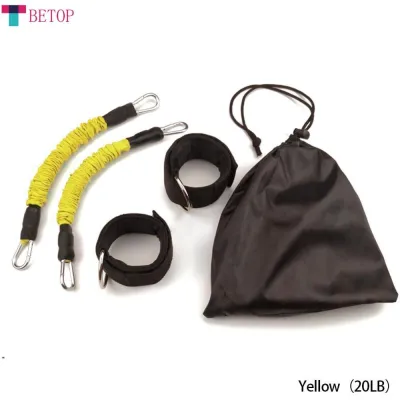
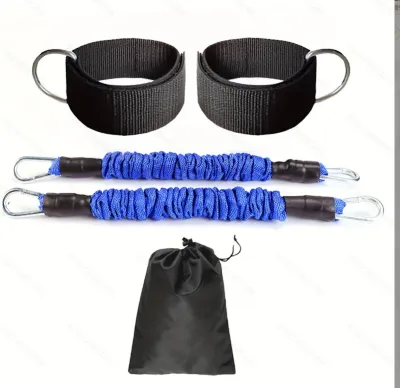
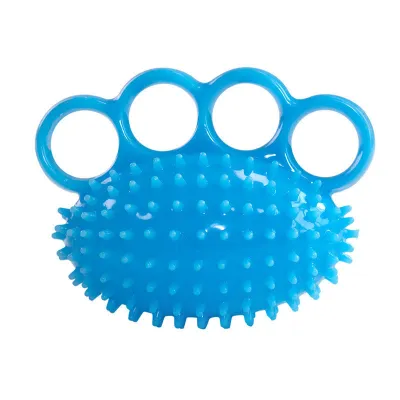
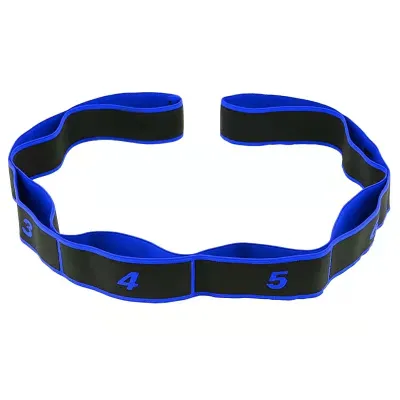
Prices are valid at publication and may change. Please refer to the product page for the latest price.
Standard gym machines and free weights are limited by gravity, meaning they only provide resistance in a downward direction. This makes it difficult to train the specific horizontal and rotational planes of motion used in martial arts. Resistance bands solve this problem by allowing you to apply tension in any direction. You can anchor a band behind you to resist a forward punch, or anchor it to the side to strengthen the hip abductors during lateral kicking drills.
Furthermore, high-velocity martial arts drills place immense stress on the joints, tendons, and ligaments. Standard heavy weights can sometimes overload these structures if used improperly during fast movements. Resistance bands provide a safer alternative for speed-strength training because they do not rely on momentum. The resistance is directly proportional to how far the band is stretched, which helps protect your joints at their most vulnerable angles while still challenging your muscles at the peak of contraction. This makes them indispensable for bridging the gap between static strength and functional, sport-specific power.
How to Choose Resistance Bands for Men Taekwondo Training by Tension Level
Selecting the correct tension level is critical for preventing injury and ensuring that your training translates directly to better performance on the mats. Resistance bands generally come in levels ranging from extra-light to extra-heavy, with tension ratings measured in pounds or kilograms. For male practitioners, choosing the right level depends on the specific drill, your current strength level, and your training goals.

Light bands (typically providing 10 to 35 pounds of resistance) are highly versatile and should not be overlooked. While they may seem too easy for general strength training, they are essential for high-speed shadow boxing, rapid kicking drills, and rotator cuff stabilization. Using a band that is too heavy during speed drills will compromise your form, leading to slow, sluggish movements that ruin your muscle memory. Light bands allow you to maintain your natural kicking mechanics while adding just enough tension to challenge your fast-twitch muscle fibers.
Medium to heavy bands (providing 30 to 100 pounds of resistance) are best suited for lower-body power generation and structural strength. Male practitioners typically require these higher tension levels for exercises like resisted squats, lateral band walks, and hip flexor strengthening drills. Strengthening the iliopsoas and gluteal muscles with medium-to-heavy resistance is key to improving your chambering speed and maintaining a stable stance during high-impact exchanges.
When purchasing equipment, never rely solely on a brand’s color-coding system. There is no universal standard for band colors; a red band from one manufacturer might represent medium tension, while a red band from another might be extra-heavy. Always consult the manufacturer’s tension chart to verify the actual weight equivalent. Additionally, remember that the rated resistance is usually calculated at maximum stretch (often 200% to 300% of the resting length). For taekwondo drills, select a band where the starting tension is manageable, allowing you to complete the full range of motion of your kick or punch without hitting a sudden, immovable wall of resistance.
Recommended Resistance Band Types for Taekwondo Drills
To build a complete martial arts conditioning program, you need to target different physical attributes: lower-body explosive power, upper-body striking mechanics, and deep flexibility. No single band can perform all of these tasks perfectly. Instead, a well-rounded gear kit should include three distinct types of resistance bands, each optimized for specific taekwondo movements.
Continuous Loop Bands for Kicking Power and Leg Strength
Continuous loop bands, also known as pull-up assist bands, are thick, unbroken loops of rubber or fabric. These are the most durable bands available and are highly recommended for developing lower-body explosive power and leg strength. Because they can withstand high levels of tension, they are ideal for heavy compound movements and resisted kicking drills.
To train your kicking power, you can loop one end of a continuous band around a secure anchor point and the other end around your ankle or thigh. Practice chambering your leg and extending it into a front kick or side kick. The band will resist the extension, forcing your hip flexors, quadriceps, and core to work harder to complete the movement. This directly translates to faster, more powerful kicks when the band is removed.
When choosing loop bands for dynamic kicking, look for layered natural latex or fabric-covered options. Layered latex is much more durable than molded latex and is less likely to snap suddenly. Fabric-covered loop bands are even better for martial arts, as the soft outer sleeve prevents the band from rolling up your leg or pinching your skin when you sweat.
However, continuous loop bands do have some limitations. They require a highly secure, heavy anchor point to prevent the band from pulling the anchor forward during explosive kicks. They can also be cumbersome to step into and adjust, especially during high-intensity training sessions when your legs are wet with sweat.
Tube Bands with Handles for Punching Speed and Core Rotation
Tube bands are hollow, cylindrical bands made of synthetic or natural rubber, featuring metal carabiners at each end that clip onto interchangeable foam handles, ankle straps, or door anchors. These bands are exceptionally well-suited for upper-body striking drills, pulling mechanics, and rotational core training.
The ergonomic handles of tube bands allow you to grip the equipment naturally, simulating the hand position of a punch without straining your wrists or fingers. By anchoring the band behind you at shoulder height, you can practice straight punches (Jireugi) against resistance. This trains the anterior deltoids, pectorals, and triceps to accelerate rapidly from a guarded position.
Rotational core power is the foundation of all powerful taekwondo kicks, especially spinning kicks like the back kick (Dwi Chagi). Tube bands are perfect for rotational exercises such as wood-choppers and torso twists. By anchoring the band at chest height and rotating your torso away from the anchor, you strengthen the obliques and deep core stabilizers that transfer power from your legs to your upper body.
Safety is paramount when using tube bands for fast, repetitive movements. Always inspect the connection points where the rubber tube meets the plastic connectors and metal carabiners, as these are the most common failure points. Look for tube bands that feature an inner safety cord or a nylon protective sleeve. If the rubber tube snaps under tension, the safety sleeve will contain the snapped band, preventing it from whipping back and causing severe injury.
Flat Therapy Bands for Flexibility and Active Recovery
Flat therapy bands are thin, wide, non-loop sheets of latex or synthetic elastomer. Unlike loop or tube bands, they do not have handles or attachments. Instead, you simply wrap them around your hands or feet as needed. These bands are designed specifically for flexibility training, joint mobility, and active recovery.
Achieving the high kicks and deep splits required in taekwondo demands excellent active and passive flexibility. Flat therapy bands are excellent tools for assisted stretching. For example, you can lie on your back, loop a flat band around the arch of your foot, and gently pull your leg toward your chest to stretch your hamstrings. The wide, flat surface area of the band distributes pressure evenly across your foot, making the stretch much more comfortable than using a thin rope or strap.
These bands are also highly effective for Proprioceptive Neuromuscular Facilitation (PNF) stretching. During a PNF stretch, you contract the target muscle against the band’s resistance for a few seconds, relax, and then stretch the muscle deeper. The gentle, highly controllable tension of flat therapy bands makes them perfect for this advanced stretching technique.
It is important to note that flat therapy bands are strictly intended for low-tension flexibility and rehabilitation work. They are not built to withstand explosive, high-force movements. Attempting to use a thin therapy band for resisted kicking or punching drills will result in the band snapping immediately, which can cause painful welts or eye injuries.
Quick Comparison: Band Types vs. Taekwondo Skills
To help you select the right tool for your specific training goals, use this quick-reference comparison of the primary resistance band types.
| Band Type | Primary Taekwondo Application | Recommended Resistance Level for Men | Key Feature to Look For |
|---|---|---|---|
| Continuous Loop Bands | Resisted kicking, chambering speed, leg strength | Medium to Heavy (30 to 100 lbs / 13.6 to 45.4 kg) | Layered natural latex or protective fabric coating |
| Tube Bands with Handles | Punching speed, rotational core power, upper-body strength | Light to Medium (10 to 50 lbs / 4.5 to 22.7 kg) | Heavy-duty carabiners and inner safety cords |
| Flat Therapy Bands | Hamstring flexibility, hip mobility, active recovery | Light (5 to 15 lbs / 2.3 to 6.8 kg) | Wide, latex-free synthetic elastomer material |
Safety, Maintenance, and Climate Considerations
Using resistance bands safely requires strict adherence to proper setup and maintenance protocols. Before beginning any resisted kicking program, always check your resistance band’s product label and safety manual, as well as any manufacturer instructions for your anchoring equipment. Before every workout, perform a thorough visual inspection of your bands. Hold the band up to the light and stretch it slightly to check for micro-tears, small cracks, discoloration, or white stress marks. If you notice any signs of wear, discard the band immediately; a band snapping under high tension can cause severe muscle strains, joint damage, or facial injuries.
Environmental factors play a massive role in the lifespan of your training gear, particularly in the tropical climate of the Philippines. High humidity and intense heat accelerate the natural degradation of latex, leading to dry rot and brittleness. High-quality resistance band sets in the Philippines typically range from ₱500 for basic flat bands to over ₱2,500 for heavy-duty, fabric-covered loop sets, making proper care a smart financial choice. To prolong the life of your bands, never store them in direct sunlight, hot vehicles, or damp gym bags. After a sweaty workout, wipe the bands down with a damp cloth to remove corrosive sweat salts, let them air dry completely in a shaded, well-ventilated indoor space, and store them in a cool, dry drawer or storage bag.
Proper anchoring is another critical safety factor, especially during high-force kicking drills. Always anchor your bands to solid, immovable structural elements, such as heavy-duty squat racks, concrete pillars, or professionally installed wall mounts. Never anchor a band to lightweight furniture, doors with loose hinges, or unstable poles. If you are using a door anchor, ensure it is placed on the hinge side of a solid-core door that opens away from you, so that your pulling force pulls the door closed rather than open.
Finally, remember that equipment cannot replace proper technique, training, and athletic judgment. Always warm up thoroughly before performing resisted movements, and stop immediately if you experience sharp joint pain or muscle strain. Never stretch a band beyond three times its original resting length, as this drastically increases the risk of structural failure and rebound injuries.
Frequently Asked Questions (FAQ)
Integrating resistance bands into your martial arts routine often raises practical questions about training programming and safety setups.
Can resistance bands fully replace weightlifting for taekwondo?
No, resistance bands cannot fully replace traditional weightlifting, but they serve as an invaluable complement to it. Weightlifting with free weights (such as barbells and dumbbells) provides constant gravitational resistance, which is highly effective for building absolute maximal strength, increasing bone density, and thickening tendons. These physical adaptations are crucial for absorbing the high-impact forces of taekwondo sparring.
On the other hand, resistance bands provide accommodating resistance, meaning the tension increases as the band stretches. This matches the human strength curve and is superior for developing explosive speed-strength, rotational core power, and sport-specific movement patterns. For optimal taekwondo performance, a hybrid training program that combines heavy compound weightlifting with high-velocity resistance band drills is highly recommended.
How do I safely anchor resistance bands for kicking drills?
To safely anchor resistance bands for high-force kicking drills, you must use an anchor point that is completely stable and rated to withstand dynamic lateral forces. The safest options are heavy-duty gym equipment like squat racks, structural concrete pillars in your dojang, or dedicated wall anchors screwed directly into wall studs.
If you are training at home and must use a door anchor, only use a solid-core door. Slide the door anchor over the top or side of the door on the hinge side, and ensure the door opens away from the direction you are pulling. Lock the door to prevent anyone from opening it while you are training. Never anchor bands to lightweight tables, chairs, or banisters, as these can easily tip over or break, causing the band and the anchor to snap back toward you at high speed.
Community discussion
Share your experience or ask a question. Comments are reviewed before publication.