
Integrating a dedicated roller massager for legs into your yoga accessories collection is one of the most effective ways to accelerate lower-body recovery, relieve persistent muscle tightness, and enhance overall flexibility. While traditional yoga practices excel at lengthening muscles and improving joint mobility, they sometimes leave deep-seated muscular tension and fascial adhesions unresolved. A targeted self-myofascial release tool bridges this gap, helping you maintain fluid movement both on and off the yoga mat.
In the tropical climate of the Philippines, where high humidity and heat can intensify physical fatigue during active Vinyasa or hot yoga sessions, post-practice recovery becomes even more critical. Incorporating a specialized leg roller into your routine ensures that your muscles recover efficiently, preventing the chronic stiffness that can hinder your progress. Understanding how these tools function and how to select the right one will elevate your wellness practice and protect your body from overuse injuries.
Why Add a Roller Massager for Legs to Your Yoga Setup?
Yoga practices that emphasize standing postures, deep lunges, and balancing sequences—such as Warrior poses (Virabhadrasana) or Chair pose (Utkatasana)—place a significant eccentric and isometric load on the lower extremities. Over time, this repetitive strain can lead to micro-tears and localized tension in the quadriceps, hamstrings, and calves. While static stretching is highly beneficial for lengthening muscle fibers globally, it cannot always release localized trigger points, commonly referred to as muscle knots.
Products mentioned in this guide
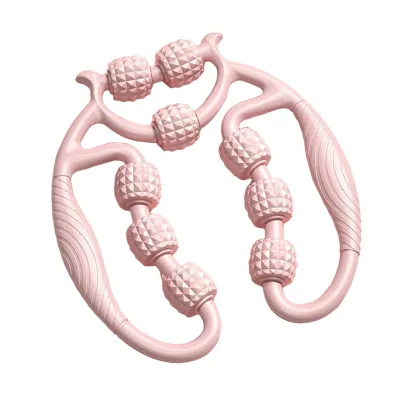
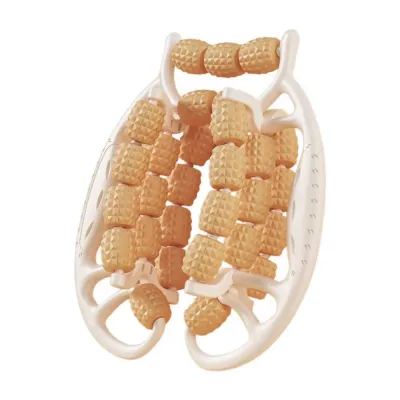

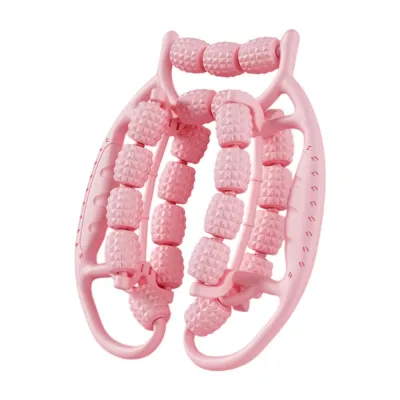
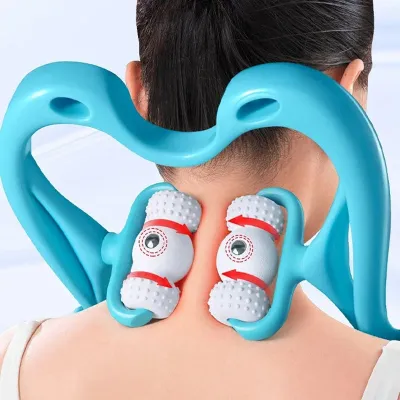
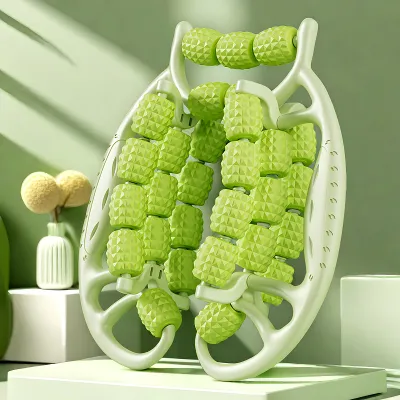
Prices are valid at publication and may change. Please refer to the product page for the latest price.
This is where a roller massager for legs becomes an invaluable companion to your yoga blocks and straps. By applying direct, controlled pressure to specific muscle groups, rolling stimulates the Golgi tendon organs, which signal the nervous system to allow the muscle fibers to relax. This mechanical pressure also helps break up fascial adhesions—the sticky, dense webs of connective tissue that wrap around your muscles and can restrict your range of motion when they become dehydrated or overworked.
Furthermore, the physical act of rolling increases localized blood circulation to the target tissues. Enhanced blood flow delivers fresh oxygen and essential nutrients to fatigued muscles while accelerating the removal of metabolic waste products like lactic acid. By integrating a leg roller into your post-yoga routine, you actively support the tissue remodeling process, ensuring that your muscles heal faster and remain highly pliable for your next studio session.
Using a leg roller also serves as an excellent tool for body awareness, a core tenet of any yoga practice. As you slowly roll over different muscle groups, you receive immediate sensory feedback about where your body is holding tension. This self-diagnostic capability allows you to customize your recovery sessions, focusing on areas that require extra attention and preventing minor tightness from developing into chronic strain or alignment issues.
Key Features to Evaluate Before Buying
Material Density and Core Structure
The density of a leg roller determines how much pressure it will exert on your muscle tissue and how well it will hold its shape over time. Closed-cell EVA (Ethylene-Vinyl Acetate) foam is a highly popular choice because it offers a slightly yielding, cushioned surface that is comfortable for sensitive areas while remaining highly resilient. TPE (Thermoplastic Elastomer) is another excellent material, offering a rubber-like grip and a medium-to-firm density that does not compress easily under heavy load.

For hollow cylindrical rollers, the internal core structure is just as important as the outer foam layer. Look for rollers constructed with a rigid ABS (Acrylonitrile Butadiene Styrene) plastic inner tube. This heavy-duty core prevents the roller from warping, bending, or cracking under your body weight, ensuring the tool maintains its structural integrity through years of daily use.
Surface Texture and Patterns
Rollers generally fall into two design categories: smooth surfaces and textured surfaces. Smooth rollers distribute your body weight evenly across a broad surface area, making them ideal for gentle, sweeping strokes and for individuals who are new to myofascial release. They provide a more comfortable experience, especially when rolling highly sensitive areas like the lateral thigh.
Textured rollers feature a variety of molded patterns, such as grids, ridges, or pointed knobs. These designs are engineered to mimic the hands of a massage therapist, with high, firm zones acting as fingertips and flat zones acting as palms. Textured surfaces are designed to penetrate deeper into the muscle tissue, making them highly effective for targeting stubborn trigger points in dense muscle groups like the calves and glutes.
Ergonomics and Handle Design
If you opt for a handheld massage stick rather than a floor-based cylindrical roller, the design of the handles and the internal axle is critical. Look for ergonomic handles covered in non-slip rubber or textured silicone, which provide a secure grip even when your hands are sweaty after a vigorous yoga session. The handles should be contoured to fit comfortably in your palms, reducing wrist strain as you apply manual pressure.
Additionally, high-quality handheld rollers feature independent gliding wheels mounted on a stainless steel or heavy-duty plastic center rod. This design ensures that the individual rollers spin smoothly without catching or pulling on your skin or clothing. A sturdy internal rod prevents the stick from bowing excessively when you apply firm pressure to deeper muscle layers.
Size and Portability
Balancing your recovery needs with your daily lifestyle is essential when choosing the size of your leg roller. Standard cylindrical rollers typically measure around 30 to 45 centimeters in length, which is wide enough to cover both calves or thighs simultaneously while remaining compact enough to fit into a standard yoga tote bag. If you primarily practice at home, a longer 60 to 90-centimeter roller offers a larger surface area and greater stability.
For yogis who frequently commute to studios or travel, ultra-portable options are highly advantageous. Slim, lightweight handheld massage sticks (measuring 40 to 50 centimeters in length) can easily slide into the side pocket of a backpack. These compact tools allow you to perform quick recovery sessions on the go, without requiring significant floor space or forcing you to lie down on a public studio floor.
Types of Leg Rollers for Post-Yoga Recovery
Standard Cylindrical Foam Rollers
Traditional cylindrical foam rollers are the foundation of self-myofascial release and remain highly popular among yoga practitioners. These floor-based tools require you to use your own body weight to apply pressure to the target muscle groups. To roll your quadriceps, for example, you lie face down in a forearm plank position with the roller positioned under your thighs, using your core strength to glide back and forth.
- Best For: Broad, comprehensive coverage of large muscle groups, including the quadriceps, hamstrings, and glutes.
- Pressure Control: Requires active body weight management and core stability to modulate the intensity of the pressure.
- Versatility: Excellent for executing slow, static holds on tender spots and performing long, lateral sweeps to promote lymphatic drainage.
Handheld Massage Sticks and Rollers
Handheld massage sticks feature a central rod with several independently rotating rollers and handles on each end. Unlike cylindrical rollers, these tools allow you to apply pressure manually while sitting comfortably on a yoga block, a chair, or the floor. This design eliminates the need to support your body weight, making it an excellent option for recovery immediately after an exhausting physical practice.
- Best For: Highly targeted, precise pressure on smaller, hard-to-reach areas such as the calves, shins, and the lateral side of the thigh.
- User Control: Allows you to easily adjust the angle and intensity of the pressure using your arms, making it highly customizable.
- Convenience: Highly portable and easy to use in tight spaces without needing to clear floor area or lie down.
Vibrating and Heated Rollers
Representing the modern intersection of technology and recovery, vibrating and heated rollers introduce active physical modalities to traditional rolling. High-frequency vibration helps to desensitize the nervous system’s pain receptors, allowing you to roll tight muscles with less discomfort. Heated rollers utilize thermal energy to promote local vasodilation, warming up the muscle tissue and increasing its pliability before you begin rolling.
- Vibration Benefits: Helps relax hypertonic muscles quickly by stimulating sensory receptors, reducing the overall time needed for recovery.
- Heated Benefits: Improves blood circulation and tissue elasticity, making it highly effective for stiff muscles in air-conditioned environments.
- Practical Considerations: These electronic devices are heavier, require regular recharging via USB or wall adapters, and represent a higher financial investment, with prices typically ranging from ₱3,000 to over ₱6,000.
Matching the Roller to Your Yoga Practice and Body
Practice Style Alignment
Your preferred style of yoga should heavily influence the type of leg roller you choose to add to your collection. If your practice centers on Restorative, Yin, or gentle Hatha yoga, your primary goal is to encourage deep relaxation and soothe the nervous system. For these styles, a soft-to-medium density EVA foam roller with a smooth surface is ideal, as it provides a comforting, low-intensity massage that supports a parasympathetic state.
Conversely, if you regularly practice intense, physically demanding styles like Power Yoga, Vinyasa Flow, or Ashtanga, your muscles will experience higher levels of tension and structural fatigue. Practitioners of these active disciplines often require a firm, textured roller or a rigid handheld massage stick. These tools can penetrate the denser muscle fibers of the quadriceps and calves, breaking up stubborn adhesions caused by repetitive, powerful movements.
Experience Level Adjustments
If you are new to self-myofascial release, your muscle tissue and fascia may be highly sensitive to pressure. Beginners should always start with a softer foam density and a smooth surface. Applying excessive pressure to unconditioned tissue can cause defensive muscle guarding—where the muscle tenses up to protect itself—which completely defeats the purpose of the massage. Begin with short, gentle sessions to allow your body to adapt.
As your tissue tolerance improves over weeks of consistent use, you can gradually transition to firmer materials, such as high-density TPE or rollers with moderate grid textures. Advanced practitioners, or those with dense muscle mass, will find that firmer rollers are necessary to reach the deeper layers of muscle tissue and provide satisfying relief to chronic tight spots.
Physical Sensitivities and Contraindications
While rolling is generally safe for most individuals, it is crucial to observe key anatomical boundaries to avoid injury. Never apply direct rolling pressure to bones or joints, such as the kneecap (patella) or the ankle bones, as this can cause painful inflammation of the periosteum. Additionally, avoid rolling the popliteal fossa—the sensitive hollow area directly behind your knee joint—because major nerves and blood vessels run close to the surface here and can be easily compressed.
Important Safety Checklist:
- Avoid Varicose Veins: Do not roll directly over varicose veins, as the mechanical pressure can damage fragile vein walls and compromise vascular health.
- Skip Acute Injuries: Avoid rolling over acute muscle tears, sprains, bruises, or inflamed skin.
- Consult a Professional: If you experience sharp, shooting pain, persistent numbness, or tingling during or after rolling, stop immediately and consult a qualified healthcare professional.
- Check Manufacturer Instructions: Always read the manufacturer's guidelines for your specific roller, especially for electronic or heated models, to ensure safe operation.
Safe Usage, Cleaning, and Storage in Humid Climates
Proper Technique
To get the most out of your leg roller, focus on slow, deliberate movements rather than rapid rolling. Move the roller at a pace of about one inch per second. When you discover a highly tender spot, stop and hold the pressure directly on that area for 20 to 30 seconds. Focus on taking slow, deep, diaphragmatic breaths, which signals your brain that it is safe for the muscle to release its tension.
Avoid rolling back and forth rapidly, as this friction can irritate the muscle and fascia, leading to increased inflammation. If a specific spot is too painful to hold directly, shift the roller slightly to apply pressure to the surrounding tissue first, gradually working your way toward the center of the tension. Always stop rolling if you experience any sharp, sudden pain.
Hygiene and Cleaning
In the tropical climate of the Philippines, high humidity and sweat can quickly lead to a buildup of bacteria and unpleasant odors on your yoga gear. It is essential to clean your leg roller after every use, especially if you take it to a shared studio space. For standard foam and TPE rollers, prepare a simple cleaning solution of warm water mixed with a few drops of mild, pH-neutral dish soap or castile soap.
Step-by-Step Cleaning Guide:
- Dampen a soft microfiber cloth with the soapy water solution, ensuring it is not dripping wet.
- Gently wipe down the entire surface of the roller, paying extra attention to the crevices of textured patterns.
- Wipe the roller a second time with a clean cloth dampened only with plain water to remove any soap residue.
- Allow the roller to air-dry completely in a shaded, well-ventilated indoor area before storing it.
- Warning: Never use harsh chemical solvents, bleach, or high-concentration alcohol sprays, as these can dry out and permanently degrade EVA and TPE foam, causing it to crack and crumble.
Climate-Specific Storage
Storing your recovery gear properly is crucial for extending its lifespan in warm, humid environments. Avoid leaving foam rollers on outdoor balconies, in direct sunlight, or inside a hot car trunk. Prolonged exposure to high temperatures and UV rays can warp plastic ABS cores, melt adhesives, and cause the outer foam layers to lose their elasticity and degrade.
For electronic vibrating or heated rollers, high humidity presents an additional risk of moisture condensation inside the charging ports and internal circuitry. Store these devices in a dry, cool indoor drawer or cupboard. Placing a few silica gel packets near your electronic rollers is an excellent way to absorb excess ambient moisture, protecting the internal components from corrosion and ensuring the battery remains safe and functional.
Frequently Asked Questions (FAQ)
Can I use a leg roller massager every day after yoga?
Yes, you can safely use a leg roller massager every day after your yoga practice, provided you keep the sessions gentle and restorative. Daily rolling should focus on light, sweeping movements to promote circulation and ease mild muscle tension. Avoid performing deep, intense trigger-point therapy on the same muscle groups every day, as your tissues require time to rest and recover from deep pressure. Always listen to your body and reduce the intensity or frequency if your muscles feel bruised or excessively tender.
Is a vibrating roller better than a standard foam roller for legs?
A vibrating roller is not universally better than a standard foam roller, as both tools serve different preferences and recovery goals. Vibrating rollers excel at quickly relaxing hypertonic muscles and desensitizing pain receptors, making the rolling process more comfortable for highly sensitive individuals. However, standard foam rollers are significantly lighter, highly durable, do not require battery charging, and are much more budget-friendly, typically costing between ₱300 and ₱1,500. Standard rollers also allow for excellent mechanical leverage when targeting large muscle groups.
How do I clean my roller massager after taking it to a yoga studio?
To clean your roller massager after a studio session, wipe it down immediately with a soft microfiber cloth dampened with warm water and a few drops of mild, pH-neutral soap. Ensure you wipe all textured grooves where sweat and dust can accumulate. Avoid using harsh household disinfectants or alcohol-based wipes, which can dry out and damage the foam material over time. Always let the roller air-dry completely in a cool, shaded, and well-ventilated spot before packing it away in your yoga bag.
Community discussion
Share your experience or ask a question. Comments are reviewed before publication.