
Selecting the right skating shoes for kids girl starting their roller sports journey in the Philippines requires balancing safety, durability, and comfort. The tropical climate, characterized by high humidity and warm temperatures, presents unique challenges for gear maintenance and skater comfort. Beginners need equipment that supports their learning curve while handling local environments, from smooth indoor mall rinks to uneven subdivision concrete and paved barangay courts.
Quick Answer: What Makes a Good Beginner Skate?
For parents searching for the ideal skating shoes for kids girl, the primary focus must always be on safety, structural support, and long-term usability. A high-quality beginner skate must feature robust ankle support to prevent injury, a stable wheel configuration that matches the child’s balance level, and an adjustable sizing mechanism to accommodate rapid growth.
While quad skates offer excellent lateral stability that helps young children stand confidently right away, inline skates provide better forward momentum and are much easier to maneuver over outdoor cracks and small pebbles. Regardless of the style chosen, proper fit and mandatory safety gear—including a certified helmet, wrist guards, knee pads, and elbow pads—are non-negotiable requirements to ensure a safe and positive learning experience.
Products mentioned in this guide
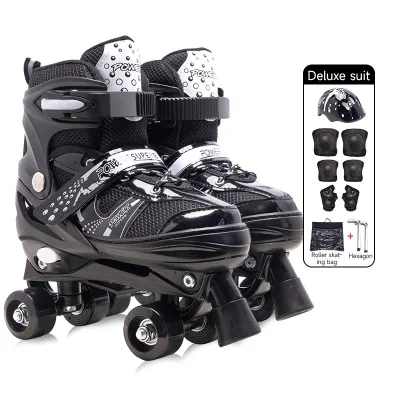
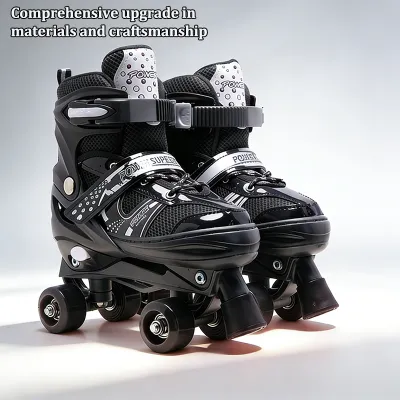
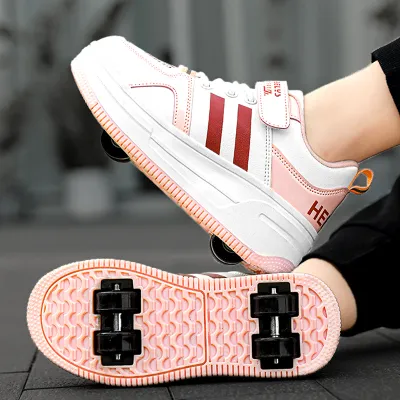
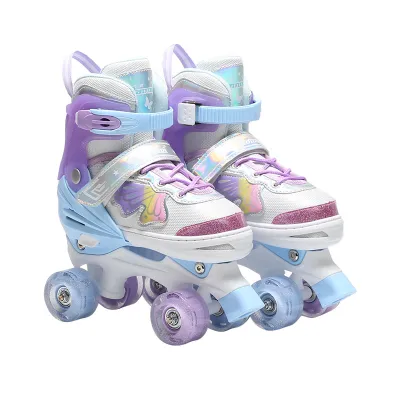
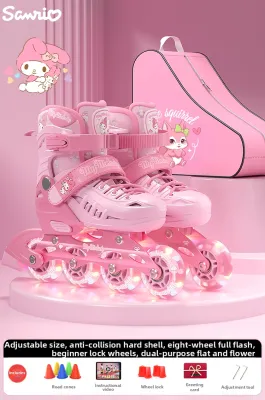
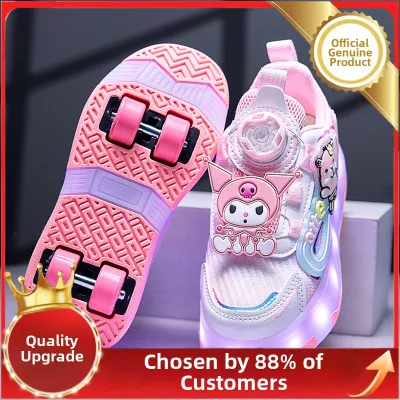
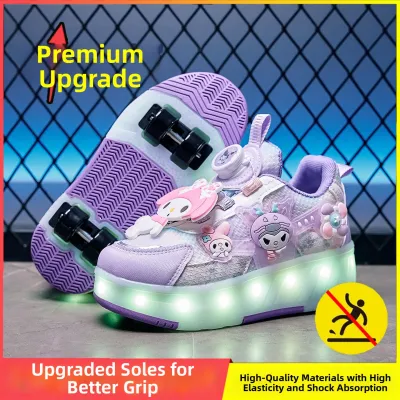
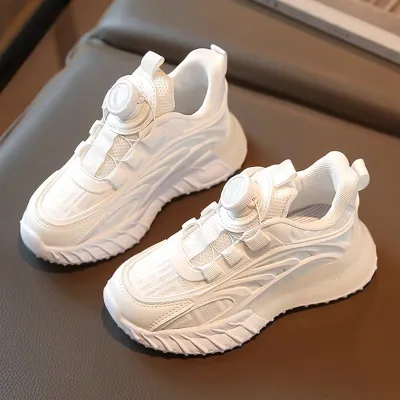
Prices are valid at publication and may change. Please refer to the product page for the latest price.
Quad vs. Inline Skates: Which is Best for Beginners?
Deciding between traditional quad skates and modern inline skates is the first major decision parents face. The right choice depends heavily on where the child will primarily practice and their natural physical coordination.

Quad Skates (Four-Wheel)
Traditional quad skates feature a two-by-two wheel configuration, creating a wide, rectangular base of support. This design provides exceptional lateral stability, allowing a beginner girl to stand upright with minimal effort and reducing the risk of the ankles rolling inward or outward. For very young children or those who are hesitant about balance, this immediate stability builds confidence rapidly.
Quad skates perform exceptionally well on smooth, flat, and hard surfaces. They are highly suited for indoor living rooms, polished tiled floors, smooth concrete garages, and dedicated indoor roller rinks. The wide surface area of the four wheels’ grippy polyurethane material ensures a secure hold on these slick surfaces, preventing unexpected slips.
Stopping on quad skates is managed via a front-mounted toe stop. This rubber or polyurethane block is positioned at the front of the skate, allowing the child to slow down or stop by dragging the toe of one foot behind them or by stepping forward onto the stopper at slow speeds. For many young beginners, this forward-facing brake is highly intuitive to locate and use during their first few sessions.
Inline Skates (Rollerblades)
Inline skates feature three or four wheels arranged in a single straight line along the center of the boot. Because the base of support is narrow, inline skates require greater lateral ankle strength and a more active core to keep the skates upright. This means the initial standing balance has a slightly steeper learning curve compared to quads.
However, once the basic standing balance is mastered, inline skates offer superior forward momentum and rolling efficiency. The narrow wheels encounter less rolling resistance, making it easier for the child to maintain speed with less physical effort. More importantly for the Philippine context, inline skates are highly versatile outdoors; the inline wheel configuration rolls over small pebbles, twigs, expansion joints, and cracks in subdivision roads or public parks much more easily than quad skates, which can easily trip on tiny debris.
Stopping on inline skates is achieved using a heel brake, which is a rubber pad attached to the rear of either the right or left skate. To activate the brake, the child slides the braking foot slightly forward, lifts the toe upward, and presses the heel pad firmly into the ground. This stopping mechanism is highly stable and safe for beginners because it allows them to apply braking force while keeping their center of gravity centered over their feet, reducing the risk of tripping forward at higher speeds.
5 Essential Features to Check Before Buying
When shopping for skating shoes for kids girl, parents should look past bright colors and flashing lights to evaluate the technical specifications of the skates. Checking these five essential features ensures the purchase of a safe, durable, and functional sports tool rather than a flimsy toy.
- Adjustable Sizing: Children's feet grow rapidly, often changing shoe sizes within a single year. To make the investment practical, look for skates that feature a push-button adjustable sizing system. These skates typically expand across three to four full sizes (for example, adjusting from size 31 to 34) with the simple press of a button and a slide of the toe cap. The adjustment mechanism works by sliding the front toe box forward while keeping the heel cup and frame securely in place. This engineering ensures that the child's center of gravity remains perfectly centered over the wheels, maintaining proper balance regardless of the size setting. Verify that the adjustment button is made of high-strength plastic or metal and locks securely into each size slot without any play or wiggle.
- Boot Support and Ankle Stability: Proper ankle support is the single most critical factor in preventing injury and ensuring a comfortable skating experience. Beginners have not yet developed the specific ankle strength required for skating, making them prone to pronation—a condition where the ankles collapse inward toward each other. Pronation causes severe friction blisters, rapid muscle fatigue, and poor steering control. To prevent this, choose skates with a high-cut boot that features a rigid or semi-rigid outer plastic cuff. This hard shell acts as an external skeleton, locking the ankle in a neutral, upright position. While soft-boot skates are highly comfortable and breathable, they should still feature a supportive plastic cuff around the ankle area to provide the necessary lateral stability.
- Wheel Hardness and Size: The performance of a skate is heavily dictated by its wheels, which are measured by their diameter (in millimeters) and their hardness (using the durometer "A" scale). For beginner girls skating in the Philippines, look for wheels made of high-quality polyurethane (PU) with a hardness rating between 82A and 85A. Softer wheels (82A to 85A) are ideal for outdoor use on rough concrete pavements, asphalt roads, and tiled outdoor courts because they absorb vibrations and provide excellent grip, preventing the skate from sliding out on turns. Avoid cheap skates that feature hard plastic wheels; these offer zero grip, vibrate intensely on rough surfaces, and slide dangerously on smooth floors. For wheel size, smaller wheels (ranging from 64mm to 72mm) are preferred for beginners because they keep the child's center of gravity low to the ground, making it much easier to balance. Additionally, pay attention to the wheel bearings, which are rated on the ABEC scale (usually ABEC-5 or ABEC-7). For absolute beginners, ABEC-5 bearings are excellent because they roll smoothly without spinning excessively fast, helping the child maintain control as they learn the basics.
- Frame Material: The frame is the structural chassis that holds the wheels and connects them to the boot. For beginner skates, frames are generally made of either composite plastic (nylon/fiberglass) or aluminum. Composite frames are highly recommended for young beginners. They are lightweight, flexible, and highly effective at dampening road vibrations, which keeps the child's feet from feeling numb after skating on rough subdivision asphalt. Aluminum frames are stiffer, more durable, and transfer energy more efficiently, making them faster and better for older or heavier kids, but they transmit more road vibration and are slightly heavier.
- Closure System: A secure closure system ensures that the child's foot does not slide around inside the boot, which is a major cause of blisters and loss of control. The most secure design is a triple-lock closure system, which combines three distinct fastening methods: traditional laces on the lower boot to allow parents to customize the tightness across the instep of the foot; a 45-degree power strap (usually Velcro) across the ankle to pull the heel firmly back into the heel pocket of the skate; and a micro-adjustable safety buckle at the top of the cuff that locks the ankle securely in place, providing rigid lateral support.
Protective Gear: Staying Safe in the Philippine Heat
Roller skating is an active sport that involves a natural learning curve of balance and recovery. Equipping a beginner girl with high-quality protective gear is a mandatory requirement before she ever takes her first stride.
Helmets
A properly fitting, certified skate or multi-sport helmet is the most critical piece of safety equipment. Unlike standard bicycle helmets, skate helmets are designed with a round profile that extends lower down the back of the skull to protect against backward falls, which are common when learning to skate. When purchasing a helmet, check the inner label for recognized safety certifications such as CPSC or EN 1078. The helmet must sit level on the child’s head, positioned about two finger-widths above the eyebrows, and should not tilt backward or slide side-to-side. The chin strap must be adjusted to form a snug “V” shape under each ear, with enough room for only one or two fingers between the strap and the chin.
Wrist Guards, Knee, and Elbow Pads
Falling forward is the most common instinctive reflex for beginners. Wrist guards are absolutely critical because they feature a rigid plastic splint on the palm. When a child falls forward, this splint absorbs the impact force and slides along the concrete, redirecting the energy away from the wrist bones and collarbone, which dramatically reduces the risk of fractures. Knee and elbow pads must feature hard plastic outer shells (caps) to protect against impact and painful road rash, backed by thick foam padding to absorb shock. Ensure the straps are adjusted snugly so the pads do not slide down during a fall, but not so tight that they restrict blood circulation.
Climate Considerations
The tropical, humid climate of the Philippines means that children will sweat heavily during outdoor activities. To prevent overheating, heat rashes, and general discomfort, look for protective gear designed with moisture-wicking fabric linings and ventilated mesh panels. Helmets should feature multiple ventilation channels to allow hot air to escape from the head. Choosing breathable, lightweight gear ensures the child remains comfortable and is not tempted to remove their safety equipment mid-session.
Safety Boundary
While high-quality protective gear significantly mitigates the severity of injuries, it is never a substitute for active adult supervision and proper physical training. Before hitting the pavement, parents should teach their children basic falling techniques. Practice “safe falling” drills on a soft surface like grass or a carpet: teach the child to bend their knees, lower their center of gravity, and fall forward onto their knee pads, followed by their elbow pads and wrist guards, rather than falling backward onto their tailbone. Furthermore, parents must monitor the child’s fatigue levels; most skating accidents occur when a child is tired and their muscle control begins to fail. Teach them to recognize when they are tired and to stop skating immediately to rest.
How to Measure and Verify the Perfect Fit
Buying the correct size of skating shoes for kids girl is essential for both safety and skill progression. Skates that are too small will cause painful pinching and toe cramping, while skates that are too large will allow the foot to slide, leading to severe friction blisters, poor ankle support, and a complete loss of steering control.
Measuring at Home
Do not rely solely on the child’s current school shoe size, as skate sizing standards vary significantly between manufacturers. Instead, measure the child’s feet in centimeters (mondopoint) using this step-by-step method:
- Perform the measurement in the late afternoon or evening, as feet naturally swell slightly from heat and daily activity.
- Have the child wear the exact athletic socks they plan to use while skating (preferably thick, moisture-wicking sports socks).
- Place a blank sheet of paper on a hard floor, flat against a wall.
- Have the child stand upright on the paper with their heel resting firmly against the wall.
- Mark the tip of the longest toe with a pencil, keeping the pencil vertical.
- Measure the distance from the edge of the paper to the toe mark in centimeters. Repeat the process for both feet, as one foot is often slightly larger than the other, and use the larger measurement to select the skate size.
The "Finger Test"
Once the skates arrive, perform the finger test to verify the length before allowing the child to skate outdoors. Have the child put on the skate, but leave it completely unlaced and unbuckled. Instruct the child to slide their foot forward until their toes gently touch the front of the toe box. While they are standing, try to slide your index finger down the back of the boot behind their heel. There should be just enough space to fit your finger snugly (approximately one centimeter of clearance). If you can easily fit two or more fingers, the skate is too large; if you cannot fit your finger at all, the skate is too small.
Heel Lock Check
Next, lace and buckle the skates securely. Have the child stand up and adopt a basic skating stance with their knees bent forward over their toes. While they are in this flexed position, ask them to try lifting their heel up inside the boot. The heel should remain firmly locked in place at the bottom of the skate. If the heel lifts up and down significantly when they bend their knees, the boot is either too wide or too large, which will cause painful friction blisters and prevent them from steering the skates effectively.
Break-in Expectations
It is important to prepare the child for the unique feel of a roller skate boot. Unlike soft, flexible sneakers, a proper skate boot must feel very snug and highly supportive. Explain to the child that a firm, wrapping sensation around the foot and ankle is normal and necessary for control. However, there should be no sharp, painful pinching on the ankle bones, and the toes should not be curled or cramped against the front of the boot. If the child experiences immediate, localized pain, do not expect the boot to stretch out; instead, adjust the sizing mechanism or exchange the skates for a model with a wider fit.
Where to Buy and Budget Expectations in the Philippines
Navigating the purchasing options in the Philippines requires balancing convenience, price, and product quality. Parents can choose between physical retail stores and online channels to find the right pair of skates.
Physical Sporting Goods Stores
Visiting a physical sporting goods store inside major shopping malls is highly recommended for first-time buyers. This allows the child to try on different models, feel the weight of the skates, and test the ankle support in real-time. Store staff can also assist in verifying the fit and demonstrating how to use the adjustment mechanisms. Look for established sports retailers or specialty skate shops that carry recognized, dedicated roller sports brands rather than general toy stores.
Official Online Brand Stores
If physical stores are not accessible, purchasing online is a highly convenient option. To ensure you are buying genuine, high-quality equipment, always purchase from the official flagship stores of reputable sports brands on major online marketplaces. Avoid unbranded listings from random third-party sellers. Official brand stores provide detailed sizing charts, clear warranty policies, and straightforward return or exchange options if the skates do not fit perfectly.
Budget Framework (in PHP)
To secure a safe, durable, and functional pair of adjustable skates from a reputable sports brand, parents should expect to spend between ₱2,000 and ₱4,500. This price range ensures the skates feature high-quality polyurethane wheels, smooth-rolling bearings, a rigid supportive cuff, and a reliable adjustment mechanism. Avoid extremely cheap, unbranded skates often sold online for under ₱1,000. These “toy” skates are highly dangerous; they typically feature hard plastic wheels that slip easily, low-grade bearings that lock up and cause trips, and flimsy plastic frames that bend under the child’s weight, making it impossible to balance or learn proper technique. Investing in a proper pair of sports-grade skates ensures safety and a much more enjoyable learning experience.
Post-Purchase Check
Before allowing the child to take their first roll outdoors, perform a thorough quality check on the product. Spin each wheel with your hand; they should spin smoothly and quietly without wobbling or grinding noises. Use the included tool (usually an Allen key) to verify that all axle bolts are tight but not so tight that they pinch the wheels and prevent them from spinning. Check that the brake pad is securely fastened to the frame, and test the push-button adjustment mechanism several times to ensure it locks firmly into each size slot before removing the tags and packaging.
Frequently Asked Questions (FAQ)
At what age can a girl start learning to roller skate?
Most children develop the necessary physical coordination, balance, and leg strength to begin learning how to roller skate between the ages of 4 and 5. However, readiness is less about a strict age number and more about the child’s individual development. Before starting, ensure the child can follow basic safety instructions, has the patience to practice, and is willing to wear all the mandatory protective gear without complaints. They should also be emotionally ready to handle minor falls and scrapes, which are a natural part of the learning process.
How do I maintain roller skates in a humid climate?
The high humidity and tropical heat of the Philippines can accelerate the rusting of metal parts and the degradation of skate materials. To protect your investment, wipe down the boots, frames, and wheels with a dry microfiber cloth after every skating session to remove sweat, dirt, and moisture. Never store skates in damp areas like garages, car trunks, or outdoor patios; instead, store them in a cool, dry place inside the house away from direct sunlight, which can dry out and crack plastic components. Periodically check the metal axles and bearings for signs of stiffness or rust, and apply a single drop of specialized skate bearing lubricant to keep them spinning smoothly.
Should I buy skates a size larger for room to grow?
No, you should never buy fixed-size skates that are too large for the child. Oversized skates allow the foot to slide around inside the boot, causing severe friction blisters, poor ankle support, and a complete lack of control, which can lead to dangerous falls. The correct solution for growing feet is to purchase adjustable roller skates. These skates are specifically engineered to expand across three to four sizes, allowing the toe box to slide forward to accommodate growth while keeping the heel securely locked in place, ensuring safety and performance throughout the lifespan of the skate.
Community discussion
Share your experience or ask a question. Comments are reviewed before publication.