
Finding the right rolerskates for kids girl in your family requires looking beyond bright colors and flashing wheels. The ideal pair must match your child’s age, physical development, and skating environment to ensure a safe, comfortable, and confidence-building experience. In the Philippines, where young skaters often practice on concrete subdivision roads, barangay basketball courts, or smooth indoor rinks, factors like wheel hardness, boot breathability, and ankle support become critical components of your buying decision.
Selecting the perfect roller skates is a balance between supporting rapid foot growth and providing the structural integrity required to protect developing joints. By understanding how physical development dictates the engineering of a skate, parents can make informed investments that keep their children safe while fostering a lifelong love for outdoor adventures.
How to Choose Roller Skates Based on Age and Development
Young children’s skeletal structures are still developing, meaning their bones and ligaments are highly pliable. When a child stands on skates, their ankles naturally tend to pronate, or roll inward, if the boot does not offer sufficient structural support. A high-quality skate boot must feature a rigid cuff—typically constructed from high-impact polymer—that wraps securely around the ankle joint. This rigidity keeps the foot aligned directly over the frame, reducing muscle fatigue and preventing long-term joint strain.
Products mentioned in this guide
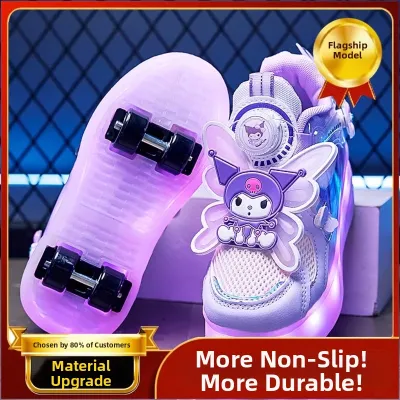
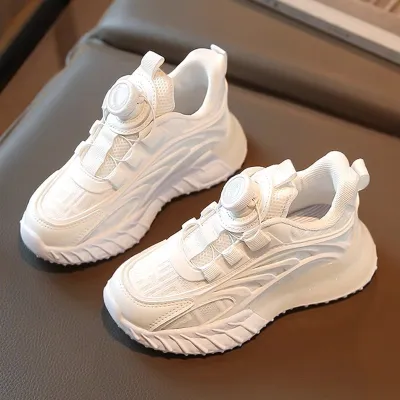
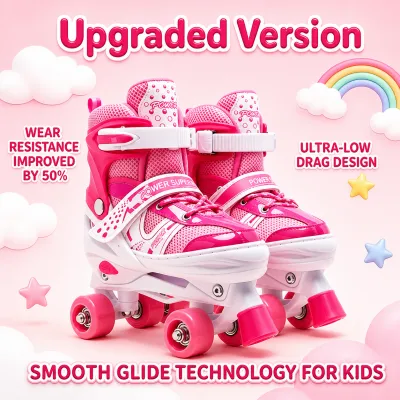
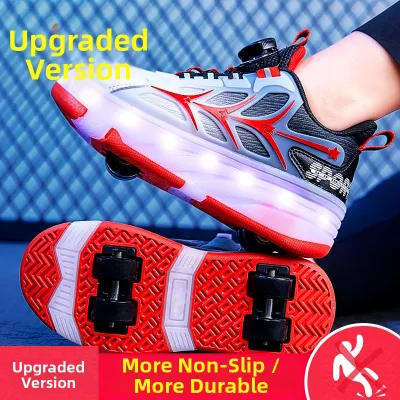
![IMUTO[Free protective gear]Roller Skate Shoes for Kids Adjustable Quad Skates Roller Blades Skate Shoes for Girls Boys](https://img.lazcdn.com/g/p/825ea35eea06c587864d651862874cfc.png_400x400q80.png_.webp)
Prices are valid at publication and may change. Please refer to the product page for the latest price.
Wheel hardness, measured on the durometer “A” scale, determines how the skates interact with different surfaces. For outdoor skating in the Philippines—such as rough asphalt pavements or concrete pathways—softer wheels with a rating between 78A and 82A are essential. These wheels are made of elastic polyurethane that absorbs road vibrations and maintains a reliable grip on uneven terrain. Conversely, harder wheels rated 85A and above are optimized for smooth, indoor surfaces like polished concrete or wooden rinks, where they offer high speed and minimal rolling resistance but will vibrate uncomfortably on outdoor streets.
Tropical heat and high humidity present another unique challenge for local skaters. When feet sweat inside a closed boot, the moisture softens the skin, increasing friction and rapidly causing painful blisters. Parents should prioritize skates designed with highly breathable materials. Look for soft-boot models that integrate mesh paneling, or hard-shell skates that feature wide ventilation ports paired with removable, moisture-wicking, and washable fabric liners to maintain hygiene and comfort.
As a child’s balance, coordination, and leg strength improve, their equipment needs will naturally progress. Beginners start on wide, stable bases designed to prevent tipping and limit excessive speed. Over time, as they master basic strides and stopping techniques, they can transition to more agile, performance-oriented skates that allow for sharper turns, faster acceleration, and specialized disciplines.
Best Roller Skate Types for Toddlers and Preschoolers (Ages 3-5)
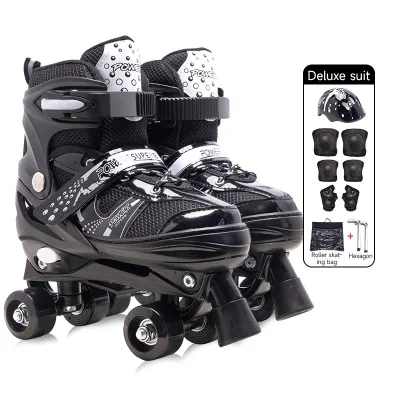
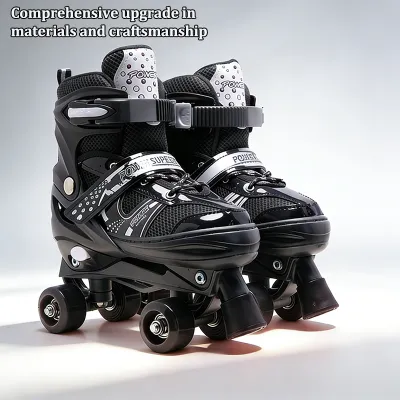
For toddlers and preschoolers aged 3 to 5, the primary objective is establishing basic balance and coordination. At this stage, adjustable quad skates—featuring a classic two-by-two wheel configuration—are highly recommended. The wide, rectangular footprint of a quad skate provides a stable platform that supports the child even when they are standing completely still, helping them get accustomed to the sensation of being elevated off the ground.

Because young children have limited muscle mass, the weight of the skate is a critical safety and comfort factor. Heavy skates will quickly exhaust a toddler’s legs, leading to poor posture, frequent falls, and rapid frustration. Look for skates constructed with lightweight nylon or composite frames rather than heavy aluminum alloys. A lighter skate encourages natural leg movement and allows the child to lift their feet easily, making the learning process far more enjoyable.
Closure systems must be secure, durable, and easy for parents to adjust. Standard laces are often impractical for toddlers, as they can loosen over time and present a dangerous tripping hazard. The most effective closure systems combine micro-adjustable ratchet buckles at the ankle with wide Velcro instep straps. This design allows parents to quickly lock the child’s heel into the back of the boot, ensuring a snug, supportive fit that will not slip or loosen during play.
Before finalizing a purchase for this age group, parents should perform a quick physical verification of the skates:
- Verify the Sizing Lock: Ensure the push-button or screw-and-slide adjusting mechanism locks firmly into place and does not slip when vertical pressure is applied.
- Check Wheel Roll: Spin the wheels with your hand; for absolute beginners, the wheels should spin smoothly but have a slight natural resistance to prevent the skates from slipping out from under the child too quickly.
- Assess Boot Weight: Hold the skate in your hand; if it feels noticeably heavy to an adult, it will be too cumbersome for a three-year-old's frame.
- Inspect Toe Bumpers: Confirm the presence of a durable rubber or plastic bumper at the front of the toe box to protect the boot from scrapes during inevitable falls.
Best Roller Skate Types for School-Age Beginners (Ages 6-9)
During the early school-age years, girls experience rapid improvements in their motor skills, spatial awareness, and leg strength. They are ready to move beyond simple rolling and begin learning active skating techniques, such as crossovers, backward gliding, and controlled stopping.
Quad vs. Inline: Matching the Skate to the Child's Preference
Quad skates remain a popular choice for school-age beginners due to their classic aesthetic and stability at a standstill. They are excellent for indoor rinks, roller dance, and artistic maneuvers. However, because quad wheels are wide and flat, they have a larger surface area that can catch on cracks, twigs, or small pebbles when skating outdoors, which can lead to abrupt stops and forward falls.
Inline skates feature three or four wheels arranged in a single file line. Although they require more ankle strength to maintain balance when standing still, they are highly agile once in motion. The narrow profile of inline wheels allows them to glide easily over cracks, rough asphalt, and outdoor debris, making them the superior choice for cruising around neighborhood streets or parks. They also promote a natural, forward-leaning stride that is highly intuitive for children who have tried ice skating or inline blading.
To determine which style your child prefers, consider visiting a local sporting goods store or renting different types at a skating rink. Letting them spend time on both configurations will help you gauge their natural comfort level and preference before you make a financial commitment.
Sizing, Adjustability, and Stopping Mechanisms
Because children in this age bracket undergo frequent growth spurts, adjustable skates are highly practical. These skates typically expand across three to four full shoe sizes (for example, fitting sizes 12J through 2) via a simple push-button mechanism. As the child’s foot grows, the toe box slides forward while the heel cup and ankle support remain structurally intact, offering extended usability without sacrificing safety.
Learning how to stop is the most critical skill for any beginner, and a supportive boot is essential for executing stops safely.
- Inline Skates utilize a rubber heel brake, typically mounted on the right skate. The skater stops by sliding the braking foot forward, lifting the toe, and pressing the rubber pad firmly into the ground.
- Quad Skates utilize a toe stop mounted at the front of the boot. Skaters stop by dragging the toe stop behind them while keeping their weight on the opposite leg, or by executing a turnaround stop.
Ensure that the brake pads or toe stops are made of high-quality, non-marking rubber rather than hard plastic. Hard plastic lacks the necessary friction to grip the pavement, causing the child to slide uncontrollably instead of stopping.
To ensure a correct fit, do not buy skates based on your child’s standard shoe size, as skate sizing varies significantly across manufacturers. Have your child stand on a piece of paper wearing their skating socks. Trace their foot, measure the length from the heel to the tip of the longest toe in centimeters, and compare this measurement directly to the brand’s specific size chart.
Best Roller Skate Types for Pre-Teens and Teens (Ages 10+)
By the age of 10, a girl’s physical development and balance are highly advanced. If she has been skating for several years, she will likely outgrow the capabilities of adjustable beginner skates. At this stage, transitioning to fixed-size skates is highly beneficial.
Fixed-size skates are engineered with a solid, one-piece sole and frame. Because they lack the sliding joints and extra plastic components required for adjustability, they are significantly lighter, more rigid, and offer a more precise fit. This structural rigidity ensures that the energy from the skater’s legs is transferred directly to the wheels, resulting in higher speeds, sharper turns, and superior edge control.
As older girls develop their skills, they often gravitate toward specific skating disciplines, each requiring a different type of skate:
- Fitness and Recreational Inline Skates: Designed for long-distance cruising on outdoor paths, baywalks, or park trails. They feature larger wheels (typically 80mm to 90mm) and longer frames to maximize stability and speed.
- Artistic and Rhythm Quad Skates: Ideal for girls interested in dance, spins, and jumps. These skates feature a high-top boot, often made of stiff synthetic leather, with a raised heel that shifts the skater's center of gravity forward for precise maneuvers.
- Aggressive and Street Skates: Built for the skatepark, ramps, and grinding rails. They feature heavy-duty, impact-resistant hard shells, small flat-profile wheels (55mm to 60mm) for stability on vertical ramps, and a specialized frame groove (H-block) designed for grinding.
High-quality skates for older girls feature precision bearings rated on the ABEC scale (such as ABEC-5, ABEC-7, or ABEC-9) or brand-specific ratings. Higher ABEC ratings indicate tighter manufacturing tolerances, resulting in a smoother, more efficient roll. These should be paired with specialized polyurethane wheels suited to the skating environment: soft wheels (78A–82A) for absorbing shock on rough outdoor concrete, or hard wheels (92A–98A) for sliding and spinning on smooth indoor rink floors.
Your daughter is ready to upgrade to fixed-size skates if she has reached the maximum size of her adjustable skates, if she complains of foot pain or a lack of support during intensive skating, or if she is participating in structured coaching where advanced maneuvers require a highly responsive, rigid boot.
Essential Protective Gear and Safety Rules
Skating is an active, fast-moving sport, and falls are an inevitable part of the learning process. No matter how skilled a skater becomes, protective gear is non-negotiable. Equipment cannot replace proper training, physical conditioning, and situational awareness, but it is essential for preventing serious injury.
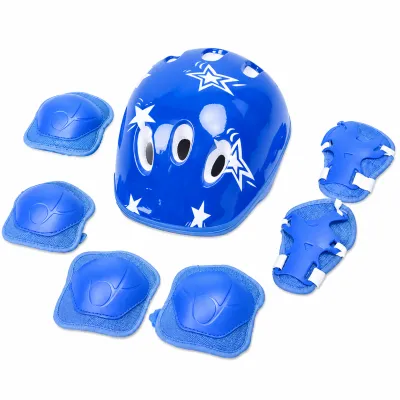
Never allow a child to step onto the pavement without a complete set of certified protective gear:
- Helmets: Must meet international safety standards (such as CPSC or EN 1078). A proper skate helmet covers the back of the head (the occipital bone) more extensively than a standard bicycle helmet. It must fit level on the forehead, sitting about two finger-widths above the eyebrows, with the chin strap adjusted snugly.
- Wrist Guards: These are the most critical piece of gear for preventing common injuries. When falling, the natural human instinct is to extend the arms to break the fall. Wrist guards feature rigid, curved plastic splints on the palm side that absorb the impact force and allow the hands to slide smoothly along the pavement, preventing wrist fractures and severe skin abrasions.
- Knee and Elbow Pads: These must feature hard plastic caps over thick EVA foam padding. The pads should be secured with both elastic sleeves and adjustable Velcro straps to prevent them from shifting out of place during a slide.
Before every skating session, parents should teach their children basic safety rules and perform a quick equipment check. Ensure that all wheel axles are securely tightened using a skate tool; a loose axle can cause a wheel to fly off mid-skate. Inspect the brake pad or toe stop to ensure it is not worn down to the plastic housing or mounting bolt. Ensure all buckles, straps, and laces are in perfect working condition and can be fastened securely.
Skating should only take place in well-lit, traffic-free environments. Avoid wet, damp, or muddy pavement, as water ruins steel bearings by causing rust, and it drastically reduces wheel traction, turning smooth concrete into a dangerous slip hazard. Teach your child how to fall safely: instead of falling backward onto the tailbone or head, they should bend their knees, lower their center of gravity, and fall forward, landing on their knee pads first, followed by their elbow pads and wrist guards.
Frequently Asked Questions (FAQ)
At what age can a girl start roller skating?
While some children can start as early as 3 or 4 years old, readiness is not determined by a strict birthdate. Instead, look for physical developmental markers: Can she run smoothly without tripping, jump with both feet off the ground, and balance on one foot for at least three to five seconds? If she has developed this baseline balance, coordination, and leg strength, she is physically ready to try beginner-friendly toddler skates under close parental supervision.
Should I buy adjustable or fixed-size roller skates?
Choose adjustable roller skates if your child is still growing rapidly (ages 3 to 9) or is a complete beginner. Adjustable models offer excellent value by expanding across multiple sizes, saving you from buying new skates every few months. Choose fixed-size roller skates for older girls (ages 10+), intermediate to advanced skaters, or those training in specific disciplines. Fixed-size boots provide the rigid support, precise fit, and efficient energy transfer needed for high-performance skating, speed, and complex maneuvers.
Community discussion
Share your experience or ask a question. Comments are reviewed before publication.