
When setting up a game on an outdoor court, the playing surface dictates your equipment choices more than any other factor. In the Philippines, the vast majority of community games take place on outdoor barangay courts, which are typically constructed from rough, unfinished concrete, asphalt, or even packed dirt. While professional indoor volleyballs made of genuine or synthetic composite leather offer a soft feel and excellent control on polished wooden or Taraflex floors, they degrade rapidly when exposed to these abrasive outdoor surfaces. A single match on hard concrete can scuff, peel, and permanently ruin an expensive indoor ball.
When selecting a dedicated volleyball ball rubber option, rubber serves as the ultimate protective shield against this harsh environment. A high-quality rubber volleyball is engineered to withstand constant high-impact friction against rough concrete without tearing or losing its structural integrity. Unlike composite leathers, which feature laminated layers that can easily delaminate when scraped, rubber is a homogeneous, solid material that resists deep abrasions.
Furthermore, outdoor courts are subject to unpredictable tropical weather conditions. High humidity, sudden afternoon downpours, and intense solar heat can quickly compromise synthetic materials, causing them to absorb moisture, gain weight, or warp. Rubber is naturally waterproof and non-porous, meaning it will not absorb water from a damp court or become heavy and waterlogged. It also resists the fine dust and dirt that inevitably settles on open-air courts, allowing players to maintain a functional level of grip throughout the game. While a rubber ball has a firmer, stiffer feel on the hands compared to its indoor counterparts, its exceptional durability and cost-effectiveness make it the most practical and reliable choice for casual, street, and barangay play.
Products mentioned in this guide
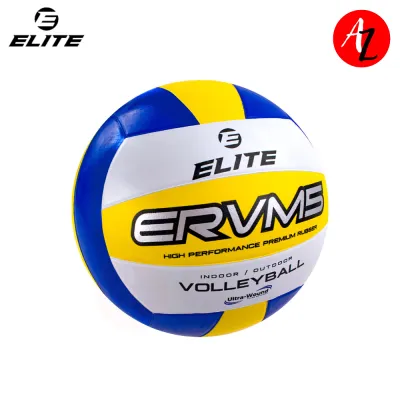
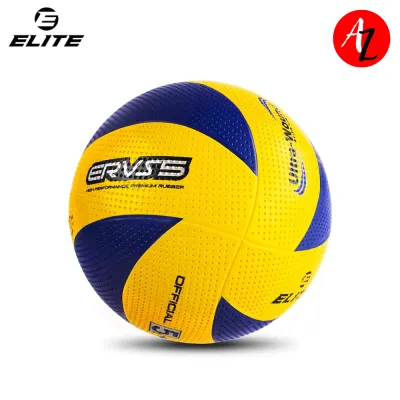
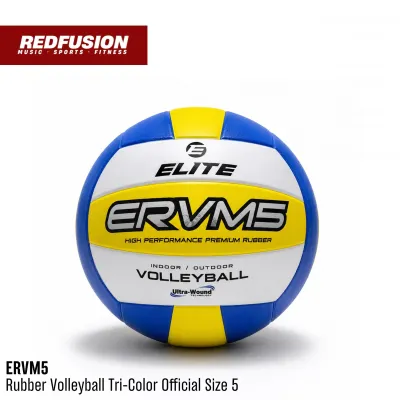
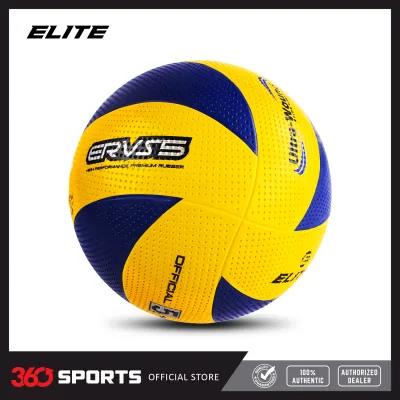
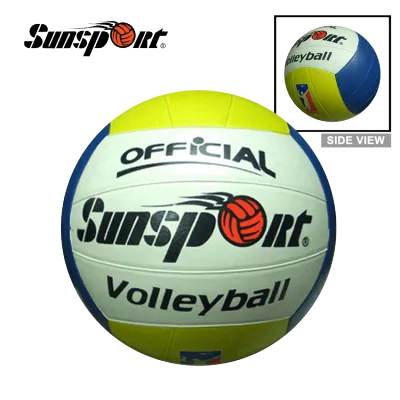
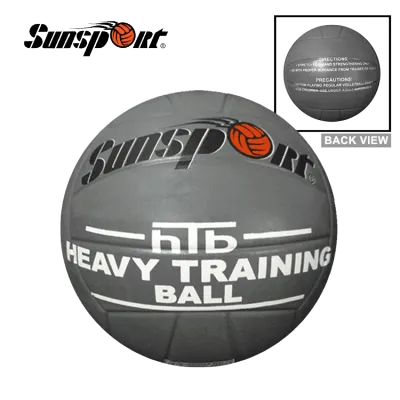
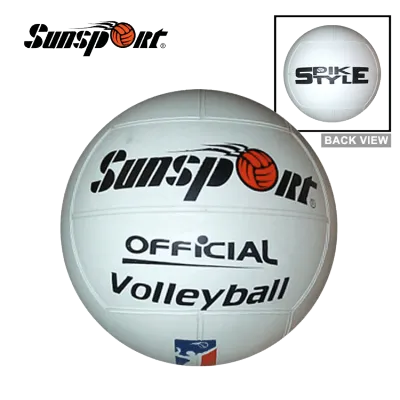
Prices are valid at publication and may change. Please refer to the product page for the latest price.
Key Features to Look for in an Outdoor Rubber Volleyball
Selecting the right rubber volleyball requires looking beyond the brand name and price tag. Because outdoor play subjects the ball to extreme physical stress, you must evaluate several structural components to ensure your purchase offers long-lasting performance. Understanding how a ball is constructed will help you identify models that maintain their bounce, shape, and grip over months of intense play on hard surfaces.
Cover Durability and Seam Construction
The outermost layer of the volleyball bears the brunt of every serve, spike, and concrete scrape. When inspecting a rubber volleyball, look for a thick, high-density rubber cover. Premium outdoor models often utilize vulcanized rubber, a process that chemically treats the rubber with sulfur and heat to make it more elastic, durable, and resistant to temperature extremes. This dense outer shell prevents sharp concrete aggregate or gravel from puncturing or gouging the ball during low digs and saves.
Equally critical to the ball’s lifespan is its seam construction. Standard rubber volleyballs are manufactured using a molded process where the panels are fused directly to the inner carcass under high heat and pressure. This creates deep, reinforced molded seams rather than shallow, glued edges. Molded seams are highly desirable for outdoor play because they leave no loose flaps or exposed edges that can catch on the ground and peel back. When evaluating a ball, run your fingers along the seams; they should feel smooth, recessed, and structurally integrated into the body of the ball, ensuring the panels will not split apart even after thousands of hard impacts against concrete.
Grip and Surface Texture for Dusty Environments
One of the greatest challenges of playing on an outdoor barangay court is the accumulation of fine dust and sweat on the ball’s surface. A completely smooth rubber ball quickly becomes slick and uncontrollable, leading to slipped sets, unpredictable passes, and poor serving accuracy. To counteract this, prioritize rubber volleyballs featuring a textured outer surface, such as a pebbled, dimpled, or deep-groove pattern.
These textured surfaces act similarly to the tread on a tire, creating channels that allow dust, moisture, and hand sweat to disperse away from the contact points. A pebbled texture provides micro-points of friction that allow your fingers to establish a secure hold during sets and passes, even in humid weather. Avoid cheap, glossy, or completely smooth rubber finishes, as they offer virtually no traction once they come into contact with the fine concrete dust common on public outdoor courts.
Bladder Quality and Shape Retention
While the outer cover handles the friction, the inner bladder is responsible for the ball’s bounce, flight path, and air retention. Most high-quality rubber volleyballs feature a butyl rubber bladder. Butyl is a synthetic rubber that is highly impermeable to air, meaning it can hold its pressure for weeks without needing a top-up. This is a major advantage over natural latex bladders, which are highly porous and lose air pressure daily.
For outdoor play, a stable bladder is essential because the air inside the ball expands and contracts with the intense tropical heat of the Philippines. To ensure the ball maintains its spherical shape over time, look for models that specify a nylon-wound or polyester-wound carcass surrounding the bladder. This internal winding acts as a structural cage, preventing the bladder from expanding unevenly and developing “lumps” or heavy spots. To verify a ball’s shape retention before buying, inflate it to its recommended pressure and spin it on your finger or roll it across a flat floor. A perfectly balanced ball will roll in a straight line without wobbling or veering off course, indicating an even weight distribution and a perfectly round bladder.
Adjusting for Outdoor Conditions: Weight, Wind, and Visibility
Playing outdoors introduces environmental variables that are entirely absent in controlled indoor gymnasiums. Wind drafts, bright tropical sunlight, and poor evening lighting on barangay courts can all severely affect your gameplay. Selecting a rubber volleyball with the appropriate specifications can help mitigate these external challenges.

First, always stick to official size and weight regulations. A standard outdoor volleyball should be a Size 5, with a circumference of 65 to 67 centimeters and a weight of 260 to 280 grams. While it might be tempting to buy lighter, softer balls to reduce hand sting, lightweight balls are highly susceptible to wind currents. Even a gentle afternoon breeze can catch a lightweight ball mid-flight, causing it to drift unpredictably and ruining your sets and serves. A standard-weight rubber ball has the necessary mass to cut through moderate wind, ensuring more stable, predictable flight paths. Furthermore, training with an officially weighted ball helps build correct muscle memory, making it easier to transition to indoor or competitive play later on.
Second, pay close attention to color selection and visibility. Outdoor courts in the Philippines are often multi-purpose spaces surrounded by trees, buildings, or fences, which can cast complex shadows across the playing area. Additionally, many barangay games extend late into the afternoon or evening under dim streetlights or basic court lighting. Standard white volleyballs can easily get lost against a backdrop of gray concrete, dusty ground, or bright skies. To maximize tracking, choose a rubber ball with high-contrast, vibrant color patterns. Multi-color designs featuring combinations of neon yellow, bright blue, orange, and white are exceptionally easy for the human eye to track against dark or busy outdoor backgrounds, allowing players to react faster and execute cleaner plays in low-light conditions.
Maintenance Tips to Extend Your Volleyball’s Lifespan on Hard Courts
Even the most durable rubber volleyball will degrade prematurely if left neglected. Because hard concrete courts expose the ball to abrasive grit, sweat, and intense UV radiation, establishing a simple post-game maintenance routine is essential to protect your investment. With proper care, a quality rubber ball that costs between ₱500 and ₱1,200 can easily last for several seasons of regular play.
Post-Game Cleaning After a long session on a dusty court, the ball’s surface will be coated in fine concrete dust, body oils, and sweat. If left uncleaned, this mixture can dry out the rubber, causing it to lose its grip and eventually crack. After every game, wipe down the ball with a soft microfiber cloth dampened with warm water and a drop of mild dishwashing soap. Gently rub the surface to lift away dirt from the pebbled texture and seams. Never use harsh chemical solvents, bleach, or gasoline, as these chemicals break down the rubber polymers and ruin the cover. Once clean, wipe the ball with a dry cloth and allow it to air dry completely in a shaded, well-ventilated indoor area. Never submerge the ball entirely in a bucket of water, as water can seep through the inflation valve and damage the inner bladder.
Proper Storage Habits The tropical climate of the Philippines presents two major enemies to rubber: extreme heat and ultraviolet (UV) radiation. Leaving your volleyball outdoors under the blazing sun or storing it in the trunk of a hot car will accelerate the aging of the rubber, making it brittle and prone to warping or popping. Always store your volleyball indoors in a cool, dry place away from direct sunlight. Additionally, avoid placing heavy objects on top of the ball during storage, as prolonged pressure can permanently deform the inner bladder and carcass, leaving you with a lopsided ball that is impossible to set accurately.
Air Pressure Management Maintaining the correct internal air pressure is vital for both the ball’s performance and its structural health. Most rubber volleyballs perform best when inflated to a pressure of 4.26 to 4.61 psi (0.30 to 0.325 kgf/cm²). Always use a reliable hand pump equipped with a pressure gauge to avoid over-inflation. When inserting the inflation needle, always lubricate it first with a drop of glycerin, soapy water, or saliva to prevent damaging or tearing the self-sealing rubber valve. Be mindful of temperature fluctuations: if you inflate your ball in a cool, air-conditioned room and then take it out to play on a hot afternoon concrete court, the air inside will expand, significantly increasing the internal pressure. If the ball feels rock-hard under the sun, slightly release a small amount of air to prevent placing excessive stress on the seams.
Frequently Asked Questions (FAQ)
Can I use an indoor synthetic leather volleyball on a concrete court?
Using an indoor synthetic leather or composite volleyball on a concrete court is highly discouraged. Synthetic leather is designed for smooth indoor surfaces and lacks the abrasion resistance required for rough concrete. The friction from a single session on cement will scuff the delicate outer cover, cause the laminated panels to peel at the seams, and permanently ruin the ball’s grip. Furthermore, concrete dust quickly clogs the micro-textures of synthetic leather, making it incredibly slippery. To protect your financial investment and ensure a consistent game, always use a dedicated rubber volleyball specifically engineered to withstand hard, abrasive outdoor surfaces.
How do I clean a rubber volleyball after playing on a dusty barangay court?
To clean your rubber volleyball, start by wiping the surface with a damp microfiber cloth to remove loose dust and dirt. For stubborn grime or sweat stains, mix a single drop of mild dishwashing soap with warm water, dampen the cloth with the soapy mixture, and gently scrub the ball’s surface. Next, rinse the cloth thoroughly with clean water, wipe the ball again to remove any soap residue, and dry it with a clean towel. Finally, place the ball in a shaded, well-ventilated indoor area to air dry completely. Avoid using abrasive brushes or submerging the ball in water, which can damage the valve.
Community discussion
Share your experience or ask a question. Comments are reviewed before publication.