
Running in the tropical climate of the Philippines presents unique challenges for carrying personal essentials. Whether pacing through the active urban streets of Bonifacio Global City, navigating neighborhood loops in Cebu, or tackling humid trail runs in Rizal, keeping your phone and keys secure is a constant struggle. A high-quality running belt bag for men solves this dilemma by offering a stable, bounce-free storage solution that keeps your hands free and your mind focused on your stride. Finding the right belt requires understanding how different designs perform under high humidity and heavy sweat, ensuring your expensive smartphone remains dry and your keys stay silent.
What to Look for in a Running Belt for Men
Choosing a running belt bag for men involves more than simply picking a convenient pouch; it requires assessing how the gear interacts with your body mechanics and the local environment.
Bounce Control and Fit The biomechanics of the male stride and physical structure dictate how a belt behaves during high-impact movement. Men typically have a straighter hip-to-waist ratio than women, which can cause some belts to slide upward toward the narrowest part of the waist if they lack proper grip or structural adjustability. Wide, elastic bands are highly effective because they distribute pressure over a larger surface area, preventing the belt from digging into your skin or shifting vertically. When evaluating a belt, check for adjustable buckles or tension straps that allow you to customize the tightness as you run, and look for interior silicone grippers that help hold the fabric firmly against your running shorts.
Products mentioned in this guide
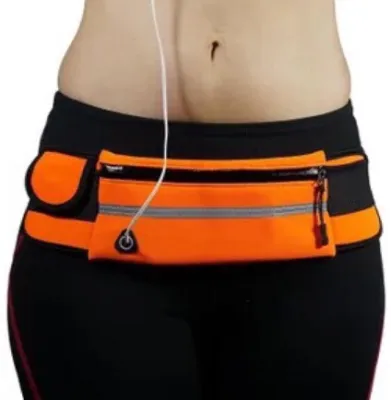
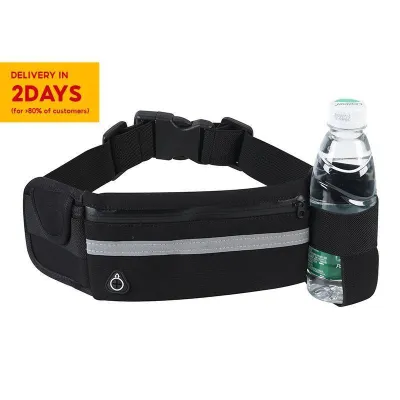
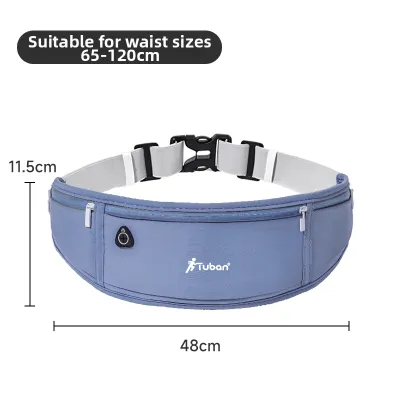
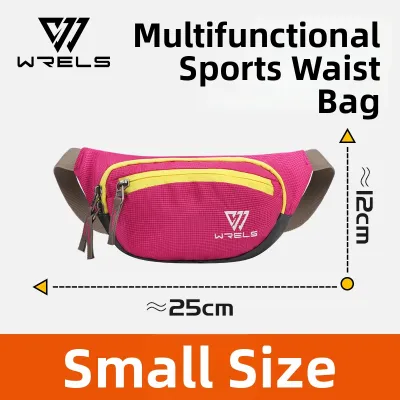
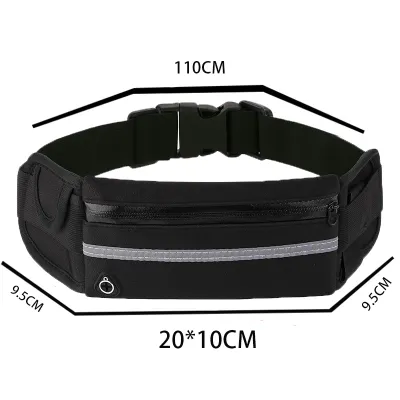
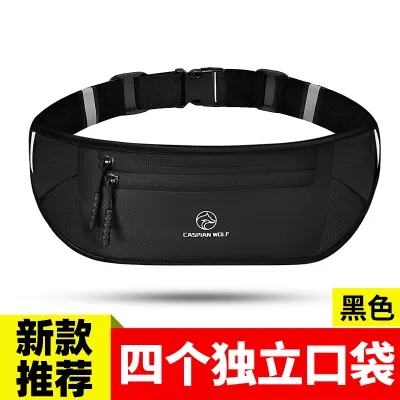
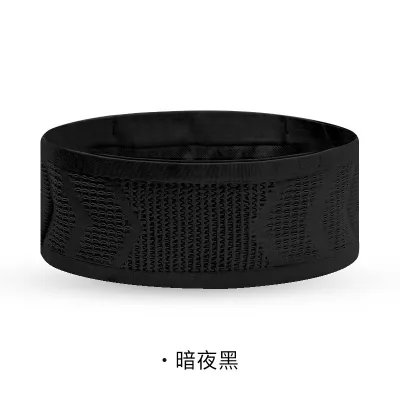
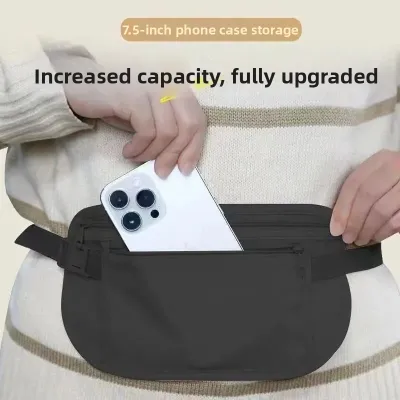
Prices are valid at publication and may change. Please refer to the product page for the latest price.
Weather and Sweat Resistance The Philippine climate is notoriously humid, leading to rapid sweat accumulation within minutes of starting a run. Additionally, sudden tropical rain showers can catch you unprepared, making water resistance a critical feature for protecting your electronics. A reliable running belt should feature moisture-wicking fabrics on the side facing your skin to prevent chafing, combined with a water-resistant outer barrier or an internal thermoplastic polyurethane (TPU) lining to shield your phone from moisture. Zippers should ideally feature weather-resistant seals to prevent rainwater or heavy perspiration from seeping through the teeth.
Capacity and Organization Modern smartphones are larger than ever, with many standard and pro models featuring screen sizes of 6.5 inches or more. When selecting a belt, verify the pocket dimensions when fully stretched to ensure your specific device will fit comfortably. The pocket must close securely without putting excessive tension on the zipper, which can cause premature wear or failure. Furthermore, separate compartments are vital; placing sharp keys in the same pocket as a bare smartphone screen will inevitably cause scratches, so look for dual-pocket designs or integrated dividers.
Security Features A secure zipper closure is the standard for running belts, but internal safety elements provide critical peace of mind. Look for belts equipped with an integrated key clip or an elastic leash. This anchor point ensures that even if you unzip the pocket mid-run to check your phone or change a playlist, your keys will not accidentally tumble onto the pavement. Hidden interior slots for cash (such as a few ₱100 or ₱500 bills for emergency hydration purchases) or an ID card add extra utility without adding unnecessary bulk.
Top Running Belt Styles for Phones and Keys
Different running habits and gear preferences require distinct belt designs. Understanding the strengths and trade-offs of each style will help you select the ideal option for your daily runs.

Tube-Style Running Belts (Best for Zero Bounce)
The continuous loop or tubular design has become highly popular among runners who prioritize a completely stable, bounce-free experience. These belts consist of a wide, continuous band of stretchy fabric that you pull up over your legs and position around your hips.
Because they lack plastic buckles, snaps, or adjustment clips, tube-style belts eliminate potential friction points, significantly reducing the risk of chafing during long-distance efforts. The 360-degree elastic compression distributes the weight of a heavy, large-screen smartphone evenly around your waist, making the phone feel lighter and preventing it from shifting vertically.
However, this design does have notable trade-offs. Because there are no fasteners, you must step into the belt to put it on or take it off, which can be awkward when you are sweaty or muddy after a trail run. Accessing items on the fly is also slightly more challenging, as you must reach into fabric slits rather than opening a convenient zipper. Additionally, most basic tube belts lack a dedicated zippered compartment for loose keys, meaning you must secure them carefully within the internal loops or wrap them to prevent shifting.
Zippered Pouch Belts (Best for Quick Access and Keys)
The traditional zippered pouch belt features an expandable fabric pocket attached to an adjustable elastic strap that secures with a heavy-duty buckle. This style is highly favored by runners who prioritize convenience and quick access to their items.
You can easily swing the pouch to the front of your body, unzip it with one hand to grab your phone, and zip it back up without breaking your running rhythm. Many models feature a dual-pocket system or an internal partition, allowing you to isolate your keys on one side and your phone on the other, protecting your screen from scratches.
When choosing a zippered pouch belt, it is crucial to inspect the quality of the buckle and the width of the strap. A strap that is too thin or loses its elasticity quickly will allow the pouch to bounce vertically with every step, especially when loaded with a heavy phone. Look for wide, robust straps and low-profile buckles that sit comfortably against your lower back or hip without digging in.
Multi-Compartment Utility Belts (Best for Long Runs)
For runners transitioning to longer distances, such as half-marathons, full marathons, or long trail runs, a simple single-pouch belt may not offer enough storage capacity. Multi-compartment utility belts feature several distinct pockets distributed around the entire circumference of the waist.
This design allows you to carry your phone and keys while also packing energy gels, salt tablets, a small ID card, and even a soft hydration flask. By spreading the weight of these items evenly across your hips, these belts minimize localized bouncing and prevent the uncomfortable sagging associated with overloaded single pouches.
The primary trade-off with utility belts is a bulkier profile and increased surface area contact with your body. In the hot and humid climate of the Philippines, this extra fabric can trap heat and sweat against your skin, potentially leading to discomfort during long midday runs. Careful organization is required to keep the overall profile as streamlined as possible, ensuring you only carry what is absolutely necessary for your distance.
How to Pack and Wear Your Belt for a Bounce-Free Run
Even the highest-quality running belt bag for men can bounce or cause discomfort if it is not worn or packed correctly. Following proper adjustment and loading techniques will ensure a comfortable, distraction-free run.
Optimal Placement Many runners make the mistake of wearing their running belt too high, resting it around the natural waistline near the belly button. As you run, the natural movement of your torso and abdominal muscles will cause the belt to ride up further, leading to discomfort and increased bounce. Instead, position the belt lower down, resting snugly over the widest part of your hips or just below the hip bones. This anatomical positioning utilizes your pelvic structure as a natural shelf, preventing the belt from sliding upward and keeping the weight centered and stable.
Packing Order Balance is key to minimizing movement. Place your heaviest item, which is almost always your smartphone, flat against your lower back directly over the center of your spine. This area experiences the least vertical movement during your stride, keeping your center of gravity stable. Your keys should be secured in a separate compartment toward the front or side of your hip. Ensure the keys are pulled tight against the fabric or clipped securely to the internal leash so they cannot shift or rattle as you move.
Adjusting Tension Finding the perfect tension requires a brief trial-and-error process. The belt should be adjusted so it feels snug and firm against your body when standing still. To test the fit before heading out, perform a few vertical jumps or a quick sprint in place. If the belt shifts or slides, tighten the strap slightly. However, avoid over-tightening; the belt should never restrict deep diaphragmatic breathing or cause red marks on your skin. If you feel restricted when taking a deep breath, loosen it slightly and reposition it lower on your hips.
Skin Protection High humidity increases the risk of friction-induced chafing. To protect your skin, always wear your running belt over the waistband of your running shorts or compression tights rather than directly against bare skin. The fabric of your clothing acts as a protective barrier. For extra-long runs or particularly humid days, consider applying a thin layer of anti-chafe balm or petroleum jelly to your hips and lower back where the edges or buckles of the belt are most likely to rub against your body.
How to Maintain Your Running Belt in Tropical Climates
The combination of heavy sweat, high humidity, and outdoor dust in the Philippines can quickly degrade the materials of your running belt if it is not properly maintained. Regular care will extend the lifespan of your gear and keep it hygienic.
Post-Run Care Sweat is highly corrosive due to its high salt content, which can quickly degrade the elastic fibers of your running belt and cause metal or plastic zippers to stick and corrode. After every run, make it a habit to empty your belt completely and rinse it thoroughly under cool, running tap water. This simple step flushes out the accumulated salt, sweat, and body oils, preserving the elasticity of the fabric and ensuring the zippers continue to glide smoothly.
Washing Instructions Over time, a running belt will inevitably accumulate odors and deep-seated grime. While some belts are machine-washable, hand-washing is the safest method to prolong the life of the technical materials. Fill a basin with cool water and add a small amount of mild, sport-specific detergent or gentle soap. Gently agitate the belt by hand, paying close attention to the areas that contact your skin. Avoid using fabric softeners, as they can coat the fibers and destroy the moisture-wicking properties of the technical mesh. Always consult the manufacturer’s care label on the product before washing.
Drying Best Practices Once clean, gently press the excess water out of the belt using a clean towel—never wring, twist, or squeeze the elastic violently, as this can snap the internal spandex fibers. Hang the belt to air-dry in a well-ventilated, shaded indoor area or a covered outdoor space. Avoid exposing the belt to direct, intense tropical sunlight, as ultraviolet rays can rapidly degrade elastic materials and fade fabrics. Never place your running belt in a mechanical clothes dryer, as the high heat will melt or warp the synthetic elastics and damage any water-resistant coatings.
Frequently Asked Questions (FAQ)
Will a running belt fit a large smartphone with a thick case?
Most modern running belts are designed with highly stretchable fabrics like elastane or spandex, allowing them to expand significantly to accommodate large smartphones. However, a thick, rugged, or heavy-duty protective case can add substantial bulk and weight, making it difficult to zip the compartment or causing the belt to bounce more during your run. For the best experience, check the manufacturer’s maximum pocket dimensions before purchasing. If your phone with its case exceeds these dimensions, consider swapping to a slim, minimalist case specifically for your runs, or opt for a highly stretchable tube-style belt that naturally expands to accommodate larger profiles.
How do I stop my keys from jingling while running?
The constant jingling of keys can be a major distraction during a peaceful run. To silence them, make full use of your running belt’s built-in key leash or internal clip to pull the keys tight against the fabric, preventing them from moving independently. If your belt does not have a clip, you can wrap your keys in a small microfiber cloth or a clean tissue before placing them in the pocket. Alternatively, slide a silicone key cover over your keys to muffle the sound, or carry only the single essential key you need to re-enter your home rather than your entire heavy keychain.
Are running belts better than armbands for men?
For most male runners, a running belt offers several distinct advantages over a traditional bicep armband. Running belts distribute the weight of your gear evenly around your body’s natural center of gravity (the hips), which minimizes muscle imbalance and feels much lighter during high-impact movement. Armbands can feel restrictive, often sliding down the bicep due to sweat or requiring you to strap them uncomfortably tight, which can impede blood circulation. Furthermore, as modern smartphones have grown larger and heavier, carrying them on an arm can cause noticeable shoulder fatigue, making a hip-mounted belt the superior choice for comfort and ease of access.
Community discussion
Share your experience or ask a question. Comments are reviewed before publication.