
Building a home gym in the Philippines often requires balancing limited floor space, tropical humidity, and budget constraints. While traditional iron plates, barbells, and dumbbells are excellent for linear progression, they can be bulky, expensive, and prone to rust if kept in open-air garages or damp rooms. Sandbag weights offer a highly versatile, space-saving, and cost-effective alternative for functional strength training. By utilizing a shifting center of mass, these pliable training tools challenge your core, grip, and stabilizer muscles in ways that rigid steel cannot. Whether you live in a compact condominium in Metro Manila or a provincial home with an outdoor workout area, selecting the right sandbag can elevate your fitness routine without cluttering your living space.
Why Add Sandbag Weights to Your Home Gym?
Integrating sandbags into your home strength routine introduces a unique training stimulus known as active resistance. Unlike a barbell, which has a fixed, predictable center of gravity, the sand inside a training bag shifts constantly with every movement. This instability forces your body to recruit smaller stabilizer muscles, particularly in your core, shoulders, and hips, to maintain balance and control. The result is a highly functional form of strength that translates directly to daily physical tasks, such as lifting heavy packages, carrying groceries, or performing manual labor.
For home gym enthusiasts in the Philippines, space is often at a premium. A single sandbag can replace multiple pairs of dumbbells or kettlebells because many designs allow you to adjust the weight by adding or removing inner filler bags. When empty, a sandbag shell can be folded flat and stored in a drawer, making it an ideal choice for small apartments or shared living spaces. Additionally, sandbags are generally quieter and more forgiving on residential floors than heavy iron weights, reducing the risk of loud clangs that might disturb your family or neighbors.
Products mentioned in this guide
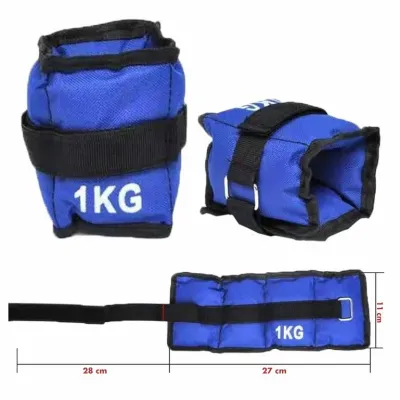
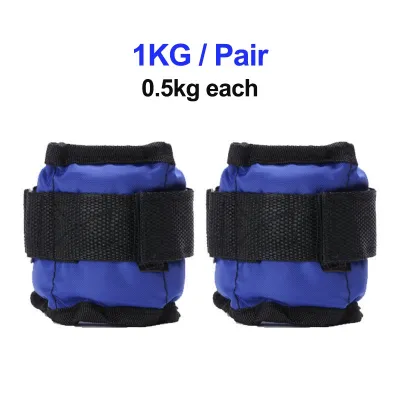
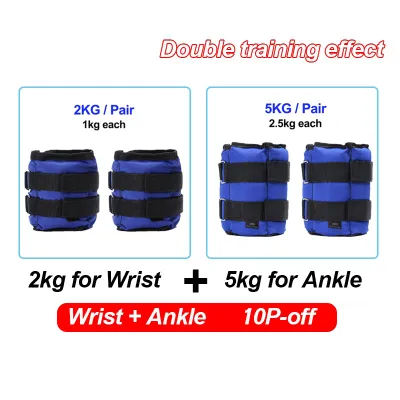
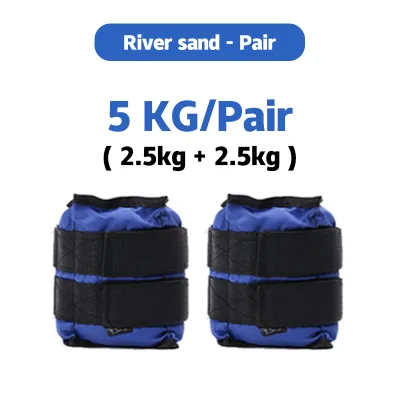
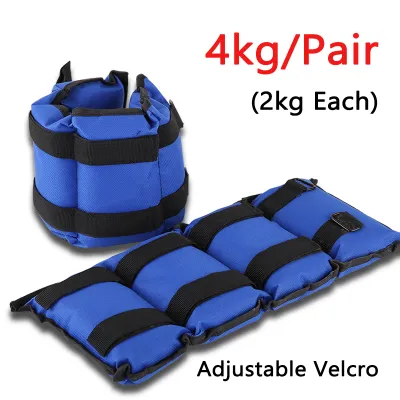
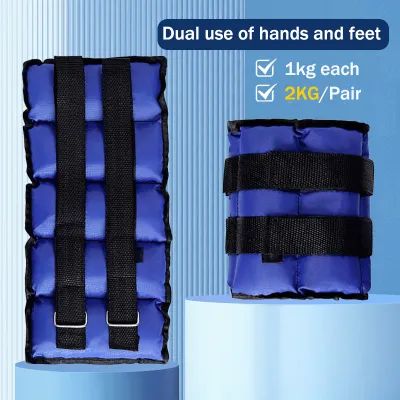
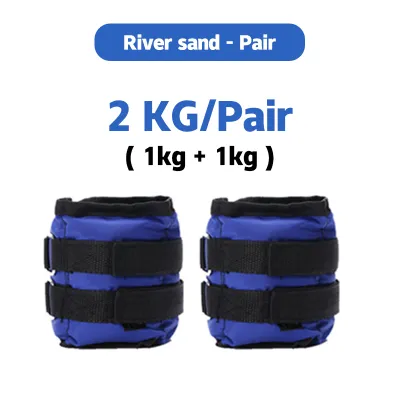
Prices are valid at publication and may change. Please refer to the product page for the latest price.
However, it is important to understand the limitations of sandbag training before fully committing. Tracking progressive overload—the gradual increase of stress placed upon the body during exercise—is inherently more difficult with sandbags than with traditional weights. Because the load shifts and the bag changes shape, lifting a 20-kilogram sandbag can feel significantly heavier and more awkward than lifting a 20-kilogram barbell. If your primary goal is precise, incremental strength gains or competitive powerlifting, sandbags are best used as a complementary tool rather than a complete replacement for structured barbell training.
Key Features to Evaluate Before Buying
When browsing local e-commerce platforms for sandbag weights, you will encounter a wide variety of options. To ensure your investment lasts through intense workouts and humid tropical weather, you must evaluate several critical design features.

First, examine the shell material. Heavy-duty nylon, particularly high-denier fabrics like 1000D nylon, is widely considered the standard for durable training sandbags. This material offers exceptional abrasion resistance, allowing you to drag, drop, and toss the bag on concrete, grass, or rubber tiling without tearing. Canvas is another common option, offering a classic look and comfortable grip, but it may absorb sweat and moisture more readily than synthetic nylon, requiring more frequent washing to prevent odors.
Second, pay close attention to the closure systems and zipper quality. The primary failure point for cheap sandbags is sand leakage, which can quickly ruin a home workout space. Look for bags that feature heavy-duty, industrial-grade zippers protected by thick hook-and-loop flaps. The best designs utilize a multi-layered containment system, where the sand is housed in separate, sealed inner filler bags that are then placed inside the main outer shell. This double-barrier design ensures that even if an inner bag experiences stress, the sand remains contained.
Third, evaluate the handle configurations. Some sandbags are completely smooth, mimicking the shape of a traditional stone or log to maximize grip strength and force you to hug the implement. Others feature multiple webbing handles stitched at various angles, allowing you to perform cleans, presses, rows, and swings with a neutral, wide, or narrow grip. Ensure that the handles are made of thick, reinforced seatbelt-style webbing and are secured to the shell with box-stitching or rivets to prevent tearing under heavy loads.
Finally, consider water resistance and ease of cleaning. The high humidity and warm temperatures in the Philippines mean you will sweat heavily during workouts, and outdoor training sessions may expose your gear to damp ground. A water-resistant outer shell allows you to wipe down the bag with a damp cloth and mild disinfectant after use, preventing the buildup of bacteria, mold, and unpleasant odors.
Types of Sandbag Weights and Their Best Uses
Sandbags come in several distinct shapes and configurations, each designed to target different movement patterns and athletic goals. Understanding these variations will help you select the style that best matches your current fitness level and training preferences.
Cylindrical and Duffel-Style Sandbags
Cylindrical or duffel-style sandbags are the most common and versatile option for general strength training. Their elongated shape mimics a traditional duffel bag, making them highly suited for heavy carries, front squats, lunges, and overhead presses.
These bags excel at building raw, brute strength because they allow you to lift substantial loads close to your body. However, their bulk can make them awkward to handle for smaller individuals or beginners who have not yet developed the core stability required to manage a shifting, wide load. If you plan to focus on foundational compound movements, a medium-sized duffel sandbag is an excellent starting point.
Bulgarian Training Bags
Bulgarian training bags feature a distinct crescent or horseshoe shape, typically filled with sand and wool to maintain a semi-rigid structure. They are equipped with main handles on the ends and auxiliary straps along the curve, making them ideal for dynamic, rotational movements.
You can use a Bulgarian bag for high-velocity exercises like spins, arm throws, lateral lunges, and shoulder carries, which target the obliques, shoulders, and grip strength. Because these bags are designed for speed and coordination, they generally have a lower weight capacity than duffel-style bags. They are less suitable for heavy, bilateral lower-body lifts like deadlifts or deep squats, but they are unmatched for athletic conditioning and rotational power.
Multi-Handle Tactical Sandbags
Multi-handle tactical sandbags combine the heavy-duty construction of military gear with the utility of a barbell. These bags feature multiple grip points positioned along the top, sides, and ends, allowing you to transition seamlessly between different exercises.
This style is highly recommended for dynamic Olympic-style lifts, such as cleans, snatches, and thrusters, where a secure and predictable grip is necessary for safety. When evaluating tactical sandbags, verify that the handle stitching is heavily reinforced and that the spacing aligns comfortably with your shoulder width. The versatility of these handles makes tactical sandbags a favorite for high-intensity interval training (HIIT) and cross-training workouts.
Choosing the Right Weight Capacity and Fill Material
Selecting the appropriate weight capacity and filling your sandbag correctly are crucial steps in setting up your home gym. Because sandbags feel significantly heavier than rigid weights, it is wise to start conservative.
For beginners or those focusing on high-rep conditioning, a sandbag shell with a capacity of 10 to 20 kilograms is a manageable starting point. Intermediate lifters and those focusing on lower-body strength may prefer a capacity of 20 to 40 kilograms. If you are an experienced strength athlete, bags rated for 40 to 60 kilograms or more will provide the necessary resistance for heavy carries and squats.
To maintain flexibility in your training, look for sandbags that utilize adjustable inner filler bags. These smaller bags can be filled to specific weights (such as 5 or 10 kilograms each) and added or removed from the main shell to adjust the total load. This design allows you to quickly scale the weight down for complex overhead movements or up for heavy carries. Single-compartment sandbags, which are filled directly into the outer shell, are less adjustable but often offer a more realistic, shifting feel.
When it comes to fill materials, clean play sand is the most popular and accessible option in the Philippines. It is inexpensive, dense, and readily available at local hardware stores. Alternatively, you can use rubber mulch or clean pea gravel to adjust the volume-to-weight ratio; rubber mulch creates a bulkier, softer bag at a lighter weight, while gravel provides a very dense, heavy load. Avoid using organic soil, agricultural sand, or unwashed river sand, as these materials can harbor moisture, mold, and sharp debris that can puncture the inner liners.
In terms of budgeting, purchasing an empty sandbag shell from online marketplaces typically costs between ₱800 and ₱3,500, depending on the brand, size, and material quality. Buying an empty shell is highly cost-effective because shipping fees for pre-filled sandbags can be prohibitively expensive due to their weight. Purchasing a bag of play sand locally at a hardware store usually costs less than ₱200, allowing you to assemble a heavy, durable training tool for a fraction of the cost of equivalent iron weights.
Safety, Maintenance, and Setup for Home Workouts
To ensure a safe training environment and prolong the lifespan of your sandbag, you must establish a regular inspection and maintenance routine. This is especially important in the tropical climate of the Philippines, where humidity and sweat can accelerate wear.
Before every workout, perform a quick visual check of your sandbag. Inspect the seams, zipper teeth, and handle attachments for any signs of fraying, loose threads, or separation. If you notice any structural damage, particularly around the handles or main zipper, stop using the bag immediately and consult the manufacturer for repair or replacement guidelines. Attempting dynamic lifts or overhead presses with a compromised sandbag can lead to sudden failure, spilling sand and potentially causing injury.
Protecting your home flooring is another key consideration. While sandbags are softer than iron plates, dropping a heavy bag repeatedly on ceramic tiles, laminate, or hardwood floors can still cause cracking or scratching over time. Always perform your workouts on a protective surface, such as thick rubber gym mats, a durable outdoor lawn, or a concrete garage floor. If you must train indoors on delicate flooring, place a folded yoga mat or a heavy moving blanket underneath your workout zone to act as a drop pad.
Proper cleaning is essential to combat the effects of sweat and humidity. After a high-intensity workout, wipe down the exterior of the sandbag shell with a mild soap solution or a disinfectant wipe. Never submerge the entire bag in water while it is filled with sand. If the outer shell becomes exceptionally dirty or smelly, empty the sand fillers completely, wash the empty shell by hand or on a gentle machine cycle, and hang it to dry thoroughly in a well-ventilated, shaded area. Ensure the fabric is completely dry before refilling it to prevent the growth of mold and mildew inside the bag.
Frequently Asked Questions (FAQ)
Can I use regular beach sand to fill my workout sandbag?
Using untreated beach sand to fill your workout sandbag is highly discouraged. Beach sand naturally retains a high level of moisture and contains salt, which can corrode metal zippers, degrade synthetic fabrics, and lead to the rapid growth of mold and mildew inside the bag. Additionally, beach sand often contains microscopic organic matter, tiny shell fragments, and bacteria that can create unpleasant odors over time.
If beach sand is your only available option, you must prepare it thoroughly before filling your bag. Wash the sand repeatedly in a bucket with clean water to remove salt and organic debris, then spread it out in a thin layer on a clean tarp under direct sunlight. Allow the sand to dry completely for several days, turning it occasionally, until there is absolutely no residual moisture before sealing it inside your filler bags.
Are sandbag weights better than kettlebells for home workouts?
Neither tool is universally superior; rather, they offer different training stimuli that can complement each other in a home gym. Kettlebells feature a fixed, compact shape with a handle that allows for fluid, ballistic movements like swings, snatches, and cleans. They are excellent for building cardiovascular endurance, grip strength, and explosive hip power with a highly predictable path of motion.
Sandbags, on the other hand, excel at building raw, awkward strength and core stability due to their shifting mass and larger volume. Lifting a sandbag requires you to wrestle with an unstable load, making it highly effective for simulating real-world physical challenges. If you prefer structured, high-repetition conditioning, kettlebells are highly efficient; if you want to build functional, stabilizing strength and carry heavy, awkward loads, sandbags are an outstanding choice. Combining both tools in your routine provides a comprehensive, balanced approach to home fitness.
Community discussion
Share your experience or ask a question. Comments are reviewed before publication.