
Selecting a scooter with a push handle is one of the most practical decisions you can make to encourage active outdoor play while maintaining full control over your child’s safety. In the Philippines, where neighborhood streets, park pathways, and commercial plazas present a mix of uneven pavements and crowded walkways, these hybrid ride-ons offer a secure transition from the passive comfort of a stroller to the active coordination of independent riding. By providing a sturdy, parent-controlled handlebar, these scooters allow you to guide your toddler through early balance milestones without risking sudden falls or runaway turns.
The ideal push-handle scooter adapts to your child’s physical development, transforming from a fully assisted stroller-like ride into a self-propelled kick scooter. When navigating local outdoor spaces, having the ability to steer, brake, or simply push a tired child home makes family outings significantly more manageable. Understanding how different designs, materials, and configurations perform in tropical conditions will help you select a durable model that grows alongside your child.
Key Features to Look for in a Push Handle Scooter
An adjustable parental push bar is essential for preventing back strain and fatigue during extended outdoor walks. Look for telescoping handles that lock securely at multiple heights, accommodating different caregivers comfortably. Simultaneously, the child’s steering handlebar must feature multiple height adjustment settings. As toddlers grow rapidly, a scooter that fails to offer proportional height adjustments can lead to poor riding posture, putting unnecessary strain on their developing joints and reducing their overall stability.
Products mentioned in this guide
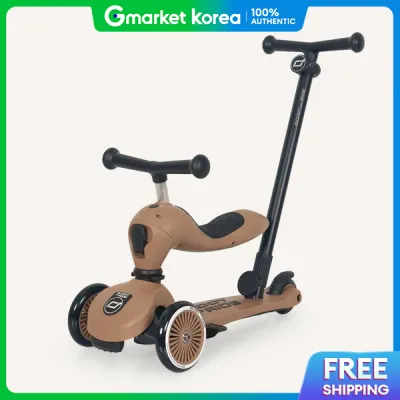
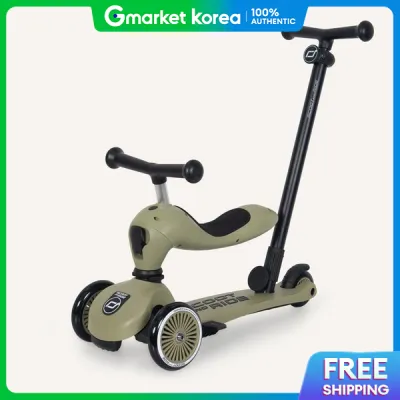
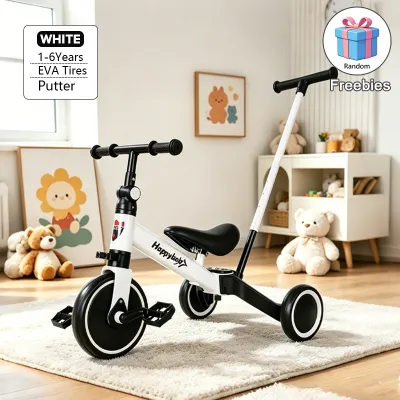
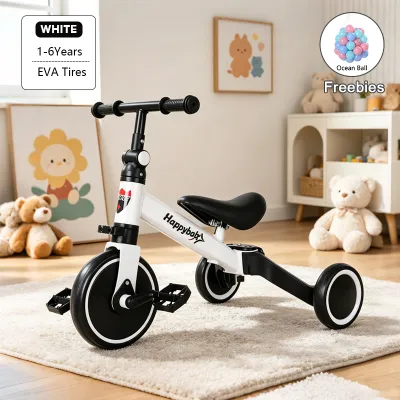
Prices are valid at publication and may change. Please refer to the product page for the latest price.
Steering systems generally fall into two categories: traditional turning axles and lean-to-steer mechanisms. Traditional steering requires the child to physically turn the handlebars, which can be challenging for very young toddlers who lack refined motor skills. Lean-to-steer systems, on the other hand, utilize the child’s natural body weight shifts to curve left or right, fostering better balance and coordination. When evaluating a scooter with a push handle, verify how the parental bar overrides or interacts with the front wheels; some models feature a steering lock button that keeps the wheels straight, giving the parent complete control over direction.
The composition of the deck and wheels directly impacts ride quality and safety on varied Philippine surfaces, from smooth mall floors to textured subdivision pavements. Molded plastic decks with raised, slip-resistant patterns are highly durable and easy to clean, while decks lined with grip tape offer superior foot traction but can wear down or peel when exposed to moisture. For wheels, polyurethane (PU) is the industry standard for outdoor use. PU wheels absorb vibrations, provide reliable traction, and roll quietly over minor cracks, whereas cheap, hard plastic wheels slip easily, wear out quickly, and transfer heavy vibrations to your child’s hands and feet.
Braking mechanisms must match both the child’s developmental stage and the riding environment. Most toddler scooters feature a rear foot brake, which is highly effective once a child develops the coordination to step back and apply pressure. However, for younger toddlers who cannot yet operate a foot brake, having a parent-controlled handbrake or a highly responsive parental push bar is vital for stopping the scooter immediately. Always inspect the brake assembly to ensure it is constructed from durable materials, such as stainless steel or reinforced nylon, to prevent premature wear.
Best Scooter Configurations for Different Age Groups
Choosing the right scooter configuration requires aligning the vehicle’s structural design with your child’s current motor skills, height, and weight. Scooters with push handles are highly versatile, but a model designed for a five-year-old will not provide the necessary trunk support or safety boundaries required by a one-year-old. Evaluating these configurations by age group ensures your child remains safe, comfortable, and appropriately challenged as they build physical confidence.

Sit-and-Ride 3-Wheel Scooters for Toddlers (Ages 1–3)
Designed for the youngest riders, sit-and-ride models feature a low-slung, contoured seat that allows toddlers to sit comfortably while keeping their feet near the ground or on dedicated footrests. A secure safety harness or protective enclosure ring is highly recommended for this age group to prevent the child from slipping sideways. The parental push bar on these models acts as the primary steering and propulsion mechanism, meaning the parent does all the heavy lifting while the child enjoys the sensation of forward motion and practices holding onto the handlebars.
These hybrid models are perfect for replacing standard strollers during casual afternoon strolls around local subdivisions, trips to the park, or weekend outings to outdoor commercial spaces. They keep toddlers engaged and active, allowing them to practice steering inputs and leg movements in a controlled environment. The configuration serves as a gentle introduction to wheeled toys, helping toddlers build core strength and spatial awareness before they ever attempt to stand on a moving deck.
While highly beneficial for early development, sit-and-ride models have a relatively short functional lifespan in their seated configuration. Toddlers often outgrow the seat height and weight limits within a year or two as their legs lengthen and their balance improves. Additionally, the extra components—such as the seat, footrests, and parental push bar—add significant weight and bulk, making these scooters heavier to carry or pack into a car trunk when folded compared to minimalist kick models.
Lean-to-Steer 3-Wheel Scooters for Preschoolers (Ages 3–5)
As children transition into the preschool years, they develop the balance and leg strength required to stand and propel themselves. Lean-to-steer three-wheel scooters feature two wide-set front wheels and a single rear wheel, providing an inherently stable platform that does not tip over easily when stationary. The steering mechanism relies on the child leaning their body in the direction they want to go, which naturally teaches the fundamentals of balance, weight distribution, and cornering without the risk of over-steering.
At this stage, the push handle serves as a supportive safety tool rather than the primary source of movement. It allows you to guide your child safely across busy driveways, assist them when navigating slight inclines, or take over steering when they become fatigued during long walks. A removable push handle is ideal here, as it can be quickly detached when your child wants to ride independently in a safe, enclosed area, and reattached when you need to navigate crowded public spaces.
This configuration is highly suited for neighborhood playgrounds, dedicated bike paths, and smooth, flat sidewalks. It offers the perfect balance of independence and parental oversight, allowing preschoolers to explore their physical capabilities while giving parents peace of mind. The stability of the three-wheel layout combined with the safety of the push handle makes it an excellent tool for building the confidence needed for more advanced riding.
2-Wheel Kick Scooters with Removable Push Bars for Older Kids (Ages 5+)
For older children who have mastered basic balance, two-wheel scooters offer greater speed, maneuverability, and a more dynamic riding experience. These models typically feature durable aluminum or steel frames designed to withstand higher weight capacities and rougher daily use. They utilize traditional steering columns and larger wheels, which roll more efficiently over cracks and uneven surfaces. The braking system relies on a rear fender foot brake, requiring the child to have established coordination and stopping reflexes.
The integration of a push bar on a two-wheel scooter is specialized, as it must attach securely to the rear axle or frame without compromising the scooter’s structural integrity or its ability to fold for transport. The push bar should be easily removable, allowing the scooter to function as a standard, independent two-wheel kick scooter. It is critical to verify that the attachment mechanism does not interfere with the rear brake or create a catching hazard for the rider’s kicking foot.
These models are highly practical for older kids who accompany parents on longer walks, short commutes to nearby shops, or family excursions through busy urban areas. The push handle allows parents to assist with speed control and steering in high-traffic zones where independent riding might be unsafe or unpredictable. Once the family reaches a safe, open area like a park, the push bar can be detached and stored, letting the child ride completely on their own.
Safety Gear and Riding Rules for Young Beginners
Safety gear is non-negotiable for young riders, regardless of whether a parent is steering with a push handle. A properly fitted helmet is the most critical piece of equipment; it must sit level on your child’s head, covering the forehead, and should not rock forward, backward, or side to side. Use the “two-finger” rule: the helmet should sit about two finger-widths above the eyebrows, and the chin strap should be snug enough that only two fingers can fit between the strap and your child’s chin. Additionally, lightweight knee and elbow pads protect sensitive joints from abrasions during unavoidable minor tumbles, which are common when children are learning to balance.
Choosing the right environment is crucial for preventing accidents and ensuring a positive learning experience. Always opt for flat, smooth surfaces away from vehicular traffic, such as designated park paths, empty driveways, or closed community courts. Avoid steep hills, as young children can quickly lose control of their speed, and the parental push handle is not designed to hold back heavy downward momentum safely. Be particularly cautious of wet, slippery sidewalks, loose gravel, and open drainage grates, which can catch small scooter wheels and cause sudden stops or falls.
When operating a scooter with a push handle, your pushing technique plays a vital role in your child’s safety. Avoid sudden, jerky movements, sharp turns, or pushing at a pace that exceeds your child’s comfort level, as this can easily destabilize the scooter and cause it to tip. Keep a firm, two-handed grip on the handle, especially when navigating curbs or uneven pavement. Always maintain active supervision, keeping your child within arm’s reach and remaining alert to surrounding hazards like pedestrians, pets, or approaching bicycles.
Maintaining Your Scooter in a Tropical Climate
The tropical climate of the Philippines, characterized by high humidity, intense heat, and sudden heavy downpours, presents unique maintenance challenges for outdoor gear. Moisture from rain, puddles, and even your child’s sweat can quickly lead to rust and corrosion on metal frames, steering columns, and folding joints. To prevent this, make it a habit to wipe down all metal components with a clean, dry cloth after every outdoor session. Periodically apply a light coating of silicone lubricant to the folding mechanisms and push bar adjustment buttons to keep them operating smoothly and prevent seizing.
Scooter wheels and their internal bearings are highly susceptible to damage from dirt, dust, and water. After riding, inspect the wheels and axles for wound-up debris such as hair, string, or small leaves, which can restrict wheel rotation and cause uneven wear. If the scooter is ridden through puddles or wet grass, the water can wash away the internal grease in the bearings, leading to rust and a rough, noisy ride. Keep the bearings dry, and if they do get wet, dry them thoroughly and apply a specialized bearing oil to maintain a smooth, silent roll.
Where you store the scooter when not in use significantly affects its longevity and safety. Avoid leaving the scooter outdoors, on open balconies, or in damp garages where it is exposed to direct sunlight and high humidity. Prolonged UV exposure can degrade and embrittle plastic decks, fade vibrant colors, dry out rubber handlebar grips, and cause grip tape adhesives to peel. Store the scooter in a cool, dry, indoor space, preferably folded down to save space and protect the protruding push handle from accidental impacts.
Frequently Asked Questions (FAQ)
When Should I Remove the Push Handle?
You should consider removing the push handle when your child demonstrates consistent physical balance, can steer confidently without drifting, and successfully operates the rear foot brake to stop independently. Behavioral signs, such as your child actively resisting your steering guidance or expressing a strong desire to ride without assistance, also indicate they are ready. Start by removing the handle in safe, enclosed environments like a flat backyard or a quiet driveway, monitoring their ability to manage speed and turn safely before transitioning to completely independent rides in public spaces.
Can I Add Aftermarket Push Handle to a Regular Scooter?
It is highly discouraged to attach aftermarket or universal push handles to a standard scooter that was not designed for one. Standard scooter steering columns are engineered to handle the downward and forward forces of a child riding independently, not the leverage and twisting forces exerted by an adult pushing from behind. Modifying a scooter with non-approved parts can compromise its structural integrity, void the manufacturer’s warranty, and create severe tipping hazards. For your child’s safety, always purchase a scooter that features an integrated, manufacturer-approved push bar system.
Are Push Handle Scooters Allowed Inside Shopping Malls?
Mall policies regarding wheeled toys vary widely across different commercial centers in the Philippines. While some family-oriented malls allow toddlers to ride push-handle scooters under close parental supervision, many strictly prohibit any riding indoors due to safety concerns for other shoppers. To avoid issues, always check the specific rules of the venue before entering. If riding is not permitted, you can utilize the push handle to safely guide or carry the folded scooter through crowded indoor areas, ensuring your child walks safely beside you.
Community discussion
Share your experience or ask a question. Comments are reviewed before publication.