
Finding the right shin guards for soccer matches in the Philippines requires balancing impact protection, comfort, and breathability. Playing in tropical heat, whether on natural grass pitches that turn muddy during the rainy season or on radiating artificial turf fields, demands gear that stays secure without trapping excessive sweat. The best choice ultimately depends on your position, playing style, and how much ankle protection you require.
Selecting appropriate protective gear is not just about compliance with match rules; it is about preventing painful contusions and lacerations that can sideline you for weeks. While no equipment can completely prevent severe injuries like bone fractures, high-quality guards distribute impact forces over a wider surface area, significantly reducing the severity of contact. By understanding your specific needs and evaluating the available options, you can step onto the pitch with confidence.
How to Choose the Right Shin Guards for Your Playing Style
Your position on the pitch dictates the type of physical challenges you will face, which directly influences the amount of protection you need. Match your gear to your playing style to ensure you are neither weighed down by unnecessary bulk nor left vulnerable to aggressive tackles.
Products mentioned in this guide
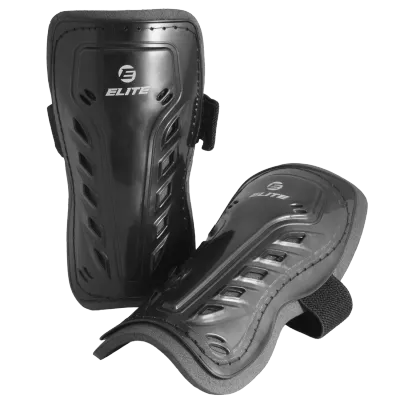
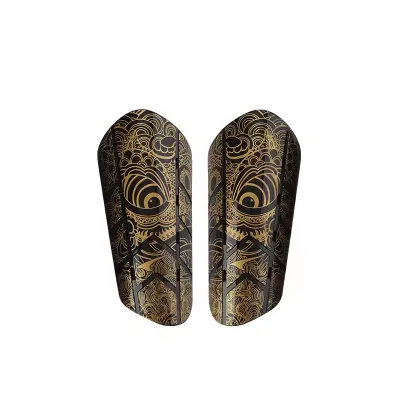
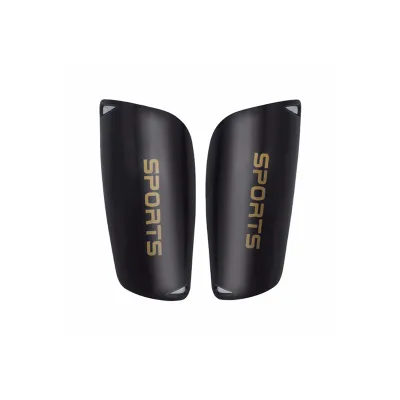
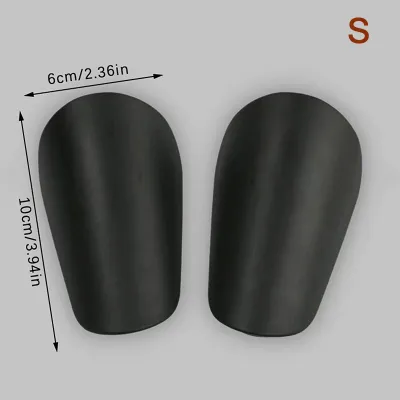
![[COD]2 pcs Soccer Shin Guards Pads For Adult Soccer Football Shin Guards Socks Pads Professional Leg Supports Protector Pads Soccer Shin Pad Protective Pad for Football Games Leg Sleeves Pads On Sale](https://img.lazcdn.com/g/p/67cacf2199514283a72004a5ad360105.jpg_400x400q80.jpg_.webp)
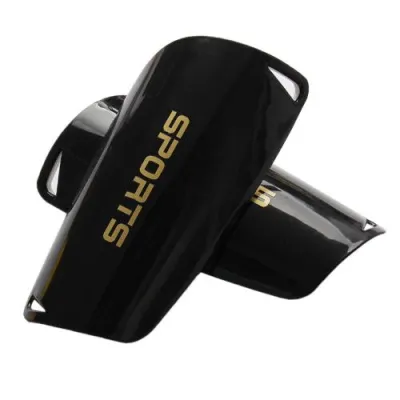
![[LIXIAOJU] 1 Pair Football Shin Pads Plastic Soccer Guards Leg Protector For Kids Adult Protective Gear Breathable Shin Guard](https://img.lazcdn.com/g/p/58f6a82f2820c7196a9ba3aa3721f967.jpg_400x400q80.jpg_.webp)
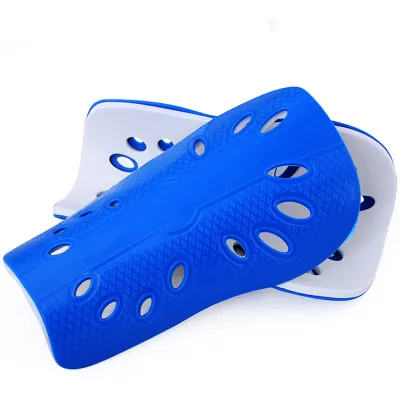
Prices are valid at publication and may change. Please refer to the product page for the latest price.
Defenders vs. Midfielders vs. Forwards
Defenders are the team’s primary shield, frequently engaging in physical slide tackles, block tackles, and direct collisions with oncoming attackers. Because of this high-contact role, defenders require robust, heavy-duty shin guards with extensive coverage area and dense shock absorption. Many defensive players opt for models with built-in ankle protection to shield their lower joints from stray cleats.
Midfielders cover the most distance on the pitch, constantly transitioning between defensive duties and offensive plays. They require a balanced guard that offers reliable protection without restricting their high-volume running and quick directional pivots. Sleeve-style guards or lightweight slip-ins with moderate coverage are highly popular among midfielders because they allow the tibialis anterior muscle to flex freely.
Forwards rely heavily on explosive speed, acceleration, and precise ball control to bypass tight defensive lines. To maintain maximum agility, attacking players generally prefer ultra-lightweight, low-profile slip-in guards. These minimalist plates provide just enough protection to deflect painful clips and scrapes while keeping the lower leg as light and unrestricted as possible.
Youth vs. Adult Players
Sizing and safety requirements differ significantly between younger players and adults. Youth players are still developing their physical coordination and bone density, making comprehensive protection a top priority. Children’s guards should cover a larger percentage of the shin bone and almost always include integrated ankle support to protect vulnerable, growing joints.
Adult players, having fully developed bones and more refined tackling techniques, have greater flexibility to prioritize personal comfort and specific performance attributes. While adults can choose smaller, highly targeted plates, they must still ensure the guard covers the critical mid-to-lower section of the shin bone. Never select a size based on age or height alone; always refer to the manufacturer’s specific measurement guidelines.
Assessing Personal Needs
Your typical playing environment and physical history should play a major role in your final decision. If you frequently play on hard, dry ground or synthetic turf pitches in Metro Manila or provincial sports complexes, the ground impact is unforgiving, making dense shock-absorbing backing essential. Synthetic turf also retains heat, meaning you will need to prioritize ventilation to prevent skin irritation.
If you have a history of lower-leg contusions or ankle sprains, prioritizing maximum-coverage models with built-in ankle support is a sensible precaution. Conversely, if you are a healthy player who finds straps restrictive, a sleeve-style system will offer the security you need without compromising your comfort. Evaluate your personal pain points and typical match conditions to narrow down your options.
Top Types of Soccer Shin Guards Explained
Understanding the distinct categories of shin guards for soccer is the most effective way to identify the right model for your needs. Each design offers specific trade-offs regarding weight, ease of use, security, and defensive coverage.

Slip-In Shin Guards
Pros: Highly valued for their minimalist design, slip-in guards offer unparalleled mobility and a lightweight feel that makes you forget you are wearing them. They slide directly under your soccer socks, providing a low-profile fit that does not interfere with your touch or passing accuracy.
Cons: Because they lack built-in straps, these guards require external support to prevent them from shifting during intense running. You must use separate compression sleeves, specialized athletic tape, or guard stays to keep them anchored.
Best For: Advanced players, fast-paced forwards, and attacking midfielders who demand maximum freedom of movement and a close-to-ball feel.
Ankle Protection Shin Guards
Pros: These guards offer the most comprehensive safety profile on the pitch. They feature a hard shin plate combined with padded polyester or elastic stirrups that wrap under the foot, providing direct shielding for both the medial and lateral ankle bones.
Cons: The comprehensive design makes them significantly bulkier and heavier than other styles. The attached stirrups can restrict ankle flexion, slightly limiting your range of motion during quick turns or delicate ball manipulations.
Best For: Defensive players, beginners, youth athletes learning the fundamentals of tackling, and anyone returning to the game after a lower-leg injury.
Sleeve-Style Shin Guards
Pros: This design utilizes a breathable, elastic compression sleeve to hold a lightweight protective plate securely against your shin. It eliminates the need for messy athletic tape while ensuring the guard remains perfectly centered throughout the match.
Cons: In hot and humid tropical climates, wearing an extra layer of compression fabric can feel warm and trap sweat against the skin. Over months of intense use and frequent washing, the elastic sleeves can gradually stretch out and lose their grip.
Best For: Competitive players who want a streamlined, secure fit without the hassle of taping their guards before every kickoff.
Shin Socks with Built-In Pads
Pros: Offering ultimate convenience, this all-in-one option integrates the protective protective plate directly into the fabric of the soccer sock. It simplifies your gear bag, is exceptionally comfortable, and eliminates the risk of losing individual sleeves or pads.
Cons: The built-in plates are typically thinner and offer less impact resistance than standalone hard shells. Additionally, because the pad is sewn into the fabric, the entire sock must be washed thoroughly after every single training session or match.
Best For: Casual weekend players, recreational leagues, light training sessions, and young children just starting their football journey.
Key Features to Check Before Buying
Before committing to a purchase, you must evaluate the structural and material features of the shin guards to ensure they can withstand local playing conditions.
- Material and Impact Absorption: Inspect the composition of both the outer shell and the inner backing. High-quality guards typically utilize K-Resin or high-impact polypropylene for the outer shell, which effectively deflects stud impacts. The inner lining should feature dense Ethyl Vinyl Acetate (EVA) foam, which absorbs and disperses the kinetic energy of a hard tackle. Avoid cheap, brittle plastics that can crack under moderate force, posing a puncture risk to your leg.
- Sizing and Coverage: A properly fitting shin guard should cover the area starting approximately two inches below the knee down to about one inch above the ankle bend. If the guard is too long, it will pinch your knee during deep bends; if it is too short, it leaves critical areas of your shin bone exposed to painful impacts. Always measure your shin length from the bottom of the knee to the top of the ankle before purchasing.
- Ventilation and Moisture Management: Playing soccer in the Philippines means dealing with high humidity and intense heat. Look for shin guards designed with vertical airflow channels, perforated shells, or breathable foam backing. Moisture-wicking sleeve fabrics are highly beneficial, as they draw sweat away from the skin, preventing painful chafing, slipping, and the buildup of odor-causing bacteria.
- Strap and Closure Systems: If you choose a model with straps, examine the quality of the Velcro and the elasticity of the bands. The straps must be wide enough to distribute pressure evenly across your calf muscle without cutting off circulation. Ensure the stitching holding the straps to the shell is reinforced, as this is a common point of failure under the strain of repeated stretching.
Where to Buy Authentic Shin Guards in the Philippines
Finding genuine, high-quality football gear is essential for your safety on the pitch. Counterfeit products often use cheap, brittle plastics that fail to absorb impact, increasing your risk of injury.
Specialty Football Shops and Local Sports Retailers
Visiting dedicated football-only shops in major urban centers like Metro Manila or Cebu allows you to physically test the fit, flex, and weight of different models. Store staff in these specialty shops are often active players or coaches who can provide personalized sizing advice based on your calf shape. Trying on guards with your actual match socks and boots ensures there are no uncomfortable pressure points before you buy.
Official Brand Stores and Authorized Online Flagship Stores
If you prefer shopping online, always purchase from the official flagship stores of reputable sports brands on major ecommerce platforms. Verify that the seller has an “authorized dealer” or “official brand” badge. Check customer reviews specifically for sizing feedback and ensure the store has a clear return or exchange policy in case the fit is incorrect.
Large Sports Retail Chains
Major multi-brand sports department stores found in leading shopping malls across the country are excellent sources for reliable, entry-level to mid-range gear. These chains offer a safe shopping environment where you can compare multiple brands side-by-side, with prices generally ranging from ₱500 for basic models to over ₱2,500 for advanced options.
Red Flags to Avoid
Be highly suspicious of listings on third-party online marketplaces offering premium brand shin guards at fraction-of-the-cost prices (e.g., under ₱300 for professional-tier models). Other warning signs include missing original packaging, a lack of official manufacturer tags, generic product descriptions, or sellers with poor ratings and unverified customer feedback.
How to Properly Wear and Maintain Your Shin Guards
Proper usage and diligent maintenance not only extend the lifespan of your soccer equipment but also prevent skin infections and maintain optimal protection.
Correct Placement
Position the shin guard centrally over your tibia bone. It should sit comfortably between your ankle and knee joints without restricting your movement. If you are using slip-in guards, secure them tightly with your sleeves or tape before pulling your soccer socks fully up over them to ensure they cannot rotate or slide down during play.
Cleaning Routine
After every match, wipe down the hard plastic outer shell with a damp cloth and mild soap to remove mud, sweat, and grass stains. Never submerge foam-backed guards completely in boiling water or toss them into a high-heat clothes dryer, as extreme heat can warp the plastic and degrade the shock-absorbing EVA foam. Wash removable fabric sleeves or shin socks in cold water with a gentle detergent, and allow them to air-dry completely in a well-ventilated, shaded area to prevent mold growth in the humid Philippine climate.
Inspection and Replacement
Regularly inspect your guards for signs of structural wear. Look for deep hairline cracks in the plastic shell, peeling foam backing, or stretched-out elastic straps that no longer hold tension. If the outer shell is cracked, it can no longer distribute impact forces safely and must be replaced immediately to avoid severe injury during your next match.
Frequently Asked Questions (FAQ)
Do professional soccer players wear ankle shin guards?
Most professional soccer players do not wear ankle shin guards. Instead, they prefer ultra-lightweight, low-profile slip-in guards to maximize their speed, agility, and precision ball control. Professionals have access to advanced athletic taping and medical support, whereas amateur and youth players benefit significantly from the built-in ankle protection of stirrup-style guards.
How tight should a shin guard sleeve be?
A shin guard sleeve should fit snugly against your calf, providing enough compression to keep the protective plate firmly in place during explosive sprints and tackles. However, it should never feel so tight that it pinches your skin, restricts blood circulation, or causes painful calf cramps. If you notice deep red indentations on your skin after a match, you should size up.
Can I use field hockey shin guards for soccer?
It is not recommended to use field hockey shin guards for soccer. Field hockey guards are designed to protect against a heavy, hard plastic ball and a low-swinging wooden stick, making them much bulkier, heavier, and longer than soccer guards. Using them in soccer will severely restrict your ankle mobility, hinder your running gait, and compromise your touch on the ball.
Community discussion
Share your experience or ask a question. Comments are reviewed before publication.