
When engaging in high-impact sports or heavy lifting, finding the right shoulder band for men is essential for preventing injuries and maintaining joint stability. The shoulder is the most mobile joint in the human body, relying on a complex network of muscles, tendons, and ligaments to remain stable. Because of this high mobility, it is highly susceptible to acute strains, rotator cuff micro-tears, and chronic instability, especially during repetitive overhead movements.
In the tropical climate of the Philippines, active individuals face additional challenges when selecting protective gear. High humidity and heat can affect how materials behave on the skin, making breathability and fit just as critical as the level of physical support. By understanding your specific athletic needs and matching them to the correct support architecture, you can significantly reduce your risk of injury and perform with greater confidence.
Choosing the ideal support requires a clear understanding of your joint’s current condition and the specific demands of your sport. Whether you are playing basketball on a local outdoor court, spiking volleyballs, or hitting personal records in a weight room, the right gear acts as a reliable second skin. Let us look at the essential factors to consider when selecting your next shoulder support.
Products mentioned in this guide
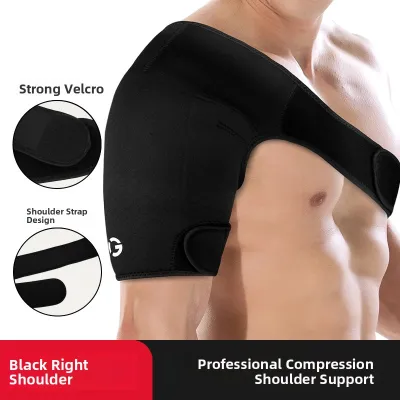
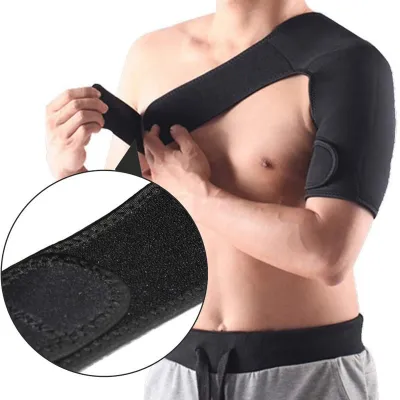
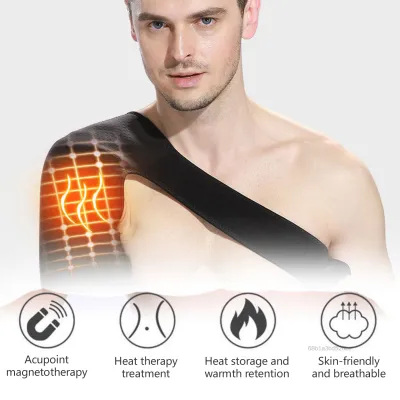
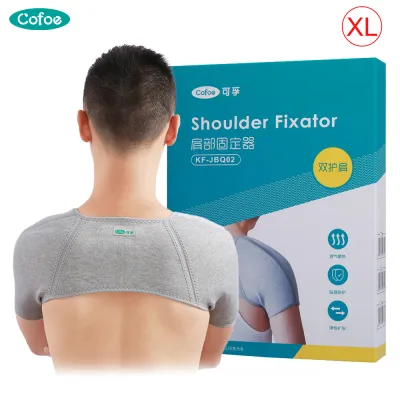
Prices are valid at publication and may change. Please refer to the product page for the latest price.
Core Criteria for Choosing a Shoulder Band for Men
Selecting an effective shoulder band for men requires analyzing the specific mechanical support your joint needs. The market offers a wide spectrum of designs, ranging from highly flexible compression sleeves to rigid, restrictive stabilizing braces. Understanding this distinction is the first step in making an informed purchase that aligns with your physical activities.
Compression sleeves are designed primarily to provide mild, graduated pressure across the deltoid and rotator cuff muscle groups. This compression stimulates local blood flow, keeps the muscles warm, and enhances proprioception—the body’s natural ability to sense joint position and movement. Sleeves do not physically restrict your arm’s range of motion, making them ideal for preventing overuse injuries and minor strains during high-mobility sports.
Stabilizing braces, on the other hand, serve a mechanical purpose by physically limiting specific joint movements. Constructed from thicker materials and reinforced with adjustable straps, these braces are engineered to protect compromised ligaments, prevent subluxation, and support the joint during recovery. They trade off a degree of mobility to provide robust structural defense against high-impact forces.
An improper fit can render even the most advanced shoulder support useless or, worse, counterproductive. Men’s anatomical structures typically feature broader chests, wider clavicles, and more prominent deltoid development than standard unisex designs accommodate. Relying on generic S/M/L labels often leads to sizing errors, resulting in a band that either restricts circulation at the bicep or fails to provide adequate tension across the shoulder girdle.
To ensure a secure and functional fit, you must take precise anatomical measurements using a flexible measuring tape. First, measure the circumference of your chest at its widest point, keeping the tape snug but not tight directly under your armpits. Next, measure the circumference of your relaxed bicep at its midpoint. Finally, measure the distance across your upper back from the outer edge of one shoulder bone to the other.
Always compare these measurements directly against the manufacturer’s specific sizing chart before finalizing your purchase. A well-fitting shoulder band should feel snug and supportive, applying even pressure across the target areas without pinching, chafing, or causing numbness in your arm. If your measurements fall between two sizes, consider whether you prioritize maximum compression (smaller size) or comfort and mobility (larger size).
Best Shoulder Support Types for Different Sports Needs
Active men in the Philippines participate in a diverse array of athletic disciplines, each placing unique physical demands on the shoulder complex. To help you navigate the available options, we have categorized the most effective shoulder support designs based on movement patterns and intensity levels. These representative types are widely available through official brand distributors and reputable online marketplaces.

Compression Sleeves for High-Mobility Sports
High-mobility sports such as basketball, volleyball, and badminton require rapid, explosive overhead movements and sudden changes of direction. For these fast-paced activities, a lightweight compression sleeve, such as the LP Support 721 Shoulder Support, provides excellent muscle warmth and joint feedback without locking down your natural movement.
Graduated compression helps stabilize the rotator cuff muscles during high-velocity swings and jumps, reducing the micro-oscillations that lead to muscle fatigue. By keeping the joint warm throughout the game, these sleeves help prevent sudden strains when transitioning from a resting state to an explosive sprint or jump.
Repetitive overhead motions can quickly lead to painful skin abrasion if your gear has rough interior seams. When choosing a compression sleeve, prioritize products featuring flatlock or seamless stitching. This construction technique ensures that the seams lie completely flat against your skin, eliminating friction points and preventing painful chafing during long training sessions.
Before heading out to the court, verify that the sleeve allows you to raise your arm fully overhead without resistance. The fabric should stretch smoothly across your deltoid and upper chest. If you feel a pulling sensation that alters your natural throwing or spiking form, the sleeve is either too small or constructed from a fabric with insufficient elasticity.
Stabilizing Braces for Heavy Lifting and Contact Sports
Heavy resistance training, rugby, and martial arts subject the glenohumeral joint to massive axial loads and unpredictable physical impacts. For these high-stress disciplines, a stabilizing brace like the McDavid 463 Shoulder Support offers the rigid structural reinforcement needed to protect against acute joint displacement.
These braces typically utilize thick, high-grade neoprene panels paired with wide, adjustable hook-and-loop straps. The straps allow you to customize the tension across your chest and upper arm, physically limiting external rotation and abduction—the two joint angles where shoulder dislocations and subluxations are most likely to occur.
When performing heavy compound lifts like overhead presses or bench presses, the added stability helps you maintain proper joint alignment. The brace acts as an external anchor, assisting your stabilizing muscles when they begin to tire toward the end of a demanding set.
However, a rigid stabilizing brace must never be used to mask severe joint pain or to compensate for poor lifting technique. Attempting to lift heavy weights with an active, unhealed injury by simply tightening your brace can lead to severe tendon damage and chronic joint instability. If you experience sharp, localized pain during a lift, stop immediately and seek professional medical guidance.
Dual-Strap Supports for Rotator Cuff and AC Joint Protection
Sports that involve continuous, repetitive arm rotations—such as tennis, swimming, or long-distance cycling—can place chronic stress on the acromioclavicular (AC) joint and the rotator cuff. A dual-strap support, such as the Zamst Shoulder Wrap, is engineered to address these specific overuse patterns.
These supports feature a unique dual-strap or figure-eight design that wraps securely across both the front of the chest and the upper back. This configuration distributes the mechanical load of repetitive movements across your larger muscle groups, preventing localized strain on the vulnerable AC joint and clavicle area.
Because these endurance sports require streamlined movement, your support must not add unnecessary bulk. Look for low-profile, anatomical designs that can be worn comfortably underneath your cycling jersey, tennis polo, or rash guard. The material should lay flat against your body, preventing the brace from bunching or shifting during continuous movement.
Additionally, ensure that the chest strap does not restrict your lung expansion during high-intensity cardiovascular efforts. A high-quality dual-strap support will feature elasticized tension zones that expand naturally as you breathe deeply, maintaining consistent joint support without compromising your oxygen intake.
Key Material Features for Training in Humid Climates
Training in the tropical climate of the Philippines requires careful attention to material science. High ambient temperatures and elevated humidity levels mean that sweat does not evaporate easily from the skin, making traditional heavy materials highly uncomfortable and potentially hazardous to your skin health.
While standard, thick neoprene is excellent for heat retention and joint warmth in cooler climates, it can quickly become a heavy, waterlogged sweat trap in local conditions. For daily training sessions in non-air-conditioned gyms or outdoor courts, prioritize advanced synthetic blends such as nylon-spandex, polyester, or perforated neoprene. These moisture-wicking fabrics actively draw sweat away from your skin and pull it to the outer surface of the band, where it can evaporate more efficiently.
When evaluating product claims such as “breathable” or “quick-dry,” look past marketing labels and check the physical specifications of the product. High-quality shoulder bands often feature integrated mesh panels under the armpit and across the upper back to maximize airflow. Additionally, look for fabrics treated with antimicrobial or anti-odor technologies, which help prevent the growth of odor-causing bacteria in damp athletic gear.
Trapping sweat against your skin under a tight, non-breathable shoulder band for extended periods can lead to a variety of skin irritations. These include friction-induced chafing, painful heat rash (miliaria), and superficial fungal infections like tinea versicolor. To minimize these risks, always apply your shoulder support to clean, dry skin before your workout.
If you plan to train for several hours, consider removing the support during extended rest periods to allow your skin to dry completely. Keep a clean towel handy to wipe away excess sweat, and wash the covered area thoroughly with mild soap immediately after your training session. Never wear a damp, unwashed shoulder band for consecutive workouts.
Safe Usage, Care, and When to Seek Medical Help
Integrating a shoulder band into your athletic routine can significantly improve your performance and comfort, but it must be treated as one part of a comprehensive approach to joint health. Understanding the limits of supportive gear is essential for avoiding long-term injuries.
It is important to remember that a shoulder band is a preventive and supportive tool, not a cure for structural joint damage. It cannot replace progressive strength training, targeted mobility exercises, or proper athletic coaching. Relying solely on a brace to keep your shoulder stable while neglecting rotator cuff strengthening exercises can lead to muscle weakness and increased joint vulnerability over time.
Listening to your body’s warning signals is vital during any physical activity. If you experience any of the following symptoms while wearing your shoulder support, stop training, remove the band immediately, and consult a qualified sports physician:
- Sharp, stabbing, or localized pain within the shoulder joint itself.
- Numbness, tingling, or a "pins and needles" sensation radiating down your arm, elbow, or into your fingers.
- Visible swelling, skin discoloration, or coldness in your hand or fingers, which indicates that the band is restricting your blood circulation.
- A sudden, significant reduction in your arm's pain-free range of motion.
To maximize the lifespan, elasticity, and hygiene of your shoulder band in a humid environment, you must care for it properly. Always secure all hook-and-loop fasteners before washing to prevent them from snagging and damaging the elastic fibers of the band.
Wash the support by hand in cool or lukewarm water using a mild, liquid detergent. Avoid using fabric softeners, bleach, or harsh chemical stain removers, as these substances break down the elastane and synthetic fibers, rapidly reducing the band’s supportive tension. Rinse the band thoroughly with clean water to ensure no soap residue remains, as dried soap can cause severe skin irritation during your next high-sweat workout.
Gently squeeze out excess water without wringing, twisting, or stretching the fabric. Lay the shoulder band flat or hang it to air dry in a well-ventilated, shaded area away from direct sunlight. Never place the support in a mechanical dryer or expose it to intense midday sun, as extreme heat degrades the elastic components and warps neoprene, permanently ruining the fit and function of your gear.
Community discussion
Share your experience or ask a question. Comments are reviewed before publication.