
Choosing the right basketball for a young child is the first step toward building a positive, lifelong relationship with sports. In the Philippines, where basketball is a cultural cornerstone, children often start playing at a very young age on neighborhood courts, paved driveways, or local schoolyards. However, handing a standard adult-sized ball to a five-year-old can hinder their skill development and cause physical strain. A high-quality ball size 3 is specifically engineered to fit small hands, allowing young players to learn the fundamentals of dribbling, passing, and shooting with correct form.
Using the correct ball size prevents children from developing bad habits, such as pushing the ball with both hands from their chest because it is too heavy. It also ensures that their early experiences with the sport are filled with successful shots and fun, rather than frustration and sore wrists. To find the ideal size 3 basketball, parents must evaluate how the ball performs under local conditions, particularly on rough concrete surfaces and in high-humidity tropical environments.
Why Size 3 is Critical for Early Skill Development
A standard size 3 basketball, often referred to as a mini or junior basketball, features a circumference of approximately 22 inches (55.9 centimeters) and weighs between 10 to 12 ounces (283 to 340 grams). In comparison, an official adult size 7 basketball has a circumference of 29.5 inches and weighs up to 22 ounces. This massive physical difference makes the adult ball completely unmanageable for children aged 4 to 8 years old, who are the primary target demographic for size 3 equipment.
Products mentioned in this guide
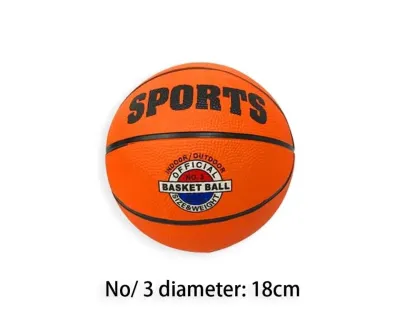
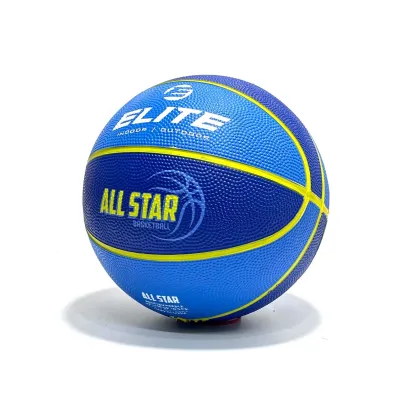
Prices are valid at publication and may change. Please refer to the product page for the latest price.
At this early stage of physical growth, a child’s hand span and upper body strength are still developing. When a child attempts to handle a ball that is too large or heavy, their natural biomechanical response is to compensate for the weight. They will often use both hands to fling the ball upward, flaring their elbows outward and bending their knees awkwardly. This erratic motion establishes poor muscle memory that can take years of corrective training to undo once they transition to competitive youth leagues.
By contrast, a size 3 basketball fits comfortably within a young child’s hand span. This proper scaling allows them to practice the foundational mechanics of a correct one-handed shooting release, using their dominant hand to push the ball while their non-dominant hand acts purely as a guide. It also enables them to keep their elbow tucked in, aligning their wrist, elbow, and shoulder with the target rim.
Beyond shooting form, a lighter ball significantly reduces the risk of physical strain. Young joints, tendons, and muscles are highly susceptible to repetitive stress injuries. Forcing a child to repeatedly heave a heavy ball can lead to wrist fatigue, elbow soreness, and shoulder strain. A properly weighted size 3 ball ensures that their physical exertion remains within safe, healthy limits, allowing them to play longer without discomfort.
Finally, the psychological impact of using the correct equipment cannot be overstated. When a basketball is light enough to dribble consistently and small enough to occasionally pass through a lowered hoop, children experience immediate feedback and success. This sense of achievement builds early confidence, transforms practice into an exciting game, and encourages them to keep playing, laying the groundwork for an active lifestyle.
How to Evaluate Grip, Material, and Durability
Selecting a youth basketball requires looking beyond bright colors and brand logos. The ball’s physical construction directly dictates how easily a child can control it and how long it will last under local playing conditions. Parents must carefully assess three critical components: the surface grip, the outer cover material, and the internal air retention system.

Material and Surface Grip
For small hands, a secure grip is the difference between a controlled dribble and a ball that constantly slips away. High-quality size 3 basketballs feature deep channel designs, where the black rubber seams separating the panels are recessed deeply into the ball’s body. These deep grooves provide natural tactile reference points, allowing tiny fingers to quickly find purchase and align themselves properly when catching, passing, or preparing to shoot.
In the tropical climate of the Philippines, humidity and sweat are constant challenges during play. A smooth surface will quickly become slick and difficult to hold. To counter this, look for balls with pronounced pebbled textures. These tiny, raised bumps across the panels increase surface friction and help channel moisture away from the skin, ensuring the child can maintain a firm grip even when their hands are sweaty.
The choice of cover material also plays a major role in tactile feel. Molded rubber covers offer a highly textured, high-friction grip that remains reliable even when coated in outdoor dust. Composite leather covers provide a softer, tackier feel that closely mimics the premium texture of professional game balls. While composite leather feels more comfortable and forgiving on young hands, it requires a cleaner environment to maintain its grip compared to rugged rubber.
Durability for Local Court Conditions
The longevity of a basketball depends heavily on the surface it is played on. In many Philippine neighborhoods, basketball is played on outdoor concrete courts, paved driveways, or asphalt streets. These rough, abrasive surfaces act like sandpaper, grinding down the outer cover of the ball with every bounce and scrape.
For outdoor play, thick, vulcanized rubber covers are the standard choice. This material is highly resistant to abrasion, punctures, and scuffing. A heavy-duty rubber ball can withstand being bounced off rough concrete walls, scraped against metal fences, and rolled through outdoor dirt without losing its structural integrity or peeling apart.
Conversely, composite leather and genuine leather balls are engineered specifically for indoor use on polished hardwood, synthetic vinyl, or smooth covered court flooring. The soft, fibrous structure of composite leather cannot withstand the harsh friction of outdoor concrete. If used outdoors, the outer layer will quickly scuff, tear, and peel away within a matter of weeks, destroying the ball’s grip and aerodynamic balance.
Bladder Quality and Air Retention
Beneath the outer cover lies the bladder, which is the inflatable chamber that holds the air and gives the ball its shape. The quality of the bladder determines how often you will need to pump the ball and how consistently it will bounce on the court.
Most entry-level basketballs use either standard rubber bladders or high-density butyl rubber bladders. Butyl rubber is highly recommended because its molecular structure is exceptionally dense, preventing air molecules from slowly escaping over time. A ball with a quality butyl bladder can maintain its recommended air pressure for several weeks or even months, whereas a cheaper rubber bladder may require re-inflation every few days.
Consistent air pressure is vital for a beginner’s skill development. If a ball is under-inflated, it will have a “dead” bounce, forcing the child to push down unnaturally hard to keep the dribble going. If it is unevenly constructed, it will bounce at unpredictable angles, disrupting their rhythm and making it difficult to learn basic ball control. A high-quality bladder ensures a uniform, predictable bounce every time the ball hits the floor.
Which Type of Size 3 Basketball Fits Your Child's Court?
To make an informed purchase, parents should match the ball’s construction type to the specific environment where their child will play most often. Understanding these categories helps you select a durable, high-performing option without relying on temporary store inventory or specific model availability.
Heavy-Duty Rubber Balls for Outdoor Play
If your child’s primary playing area is an outdoor concrete driveway, a local barangay court, or a paved backyard, a heavy-duty rubber ball is the most practical choice. These balls are designed to endure the relentless friction of rough surfaces, exposure to direct sunlight, and contact with dirt or moisture.
In addition to their durability, rubber basketballs are highly water-resistant. If a sudden tropical shower dampens the court, a rubber ball will not absorb water or become waterlogged, allowing play to resume quickly once the surface dries. They are also highly resistant to deep scuffs and structural warping from hitting sharp concrete edges.
From a budget perspective, rubber balls are typically the most economical options available from reputable sports brands. Before purchasing, verify the product description or manufacturer’s label for terms such as “Outdoor,” “All-Court,” or “Street-Ready.” These designations confirm that the rubber compound has been formulated with extra density to resist rapid wear on abrasive grounds.
Composite Leather Balls for Indoor Training
For children who practice in covered community courts, school gymnasiums, or indoor sports facilities, a composite leather size 3 ball is an excellent investment. These balls offer a premium, soft-touch feel that is highly comfortable for young hands, reducing the stinging sensation that can sometimes occur when catching a hard-thrown rubber ball.
Composite leather is engineered to absorb moisture, meaning it will dry quickly from hand sweat and maintain its tacky grip throughout a practice session. This material also provides a bounce and spin behavior that closely mirrors the official game balls used in older youth and adult divisions, helping children transition smoothly to larger sizes later on.
However, parents must enforce a strict boundary: these balls should never be used on rough outdoor concrete or asphalt. The delicate synthetic fibers of the composite cover will quickly shred against abrasive ground, leading to peeling panels and a complete loss of grip. Save the composite leather ball exclusively for smooth, indoor, or well-maintained covered courts.
Soft-Touch and Foam-Core Balls for Toddlers
For the youngest aspiring athletes, typically aged 3 to 5 years old, even a standard rubber size 3 ball can feel heavy and intimidating. At this tender age, a hard ball bouncing near their face can cause fear and discourage them from participating. Soft-touch and foam-core balls are designed specifically to bridge this gap safely.
These balls are constructed from lightweight, high-density foam or soft, fabric-covered materials. They are significantly lighter than a standard 10-ounce rubber ball, making them incredibly easy for toddlers to lift, throw, and catch. Because they lack a hard outer shell, any accidental impacts with a child’s face or fingers are completely harmless, preventing painful injuries and building confidence.
Furthermore, soft-touch foam balls are ideal for indoor household use. They bounce quietly on tiled or wooden floors and are highly unlikely to damage furniture, break windows, or scuff walls. This allows toddlers to practice basic hand-eye coordination, catching drills, and miniature hoop shooting safely inside the comfort of the living room.
A Quick Quality Checklist Before Hitting the Court
When you purchase a new size 3 basketball—whether from a local sporting goods store or an online marketplace—it is essential to perform a quick quality check before your child begins using it. This ensures that you have received a defect-free product that will perform safely and consistently.
- Visual Inspection: Begin by carefully examining the ball's exterior under bright light. Look at the black seams or channels; they should be perfectly straight, uniform in width, and firmly bonded to the panels without any visible adhesive residue or peeling edges. Check the surface pebbling to ensure it is consistent across the entire ball, and verify that the inflation valve is perfectly centered and flush with the surrounding rubber.
- The Squeeze Test: Inflate the ball to its recommended pressure. Hold the ball in both hands and press your thumbs firmly into different areas across the entire surface. The ball should feel uniformly firm and rigid. If you detect any soft spots, localized squishiness, or asymmetrical lumps, it indicates a defect in the internal nylon windings or an unevenly distributed bladder, which will cause the ball to warp over time.
- The Drop Test: Find a flat, hard floor surface, such as concrete or tile. Hold the inflated ball at your chest height (approximately 1.3 meters) and let it drop freely without pushing it down. A high-quality, properly inflated size 3 ball should bounce straight back up to approximately your waist height (around 0.8 to 0.9 meters). Pay close attention to the direction of the bounce; if the ball veers off to the side, wobbles in the air, or vibrates excessively upon impact, the ball is out of round and should be exchanged.
- Valve Check: The inflation valve is a common point of failure for air leaks. After inflating the ball, apply a small drop of clean water or soapy water directly over the valve opening. Watch the liquid closely for 10 to 15 seconds. If you see tiny air bubbles forming or expanding, the internal valve seal is faulty and is slowly leaking air. A healthy valve will hold the liquid perfectly still without any bubble formation.
Protecting the Ball from Heat, Humidity, and Wear
The tropical climate of the Philippines presents unique challenges for sports equipment. High humidity, intense solar heat, and heavy rainfall can accelerate the degradation of rubber, adhesives, and synthetic leather. Following a few simple maintenance practices will significantly extend the lifespan of your child’s basketball.
- Cleaning: Outdoor play on local courts often leaves the ball coated in a fine layer of dust, dirt, and sweat, which clogs the pebbled texture and destroys the grip. After every outdoor session, wipe the ball down thoroughly using a soft cloth dampened with lukewarm water. Avoid using harsh chemical detergents, dishwashing soaps, or abrasive scrubbers, as these can strip away the protective coatings on composite leather or dry out natural rubber, leading to premature cracking.
- Storage: Always store the basketball indoors in a cool, dry, and well-ventilated area. Never leave the ball inside a car trunk, on an outdoor balcony exposed to the sun, or in a damp garden shed. The extreme heat of the Philippine sun can cause the air inside the bladder to expand rapidly, warping the ball's shape, melting the panel adhesives, and causing the rubber cover to dry out, harden, and crack.
- Inflation Practices: Proper inflation is key to maintaining the ball's structural integrity. Always use a dedicated ball pump equipped with an accurate pressure gauge, and strictly follow the recommended PSI range (usually printed directly next to the inflation valve, typically between 6 to 8 PSI). Before inserting the metal inflating needle, always lubricate it with a drop of glycerin, valve oil, or clean water. Inserting a dry, rough needle can easily tear the delicate rubber valve or push it entirely inside the bladder, causing an unrepairable leak.
Frequently Asked Questions (FAQ)
When should my child transition from a size 3 to a size 5 basketball?
Children typically transition from a size 3 to a size 5 basketball around the age of 8 or 9 years old. The primary indicator for this transition is the child’s physical growth and upper body strength. If you notice your child can easily handle, dribble, and shoot a size 3 ball with perfect, effortless form, and their hands have grown large enough to easily grip a larger surface, they may be ready to try a size 5 ball. However, if they have to alter their shooting mechanics—such as pushing the ball from their chest or flaring their elbows—to get a size 5 ball to the rim, they should continue practicing with the size 3 ball to prevent developing bad habits.
Does a size 3 basketball have the same bounce height as a standard adult ball?
No, a size 3 basketball is not designed to bounce as high as a standard adult size 7 ball. Because of its lighter weight (10 to 12 ounces) and smaller surface area, its bounce physics are naturally scaled down to match the shorter stature and lower drop heights of young children. Parents should never over-inflate a size 3 ball beyond its recommended PSI range in an attempt to make it bounce higher. Over-inflation stretches the inner bladder, damages the outer seams, warps the ball’s shape, and makes the surface dangerously hard, which can easily cause painful finger sprains or bruises when a child tries to catch it.
Community discussion
Share your experience or ask a question. Comments are reviewed before publication.