
Cheerleading in the Philippines is a high-energy, fast-paced discipline that demands absolute coordination. From intense halftime performances during major school leagues to local cheer dance competitions, clear communication can make or break a routine. While standard megaphones offer high volume, they are often too heavy and cumbersome for active squads. A high-quality small megaphone bridges this gap, providing the necessary vocal projection without hindering physical performance.
Selecting the right amplification gear requires balancing portability with acoustic power. In the tropical climate of the Philippines, where high humidity and sudden rain showers are common during outdoor practices, durability is just as important as volume. By focusing on compact designs, squads can maintain their agility while ensuring that every chant, count, and instruction cuts through the loudest crowd noise.
Why Standard Megaphones Fall Short for Cheerleading
Standard megaphones are primarily designed for crowd control, emergency services, or stationary announcements. These devices typically feature large, heavy plastic horns and bulky battery compartments that require substantial physical effort to hold aloft for more than a few minutes. For a cheerleading squad, where every second of a routine involves precise physical movement, carrying an oversized device is highly impractical. Performers need to transition quickly between stunts, tumbling, and dance choreography, meaning any equipment used must be light enough to handle with a single hand or quickly pass off to a teammate.
Products mentioned in this guide
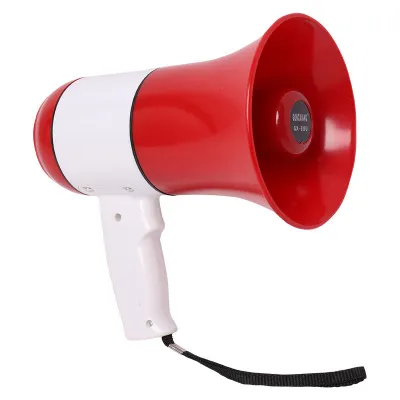
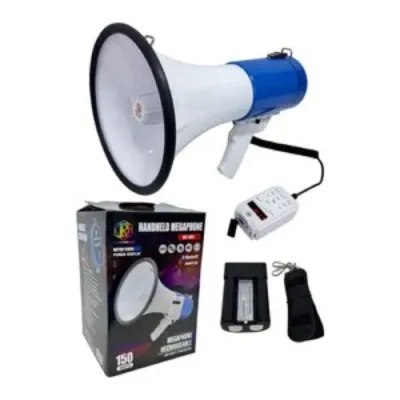
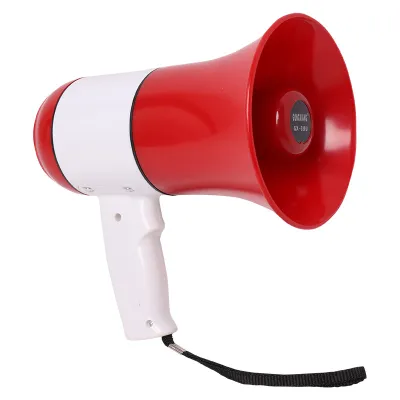
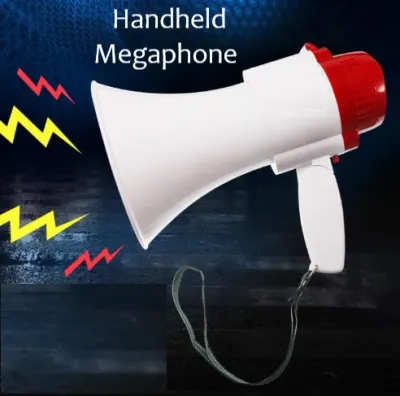
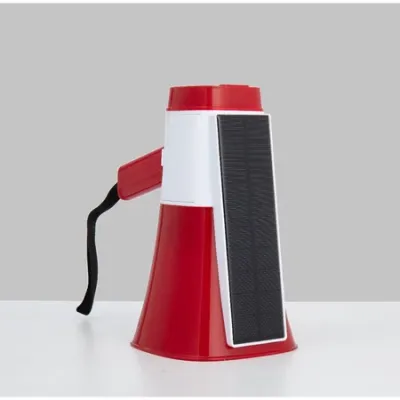
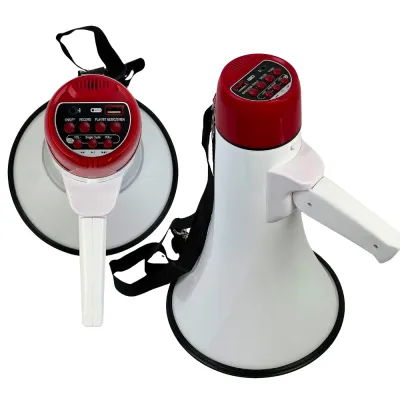
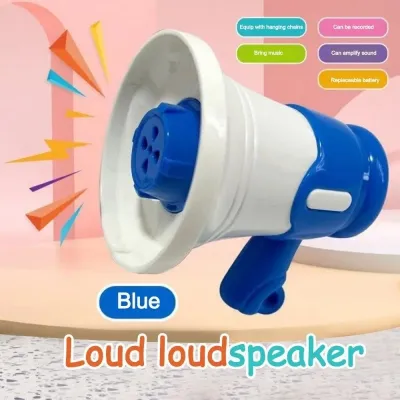
Prices are valid at publication and may change. Please refer to the product page for the latest price.
School gymnasiums and outdoor sports complexes in the Philippines present unique acoustic challenges. Many indoor courts are constructed with high sheet-metal roofing and concrete walls, creating an environment prone to heavy echoing and sound distortion. Outdoor fields, on the other hand, suffer from sound dispersion, where vocal projection is easily lost to the wind and distant crowd noise. A standard megaphone often disperses sound too widely, exacerbating echo issues indoors or failing to project far enough outdoors. A compact, specialized model focuses the speaker’s voice, ensuring that instructions or cheers remain intelligible even in acoustically difficult venues.
Furthermore, the physical fatigue caused by holding a bulky megaphone during long training sessions can degrade a performer’s energy levels. Cheerleaders need to keep their arms free for high-flying stunts and sharp motions. When a team captain or coach is forced to wrestle with a heavy, unbalanced device, it disrupts the flow of practice. Small, specialized models are engineered specifically for mobility, allowing leaders to project their voices clearly without sacrificing the physical freedom required to demonstrate movements or participate in the routine.
Core Specifications to Check on the Product Label
When shopping for a small megaphone, relying solely on marketing descriptions can lead to disappointing results. It is essential to examine the technical specifications listed on the product label or manufacturer’s datasheet. Understanding these metrics ensures the device will perform reliably under the demanding conditions of Philippine cheerleading competitions.

Sound Projection and Wattage
Wattage is the primary indicator of a megaphone’s power, but it must be understood in relation to decibel (dB) output and effective range. For small megaphones, wattage typically ranges from 5 watts to 20 watts. A 5-watt to 10-watt model is generally sufficient for indoor gymnasiums or close-quarters practice sessions, projecting sound clearly up to 100 meters. For outdoor fields or large-scale regional meets, a 15-watt to 20-watt device is preferable, as it can push sound up to 400 meters depending on environmental conditions.
However, power is nothing without directionality. A well-designed directional cone is crucial for cheerleading. Look for models that feature a parabolic or tightly tapered horn design. This shape focuses the sound waves forward in a concentrated beam, preventing the audio from spilling out to the sides and bouncing off gymnasium walls. This directional focus is what allows a lower-wattage, smaller device to cut through deafening crowd noise more effectively than a poorly designed, higher-wattage counterpart.
It is also important to consider the weight trade-off associated with higher wattage. More power requires larger internal magnets and more robust amplifier circuits, which naturally increase the physical weight of the device. Additionally, higher-wattage models consume battery power at a much faster rate, often requiring larger, heavier batteries. Squads must find the sweet spot: select a wattage that matches your primary venue—such as 10 watts for indoor courts—to keep the device as light and agile as possible.
Weight, Grip, and Ergonomics
Physical handling is a critical factor when selecting a megaphone for active routines. The total weight of the device must always be calculated with the batteries installed, as disposable cells or large rechargeable packs can add significant heft. For dynamic cheerleading environments, the total operating weight should ideally remain under 1 kilogram. Anything heavier can cause rapid wrist and forearm fatigue, making it difficult to hold the device steady during high-energy chants.
Handle design directly impacts how secure the megaphone feels in your hand. Look for contoured grips that mimic the natural shape of a closed fist, which helps distribute the weight evenly across the fingers. Non-slip textures, such as rubberized coatings or textured plastic patterns, are highly recommended to prevent the device from slipping out of sweaty hands during intense routines. Integrated wrist straps or lanyards are also essential safety features, ensuring that if a cheerleader loses their grip during a sudden transition, the device remains attached to their arm rather than falling onto the hard floor or injuring a teammate.
Control placement is another ergonomic detail that should not be overlooked. The volume adjustment dial, power switch, and trigger activation button should all be positioned within easy reach of a single thumb or finger. This one-handed operation allows the user to adjust settings on the fly without needing to use their other hand, keeping their free arm available for balancing, gesturing, or executing choreography.
Power Source and Battery Life
Choosing between a built-in rechargeable lithium-ion battery and removable disposable batteries (such as AA or C cells) involves weighing convenience against operational flexibility. Rechargeable models are highly cost-effective and environmentally friendly, eliminating the need to constantly purchase replacement batteries. They also tend to be lighter, as lithium-ion chemistry offers high energy density without the heavy metal weight of traditional alkaline cells. However, they require strict charging discipline; if the battery dies mid-competition, the device is unusable until it can be plugged into a power source.
In contrast, disposable battery models offer the advantage of instant power restoration. If the megaphone runs out of juice during the finals of a competition, a squad member can quickly pop open the compartment and swap in a fresh set of batteries. The downside is the ongoing cost and the added weight of carrying spare cells in the team bag. For many squads, the ideal compromise is a hybrid model that can accept both a rechargeable pack and standard disposable batteries, providing a built-in backup plan for long event days.
Regardless of the battery type, you must verify the manufacturer’s stated continuous playtime. Look for a device that offers at least 4 to 6 hours of continuous operation on a single charge or set of batteries. This duration should comfortably cover a full day of warm-ups, sideline cheering, and the main performance. Finally, in the humid climate of the Philippines, check the battery compartment for a tight seal or rubber gasket. This prevents sweat, humidity, and light drizzle from seeping into the electrical contacts, which can cause corrosion and premature device failure.
Matching Megaphone Profiles to Your Squad Role
Different members of a cheerleading squad have distinct communication needs. Instead of looking for a one-size-fits-all solution, squads should select small megaphones based on the specific roles of their users.
For Team Captains Leading Routines
Team captains are in the thick of the action, often executing choreography while simultaneously calling out counts and leading chants. For this role, portability and hands-free capability are paramount. The ideal megaphone profile for a captain is an ultra-lightweight, compact unit that can be easily tucked into a waistband or secured via a heavy-duty shoulder strap when not in use. This allows the captain to transition from shouting instructions to performing a stunt without having to run to the sidelines to drop off equipment.
Because captains are typically positioned close to both the squad and the immediate front-row crowd, maximum volume is less important than vocal clarity. A highly directional, low-wattage model (around 5 to 8 watts) is perfect. It ensures that the captain’s voice is projected clearly to the team members without distorting or deafening the front-row spectators. Look for models that prioritize high-fidelity vocal reproduction, ensuring that consonants and quick counts (like “5, 6, 7, 8”) are sharp and easy to distinguish over background music.
For Coaches Directing from the Sidelines
Coaches operate from a stationary position on the sidelines, where their primary task is to project instructions across a noisy gymnasium or outdoor field during practice and warm-ups. Because they are not actively performing stunts or tumbling, weight is a secondary consideration. This allows coaches to opt for slightly larger “small” megaphones, typically in the 15-watt to 20-watt range, which feature larger acoustic cones for maximum reach and volume.
For a coach, utility features are highly valuable. A built-in siren or whistle function is incredibly useful for instantly grabbing the team’s attention over loud practice music or the general din of a crowded competition venue. Additionally, coaches benefit from models with larger battery capacities, ensuring the device can remain powered on for a full day of continuous coaching, feedback sessions, and sideline adjustments without requiring a recharge.
For Individual Cheerleaders Needing Ultra-Portability
Some routines require individual squad members to use megaphones briefly for specific crowd-engagement segments or localized cheers. For these performers, mini or pocket-sized megaphones are the best fit. These devices prioritize extreme compactness, often featuring foldable handles or collapsible silicone cones that allow them to be slipped into a standard cheer bag or a pocket when the segment is finished.
These ultra-compact models naturally have a more limited range and lower wattage (usually 5 watts or less). However, they are highly effective for close-quarters crowd interaction, such as leading a specific section of the bleachers in a call-and-response chant. When selecting these mini models, focus on finding durable plastics that can withstand being quickly tossed to the ground or slipped into a bag during a fast transition in the routine.
Protecting Your Gear in Humid and Sweaty Conditions
To ensure your megaphone survives multiple seasons of intense practices and competitions in the tropical climate of the Philippines, regular maintenance is essential. Sweat, sunscreen, humidity, and dust can quickly degrade both the exterior housing and the sensitive internal electronics of the device.
- Post-Practice Cleaning: After every practice or performance, wipe down the handle, mouthpiece, and control buttons with a clean, dry microfiber cloth. If there is visible buildup of sweat, sunscreen, or makeup, use a slightly damp cloth with a mild soap solution. Never spray water or cleaning agents directly onto the device, and ensure no moisture enters the microphone or speaker grilles.
- Thorough Air-Drying: Before packing the megaphone away in a gear bag, allow it to air-dry completely in a shaded, well-ventilated indoor area. Avoid leaving the device in direct, harsh midday sunlight, as extreme tropical heat can warp the plastic casing and degrade the internal adhesive seals.
- Off-Season Battery Care: If the squad is entering a long off-season or a period of inactivity, always remove disposable batteries from the compartment. This simple step prevents battery leakage, which can cause severe acid corrosion and permanently ruin the electrical contacts. For lithium-ion rechargeable models, store the battery at approximately 50% charge in a cool, dry place, and avoid leaving it completely depleted for extended periods.
- Acoustic and Electrical Safety: If the megaphone begins to exhibit electrical faults—such as a crackling sound, a burning odor, or an unusual rattling inside the casing—stop using it immediately. Do not attempt to open the main housing or repair the internal circuitry yourself, as this can void the warranty and compromise the device's electrical safety. Instead, consult the manufacturer's troubleshooting guide or contact a qualified technician.
Where to Shop and What to Verify Before Checkout
When purchasing small megaphones for a school or club squad in the Philippines, it is best to source them from established local sports equipment retailers, official brand stores, or reputable online marketplaces. Buying from authorized sellers ensures that you receive genuine products rather than low-quality counterfeits that may fail during their first use.
Before finalizing your purchase, cross-reference the product listing with the manufacturer’s official website. Verify that the specifications—such as weight, wattage, and battery type—match the official documentation. Be wary of listings on online marketplaces that claim impossibly high wattage (such as 50 watts) for an ultra-small, inexpensive device, as these are often misleading marketing claims.
Additionally, pay close attention to the warranty and return policies. Ensure the seller provides a local warranty that covers manufacturing defects for at least six months. If you are purchasing on behalf of a school or university squad, verify that the seller can provide a registered, official receipt (OR). This document is typically mandatory for processing school liquidations and securing reimbursement from sports budgets.
Frequently Asked Questions (FAQ)
Can a small megaphone be heard over loud gymnasium crowds?
Yes, a well-designed small megaphone can project clearly over loud gymnasium crowds, provided it features a directional cone design. While compact models have lower overall wattage than heavy-duty emergency megaphones, their ability to focus sound waves forward prevents the audio from dispersing and echoing off concrete walls. To maximize clarity, the speaker should stand close to the mouthpiece, speak clearly at a steady pace, and point the horn directly toward the target audience or squad members.
Are rechargeable batteries better than disposable ones for competitions?
Rechargeable batteries are generally superior for regular practice sessions due to their lower long-term cost and lighter weight, which reduces physical fatigue during routines. However, for high-stakes competition days, having a device that can also accept disposable batteries—or carrying a fully charged backup power bank—is highly recommended. This ensures that if the battery drains unexpectedly during a long event, you can quickly swap in fresh cells or recharge on the sidelines without losing communication capability.
Community discussion
Share your experience or ask a question. Comments are reviewed before publication.