
The best soccer goal for home training in the Philippines is one that matches your specific training goals, player age, and available space while withstanding the country’s demanding tropical climate. For casual play, quick drills, or younger children, lightweight pop-up or foldable fiberglass goals offer unmatched convenience and easy storage during sudden downpours. For developing players who require larger sizes and more realistic shooting practice without a massive budget, PVC frames provide a balanced, rust-proof middle ground. Serious athletes, older teenagers, and aspiring goalkeepers will benefit most from heavy-duty, powder-coated steel or aluminum goals that remain stable under high-velocity impacts, provided they are treated for rust and securely anchored.
Selecting the right equipment requires balancing portability with structural integrity. Because home training spaces in Philippine residential areas—such as pocket gardens, driveways, carports, or subdivision lawns—are often multi-use, your goal must either be easy to pack away or durable enough to survive intense sun and torrential rains. Investing in a goal that matches your space constraints and training intensity ensures safety, prevents property damage, and maximizes the player’s development.
Quick Guide: Matching the Goal to Your Training Needs
Finding the ideal soccer goal is not a one-size-fits-all decision because training environments and player requirements vary dramatically. A toddler practicing basic coordination in a small garage needs a completely different setup than a high school varsity striker polishing their top-corner shots in a spacious backyard. Before browsing online marketplaces or visiting local sporting goods stores, you must define who will use the goal, where it will be set up, and how often it will need to be moved.
Products mentioned in this guide
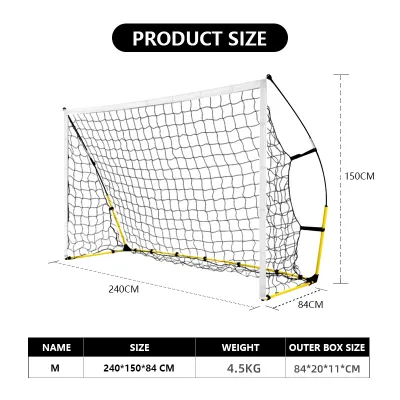
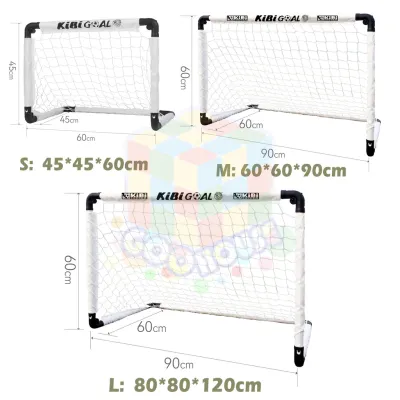
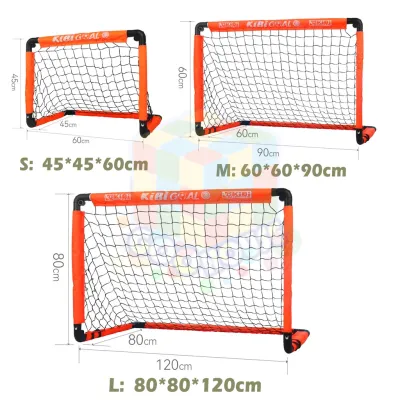
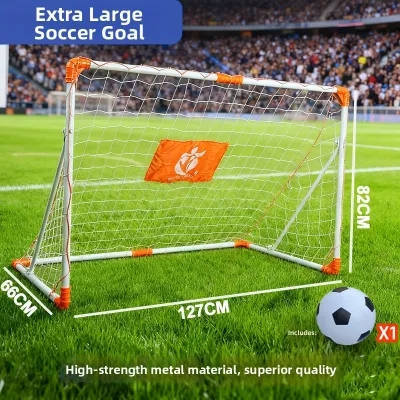
![[COD] E-WOITD Portable Micro Soccer Goal Set (Net Pump Ball Included) Lightweight Indoor Outdoor Gear For Park & Beach Training 1Set](https://img.lazcdn.com/g/p/16773ad5781fb80019280dd4e3c7aed8.jpg_400x400q80.jpg_.webp)
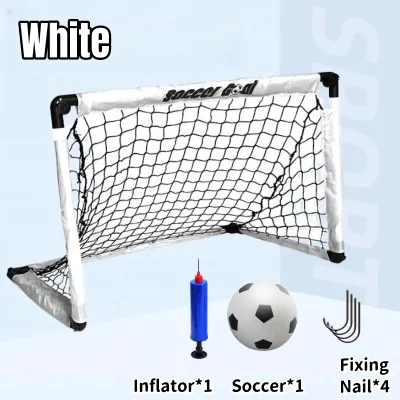
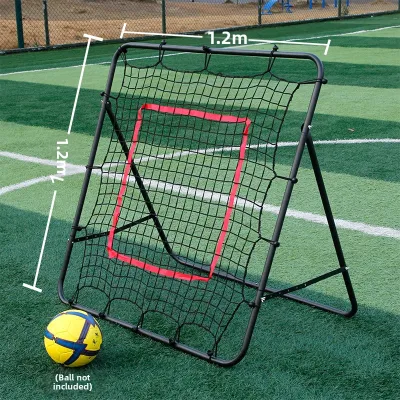
Prices are valid at publication and may change. Please refer to the product page for the latest price.
The fundamental trade-off in home soccer gear lies between portability and stability. Highly portable goals, such as pop-up designs, can be assembled in seconds and stored in a compact carrying bag, making them perfect for families who rent or use shared community spaces. However, these lightweight options lack the weight and structural rigidity to handle powerful shots from adult players, and they can easily blow away during sudden afternoon wind gusts. Conversely, heavy metal frames offer realistic rebounds and exceptional stability, but they require permanent or semi-permanent placement, a larger budget, and dedicated maintenance to prevent corrosion in high-humidity environments.
By assessing these factors early, you can avoid common purchasing mistakes, such as buying a goal that is too large for your yard or one that degrades after a single rainy season. The following sections break down the specific physical features, material options, and safety protocols you need to evaluate to make an informed investment.
Key Features to Evaluate Before Buying
Choosing a soccer goal involves analyzing several critical specifications to ensure the equipment performs well and lasts for years. In the Philippines, where weather conditions range from scorching midday heat to intense monsoon rain, material choice and design details are just as important as the physical dimensions of the frame.

Size and Age Appropriateness
Selecting the correct goal size is vital for realistic skill development and safety. For very young players (under 6 years old), small target goals measuring 3 to 4 feet in width are excellent for building basic foot-eye coordination. As players transition into youth leagues (ages 7 to 12), goals ranging from 6×4 feet to 12×6 feet are standard, allowing them to practice shooting angles and basic goalkeeping positioning. For teenagers and adults, a regulation-size goal (24×8 feet) is generally too large for most residential properties, making 12×6 feet or 16×7 feet the practical upper limit for serious home training.
Beyond player age, you must carefully measure your available training space and establish a safe clearance zone. A powerful shot that misses the target can easily break a window, damage a neighbor’s fence, or ruin potted plants. Ensure you have at least 2 to 3 meters of clear space behind and to the sides of the goal frame. If your training area is bordered by delicate structures, consider installing a temporary backstop net or choosing a smaller, high-accuracy target goal to keep wild shots contained.
Frame Material and Weather Resistance
The frame material determines how well your soccer goal will survive the Philippine climate. PVC (polyvinyl chloride) and fiberglass are naturally rust-proof, making them highly attractive options for coastal areas or regions with high relative humidity. Fiberglass poles are incredibly flexible and lightweight, allowing them to bend under impact without breaking, though they can become brittle over years of intense UV exposure. High-grade PVC is thicker and more rigid, offering a traditional goal appearance at a lower cost, but standard consumer-grade PVC can crack if exposed to direct sunlight for prolonged periods.
For maximum durability and a realistic playing feel, powder-coated steel or aluminum frames are the industry standard. Aluminum is lighter than steel and naturally resistant to rust, but it is typically more expensive. Steel is exceptionally strong and heavy, providing excellent stability, but any scratch in the powder coating will expose the underlying metal to moisture, leading to rapid rusting. When evaluating metal goals, look for specifications that explicitly mention galvanized steel, rust-resistant powder coatings, UV-treated nylon or polyethylene nets, and weather-sealed joints to ensure the structure survives the wet season.
Portability vs. Stability
Deciding how often you will move the goal dictates the structural design you should choose. If your training space is a shared driveway or a lawn that needs regular mowing, portability is non-negotiable. Portable goals should feature quick-release buttons, folding hinges, or tension-pole designs that allow for disassembly in under ten minutes. Look for packages that include a durable, water-resistant carrying bag with reinforced straps, as this makes transporting the goal to local parks or barangay courts much easier.
On the other hand, if you have a dedicated backyard grass area, a semi-permanent or permanent setup provides a much better training experience. Heavier frames do not shift or tip over when hit by a ball, allowing for continuous, uninterrupted drills. However, even the heaviest home goals require proper anchoring to remain safe. In windy conditions, unanchored goals can act like sails, risking severe injury to players or damage to nearby property. Always balance your desire for a quick setup with the absolute necessity of keeping the frame securely anchored to the ground during play.
Best Types of Soccer Goals for Backyard Practice
Understanding the different categories of soccer goals available on the market allows you to narrow down your choices based on your specific training regimen and budget. Each type serves a distinct purpose, from rapid-fire passing drills to high-intensity shooting practice.
Pop-Up and Foldable Training Goals
Pop-up goals are the ultimate convenience tool for quick soccer sessions. These goals utilize a highly flexible fiberglass or steel band frame sewn directly into a fabric sleeve, allowing them to spring open instantly when released from their carrying bag. Most pop-up designs are shaped like a half-dome or triangle, providing a low-profile target that is excellent for short-range passing accuracy, small-sided games (such as 2v2 or 3v3), and toddler play.
- Pros: Instant setup with zero tools required, extremely lightweight, highly compact for storage, and very affordable.
- Cons: Limited height makes them unsuitable for goalkeeper training or high-loft shots, and they can easily shift or blow away in moderate winds if not pinned down.
- Best For: Toddlers, young children, passing accuracy drills, beach trips, and quick sessions in small yards or local parks.
Because these goals rely on tension to keep their shape, they are not designed to stop heavy, full-force shots from older players. If used for adult training, they should be restricted to low-intensity technical drills where precision, rather than power, is the main focus.
PVC and Fiberglass Assembly Goals
For players who want a traditional rectangular goal shape without the weight and expense of metal, PVC and fiberglass assembly goals are an outstanding middle-ground option. These goals feature a network of hollow tubes that connect using push-button locking mechanisms or heavy-duty plastic sleeves. They are significantly more rigid than pop-up goals, allowing for realistic shots into the upper corners of the net.
- Pros: Budget-friendly, completely rust-proof, lightweight enough for one or two people to move around the yard, and available in larger youth sizes.
- Cons: Plastic elbow joints and connectors can crack under repeated high-impact shots or degrade from prolonged UV exposure, and the lightweight frame can tip over during hard strikes.
- Best For: Casual family recreation, school-aged children, and moderate-intensity shooting practice on grass lawns.
To extend the lifespan of a PVC goal, look for models that use thick-walled, high-impact vinyl and reinforced corner joints. Storing the goal in a shaded area when not in use for extended periods will also protect the plastic from becoming brittle under the intense tropical sun.
Steel and Aluminum Heavy-Duty Goals
Serious soccer players who want to replicate the feel of a club training ground should invest in steel or aluminum heavy-duty goals. These structures feature thick, rigid metal posts that can withstand the most powerful shots without shaking or shifting. They provide the satisfying sound and rebound of a professional goal, making them ideal for competitive youth players, varsity athletes, and adult training.
- Pros: Virtually indestructible under normal training conditions, highly stable, provides realistic rebounds, and supports high-tension nets for a professional feel.
- Cons: Expensive, heavy and difficult to move, requires significant storage space if disassembled, and demands regular maintenance to prevent rust on steel components.
- Best For: Advanced shooting practice, goalkeeper training, dedicated backyard sports courts, and long-term outdoor installations.
When choosing a metal goal, aluminum is the premium choice due to its natural resistance to corrosion, while steel offers a heavier, more budget-friendly alternative that requires diligent rust prevention. These goals must always be securely anchored, as their weight poses a significant safety hazard if they tip over.
Safe Setup and Weather Maintenance
Owning a soccer goal comes with the responsibility of ensuring it is safe to use and properly maintained. Neglecting safety protocols or failing to protect your equipment from the elements can lead to preventable accidents and rapid product degradation.
Anchoring and Wind Safety
The single most important safety rule for any freestanding soccer goal is that it must be securely anchored before anyone begins playing. A falling soccer goal can cause severe head injuries, fractures, or property damage. For grass or soil surfaces, always use the heavy-duty metal J-hooks or U-anchors typically provided with the goal. Drive these anchors deep into the ground at multiple points along the base frame, ensuring they are flush with the turf to prevent tripping hazards.
If you are setting up your goal on concrete, paved driveways, or tiled patios, standard ground pegs cannot be used. In these scenarios, you must use alternative counterweights to stabilize the frame:
- Sandbags: Place heavy, industrial-grade sandbags over the back and side bars of the goal base. Ensure the bags are made of UV-resistant material to prevent them from tearing and spilling sand over time.
- Weighted Bases: Some premium goals feature built-in weighted back bars or compatible water-filled counterweights designed specifically for hard courts.
- Safety Warning: Never allow children or players of any age to climb, hang, or perform pull-ups on the crossbar of a freestanding soccer goal. The leverage created by a person's body weight can easily pull down even a heavy metal frame.
- Severe Weather Protocol: During typhoons, tropical depressions, or periods of high monsoon winds, always disassemble portable goals and store them indoors. For heavy, semi-permanent metal goals, lay the frame flat on the ground with the crossbar facing down, or secure it firmly to a sturdy wall or fence to prevent it from being caught by the wind.
Net Care and Frame Maintenance
The combination of intense UV radiation and high humidity in the Philippines is incredibly harsh on outdoor materials. Nets are often the first component to fail, as sun exposure breaks down the synthetic fibers, causing them to fray, sag, and tear under the force of a soccer ball. To maximize the lifespan of your net, verify that it is made of UV-stabilized polyethylene (PE) or high-density nylon.
Before performing any maintenance or applying protective coatings, first check the applied product’s label and the treated item’s manufacturer instructions. If instructions conflict, the item is unidentified, or the use is not covered, stop and consult the manufacturer or a qualified professional.
Regular maintenance checks will keep your goal in top condition and ensure safe play:
- Inspect Attachments: Periodically check the net clips, velcro straps, or bungee cords that secure the net to the frame. Replace any brittle, cracked, or broken fasteners immediately to prevent the net from sagging or detaching during a shot.
- Rust Prevention: For steel frames, inspect the metal regularly for scratches, chips, or signs of orange rust, especially around joints and weld points. If rust is detected, gently sand the affected area to remove loose corrosion, wipe it clean, and apply a high-quality outdoor anti-rust primer and matching touch-up paint according to the paint manufacturer's safety and application steps.
- Clean Mud and Dirt: Wipe down the frame with a damp cloth and mild soap after muddy rainy-day sessions to prevent dirt buildup from trapping moisture against the frame or joints.
- Manufacturer Instructions: Always consult the manufacturer's specific care and disassembly instructions before storing your goal for an extended period. Storing the components in a cool, dry, well-ventilated indoor space will prevent mold growth on the net and preserve the integrity of the frame materials.
Where to Buy and Final Pre-Purchase Checks
When you are ready to purchase your home training soccer goal, sourcing it from a reputable supplier is essential for ensuring quality and safety. In the Philippines, you can find a wide selection of goals at major sporting goods retail chains in shopping malls, specialized local football shops, or verified online flagship stores on major e-commerce platforms. Prices typically range from under ₱1,500 for basic pop-up nets to over ₱10,000 for high-end galvanized steel frames. Buying from established brands or authorized dealers guarantees that you receive genuine materials, reliable warranties, and access to replacement parts like extra nets or anchor pegs.
Before finalizing your order, perform these essential pre-purchase checks to ensure a smooth buying experience:
- Verify Included Accessories: Carefully read the product description to confirm what is included in the box. Some budget models sell the net, frame, and anchors separately. Ensure your package includes the frame, a compatible net, a carrying bag (if portable), and a basic anchoring kit.
- Measure Your Space: Double-check your yard, driveway, or lawn measurements against the product's fully assembled dimensions. Remember to account for the depth of the goal's base, as some models extend backward significantly to maintain balance.
- Check the Safe Buffer Zone: Confirm that you have adequate space behind the net to absorb missed shots without hitting walls, windows, vehicles, or neighboring properties.
- Confirm Assembly Requirements: Review the assembly instructions or product videos to understand if you will need specialized tools or if the frame utilizes a tool-free push-button system.
By taking the time to verify these details, you can invest in a soccer goal that provides a safe, durable, and highly effective training environment right in the comfort of your home.
Frequently Asked Questions (FAQ)
Can I use a soccer goal on a concrete driveway?
Yes, you can use a soccer goal on a concrete driveway, but you must take specific precautions to ensure safety and prevent damage. Because standard metal ground pegs cannot penetrate concrete, you must secure the frame using heavy sandbags, rubber-coated weights, or specialized water-filled counterweights placed over the base bars. Without these weights, the goal will slide or tip over when struck by a ball. Additionally, playing on concrete increases wear and tear on both the soccer ball and the bottom of the goal frame. To protect the equipment and your driveway, consider placing rubber mats under the frame’s contact points, and use a heavier, low-bounce training ball to prevent wild rebounds off the hard surface.
How do I stop the net from sagging?
To stop a soccer net from sagging, you must ensure it is attached with the correct tension and secured at regular intervals. Start by checking the manufacturer’s guidelines to confirm the net is oriented correctly, as installing a net upside down or sideways is a common cause of sagging. Next, inspect the attachment points at the top corners of the frame, which bear the most tension; ensure these are pulled tight and securely fastened. If the original velcro straps or plastic clips have stretched or broken, replace them with heavy-duty, UV-resistant zip ties or elastic bungee balls. Spacing your fasteners every 6 to 12 inches along the crossbar and side posts will distribute the net’s weight evenly, keeping it taut and preventing the ball from escaping through gaps.
Community discussion
Share your experience or ask a question. Comments are reviewed before publication.