
Starting baseball in the Philippines is an exciting journey, but jumping straight to a standard hardball can lead to painful bruises, broken windows, and a rapid loss of confidence. For a beginner, selecting the right soft ball for baseball practice is the most critical step to building solid fundamentals safely. The ideal choice depends heavily on where you plan to practice—whether in a tight indoor space, a concrete barangay basketball court, or a grassy park. Beginners should prioritize reduced-impact balls, such as solid rubber or polyurethane (PU) synthetic leather soft baseballs. These options provide the necessary weight and feel to develop proper muscle memory without the high risk of injury associated with traditional cork-and-leather hardballs.
Why Beginners Should Start with Soft Baseballs
Safety and Injury Prevention
A standard baseball is surprisingly hard, featuring a solid cork or rubber center wrapped tightly in yarn and covered in cowhide. When thrown or hit at high speeds, it can cause severe bruising, fractured fingers, or facial injuries upon impact. For children and adult beginners alike, a reduced-density core significantly lowers the impact force. If a throw is missed or a pitch goes wild, a soft ball absorbs much of the energy, turning what would be a painful injury into a minor, harmless bump. This safety factor is especially important in the Philippines, where dedicated, fenced-in baseball fields are scarce, and practice often occurs in multi-use public spaces.
Confidence Building
Fear is one of the biggest hurdles for any novice baseball player. The natural human instinct is to flinch or turn away when a hard object flies toward your face or body. This flinching habit ruins a player’s form, making it difficult to track the ball into the glove or keep eyes on the ball during a swing. By practicing with a soft ball, you remove this psychological barrier. Beginners can focus entirely on their mechanics—such as keeping their glove open, tracking the ball’s trajectory, and maintaining a steady stance—without the underlying anxiety of getting hurt. Over time, this builds the relaxed, fluid muscle memory required for advanced play.
Products mentioned in this guide
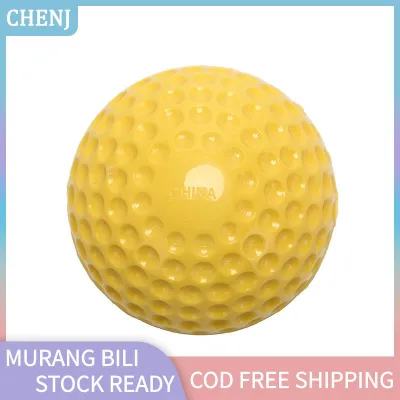
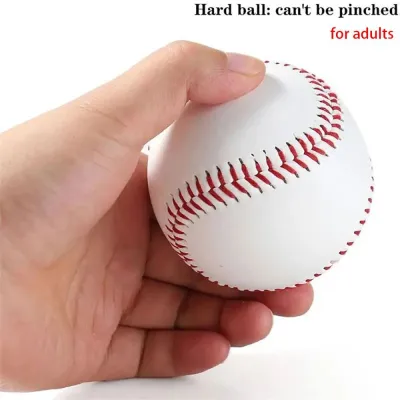
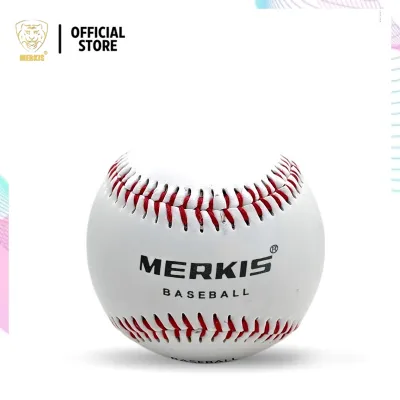
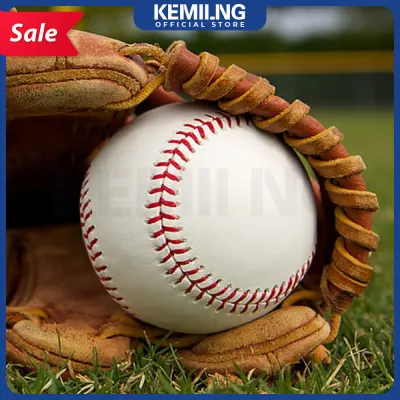
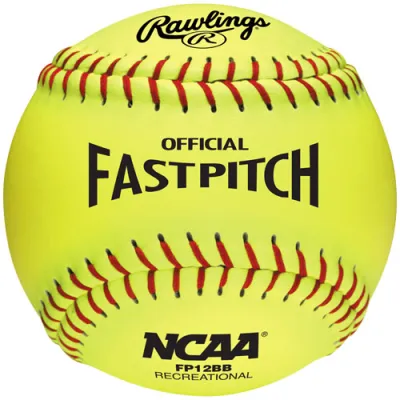
Prices are valid at publication and may change. Please refer to the product page for the latest price.
Versatility in Practice Locations
Finding a vast, empty grass field in urban areas like Metro Manila or Cebu can be incredibly challenging. Most beginners find themselves practicing in backyards, driveways, indoor garages, or local paved courts. A standard hardball can easily shatter glass windows, dent parked cars, or chip concrete walls. Soft baseballs, particularly foam and low-rebound rubber varieties, allow you to transform almost any small space into a personal training ground. You can practice pitching against a wall or taking soft-toss swings without worrying about property damage or disturbing your neighbors.
What to Look for When Buying a Soft Ball for Baseball
Material and Core Construction
The internal core determines how the ball compresses upon impact and how much it bounces. Pure foam cores are highly compressible and ultra-safe, but they offer very little rebound and can feel lifeless. Solid rubber balls, often made of vulcanized rubber, provide a firm yet yielding structure that bounces predictably on hard surfaces. PU-covered cores typically feature a compressed polyurethane foam center wrapped in synthetic leather. This design strikes the perfect balance, offering a realistic feel when hit by a bat while still compressing enough to prevent injury.

Weight and Dimensions
To build effective muscle memory, a training ball must closely mimic the physical dimensions of an official baseball. A standard baseball has a circumference of 9 inches (about 22.9 cm) and weighs approximately 142 to 149 grams. When shopping for a soft ball for baseball practice, look for options labeled as “reduced impact” or “safety balls” that maintain this standard weight and size. If a ball is too light, such as a tennis ball or a hollow plastic ball, your arm will adjust to throwing a featherweight object. This can lead to poor throwing mechanics and even shoulder strain when you eventually transition to a heavier, regulation ball.
Seam Design
The red seams on a baseball are not just decorative; they are functional tools that provide grip and affect the ball’s aerodynamics. Beginners must learn how to place their fingers across these seams to execute proper throws, such as the standard four-seam grip. Look for soft baseballs that feature raised, textured seams. Many high-quality PU synthetic leather balls have stitched seams that feel identical to those on a professional hardball. Even molded rubber balls often feature raised ridges that simulate seams, allowing beginners to practice correct finger placement from day one.
Durability and Cover Quality
The tropical climate of the Philippines presents unique challenges for sports equipment. High humidity, intense sunlight, and sudden rain showers can quickly degrade low-quality materials. If you plan to practice batting, the ball’s cover must withstand repeated impacts from aluminum or wooden bats. Cheap plastic or low-grade foam covers will quickly split, peel, or warp. Look for synthetic leather covers with reinforced stitching or heavy-duty vulcanized rubber that resists moisture absorption and tearing, ensuring your investment lasts through months of rigorous daily drills.
Top Types of Soft Baseballs for Beginner Practice
To help you choose the right gear, soft baseballs can be categorized into three primary types based on their construction and intended use. Each type serves a specific role in a beginner’s training progression.
Foam and Sponge Baseballs (Absolute Beginners & Indoors)
Foam and sponge baseballs are the lightest and most forgiving options available. Constructed entirely from high-density polyurethane foam, these balls are virtually weightless and highly compressible. They are the absolute safest choice for toddlers, very young children, or anyone practicing basic swing mechanics inside a living room or garage. Because they are so soft, they will not damage household items or cause pain even if thrown directly at someone. However, their ultra-lightweight nature makes them highly susceptible to wind, meaning they are impractical for outdoor throwing practice in local parks, especially during windy afternoons or the monsoon season. They also fail to simulate the true bounce and roll of a real baseball.
Solid Rubber Soft Baseballs (Outdoor Toss & Fielding)
Solid rubber soft baseballs, frequently used in youth leagues across Asia, are molded from durable, weather-resistant vulcanized rubber. These balls are hollow or semi-hollow, giving them a satisfying weight that closely matches a regulation baseball while remaining flexible enough to squeeze slightly with your hands. They are highly resilient against moisture, making them perfect for outdoor practice on damp grass or dusty concrete courts in the Philippines. They offer a very realistic bounce, which is excellent for practicing grounders and fielding drills. The main limitation is that they can still cause a mild sting on bare hands if thrown with significant force, so using a baseball glove is highly recommended. Additionally, hitting them repeatedly with wooden bats is not advised, as the dense rubber can cause wood to split over time.
PU Synthetic Leather Soft Baseballs (Batting & Transition)
PU synthetic leather soft baseballs are the closest you can get to a professional hardball without the associated safety risks. These balls feature a soft, compressed polyurethane or fiber core wrapped in a durable synthetic leather cover, complete with raised red stitching. They look, feel, and fly almost exactly like a regulation baseball, making them the premier choice for batting practice and older beginners who are preparing to transition to competitive league play. The soft core dampens the impact, protecting both the batter and the equipment. However, they are generally more expensive than rubber or foam options. Their synthetic leather covers can also scuff, tear, or absorb dirt if used repeatedly on rough concrete or gravel surfaces, so they are best reserved for grass fields or batting nets.
| Ball Type | Core/Cover Material | Best Practice Scenario | Durability Level | Price Range (PHP) |
|---|---|---|---|---|
| Foam / Sponge | High-density foam | Indoor swing mechanics & toddlers | Low to Moderate | ₱50 – ₱150 |
| Solid Rubber | Vulcanized rubber | Outdoor fielding & park catch | High (Weatherproof) | ₱100 – ₱250 |
| PU Synthetic Leather | Soft PU foam / PU cover | Batting practice & realistic throwing | Moderate to High | ₱200 – ₱450 |
Where to Find Soft Baseballs in the Philippines
Finding quality baseball gear in the Philippines requires knowing where to look, as basketball and volleyball gear often dominate local retail shelves.
Physical Sporting Goods Stores
For beginners, visiting a physical retail store is highly recommended because it allows you to physically handle the ball, check its weight, and feel the texture of the seams. Large international retail chains like Decathlon, which have multiple branches across Metro Manila and online delivery options, carry dedicated beginner baseball gear under their utility brands. You can also check major sporting goods chains located inside prominent shopping malls, such as SM Malls, Robinsons, or Ayala Malls. These stores often stock basic training balls, gloves, and bats in their racket and ball sports sections.
Specialized Baseball Equipment Shops
If you are looking for higher-quality training balls used by local school teams or amateur leagues, seek out specialized baseball pro shops. These are often located near historic sports hubs, such as the Rizal Memorial Sports Complex in Manila, or within major university districts where baseball and softball are actively played. These shops carry specialized brands and can offer expert advice on which ball matches your age and skill level.
Major Online Marketplaces
If physical stores near you do not carry baseball gear, online marketplaces offer a wide selection of training balls. When shopping online, avoid purchasing the cheapest options blindly, as many are novelty toys or lightweight plastic balls that do not weigh enough for proper practice. Always read the product specifications carefully to verify the ball’s weight (aim for 140 to 145 grams) and material composition. Look for listings that specify “reduced impact,” “safety baseball,” or “level 5 soft baseball.” Be sure to check customer reviews, seller ratings, and return policies to ensure you are buying from a reputable sports distributor.
Getting Started: Simple Practice Drills
Once you have selected your soft baseball, you can begin developing your skills with these simple, effective drills that require minimal space and equipment.
Wall Toss
This is an excellent solo drill for developing hand-eye coordination and fielding reflexes. Find a flat, solid concrete wall (such as an outdoor firewall or a barangay court wall) and stand about 5 to 10 feet away. Using a solid rubber soft baseball, throw the ball underhand against the wall and practice catching the rebound. Focus on staying low, keeping your glove open, and using both hands to secure the ball. The predictable bounce of the rubber ball will help you master the timing of fielding ground balls and short hops.
Soft Toss Batting
For this drill, you will need a partner and a safe space, such as a spacious backyard or a local park. Stand facing a net, a soft wall, or an open field. Your partner should kneel safely to your side (at a 45-degree angle, slightly ahead of home plate) and gently toss a PU synthetic leather soft baseball into your hitting zone. Focus on keeping your eyes on the ball, maintaining a balanced stance, and making clean contact with the bat. Because the ball has a soft core, it will not travel with dangerous velocity, making it easy to retrieve and safe for nearby surroundings.
Target Throwing
Accurate throwing is a fundamental baseball skill that relies on consistent finger placement. Using a soft baseball with raised seams, practice gripping the ball across the seams (the four-seam grip). Set up a safe target, such as a large plastic bucket, a cardboard box, or a hanging tarp, about 15 to 20 feet away. Practice throwing the ball overhand, focusing on a smooth release and a consistent follow-through. This drill builds arm strength and accuracy without the risk of damaging the target or losing expensive balls.
Safety Reminder
Even though these training balls are designed to be soft and safe, safety should always remain your top priority. Before starting any throwing or batting drill, thoroughly inspect your surroundings. Ensure there are no bystanders, pets, parked vehicles, or fragile glass windows in your immediate line of fire. If you are practicing batting, always wear a proper batting helmet, and ensure your partner stands in a protected or angled position to avoid being hit by a deflected ball.
Frequently Asked Questions (FAQ)
Can I use a soft baseball for official league games?
No, soft baseballs are strictly designed for practice, training, and casual recreational play. Official baseball leagues and tournaments, including local youth leagues and school competitions in the Philippines, require standard cork-and-leather hardballs that meet strict international federation regulations (such as those set by the World Baseball Softball Confederation). Using a soft ball in an official game would alter the physics of the game, including hit distance, pitch speed, and fielding dynamics.
How do I know if a soft baseball is the right weight?
To verify if a soft baseball is suitable for proper training, check its product specifications or weigh it on a kitchen scale. A high-quality training ball should weigh between 140 and 145 grams (approximately 5 ounces), which is very close to the weight of a regulation hardball. If the ball feels exceptionally light—similar to a tennis ball (which weighs around 57 to 58 grams) or a hollow plastic wiffle ball—it is likely a novelty toy. Lightweight balls will not help you develop the correct arm strength or throwing mechanics needed for baseball.
Community discussion
Share your experience or ask a question. Comments are reviewed before publication.