
Setting up a home gym in a modern condominium requires a careful balance between fitness goals and spatial reality. In the Philippines, where condo unit sizes often range from compact studio layouts to cozy two-bedroom spaces, selecting the right exercise gear is essential to avoid cluttering your living area. Exploring the kemiling official store on major online marketplaces reveals a variety of space-saving fitness machines designed specifically for residential use. To make the most of your limited floor plan, you must prioritize equipment that is highly foldable, multi-functional, and engineered to operate quietly.
Assessing Your Condo's Space and Weight Limits
Before browsing any online storefront, you must establish the exact spatial boundaries of your intended workout area. Grab a tape measure and map out the physical dimensions of the room, keeping in mind that a machine’s physical body is not the only thing that requires space. You must account for the swing radius of nearby doors, the clearance needed to open wardrobe drawers, and the pathways required to walk comfortably around the room. Additionally, ensure there is adequate ventilation clearance around your workout station, especially if you plan to place equipment near air conditioning units or windows.
Floor load capacity is another critical factor that high-rise residents must consider. While modern residential buildings in the Philippines are engineered to support standard household furniture, heavy fitness equipment concentrates a significant amount of weight onto a very small surface area. A heavy motorized treadmill or a multi-station weight rack, combined with your own body weight and the dynamic force of your movements, can place localized stress on the floor slab. To mitigate this risk, check your condominium association guidelines regarding structural weight limits, and consider placing heavier machines adjacent to load-bearing walls or structural columns rather than in the center of a suspended floor span.
Products mentioned in this guide
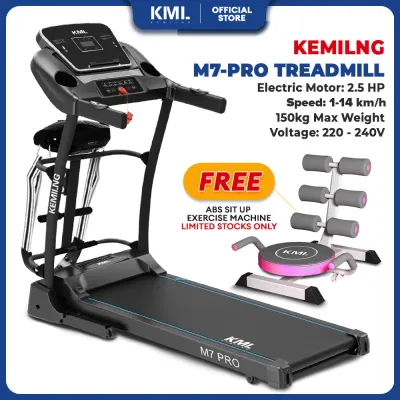
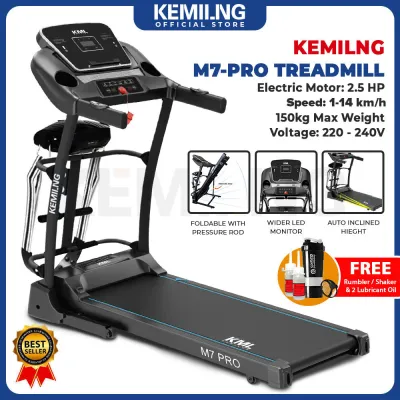
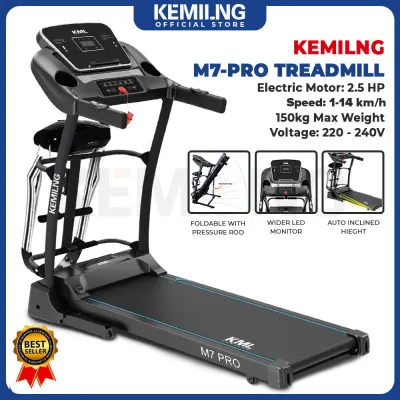
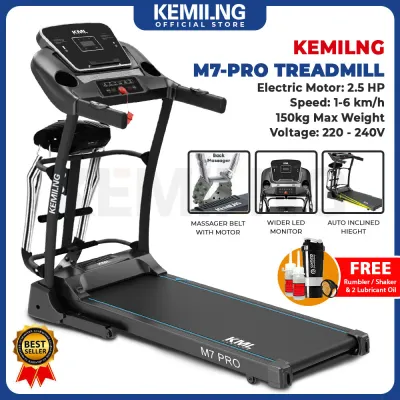
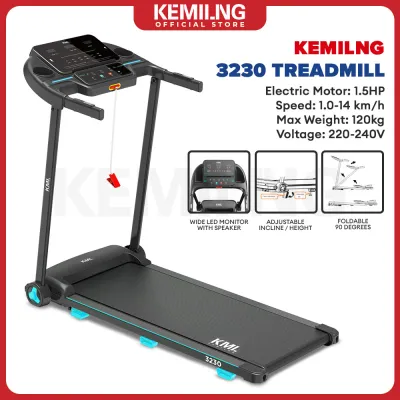
Prices are valid at publication and may change. Please refer to the product page for the latest price.
Ceiling height is equally vital, particularly for tall users or exercises that involve vertical movement. If you plan to use an incline treadmill, an elliptical trainer, or a strength station that requires overhead presses, measure your ceiling to ensure you will not hit your head or hands during peak exertion. Finally, do not overlook the delivery pathway. Measure the width of your condo’s entrance door, the interior dimensions of the service elevator, and the turning clearance of your building’s hallways to guarantee that your new equipment can actually be transported to your unit without getting stuck.
Key Features to Look for in Compact Kemiling Equipment
When evaluating options from the kemiling official store, look for specific engineering features that cater to compact living. Foldable designs are the gold standard for small apartments, allowing you to reclaim your living room or bedroom floor space immediately after a workout. Many modern machines feature quick-release pins or hydraulic folding mechanisms that let you transition the equipment from an active state to a storage state in less than a minute. Look for built-in transport wheels, which allow you to roll the machine easily into a closet, behind a sofa, or under a bed frame.

Multi-functionality is another key strategy for maximizing a small workout area. Instead of purchasing separate machines for different muscle groups, look for hybrid equipment that combines multiple exercise styles into a single footprint. For example, a bench that adjusts from a flat position to an incline, decline, or upright angle can replace several static benches while taking up no additional floor space. Similarly, multi-functional cable systems or compact resistance stations allow you to perform dozens of unique movements within a single, unified setup.
It is crucial to distinguish between a machine’s static footprint—its dimensions when sitting idle—and its active operating envelope. The operating envelope includes the extra clearance zone required for safe and unrestricted movement during an exercise. For instance, while an exercise bike might physically occupy a space of only one meter by half a meter, you need extra clearance on both sides to mount and dismount safely, as well as space behind the machine to prevent accidental collisions.
Living in close proximity to neighbors means that noise and vibration management must be a top priority. Look for fitness machines that utilize magnetic resistance systems rather than friction pads, as magnetic systems operate almost silently and require far less maintenance. Vibration-dampening features, such as built-in shock-absorbing springs or rubberized feet, are also essential for preventing the low-frequency hum of a running treadmill or spinning flywheel from traveling through the concrete floor and disturbing the residents living directly below you.
Evaluating Kemiling Machines by Workout Type
Cardio Options for Tight Spaces
Cardiovascular training in a condo requires equipment that minimizes both physical clutter and operational noise. Low-profile options, such as under-desk walking pads, compact spin bikes, and mini-steppers, are highly suited for small layouts. Walking pads are particularly popular because they lack bulky upright consoles, allowing them to slide flat under a bed or stand vertically against a wall when not in use. When browsing the kemiling official store, pay close attention to the maximum user weight capacity and the running belt width listed in the specifications to ensure the machine matches your physical build.
While compact cardio machines offer excellent space savings, you must accept certain design trade-offs. For instance, a mini-stepper or a compact exercise bike may have a shorter stride length or a lighter flywheel compared to full-sized gym models. This can limit the maximum resistance or intensity of your workouts, making them ideal for steady-state cardio and general fitness but less suitable for high-intensity athletic training. Always verify the console height and handlebar adjustability to ensure you can maintain an ergonomically correct posture during longer training sessions.
Strength Training in Limited Areas
Building muscle or maintaining strength in a condo does not require a massive power rack or multiple sets of fixed dumbbells. Adjustable dumbbells are an exceptionally space-efficient solution, packing the utility of an entire weight rack into two compact handheld units. When paired with a foldable utility bench, you can perform a complete full-body strength routine in an area no larger than a standard yoga mat.
If you prefer machine-based strength training, evaluate the differences between weight stack systems and plate-loaded systems. Plate-loaded machines require extra lateral clearance so you can safely slide weight plates onto the sleeves without hitting walls or furniture. Conversely, compact home gyms with selectorized weight stacks keep all the weight self-contained within a vertical column, saving lateral space but increasing the overall static weight of the machine. Always verify the structural stability of foldable benches and wall-mounted anchor systems, ensuring they are rated for both your body weight and the maximum load you intend to lift. Ensure you leave at least one meter of lateral clearance on all sides to allow for full arm extensions and safe weight transitions.
How to Verify Specifications in the Kemiling Official Store
To avoid the hassle of returning heavy items, you must become adept at reading and verifying product specifications directly on the official online storefront. Do not rely solely on promotional images, which can sometimes use forced perspective to make a machine look smaller or larger than it actually is. Instead, scroll down to the product details section to locate the exact metric dimensions (Length x Width x Height) in both its active and folded states. Note the net weight of the machine to ensure you can physically lift or roll it during setup and storage.
Manufacturer listings often specify safety zones or clearance margins, which you should cross-reference with your room measurements. To get a realistic sense of how the machine performs in a residential setting, spend time reading customer reviews and the Q&A section on the ecommerce platform. Look specifically for feedback from other condo dwellers in the Philippines regarding the actual noise levels, the ease of assembly, and how easily the transport wheels glide over typical flooring materials like laminate, tile, or vinyl planks.
If you cannot find crucial details such as the exact folded height, the electrical cord length, or the maximum weight capacity, do not hesitate to contact the store’s customer service team. Ask for assembly diagrams or user manuals to verify any structural details before finalizing your purchase. Taking these extra verification steps ensures that your chosen equipment will fit perfectly and operate safely from the day it arrives.
Common Space-Planning Mistakes to Avoid
One of the most dangerous mistakes condo owners make is neglecting the safety clearance zone behind motorized treadmills. If you lose your balance or trip while running, you need at least two meters of clear, unobstructed space behind the belt to prevent being pinned or thrown against a wall, which can cause severe friction burns or impact injuries. Never place the rear of a treadmill directly against a wall, window, or piece of furniture.
Another common error is failing to calculate the combined weight of the equipment and the user. A machine that weighs 60 kilograms might seem light, but when a 90-kilogram user runs on it, the dynamic force exerted on the floor increases significantly. Always ensure this combined dynamic load fits safely within your building’s structural limits. Additionally, avoid placing tall or bulky machines directly in front of air conditioning vents, wall sockets, or natural light sources, as this can disrupt the airflow and overall comfort of your living space. Finally, never assume that terms like “mini,” “compact,” or “apartment-sized” are standardized; always measure your space in centimeters and compare those numbers directly against the product specifications.
Frequently Asked Questions (FAQ)
Do I need to check floor load capacity before buying heavy gym equipment?
Yes, checking your condominium’s floor load capacity is highly recommended, especially if you plan to purchase heavy strength machines or dense weight stacks. Dropping weights or using heavy equipment concentrates force on a small area, which can cause structural strain or noise issues. Consult your building administration for static and dynamic load limits, and use thick rubber flooring to distribute the weight evenly over load-bearing beams.
How can I minimize noise and vibration for downstairs neighbors?
To minimize noise and vibration, place your fitness equipment on high-density rubber mats or interlocking foam tiles, which absorb impact and prevent sound from traveling through the floor. Choose machines that utilize magnetic resistance rather than friction pads, as they operate much more quietly. Additionally, schedule your high-impact workouts or heavy lifting sessions outside of your building’s designated quiet hours to maintain good relations with your neighbors.
Community discussion
Share your experience or ask a question. Comments are reviewed before publication.