
Setting up a dedicated training space at home is one of the most effective ways to build consistency in your boxing routine. Among the various pieces of equipment you can install, a speed bag boxing set stands out as an exceptional tool for developing hand-eye coordination, shoulder endurance, rhythm, and sharp reflexes. However, unlike a simple skipping rope or a pair of dumbbells, installing this equipment requires careful planning to ensure it functions correctly and does not damage your living space.
Finding the right setup involves balancing your training goals with the physical realities of your home. The ideal configuration must account for your floor space, ceiling height, wall construction, and tolerance for noise and vibration. Because a speed bag functions by bouncing rapidly off a solid surface, any instability in the mount will absorb the bag’s kinetic energy, resulting in a sluggish, unpredictable rebound that hinders your training. By analyzing your space and structural limits first, you can select a system that delivers a gym-quality workout right in your home.
How to Choose a Speed Bag Set for Your Home Space
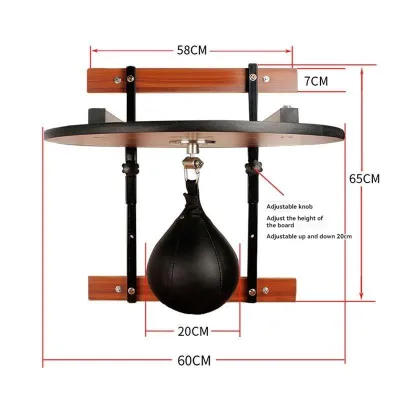
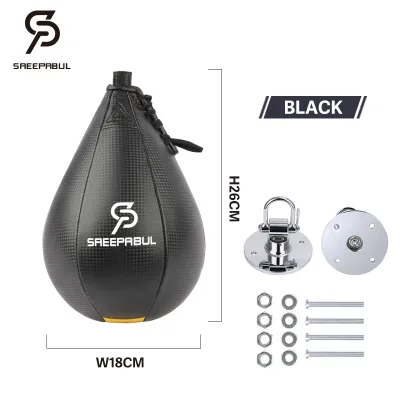
A complete speed bag boxing set consists of four primary components: the rebound platform, the speed bag itself, a swivel that connects the bag to the platform, and the mounting hardware. Each of these components plays a critical role in the overall performance of the unit. The platform must be heavy and rigid enough to minimize vibration, while the swivel must allow the bag to swing freely in all directions without binding. When these parts work in harmony, they produce the clean, rhythmic rebound necessary for high-speed training.
Products mentioned in this guide
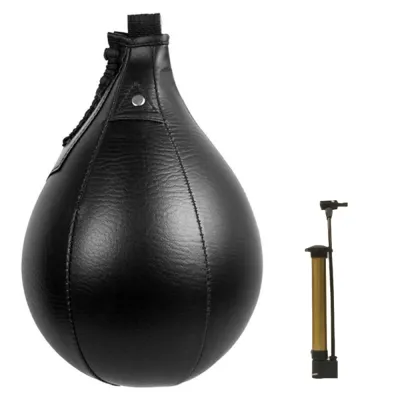
Prices are valid at publication and may change. Please refer to the product page for the latest price.
Before purchasing any equipment, you must carefully evaluate the physical constraints of your intended training corner. Ceiling height is often the first bottleneck; you need enough overhead clearance to stand comfortably while punching, with the platform positioned high enough to align with your face. Furthermore, the rapid, rhythmic striking of a speed bag transfers significant dynamic forces into your home’s structure. Mounting a platform to an unsuitable surface can lead to cracked plaster, loosened masonry, or even structural failure of the wall itself.
In residential environments, space is often at a premium, requiring a thoughtful compromise between stability and footprint. While a massive, heavy-duty commercial platform offers the best rebound performance, it may be too heavy or bulky for a small apartment or shared living room. Understanding the structural materials of your home—whether you are dealing with solid concrete, hollow concrete blocks, or timber framing—is the single most important step in choosing a set that is safe to install and satisfying to use.
Top Mounting Configurations for Residential Training
Selecting the right mounting style is the most critical decision in your purchase process, as it dictates where the equipment can go and how much noise it will produce. Different residential layouts and housing types require distinct mounting solutions to balance performance with structural safety.

Wall-Mounted Speed Bag Platforms
Wall-mounted platforms are the gold standard for home training when you have a permanent, dedicated space such as a garage, a basement, or a spare room. These systems feature a heavy wooden or composite drum attached to a steel frame that bolts directly into the wall, keeping the floor space beneath the bag completely clear for footwork and movement.
Because many homes in the Philippines are constructed with concrete hollow blocks (CHB) or solid concrete rather than wooden studs, installing a wall mount requires specialized preparation. You cannot simply use standard wood screws; instead, you must use a hammer drill to create precise holes and insert heavy-duty steel sleeve anchors or expansion bolts. This ensures that the intense, high-frequency vibrations of the speed bag do not loosen the mount over time, which could cause the platform to sag or detach from the masonry.
While wall-mounted units offer unmatched stability and a highly consistent rebound, they are permanent installations that leave noticeable holes if removed. This makes them less suitable for renters or those who plan to reconfigure their workout space in the near future. Additionally, unless you invest in a premium model with an adjustable vertical track, the platform height will be fixed, making it difficult for multiple users of different heights to share the equipment.
Freestanding and Floor-to-Ceiling Stands
If you are renting your home, living in a condominium with strict drilling restrictions, or using a multi-purpose room, a freestanding frame or a floor-to-ceiling tension stand is a highly practical alternative. These units do not require you to drill permanent holes into your walls or ceilings, allowing you to set up a complete training station without risking your security deposit.
Freestanding frames typically feature a multi-use design, combining a speed bag platform on one side with a heavy bag stand on the other. However, because these frames are not anchored to the building’s structure, they are highly susceptible to shifting, rocking, and vibrating during use. To counteract this, the base of the stand must be heavily weighted down using specialized sandbags, water anchors, or heavy Olympic weight plates placed onto built-in ballast pegs.
While freestanding units offer excellent flexibility, they occupy a much larger physical and visual footprint in your room. The steel legs extend outward to provide stability, which can create tripping hazards in tight spaces. Furthermore, because the entire metal frame absorbs the impact of your strikes, these stands tend to produce more metallic rattling noise than wall-mounted units, which is an important consideration if you have close neighbors.
Doorway and Compact Rebounder Sets
For those living in micro-apartments, studio units, or temporary accommodations where space is extremely limited, doorway and compact tension-mount sets offer a minimalist solution. These systems typically employ a heavy-duty adjustable bar that wedges securely inside a standard door frame, supporting a small, lightweight rebound board and bag.
These compact systems can be set up and taken down in a matter of minutes, making them ideal for keeping your living space uncluttered when you are not training. They allow you to practice basic rhythm and hand endurance without dedicating an entire corner of a room to boxing gear. When your workout is finished, the entire assembly can be stored away in a closet or under a bed.
However, these ultra-compact setups come with significant performance trade-offs. The smaller rebound boards and lightweight construction cannot match the solid, dense rebound of a full-sized wall platform, which can make advanced, high-speed combinations difficult to execute. They also restrict your movement, forcing you to stand directly within the doorway and limiting your ability to practice lateral footwork or head movement while punching.
Selecting Bag Size and Material by Training Level
Once you have determined the best mounting configuration for your home, the next step is selecting the speed bag itself. The size, shape, and material of the bag directly influence the speed of the rebound and the level of physical conditioning required to keep it moving.
Beginner to Intermediate Setups
For those who are new to speed bag training or are working on mastering the basic three-bounce rhythm, a larger bag is highly recommended. Standard beginner sizes typically range from 9×12 inches to 10×13 inches. These larger dimensions provide a generous target area, making it much easier to connect with the bag consistently as you develop your hand-eye coordination.
Because of their greater mass and volume, larger bags move through the air more slowly, giving you more time to react, reset your hands, and find the rhythm. This slower pace reduces frustration and allows you to focus on maintaining proper form, keeping your hands up, and executing relaxed, circular punching motions. It also helps build the baseline shoulder endurance required for longer, uninterrupted training sessions.
When it comes to materials, high-quality synthetic leather (such as polyurethane or PU) or treated heavy-duty canvas is ideal for residential use. In the warm, humid tropical climate of the Philippines, synthetic materials offer excellent resistance to moisture and sweat. They do not require regular conditioning with leather oils to prevent cracking, and they are highly resistant to mold and mildew growth in non-air-conditioned spaces, making them a low-maintenance and cost-effective choice for home gyms.
Advanced and Precision Training Setups
Experienced boxers who have already developed a consistent rhythm and are looking to focus on maximum speed, rapid combinations, and defensive head movement should transition to smaller bags. Advanced bag sizes generally range from 5×8 inches to 6×9 inches, featuring a distinct, streamlined teardrop shape that cuts through the air with minimal resistance.
These small bags are exceptionally fast and responsive, requiring rapid hand speed, intense focus, and precise timing to keep in motion. Because the target area is small, even a slight misalignment in your strike will cause the bag to rebound at an erratic angle, forcing you to make split-second adjustments. This high-speed training is excellent for sharpening your reflexes and simulating the fast-paced cognitive demands of a live spar.
For advanced setups, genuine cowhide or goat leather is the preferred material because of its natural elasticity, balanced weight, and incredibly consistent rebound characteristics. However, genuine leather requires active maintenance in humid environments to prevent deterioration. You must wipe the bag down thoroughly with a dry cloth after every sweaty session to remove acidic moisture, ensure the room has adequate ventilation, and occasionally apply a specialized leather conditioner to keep the material supple and prevent peeling.
Installation Safety and Home Corner Optimization
Proper installation is paramount to ensure your speed bag set is safe to use and does not cause structural damage or create an unbearable nuisance for other members of your household or your neighbors.
Before mounting any hardware, you must verify the structural integrity of your wall. If you are mounting to a concrete hollow block wall, ensure that you drill into the solid portions of the block or use heavy-duty toggle anchors designed for hollow masonry. If your home features drywall partitions, you must never mount a speed bag platform directly to the drywall sheet alone, as the intense dynamic vibrations will quickly tear the anchors through the plaster. Instead, you must locate the vertical wooden or metal studs behind the wall using a stud finder, and secure the mounting brackets directly into those structural members.
Managing noise and vibration is one of the biggest challenges of home speed bag training. The rhythmic, low-frequency vibrations generated by the bag striking the platform can easily travel through walls and floors, sounding like a jackhammer to anyone in adjacent rooms or neighboring apartments. To minimize this impact, consider implementing the following sound-dampening strategies:
- Rubber Isolation Washers: Place thick rubber washers or gaskets between the mounting brackets and the wall surface to absorb vibration before it enters the structure.
- Sandbag Dampening: Place a heavy sandbag directly on top of the wooden rebound platform to add mass, which significantly dampens high-frequency noise and stabilizes the rebound.
- High-Density Floor Mats: If using a freestanding frame, place the entire unit on a thick, high-density rubber gym mat to prevent the steel base from clanging against hard tile or wooden floors.
- Strategic Placement: Avoid mounting the platform on shared partition walls in condominiums or townhouses; instead, choose an exterior concrete wall or a detached garage space.
Setting the correct platform height is also essential for maintaining proper training posture and preventing joint strain. As a general rule, the platform should be adjusted so that the widest part (the belly) of the speed bag aligns directly with your eye level or nose when you are standing in your natural boxing stance. If the bag is hung too high, you will be forced to overextend your shoulders, leading to rapid fatigue and rotator cuff strain; if it is hung too low, you will punch downward, which ruins your boxing form.
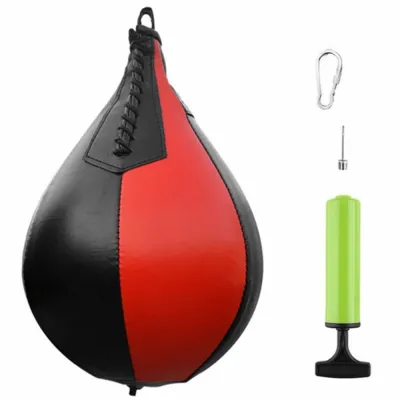
Finally, establish a simple routine maintenance checklist to keep your equipment safe and functional. Before every workout, quickly check that all mounting bolts and swivel screws are tight, as the constant vibration can gradually back them out. Use a low-pressure hand pump and a pressure gauge to keep the bag inflated to the manufacturer’s specified pressure; over-inflating the bag can split the stitched seams or rupture the internal bladder, while under-inflation will cause a sluggish, inconsistent bounce.
Frequently Asked Questions (FAQ)
Can I mount a speed bag platform on a hollow block wall?
Yes, you can mount a speed bag platform on a concrete hollow block (CHB) wall, which is a very common wall type in residential construction in the Philippines. However, you must use heavy-duty steel sleeve anchors, wedge anchors, or specialized hollow-wall masonry anchors rather than standard wood screws or plastic wall plugs. It is highly recommended to drill your mounting holes into the solid concrete mortar joints or the solid concrete columns if they are accessible, rather than the thin, hollow center of the blocks, to ensure maximum holding power. If you are unsure of the wall’s structural strength, consult a local carpenter or contractor to assist with the installation.
What is the ideal height for a speed bag platform?
The ideal height for a speed bag platform is set by aligning the widest part of the inflated bag—often referred to as the belly—directly with your eye level or nose when you are standing upright in your boxing stance. This positioning allows you to strike the bag with horizontal, circular punches without having to reach uncomfortably upward or downward. If multiple people of different heights will be using the same home training corner, it is highly recommended to invest in a wall-mounted platform with an adjustable vertical track system, allowing you to quickly slide the board up or down and lock it securely in place for each user.
Do I need gloves or hand wraps for speed bag training at home?
While you do not need heavy, padded sparring gloves for speed bag training, it is highly recommended to wear lightweight bag gloves, gel quick-wraps, or traditional hand wraps. The constant, high-speed friction of the spinning bag against bare knuckles can easily cause painful skin abrasions, blisters, and minor joint irritation over long sessions. Wearing wraps or light gloves protects your skin from friction burns, absorbs sweat to keep the bag clean, and provides light support to the small bones in your hands and wrists as you practice your rhythm.
Community discussion
Share your experience or ask a question. Comments are reviewed before publication.