
Selecting the best Speedo goggles case for your child’s swimming lessons in the Philippines requires balancing physical protection with smart moisture control. In a tropical climate, a closed, damp swim bag quickly becomes a breeding ground for mold and bacteria, which can ruin expensive swim gear. The ideal case must shield delicate anti-fog lenses from scratches caused by keys, zippers, and kickboards, while allowing trapped pool water to evaporate safely.
For most parents, a semi-rigid EVA (ethylene-vinyl acetate) case with built-in drainage holes offers the ultimate balance of crush resistance and ventilation. If your child tends to cram their gear into a tightly packed school backpack alongside heavy textbooks and water bottles, a hard-shell case is indispensable. Conversely, if they carry a dedicated, lightweight swim drawstring bag, a breathable soft mesh pouch may provide the airflow needed to keep mildew at bay.
Evaluating your child’s packing habits, the venue of their lessons, and how the gear is transported home will guide you to the right choice. Investing in a dedicated protective case not only extends the lifespan of their Speedo goggles but also ensures your child enjoys clear, leak-free vision during every training session.
Products mentioned in this guide
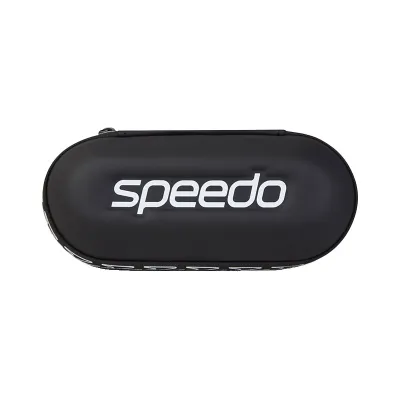
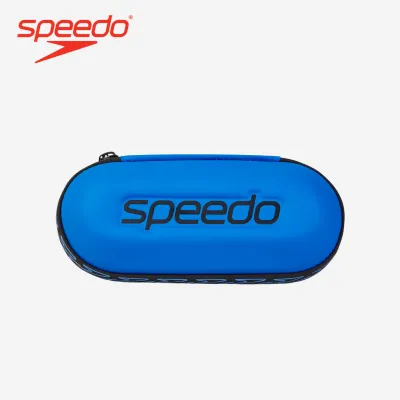
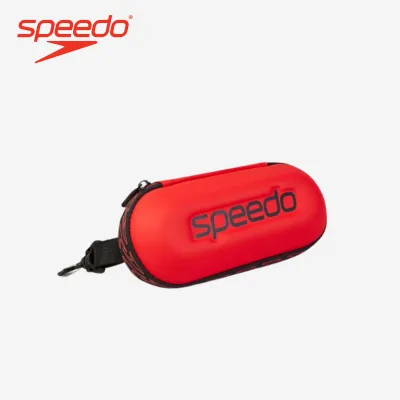
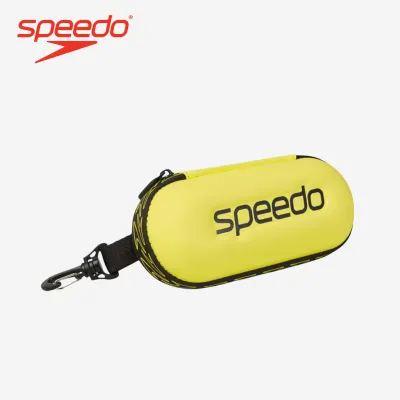
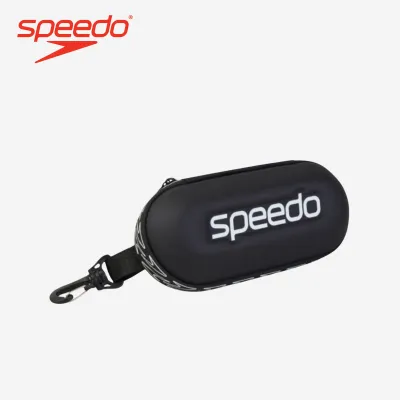
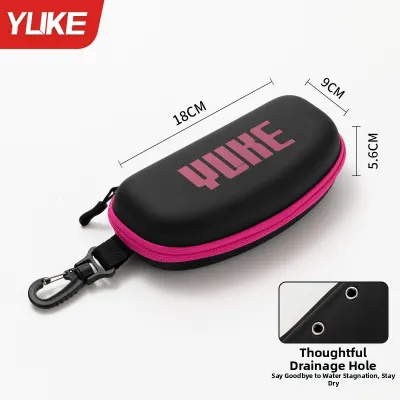
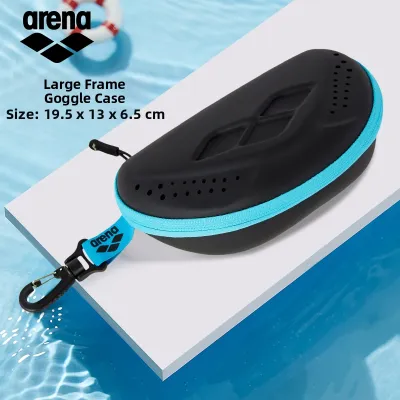
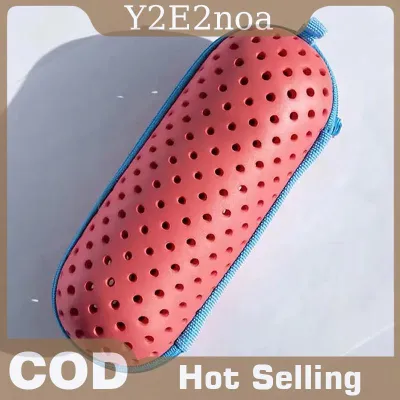
Prices are valid at publication and may change. Please refer to the product page for the latest price.
Core Criteria for Choosing a Kids' Speedo Goggles Case
Protection Level: Crush Resistance vs. Scratch Protection
The primary job of any goggles case is to safeguard the lenses and frame from physical damage. Kids’ swim bags are often chaotic environments, subjected to being dropped, stepped on, or thrown into school lockers. A case with high crush resistance prevents the frame of the goggles from warping, which can ruin the watertight seal and cause leaks during lessons.
Scratch protection is equally vital for maintaining clear vision in the water. Speedo kids’ goggles feature specialized inner lens coatings designed to prevent fogging. If these coatings rub against rough fabrics, keys, or loose coins in a bag, they will scratch or peel off, rendering the goggles frustrating to use. A soft, non-abrasive interior lining is a non-negotiable feature for preserving these delicate surfaces.
Parents should assess how their children handle their bags. If the bag is frequently tossed around or used as a seat during pool-deck waiting times, prioritize a rigid exterior. If the bag is handled gently and the goggles are stored in a dedicated, isolated pocket, a lighter scratch-protection pouch will suffice.
Size and Portability in Kids' Swim Bags
Children’s swim bags are frequently packed to capacity with towels, a change of clothes, slippers, toiletries, and training aids. A goggles case that is excessively bulky will either be left behind or forced into a tight spot, putting pressure on the other contents. The case should feature a compact footprint that slides easily into side pockets or clips onto the exterior of the bag.
Weight is another factor to consider for younger swimmers. Heavy plastic cases add unnecessary load to a child’s shoulders during their commute to the pool. Selecting a lightweight yet structurally sound case ensures that your child can carry their own gear comfortably, fostering a sense of independence and responsibility for their equipment.
Consider cases equipped with external attachment points. A sturdy plastic clip or carabiner allows the case to hang on the outside of the backpack. This design feature saves valuable interior space and keeps the damp case isolated from dry schoolbooks or clothing.
Moisture Management in Tropical Climates
The high humidity levels across the Philippines pose a unique challenge for storing wet swim gear. When wet goggles are sealed inside an airtight container, the trapped moisture cannot escape, leading to rapid bacterial growth and mold. This not only creates unpleasant odors but can also cause eye irritation or infections.
To combat this, look for cases designed with active ventilation features. Mesh panels, drainage grommets, or perforated shells allow air to circulate freely, initiating the drying process even while the goggles are inside the bag. This moisture control is essential for protecting both the physical integrity of the silicone straps and the hygiene of the eyewear.
In coastal areas or outdoor pools where humidity is exceptionally high, ventilation becomes even more critical. A fully sealed case will trap chlorinated water vapor, which can accelerate the breakdown of the goggle’s silicone gaskets and yellow the clear plastic frames over time.
Comparing Speedo Goggles Case Types for Swim Bags
Hard Shell Protective Cases
Rigid protective cases, typically made from molded EVA foam or heavy-duty plastic, offer the highest level of physical defense. These cases maintain their shape regardless of how much external pressure is applied, making them the safest option for disorganized or heavily packed bags. If your child’s swim gear is regularly squished under heavy schoolbooks or sports equipment, a hard shell is the most reliable choice.

Beyond crush resistance, quality hard cases feature secure zipper closures that prevent the goggles from slipping out and getting lost. The structured interior also keeps the goggles in a fixed position, minimizing movement that could lead to internal scuffing. This stability is particularly beneficial for high-performance junior goggles with delicate nose bridges.
However, the main trade-off with hard-shell cases is their lack of natural breathability. To prevent moisture buildup, parents must look for specialized hard cases that feature integrated ventilation holes or mesh inserts. Without these drainage paths, a hard case must be opened immediately upon returning home to allow the interior and the goggles to dry completely.
When shopping in the Philippines, expect quality hard-shell cases to range from ₱400 to ₱1,200, depending on the brand, closure quality, and ventilation features. Verify that the zipper is made of rust-resistant plastic rather than metal, which can corrode quickly when exposed to chlorine and salty air.
Soft Mesh and Fabric Pouches
Soft mesh and fabric pouches represent the lightweight, highly breathable alternative to rigid cases. Constructed from quick-drying nylon or polyester mesh, these pouches allow maximum airflow around the wet goggles. This rapid evaporation is incredibly effective at preventing the sour, musty smells that often plague kids’ swim gear in warm climates.
These pouches are also highly compressible, meaning they take up virtually no space when empty. They can easily be tucked into a tiny pocket or even folded away. For older children who are disciplined enough to pack their bags carefully, a mesh pouch provides a simple, low-profile solution that keeps their goggles organized and dry.
The obvious limitation of soft pouches is their complete lack of crush protection. If a heavy water bottle or kickboard is dropped onto a mesh pouch, the goggles inside will absorb the entire impact. This can result in cracked lenses, bent frames, or snapped straps, meaning parents must teach their children to pack these pouches only in designated, safe compartments.
These pouches are highly affordable, usually priced between ₱150 and ₱400. They are excellent for swimming lessons where the child immediately transfers their gear to an open-air drying rack after class.
Silicone or Clip-On Lens Covers
Silicone lens covers are a minimalist innovation designed to protect the outer surface of the goggle lenses without the bulk of a full case. These soft shields stretch or snap directly over the front of the eyepieces, preventing scratches while leaving the strap exposed. They are incredibly compact and add zero noticeable weight to the swim bag.
This design is exceptionally well-suited for younger children who find zipping and unzipping cases tedious or frequently lose separate accessories. Because the cover can often remain attached to the goggle strap via a small loop, it is much harder for a child to misplace it on the pool deck during their lesson.
Despite their convenience, silicone covers offer no protection for the goggle frame or the inner anti-fog coating from dust and debris. They also require a precise fit; a cover that is too loose will slip off in the bag, while one that is too tight can warp the eyepieces. Parents must carefully verify compatibility with their child’s specific Speedo model before choosing this option.
These covers generally cost between ₱300 and ₱600. They are best suited for children who use small, low-profile racing goggles and carry their gear in a highly organized, dedicated swim bag.
Pre-Purchase Checklist: Fit, Ventilation, and Durability
Goggle Compatibility and Internal Dimensions
Before purchasing any case, it is vital to measure your child’s goggles and compare them to the case’s internal dimensions. Speedo offers a wide range of junior eyewear, from low-profile racing goggles like the Junior Vanquisher to larger, mask-style goggles like the Biofuse Junior. A case designed for sleek racing goggles will not accommodate a wide-view mask without dangerously bending the frame.
When goggles are forced into a case that is too small, the constant pressure can warp the silicone gaskets, leading to chronic leaks during swim lessons. Conversely, a case that is too large allows the goggles to rattle around, increasing the risk of the lenses rubbing against the interior walls. Aim for a snug but comfortable fit where the goggles lie flat without folding.
- Low-Profile Goggles (e.g., Speedo Vanquisher Junior): Require a slim, compact case. Avoid oversized cases to prevent excess movement.
- Recreational Goggles (e.g., Speedo Hydrospex Kids): Require a standard-sized case with moderate depth to accommodate the fixed, soft frame.
- Swim Masks (e.g., Speedo Biofuse Junior Mask): Require a deep, wide-set case. Standard cases will crush the large silicone skirt of a mask.
Closure Mechanisms for Small Hands
The type of closure on the case directly impacts how easily your child can use it independently. Zippers provide the most secure closure, ensuring that nothing falls out even if the bag is dropped. However, cheap zippers can easily jam, rust from exposure to chlorinated water, or snag on loose threads and wet towels. Look for molded plastic zippers with large, kid-friendly pull tabs.
Drawstrings and toggle locks are incredibly easy for younger kids to operate, but they do not seal the case completely, leaving room for dust to enter. Snap buttons and hook-and-loop fasteners are quick to open, but Velcro can degrade over time as it collects lint and hair from the swim bag. Choose a mechanism that matches your child’s fine motor skills and patience level.
Evaluating Ventilation Features
Effective ventilation is the key to longevity for both the case and the goggles in humid environments. Look for cases that feature physical metal or plastic grommets, laser-cut air holes, or dedicated mesh panels. These openings allow damp air to escape, reducing the humidity levels inside the case during the journey home.
Avoid cases that claim to be “waterproof” or “airtight” for everyday storage. While these designs are great for keeping dry items safe from splashes, they are highly detrimental when storing wet goggles. An airtight case seals the moisture in, creating a warm, humid environment that accelerates the degradation of the goggle’s silicone straps and anti-fog coatings.
Interior Lining Quality
The interior of the case must be incredibly soft to prevent micro-scratches on the lenses. Look for linings made from high-quality microfiber, soft brushed fleece, or smooth, seamless molded silicone. Avoid cases with exposed interior stitching, rough nylon seams, or hard plastic ridges, as these can easily scratch the lenses during transit.
Run your finger along the inside of the case before buying to check for any rough spots. If the case has an internal pocket for accessories like nose clips or earplugs, ensure that the pocket opening is positioned away from where the goggle lenses will rest. This prevents hard plastic accessories from coming into direct contact with the delicate eyewear.
Maintaining the Case and Preventing Mold in Humid Climates
Rinsing and Drying Routines
To keep both the goggles and the case hygienic, establish a simple post-lesson routine. After every swimming session, rinse the goggles and the inside of the case with clean, cool tap water. This removes residual chlorine, salt, sand, and sweat, which can degrade the materials and cause unpleasant odors over time.
After rinsing, shake off excess water and place both items in a shaded, well-ventilated area to dry completely. Never leave them to dry in direct, intense sunlight, as extreme heat can warp the plastic case, melt the silicone seals on the goggles, and destroy the anti-fog coating. A shady spot outdoors or a well-ventilated room indoors is ideal.
- Step 1: Rinse the goggles and case in fresh tap water immediately after returning home.
- Step 2: Gently shake off excess water; do not wipe the inside of the goggle lenses.
- Step 3: Open the case fully and lay it flat next to the goggles on a clean towel.
- Step 4: Allow both to air-dry in a shaded, breezy area away from direct sunlight.
Cleaning the Case Interior Safely
Over time, the interior of a goggles case can accumulate dirt, body oils, and chlorine residue. To clean fabric, mesh, or EVA cases, hand wash them using lukewarm water and a few drops of mild, fragrance-free dish soap or baby shampoo. Gently scrub the interior with a soft cloth or your fingers, paying close attention to the corners and seams.
Rinse the case thoroughly with clean water to ensure no soapy residue remains. Fumes from leftover soap can react with the chemical anti-fog coating on the goggles, causing it to fail or smear. Allow the case to air-dry completely in a breezy spot before placing the goggles back inside. Avoid using washing machines or tumble dryers, as the heat and agitation can ruin the case’s structure.
Identifying and Preventing Mold
In the humid climate of the Philippines, mold and mildew can develop rapidly on damp gear. Inspect your child’s goggles case weekly for early signs of mold, which include tiny black or green spots, a slimy texture, or a persistent musty smell. If you notice any of these signs, clean the case immediately with a mild sanitizing solution.
If mold has deeply penetrated the fabric of a soft mesh pouch or the seams of a hard case, it is safest to replace the case entirely. Mold spores can easily transfer from the case to the goggle gaskets, putting your child at risk of eye irritation or infections during their swimming lessons. Regular washing and thorough air-drying are your best defenses against mold buildup.
Frequently Asked Questions (FAQ)
Can I use a generic hard case for Speedo kids' goggles?
Yes, you can use a generic hard case, but you must carefully verify the dimensions and interior materials first. Some Speedo kids’ goggles, especially junior mask-style models, have unique, wide-set frames that may not fit comfortably inside standard, flat generic cases. If the case is too shallow, it will press against the lenses, potentially damaging the anti-fog coating or warping the silicone seal. Always ensure the generic case has a soft, scratch-free lining and adequate ventilation to prevent moisture retention.
Should kids pack their goggles wet or dry after a lesson?
Kids should gently shake off excess water and pat the outside of the goggles dry with a towel before packing them into a ventilated case. Never wipe or rub the inside of the lenses, as this will scratch or wear away the delicate anti-fog coating. Packing them slightly damp in a ventilated mesh or perforated case is perfectly safe for the commute home, provided the goggles are taken out and allowed to air-dry completely once you arrive. Never leave wet goggles sealed in an airtight plastic bag or a non-ventilated case.
How do I remove the smell from a soft goggles pouch?
To remove stubborn, musty odors from a soft fabric or mesh goggles pouch, hand wash it in lukewarm water mixed with a tablespoon of baking soda or a few drops of mild baby shampoo. Gently massage the fabric to break down trapped oils and chlorine residue, then rinse it thoroughly with clean water. Hang the pouch to dry in a shady, breezy outdoor area or near a fan indoors. Avoid using harsh chemical bleach, fabric softeners, or direct midday sunlight, as these can break down the synthetic fibers and ruin the pouch.
Community discussion
Share your experience or ask a question. Comments are reviewed before publication.