
Selecting the right step exercise equipment for a compact condominium in the Philippines requires balancing space constraints, noise mitigation, and fitness versatility. Urban living in major metropolitan areas like Metro Manila often means working with limited floor plans, where bulky fitness machines like treadmills or stationary bikes are impractical. Compact step platforms and mini steppers offer an excellent alternative, delivering high-intensity cardiovascular workouts and effective lower-body toning within a highly manageable footprint.
These versatile fitness tools allow you to perform a wide range of exercises—from traditional aerobic stepping and high-intensity interval training (HIIT) to strength-focused movements like elevated lunges, tricep dips, and incline push-ups. Because they are lightweight and easy to store, they can be quickly tucked under a bed, inside a closet, or behind a sofa when your workout is complete. This makes them a highly practical solution for maintaining an active lifestyle without sacrificing valuable living space.
To help you find the ideal setup for your home, this guide covers the core benefits of step workouts in a condo environment, the essential features to look for when shopping, and the top types of step platforms available in the local market. By understanding these key factors, you can select a durable, quiet, and space-efficient platform that aligns with your fitness goals and respects your shared living environment.
Products mentioned in this guide
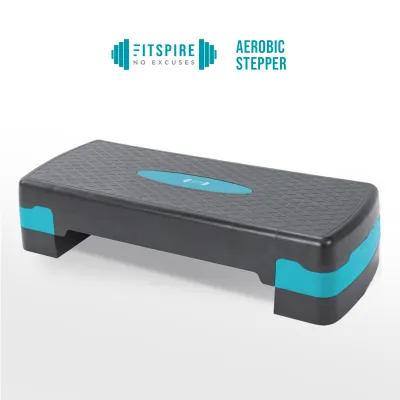
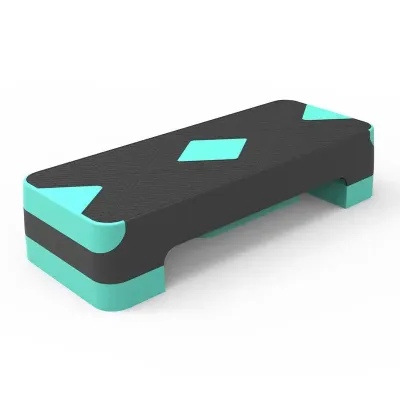
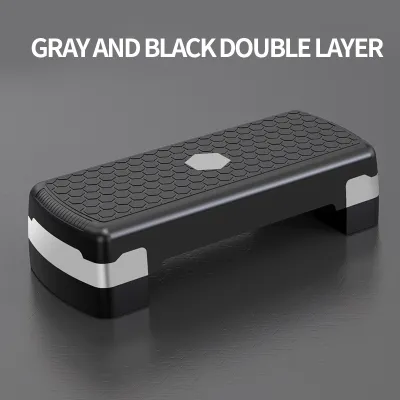
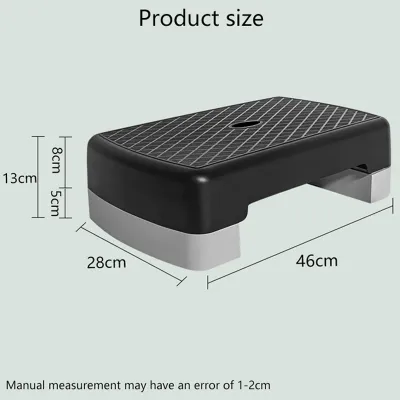
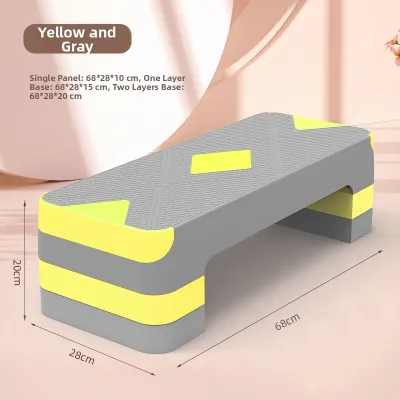
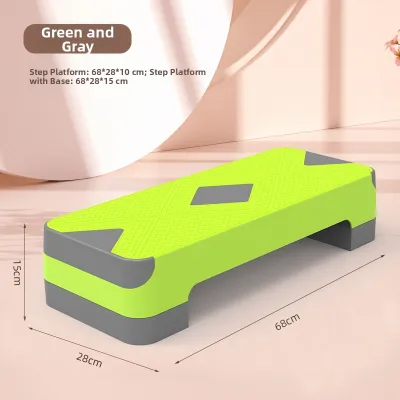
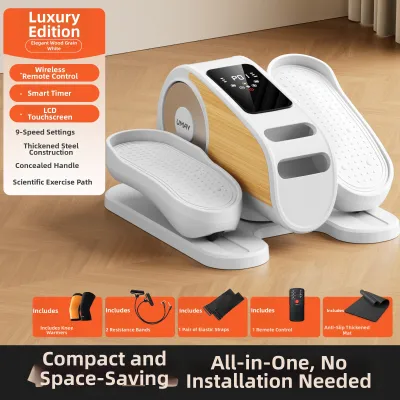
Prices are valid at publication and may change. Please refer to the product page for the latest price.
Why Step Equipment Is Ideal for Condo Workouts
One of the most compelling reasons to choose step exercise equipment for a condo gym is its exceptional space efficiency. Traditional cardio machines often require a permanent footprint of at least one to two square meters, along with dedicated electrical outlets and significant clearance space. In contrast, a step platform or mini stepper occupies a fraction of that space during use and can be completely cleared away afterward, keeping your living area open and clutter-free.
Beyond space savings, stepping provides highly effective cardiovascular conditioning with a lower risk of joint strain compared to high-impact activities like running on asphalt or concrete. The stepping motion naturally elevates your heart rate, strengthening your cardiovascular system and burning calories efficiently. Because one foot typically remains in contact with the platform or the ground during basic routines, the impact on your knees, ankles, and lower back is minimized, making it an excellent option for daily home workouts.
Furthermore, step platforms are highly versatile tools for full-body conditioning. They are not limited to steady-state cardio; you can easily integrate them into strength and resistance routines. For instance, using the platform as an elevated base allows you to perform deep tricep dips, elevated plank variations, and Bulgarian split squats. This multi-functional capability eliminates the need to purchase separate benches or specialized strength-training gear.
Finally, step workouts are perfectly suited for typical condominium architectural layouts. Most modern condo units in the Philippines feature standard ceiling heights ranging from 2.4 to 2.7 meters. Because step platforms generally raise your standing height by only 10 to 25 centimeters, they provide ample overhead clearance. This allows you to perform dynamic movements safely without any risk of contacting ceiling fans, light fixtures, or low-hanging beams.
Essential Features for Compact Step Equipment
Footprint and Storage
When evaluating step platforms for a small space, physical dimensions are a primary consideration. You must assess both the active footprint—the space required to perform exercises safely—and the storage footprint. Classic aerobic benches are typically long and narrow, often measuring around 90 to 100 centimeters in length. If storage space is exceptionally tight, look for stackable models where the risers lock directly into the underside of the platform, or opt for vertical mini steppers that occupy less than 0.2 square meters of floor space.

Noise and Vibration Control
In shared residential buildings, minimizing noise transmission to adjacent units is crucial for maintaining good neighbor relations. The physical impact of stepping can generate structure-borne vibrations that travel easily through concrete floor slabs. To mitigate this, prioritize equipment designed with thick rubber feet or shock-absorbing thermoplastic elastomer (TPE) bases. If you are choosing a mechanical mini stepper, look for models equipped with smooth hydraulic cylinders and rubber bumper stops that prevent loud metal-on-metal clicking at the end of each stroke.
Surface Grip and Safety
The tropical climate of the Philippines brings high humidity, which quickly leads to increased perspiration during indoor workouts. A slick stepping surface poses a serious safety hazard. Ensure any platform you select features a deeply textured, non-slip rubber or high-grade plastic top surface. This textured pattern provides reliable traction even when wet, preventing slips and ensuring stable foot placement during rapid lateral movements or high-impact jumps.
Height Adjustability and Weight Capacity
To keep your workouts challenging over time, choose a platform that offers adjustable height settings. Aerobic benches typically adjust between 10, 15, and 20 centimeters using interlocking risers, allowing you to scale the intensity of your cardio and strength routines. Additionally, always verify the manufacturer’s rated weight capacity. High-quality platforms are typically rated to support between 110 kg and 150 kg, ensuring the structure remains stable and secure under dynamic loads.
Top Step Platform Types for Limited Spaces
Adjustable Aerobic Step Benches
Adjustable aerobic step benches are the classic choice for fitness enthusiasts who want a versatile, gym-quality workout at home. These platforms feature a long, rectangular design supported by block-style risers on either end. Highly regarded models available in the local market, such as the Reebok Step or the Decathlon Domyos Comfort Step, are widely utilized for their exceptional durability and secure interlocking mechanisms. These benches are ideal for traditional step choreography, rapid lateral plyometrics, and as a sturdy base for dumbbell chest presses or bodyweight core exercises.
While highly versatile, these benches do require a larger active footprint during your workout to accommodate wide lateral steps and off-bench lunges. Additionally, storing the detached risers can require a bit of extra closet or shelf space if you do not keep them permanently attached to the main deck. However, for users who prioritize a wide variety of exercises and traditional aerobic routines, the classic adjustable bench remains an unmatched option.
Mini Steppers with Resistance Bands
For condo dwellers with extremely limited floor space, mini steppers with integrated resistance bands offer a highly compact, vertical-stepping solution. These devices, such as the Decathlon Domyos MS500 or the Core Mini Stepper found in local specialty fitness stores, utilize dual hydraulic pistons to simulate the action of climbing stairs. The addition of heavy-duty elastic resistance bands attached to the base allows you to perform bicep curls, lateral raises, and shoulder presses simultaneously, delivering a highly efficient full-body workout in a single, stationary spot.
Because the movement is strictly vertical and lateral travel is minimal, you only need enough floor space to stand on the machine. The primary limitations of mini steppers include a lower maximum weight capacity compared to heavy-duty benches and a design that is not suited for high-impact jumping or rapid side-to-side agility work. The hydraulic cylinders can also warm up during continuous use, meaning workouts are typically best kept under 30 to 45 minutes per session to prevent premature wear on the seals.
Foldable or Under-Desk Steppers
Foldable or low-profile under-desk steppers are designed specifically for active recovery, light cardio, and multitasking. These ultra-compact units often feature a simplified mechanical design or a flat-folding frame that allows them to slide completely flat under a bed or desk. They are popular among remote workers in the Philippines who want to accumulate steps and maintain circulation while working at a standing desk or watching television.
These devices operate quietly, often utilizing low-friction hydraulic cylinders or magnetic resistance systems to avoid distracting phone calls or virtual meetings. However, they do have notable trade-offs. The range of motion is typically shorter than that of standard mini steppers, resulting in a lower overall calorie burn. They also lack height adjustability and are not designed to support high-intensity, explosive athletic movements.
How to Choose the Right Step Platform for Your Space
To determine which step exercise equipment best matches your lifestyle, fitness goals, and home layout, it is helpful to compare the core characteristics of each option. The table below outlines the key differences in performance, footprint, and suitability:
| Equipment Type | Best For | Space Required (Footprint) | Noise Level | Key Limitation |
|---|---|---|---|---|
| Adjustable Aerobic Bench | High-intensity cardio, strength training, and full-body versatility | Moderate (~100 cm x 40 cm active area) | Low to Moderate (depends on impact) | Requires dedicated storage for detached risers |
| Mini Stepper with Bands | Compact lower-body cardio and simultaneous upper-body toning | Minimal (~40 cm x 35 cm active area) | Low (quiet hydraulic glide) | No lateral movements; hydraulic heat limits session length |
| Foldable / Under-Desk Stepper | Active recovery, low-intensity multitasking, and easy storage | Minimal (~45 cm x 30 cm active area) | Very Low (designed for quiet environments) | Limited range of motion and lower workout intensity |
Before making a purchase, measure your intended workout area carefully. Ensure you have a clear zone of at least 1.5 meters by 1.5 meters around the equipment. This clearance is necessary to prevent your arms or legs from striking nearby furniture, walls, or television stands during dynamic movements.
Additionally, take a moment to review your condominium corporation’s house rules regarding noise and fitness equipment. Many residential buildings in the Philippines enforce strict quiet hours, typically from 10:00 PM to 6:00 AM. Choosing quieter equipment, such as a mini stepper with smooth hydraulics, or committing to using a thick, shock-absorbing floor mat will help you stay active without causing any disturbance to those living nearby.
Safe Setup and Floor Protection for Condos
To protect your condo’s flooring and ensure a safe workout environment, never place your step equipment directly on bare tile, vinyl planks, laminate, or engineered wood. The repetitive impact and pressure from stepping can cause plastic or metal bases to scratch delicate finishes, crack ceramic tiles, or leave permanent indentations. Placing a high-density PVC or EVA foam exercise mat (at least 6 millimeters thick) underneath your equipment is highly recommended. This mat serves as a protective barrier, dampens sound transmission, and prevents the equipment from sliding during use.
Establishing a quick pre-workout safety routine is also essential for preventing accidents. Before stepping onto the platform, perform these quick checks:
- Verify Stability: Ensure the platform is resting on a completely flat, level surface with no wobbling.
- Lock All Components: Double-check that all adjustable risers or locking pins are fully engaged and clicked securely into place.
- Clean the Base: Inspect the rubber feet on the bottom of the equipment to ensure they are free of dust, hair, or debris, which can significantly reduce their grip on the floor mat.
In addition to daily checks, perform regular maintenance to extend the lifespan of your equipment. If you are using a mini stepper, inspect the hydraulic cylinders periodically for any signs of oil leaks, especially during hot, humid months when seals can degrade more rapidly. Check any integrated resistance bands for micro-tears, cracking, or fraying along their length. If you notice any unusual squeaking, loose joints, or structural wear, stop using the equipment immediately and consult the manufacturer’s care guidelines or contact a qualified technician.
Finally, always pay close attention to your vertical clearance. If you live in a loft-style condo or a unit with dropped decorative ceilings, stand on your platform at its highest setting and check the space above you. Ensure you have at least 30 to 50 centimeters of clearance above your head when standing upright. This precaution prevents accidental head injuries during high-energy jumping movements or when performing overhead dumbbell presses.
Frequently Asked Questions (FAQ)
Can I use a step platform directly on laminate or hardwood condo floors?
Using a step platform directly on laminate or hardwood flooring is not recommended. The friction and repetitive impact of your workouts can quickly scratch, dent, or scuff the floor’s protective finish. Additionally, direct contact allows impact vibrations to travel unimpeded through the floor structure, amplification noise for the residents living directly below you. Always place a high-density, non-slip fitness mat under the platform to protect your floors and dampen sound.
How much weight can a typical compact mini stepper support?
Most high-quality, compact mini steppers are designed to support a maximum weight capacity ranging from 100 kg to 120 kg. However, because frame construction and hydraulic cylinder ratings vary significantly between brands, you should always verify the exact weight limit specified on the product’s packaging, user manual, or manufacturer label. Exceeding the recommended weight limit can lead to bent frames, fluid leaks in the hydraulic pistons, or sudden mechanical failure.
Are step workouts enough for a complete home gym routine?
While step platforms and mini steppers are highly effective for building cardiovascular endurance and toning the lower body (including the glutes, hamstrings, and calves), they do not provide a complete, balanced fitness routine on their own. To achieve balanced physical conditioning, you should supplement your stepping workouts with dedicated upper-body resistance training, core exercises, and flexibility work. Integrating bodyweight movements like push-ups, planks, and stretches alongside your step routine will help you build a well-rounded home fitness program.
Community discussion
Share your experience or ask a question. Comments are reviewed before publication.