
Finding the ideal tool for exercise stick stretching in the Philippines depends on your flexibility goals, your physical stature, and your practice environment. Because the tropical climate brings high humidity and frequent temperature shifts, a stick’s material is the most critical factor to consider. For those practicing in non-air-conditioned spaces or hot yoga studios, moisture-resistant materials like fiberglass or sealed hardwoods are the most practical choices to prevent mold and maintain a secure grip.
In general, traditional solid wood sticks provide the best rigid support for alignment, modern fiberglass composites offer lightweight flexibility that is gentle on joints, and collapsible aluminum or plastic models serve those who need portability. By matching these material properties to your daily routine, you can safely deepen your stretches and improve your overall posture.
How to Choose an Exercise Stick for Stretching and Yoga Practice
To select the right tool for your routine, you must look beyond aesthetics and evaluate how the physical specifications of the stick align with your body and your environment. A mismatched tool can lead to poor form, slipping, or joint strain.
Products mentioned in this guide
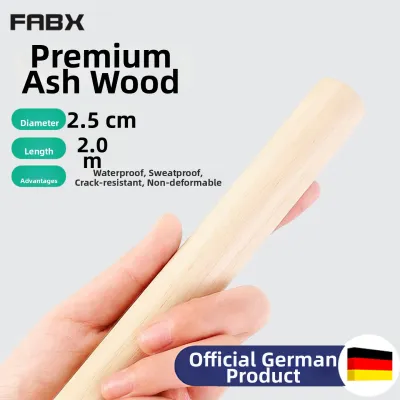

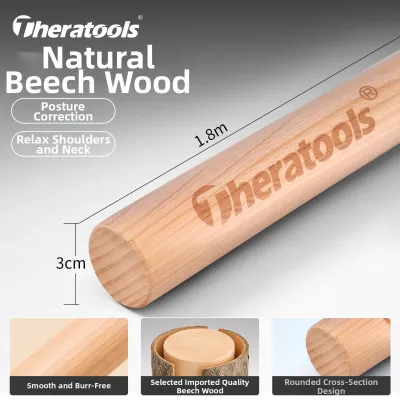
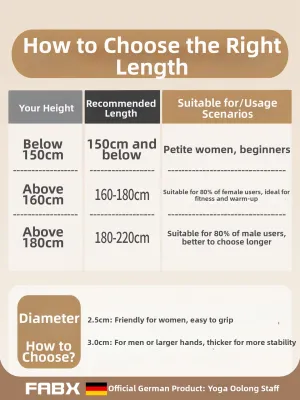

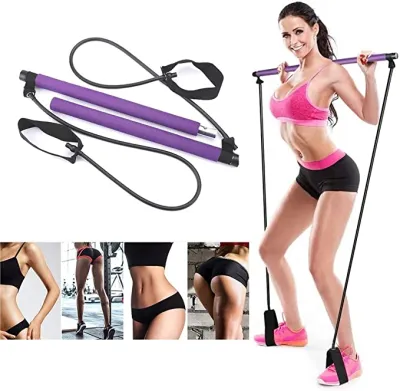
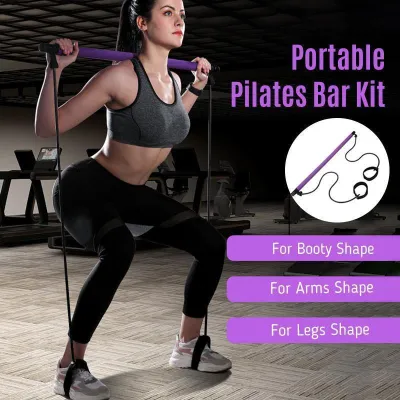
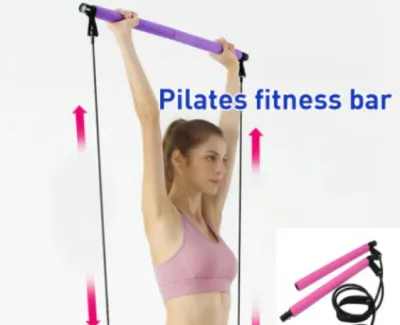
Prices are valid at publication and may change. Please refer to the product page for the latest price.
Material Selection and Climate Resilience
The material of your stick determines its tactile feedback, weight, and longevity. In the Philippines, where relative humidity often exceeds 80 percent, natural materials behave differently than synthetic ones. Unfinished wood can absorb sweat and atmospheric moisture, leading to warping, splintering, or fungal growth over time. If you prefer the organic feel of wood, ensure it has a high-quality, non-toxic polyurethane or acrylic sealant.
Synthetic composites, such as fiberglass or reinforced plastics, are completely impervious to moisture. They do not warp when exposed to sweat and are easy to sanitize after a vigorous session. However, some practitioners find synthetic surfaces slicker when wet, which may require the addition of textured grip tape or the use of yoga gloves.
Length and Leverage Requirements
The length of the stick dictates the leverage you can generate during a stretch. Standard lengths range from 36 to 48 inches (approximately 91 to 122 centimeters). Choosing the correct length is primarily a function of your height and shoulder width.
If you are under 5’4″ (162 cm), a 36-inch stick is typically sufficient for upper-body openers and basic alignment checks. Taller individuals or those with exceptionally tight shoulders will benefit from a 48-inch stick, which allows for a wider hand placement during overhead passes or chest-opening postures. Using a stick that is too short forces your shoulders into unnatural rotation, which can cause impingement or acute discomfort.
Diameter and Grip Ergonomics
A comfortable grip is essential for maintaining control during deep, sustained holds. Most stretching sticks feature a diameter between 1 and 1.5 inches (2.5 to 3.8 centimeters).
A thinner diameter (around 1 inch) is ideal for individuals with smaller hands, allowing for a secure wrap-around grip. A thicker diameter (1.5 inches) distributes pressure more evenly across the palm, which can reduce hand fatigue during long restorative sessions. Look for sticks with textured patterns, rubberized sleeves, or contoured middle sections that provide tactile reference points for consistent hand placement.
Weight and Balance
The weight of the stick affects how much effort is required to stabilize it during dynamic mobility drills. A stick that is too heavy can fatigue your stabilizing muscles before you reach your target stretch, while a stick that is too light might not provide enough sensory feedback to help you monitor your alignment.
For active mobility work and high-repetition shoulder dislocates, a lightweight composite stick weighing under 500 grams is ideal. For passive, gravity-assisted stretches where the stick acts as a grounding anchor, a heavier solid wood option weighing between 800 grams and 1.2 kilograms offers superior stability.
Skill Level and Practice Venue
Your experience level and where you choose to practice also play a major role in your selection. Beginners often struggle with spatial awareness and body alignment. For these individuals, a highly rigid wooden stick acts as an external reference point, making it easier to sense whether the shoulders are level or if the spine is rounding.
Advanced practitioners, who already possess a strong mind-body connection, may use the stick to deepen their active range of motion or for high-velocity mobility drills. In these scenarios, a lightweight, slightly flexible composite stick is superior because it allows for rapid, fluid transitions without adding unnecessary momentum that could strain the rotator cuff. Additionally, if you frequently practice outdoors in tropical parks or beach settings, a synthetic or highly sealed stick is mandatory to withstand the elements, whereas an indoor home gym allows for more delicate wood finishes.
Top Stretching Stick Types for Flexibility and Yoga
Different styles of yoga and mobility training call for distinct equipment designs. Understanding the strengths and limitations of each category will help you invest in a tool that integrates seamlessly into your wellness routine.

Traditional Wooden Yoga Sticks
Traditional wooden sticks, often inspired by the classic yoga Danda, are highly valued by purists who appreciate natural materials. These sticks are typically crafted from dense hardwoods like beech, ash, or local sustainable timbers.
The primary advantage of solid wood is its absolute rigidity. When you press against a wooden stick, there is zero deflection, providing a reliable, unyielding anchor for alignment checks and deep spinal twists. This rigidity is particularly useful for restorative poses where you rest your body weight against the stick to decompress the spine or support the limbs.
A classic pose that benefits immensely from a wooden stick is Parsvottanasana (Pyramid Pose). Placing the stick vertically along your spine—ensuring it touches the back of your head, your thoracic spine, and your sacrum—provides immediate tactile feedback. If the stick loses contact with any of these three points as you hinge forward, you know your spine is rounding, allowing you to correct your posture instantly.
However, wooden tools require consistent upkeep in tropical climates. To prevent the wood from absorbing sweat, you must wipe it down immediately after use and store it in a cool, dry, well-ventilated area away from direct sunlight. Unsealed or poorly finished wooden sticks can develop rough patches or splinters, which pose a direct safety risk to your skin and yoga wear.
Fiberglass and Composite Sticks
Modern synthetic sticks made from fiberglass or carbon fiber composites represent the cutting edge of mobility equipment. These materials are engineered to withstand high stress while remaining incredibly lightweight.
One of the unique characteristics of fiberglass is its subtle lateral flex. Unlike rigid wood, a fiberglass stick can bend slightly under high pressure, acting as a buffer that absorbs sudden movements. This slight give is highly beneficial for practitioners recovering from shoulder or joint injuries, as it reduces the harshness of deep, end-range stretches.
Fiberglass sticks are the premier choice for shoulder flossing (also known as shoulder pass-throughs). In this exercise, you hold the stick with a wide grip and rotate your arms from your hips, over your head, and down to your lower back. Because the shoulder joint is complex and easily strained, the subtle lateral flex of a fiberglass stick provides a gentle safety buffer if your shoulders tighten mid-rotation, preventing acute joint pinching.
Additionally, composites are entirely waterproof and sweatproof. You can wash them with standard soap and water or sanitize them with alcohol wipes without worrying about degrading the material. The main trade-off is the aesthetic and tactile experience; synthetic sticks lack the warm, organic texture of wood and can feel cold or clinical to the touch.
Portable and Travel-Friendly Sticks
For practitioners who commute to studios in busy urban centers or travel frequently, standard single-piece sticks are highly impractical to transport. Portable stretching sticks solve this issue through collapsible, telescoping, or multi-piece screw-together designs.
These models are typically constructed from lightweight aluminum alloys or high-grade plastics, often featuring threaded joints or spring-loaded locking pins. When disassembled, they can easily fit into a standard backpack or a side pocket of a yoga bag, making them exceptionally convenient for outdoor sessions at local parks or beachside retreats.
Portable sticks are ideal for simple, standing side bends and gentle chest openers during outdoor travel. For instance, when practicing on a beach or a park, you can quickly assemble a three-piece aluminum stick to perform overhead lateral reaches. This helps stretch the intercostal muscles and latissimus dorsi after a long drive or flight, without the burden of packing a full-length, single-piece pole.
The primary compromise of a portable stick is its structural integrity. Every joint or connection point introduces a potential weak spot. Over time, threaded connections can wear down, and locking pins can loosen, leading to minor wobbling or clicking during use. Therefore, portable sticks are best reserved for light mobility work, active stretching, and travel, rather than high-load leverage exercises where your full body weight is supported by the tool.
Quick Comparison: Stretching Stick Materials
To help you synthesize these details, the table below compares the primary materials used in stretching sticks. This comparison highlights how each material performs under different environmental conditions and usage scenarios.
| Material Type | Best Use Case | Humidity/Sweat Resistance | Maintenance Level |
|---|---|---|---|
| Solid Hardwood | Traditional alignment, grounding, passive restorative poses | Low (prone to warping and mold if unsealed) | Medium (requires dry storage and occasional oiling) |
| Fiberglass/Composite | Active mobility, joint-friendly stretching, hot yoga | High (completely waterproof and sweatproof) | Low (simple wipe-down with soap and water) |
| Portable/Aluminum Hybrid | Travel, studio commuting, light active stretching | High (corrosion-resistant, though joints need dry storage) | Low to Medium (must check joints for wear and debris) |
When deciding on a material, cross-reference this table with your primary practice environment. If you frequently practice in non-air-conditioned spaces where humidity is high, a fiberglass or composite stick will save you significant maintenance effort. Conversely, if you practice in a dedicated, climate-controlled home studio, the tactile feedback of a premium solid hardwood stick can greatly enhance your mindfulness and connection to the practice.
Safe Stretching Techniques and Equipment Care
Using an exercise stick for stretching can dramatically accelerate your flexibility gains, but it also increases the leverage you can apply to your joints. Without proper caution, this added leverage can lead to overstretching or acute strain.
Understanding Safety Boundaries
The most critical rule when using a stretching stick is to distinguish between healthy muscle tension and joint discomfort. Muscle tension feels like a dull, warm pull across the belly of the muscle, which gradually dissipates as you hold the pose. Joint pain, by contrast, is sharp, pinching, or localized around a bone or tendon.
Always perform a brief, five-to-ten-minute warm-up to increase local blood flow before using the stick. Never force your body into a position using the stick as a lever to bypass your natural limits. If you feel your muscles shaking uncontrollably or if your breathing becomes shallow and ragged, immediately back out of the stretch.
Before using any stretching stick, check your specific product’s manual and the manufacturer’s safety instructions. If you have pre-existing joint conditions, injuries, or if instructions conflict, consult a certified physical therapist or sports medicine professional before proceeding.
Maintaining Proper Form
When performing overhead shoulder openers or chest stretches, keep your spine in a neutral position. A common mistake is arching the lower back to force the arms further behind the head. This compensation shifts the stress from your shoulders to your lumbar spine, increasing the risk of lower back pain.
Engage your core muscles and keep your ribs tucked down as you move the stick. If you cannot pass the stick overhead without arching your back, widen your grip on the stick or shorten your range of motion until your shoulder mobility improves over time.
Pre-Use Equipment Inspection
Before beginning any session, dedicate thirty seconds to inspecting your equipment. For wooden sticks, run your hands lightly along the shaft to check for any splinters, cracks, or rough spots that could snag your skin or clothing. If you find any imperfections, sand them down lightly and re-seal the area before using the stick again.
For composite and portable sticks, check the integrity of the joints and locking mechanisms. Ensure that screw-together threads are fully tightened and that spring-loaded pins are securely clicked into place. Never use a multi-piece stick if the joints show signs of bending, stripping, or excessive play, as a sudden failure under load can lead to a fall or joint hyperextension.
Equipment Cleaning and Maintenance
Proper care ensures your stretching stick remains safe to use and lasts for years. After every session, especially in warm climates, wipe down the entire length of the stick with a soft, damp cloth and a mild, non-abrasive soap.
For wooden sticks, dry them immediately with a clean towel; never allow moisture to air-dry on wood, as this can raise the grain and cause splinters. Avoid storing any stretching stick in direct sunlight, inside a hot car, or in a damp bathroom, as extreme heat and moisture can degrade adhesives, warp wood, and weaken composite fibers. Periodically inspect the stick for hairline cracks, splinters, or loose joints, and discontinue use immediately if any structural damage is detected.
Frequently Asked Questions (FAQ)
Can a stretching stick replace a yoga strap?
A stretching stick and a yoga strap serve different functional purposes and are complementary rather than interchangeable. A strap is flexible and tension-based, making it ideal for binding, pulling limbs closer, or wrapping around the feet to assist in deep forward folds. A stick, on the other hand, is rigid and provides structural leverage. It acts as an unyielding frame that helps you monitor spinal alignment, square your shoulders, and maintain consistent spacing between your hands during complex movements.
How long should I hold a stretch using a stick?
For active mobility drills and pre-yoga warm-ups, use dynamic movements where you hold the end range for only 1 to 2 seconds, repeating the movement for 10 to 15 repetitions. For static flexibility training, hold the stretch for 20 to 30 seconds while maintaining deep, diaphragmatic breathing. This duration allows the nervous system to signal the muscle fibers to relax, facilitating safe lengthening. Never hold a stretch to the point of sharp pain, and always release the tension slowly and mindfully.
Community discussion
Share your experience or ask a question. Comments are reviewed before publication.