
Quick Answer: What Surfboard Should an Adult Beginner Buy?
Choosing the right surfing board for adult beginners in the Philippines is the most critical decision you will make when starting your wave-riding journey. For the vast majority of adult learners, the absolute best starting option is an 8-foot to 9-foot soft-top (foamie) surfboard with a high volume of 70 to 90 liters.
Adults have a higher center of gravity and more body mass than children, meaning they require significantly more buoyancy and surface area to remain stable. A high-volume foam board provides the necessary flotation to make paddling efficient, catching waves easy, and standing up balanced. These user-friendly boards are highly accessible across major Philippine surf hubs and offer the safest, most forgiving platform to master fundamental surfing mechanics before transitioning to advanced equipment.
Key Selection Criteria for Adult Beginners
To find the ideal surfing board for adult learners, you must understand how specific design dimensions impact your performance in the water. Selecting a board is not about aesthetics; it is about matching the physics of the board to your physical profile and the waves you intend to ride.
Products mentioned in this guide
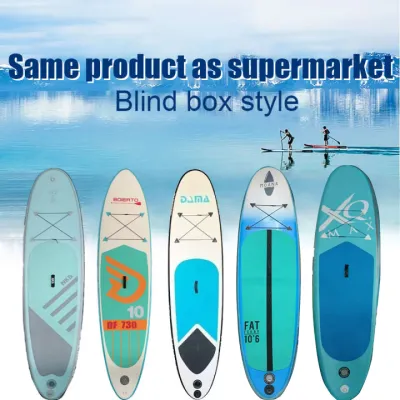
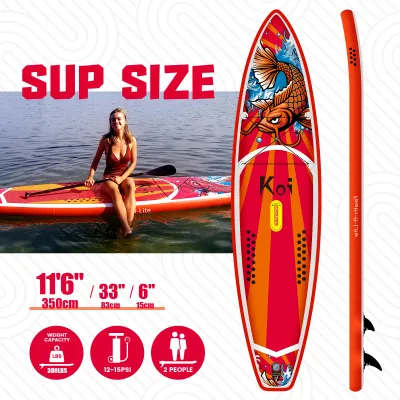
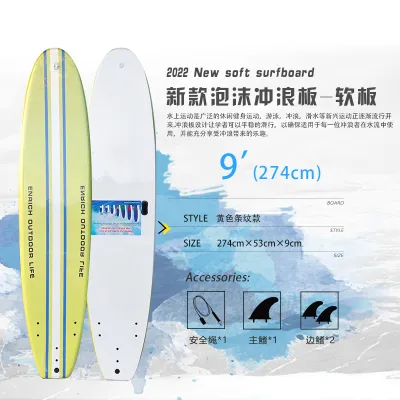
Prices are valid at publication and may change. Please refer to the product page for the latest price.

Length and Width
A beginner surfboard should measure between 8 and 9 feet in length, with a width of at least 21.5 to 23 inches. Length translates directly into paddle speed and glide. A longer board covers more distance with each paddle stroke, allowing you to match the speed of incoming waves much earlier. Width provides lateral stability, which acts as a safety net during the pop-up phase. When you transition from lying down to standing, a wide outline prevents the board from tipping side-to-side, giving you the stable platform needed to find your footing.
Volume and Buoyancy
Volume is measured in liters (L) and represents the total amount of space inside the board. For adult beginners, a volume range of 70L to 90L is highly recommended. Higher volume increases buoyancy, keeping your chest and torso high above the water line while paddling. This reduces hydrodynamic drag and conserves your energy during long sessions. To verify if a board has sufficient buoyancy for your weight, perform a calm-water check: when lying flat on the board in still water, your chest should remain comfortably above the surface rather than sinking into the water.
Material and Construction
The construction of your board dictates its durability, safety, and performance. Soft-top boards utilize an expanded polystyrene (EPS) core wrapped in a soft, high-density foam deck. This design is highly recommended for beginners because the soft material minimizes the risk of injury during inevitable wipeouts. In crowded beginner breaks, a foam deck also protects other surfers in the water. Hard-top boards, made from fiberglass-wrapped polyurethane (PU) or epoxy, offer more rigidity and speed but are highly susceptible to dings and can cause painful impacts.
Fin Setup
Most beginner surfboards feature a thruster setup, which consists of three fins of equal size. This configuration provides excellent directional stability and tracking, helping the board travel in a straight line down the wave face. The three fins work together to prevent the tail of the board from sliding out, offering predictable control as you practice standing and steering. Single-fin setups, while classic, require more nuanced weight distribution and are less forgiving for absolute novices.
Recommended Surfing Board for Adult Learners: Types for Philippine Waves
The diverse coastlines of the Philippines offer a wide variety of wave conditions, from the sandy beach breaks of San Juan, La Union, and Baler to the reef setups of Siargao. Matching your board type to these local environments is key to accelerating your learning curve.
Soft-Top Longboards (Foamies)
Soft-top longboards are the ultimate entry-level option for adult beginners. Their high buoyancy and thick, rounded rails make them incredibly stable, allowing riders to catch small, gentle waves with minimal effort. The soft foam construction acts as a safety cushion during wipeouts, which is especially important when navigating shallow sandbars or crowded lineups.
Additionally, foamies are exceptionally durable. They can withstand the rough handling of beach transport, accidental drops on the sand, and minor collisions without requiring costly ding repairs. However, their main limitation is performance progression. As you learn to trim along the face of the wave, a soft-top can feel sluggish, heavy, and difficult to turn sharply, eventually prompting a transition to a more responsive board.
Epoxy Mini-Mals (Funboards)
Epoxy mini-mals, often called funboards, typically range from 7.5 to 8.5 feet in length. They serve as an excellent transition board for adults who have gained basic balance or those with previous experience in board sports like skateboarding or snowboarding. These boards combine the stability of a longboard with the slightly more maneuverable outline of a shorter board.
Built with an EPS foam core and sealed with durable epoxy resin, mini-mals are lighter and significantly more resistant to impacts than traditional fiberglass boards. They slide easily into local waves and offer a livelier feel underfoot. The trade-off is a steeper initial learning curve; they have less volume than standard foamies, requiring stronger paddling technique and more precise foot placement to avoid nose-diving.
Hard-Top Longboards (Epoxy or PU)
For dedicated beginners committed to the art of traditional longboarding, a hard-top longboard measuring 9 feet or longer is a classic choice. Constructed from traditional polyurethane (PU) or modern epoxy, these boards offer unparalleled glide and momentum. They allow you to catch waves early, well before they begin to break, giving you ample time to set up your pop-up.
Once you master the basics of riding straight, a hard-top longboard opens up advanced maneuvers such as cross-stepping, carving, and noseriding. Despite these performance benefits, they require careful handling. They are fragile, easily dinged by shallow reefs, heavier to carry, and can cause significant injury to yourself or others during a wipeout. Always consult the manufacturer’s care instructions to maintain the structural integrity of a hard-top board.
Where to Buy Surfboards in the Philippines
Acquiring your first surfboard in the Philippines involves choosing between localized surf shops, specialized online retailers, or the pre-owned market. Each channel offers distinct advantages depending on your budget and location.
Local Surf Shops and Resorts
Purchasing directly from surf shops in major hubs like Urbiztondo in La Union, General Luna in Siargao, or Sabang in Baler provides a distinct advantage. You can speak directly with local instructors and shapers who understand the specific wave dynamics of the region. Many of these shops also sell second-hand boards from their rental fleets. While these boards may show cosmetic wear, they are often well-maintained and offer a highly budget-friendly entry point for beginners.
Online Sports Retailers and Brand Stores
If you do not live near a surf hub, ordering from established sports brands like Decathlon Philippines or official online surf distributors is a convenient alternative. When purchasing online, carefully review the shipping policies, as surfboards are classified as oversized items and often incur high shipping fees. Ensure the retailer utilizes robust protective packaging to prevent damage during transit, and verify their return policy in case the board arrives with shipping defects.
Pre-Purchase Inspection Checklist
If you decide to buy a second-hand board or inspect a new one in person, always perform a thorough physical assessment.
- Pressure dings: Check the deck and bottom for deep depressions. While minor cosmetic heel dents are normal, deep dings that crack the outer fiberglass skin can let water seep into the foam core, causing waterlogging.
- Rail damage: Run your hands along the rails (edges) of the board. Look for rough patches, cracks, or punctures that require immediate resin repair before the board can enter the water.
- Fin box integrity: Wiggle the fin boxes gently. They must be completely rigid and flush with the board's bottom; any movement or hairline cracks around the box indicate structural weakness.
- Leash plug strength: Inspect the leash plug at the tail of the board. Ensure it is firmly anchored in the foam and shows no signs of lifting or cracking around the edges.
Essential Gear and Safety Tips for Your First Sessions
Owning a surfboard is only the first step; you also need the correct accessories and safety knowledge to ensure a successful and responsible experience in tropical Philippine waters.
Must-Have Accessories
A high-quality urethane leash is your most important safety accessory. The leash length must match or slightly exceed the length of your board (for example, use a 9-foot leash for a 9-foot board) to prevent the board from snapping back toward you too quickly. For warm tropical waters, you must use a tropical-grade surf wax. Apply a firm base coat followed by a warm-water top coat to ensure your feet do not slip off the wet deck. Finally, invest in a padded board bag to protect your board from UV delamination and transport dings.
Sun and Rash Protection
The tropical sun in the Philippines can be intense, and constant friction against the surfboard deck can cause painful skin chafing. To protect yourself, always wear a long-sleeve rash guard with UPF 50+ sun protection. Apply chemical-free, reef-safe sunscreen to your face and legs to protect local marine ecosystems, and consider a specialized surf hat with a secure chin strap to prevent sunstroke during long midday sessions.
Safety and Etiquette
Surfing is an inherently active sport that carries physical risks. Equipment cannot replace swimming competency, physical conditioning, and sound ocean judgment. Before entering the water, always assess the local conditions, noting the tide, wind direction, and any visible hazards like rocks or rip currents.
- Ability Limits: Never paddle out into waves that exceed your swimming capability or comfort level.
- Stop Conditions: Immediately exit the water if you experience muscle cramps, extreme physical fatigue, or if weather conditions deteriorate, such as during sudden squalls or lightning.
- Lineup Etiquette: Avoid crowded areas when practicing. Always respect the right-of-way: the surfer closest to the peak of the breaking wave has priority. Never drop in on another surfer, and always maintain control of your board to prevent it from striking others.
Frequently Asked Questions (FAQ)
Can I learn to surf on a shortboard?
Learning to surf on a shortboard is highly discouraged for adult beginners. Shortboards lack the volume, length, and width necessary to provide stability and paddle speed. Attempting to learn on one results in rapid fatigue, difficulty catching waves, and an incredibly slow progression rate. It is best to master the basics on a high-volume board before gradually downsizing.
How much should I expect to spend on a beginner surfboard?
In the Philippines, a quality entry-level soft-top surfboard generally costs between ₱12,000 and ₱25,000. Durable epoxy mini-mals or funboards typically range from ₱20,000 to ₱40,000. When planning your budget, remember to allocate around ₱3,000 to ₱5,000 for essential accessories, including a high-quality leash, tropical wax, and a protective board bag.
Do I need to wax a soft-top surfboard?
Yes, applying wax to a soft-top surfboard is highly recommended. Although many foam boards feature textured decks designed for grip, the foam material can become surprisingly slippery when wet, especially in warm tropical waters. Applying a light layer of tropical-grade wax to the areas where your feet and hands grip the board will significantly improve traction and stability.
Community discussion
Share your experience or ask a question. Comments are reviewed before publication.