
In the tropical climate of the Philippines, swimming is a year-round activity for children. Whether they are splashing in the beaches of Batangas, enjoying the hot spring resorts of Laguna, or practicing in local community pools, keeping their ears safe from water is essential. Water trapped in a child’s ear canal can lead to discomfort, irritation, and painful infections like swimmer’s ear.
Finding the right swim earplugs for kids is the most effective way to prevent these issues. The ideal choice depends on your child’s age, ear anatomy, and how frequently they swim. Generally, moldable silicone putty and pre-molded reusable silicone plugs offer the best balance of comfort and protection for young swimmers in the country.
Quick Picks: Top Swim Earplugs for Kids
For parents looking for a fast recommendation, here is a summary of the top options available through major sports retailers and online marketplaces in the Philippines.
Products mentioned in this guide
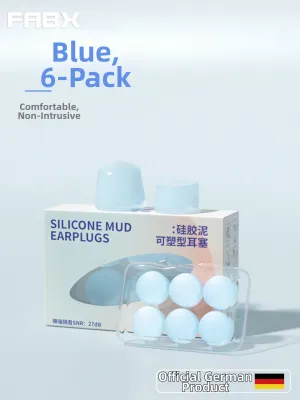
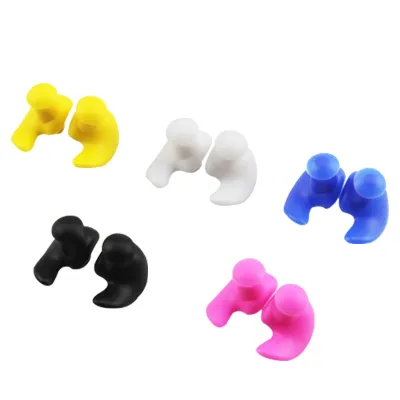
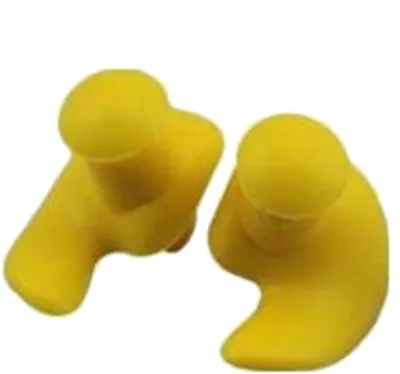
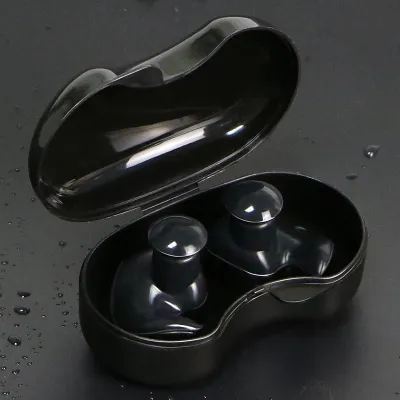
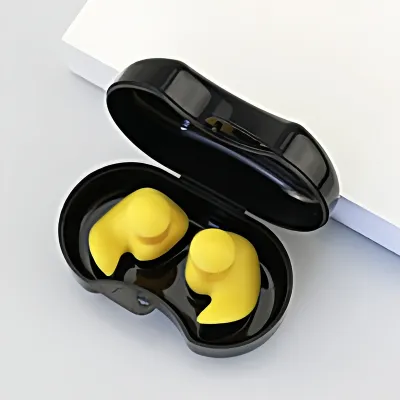
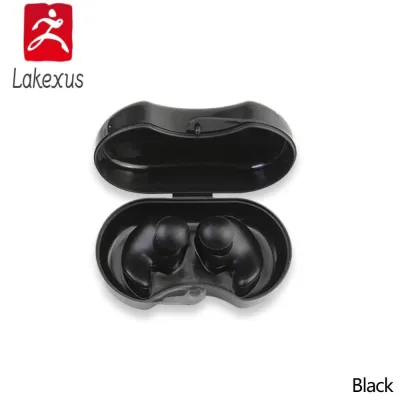
![EHBqna[COD] Anti Noise Silicone Earplugs Waterproof Swimming Ear Plugs For Sleeping Diving Surf Soft Comfort Natation Swimming Ear Protector](https://img.lazcdn.com/g/p/9ff6d87343795b0003cdb2a11a486db7.jpg_400x400q80.jpg_.webp)
Prices are valid at publication and may change. Please refer to the product page for the latest price.
- Best Moldable Silicone for Custom Fit: Moldable silicone putty earplugs. These are ideal for kids who dislike having objects inserted directly into their ear canals, as they seal the outer ear opening comfortably.
- Best Reusable Silicone for Regular Swimmers: Triple-flange pre-molded silicone earplugs. These are durable, cost-effective, and perfect for kids attending weekly swimming lessons.
- Best for Kids with Ear Tubes: Moldable silicone putty paired with a neoprene swimmer's headband. This combination provides a double barrier that keeps the plugs securely in place during active play.
How to Choose the Right Swim Earplugs for Your Child
Selecting the right swim earplugs requires understanding your child’s physical needs and how different designs function.

Material Types
The two primary materials used for children’s swim earplugs are moldable silicone putty and pre-molded reusable silicone. Moldable silicone is a soft, clay-like material that you shape with your fingers to cover the ear canal opening. Pre-molded silicone plugs feature a fixed shape, often with flexible ridges or flanges, designed to slide into the ear canal.
It is critical to note that standard foam earplugs are entirely unsuitable for swimming. Foam is designed to absorb sound by utilizing porous spaces, which means it will also absorb water. Using foam plugs in the pool will trap moisture directly against the eardrum, increasing the risk of infection.
Fit and Age-Appropriateness
Children’s ear canals are much smaller and more sensitive than those of adults. A plug that is too large will cause pain and fail to seal, while one that is too small can slip too deep or fall out. Always check the manufacturer’s age recommendations on the packaging before purchasing.
Water Seal Mechanism
Moldable putty seals the outer ear canal opening (the concha) without entering the canal itself. This creates a flat, water-resistant barrier over the ear. Pre-molded plugs rely on a friction fit inside the ear canal, using multiple flanges to block water from entering further.
Comfort and Sensory Preferences
Many children are highly sensitive to tactile sensations, especially inside their ears. If your child resists having things pushed into their ear canal, moldable silicone putty is usually the more acceptable option. For older, less sensitive children, pre-molded plugs can be inserted quickly and easily.
Medical Boundaries
If your child has tympanostomy tubes (ear tubes), a history of chronic ear infections, or a suspected ruptured eardrum, you must exercise extreme caution. Never use any earplugs or allow water exposure without first consulting your pediatrician or an Ear, Nose, and Throat (ENT) specialist. A doctor must evaluate whether the earplugs provide a safe enough seal for your child’s specific medical condition.
Best Swim Earplugs for Kids Available in the Philippines
Best Moldable Silicone Earplugs for a Custom Fit
Moldable silicone putty earplugs are widely popular among Filipino parents due to their versatility and gentle fit. To use them, you simply roll the silicone into a small ball and press it gently over your child’s clean, dry ear opening until it forms a smooth seal.
The primary advantage of moldable putty is its ability to conform to any ear shape. This makes it an excellent choice for toddlers and younger children whose ear canals are still developing. Because the material does not enter the canal, it minimizes sensory irritation and is generally safer for children with ear tubes, provided a doctor has cleared them for swimming.
However, moldable silicone has its limitations. It is typically designed for limited use, as the putty loses its stickiness over time and can gather dirt, dust, or hair. In the warm, humid climate of the Philippines, the putty can degrade faster if not stored properly. Additionally, parents must be careful when applying putty to children with long hair, as the sticky material can easily get tangled. Always check the product packaging for specific age limits, as small pieces of silicone putty can pose a choking hazard for babies and very young toddlers.
Best Reusable Silicone Earplugs for Regular Swimmers
For children who participate in regular swim training or school swimming modules, pre-molded reusable silicone earplugs are highly practical. These plugs are constructed from soft, medical-grade silicone and feature a stem with multiple flexible flanges that adapt to the contours of the ear canal.
The main benefit of pre-molded plugs is their durability and long-term cost-effectiveness. Unlike putty, which must be discarded after a few uses, reusable silicone plugs can last for months with proper care. They are quick to insert and remove, making them ideal for independent older kids who manage their own gear at the pool.
The primary challenge with pre-molded plugs is finding the correct fit. The plug’s stem must match your child’s ear canal size perfectly; if it is too small, water will leak in, and if it is too large, it will cause physical discomfort. Many children find the sensation of a physical object inside their ear canal unpleasant. To prevent loss in busy public pools, look for kids’ models that feature bright, high-visibility colors or come with a detachable safety cord.
Best Options for Kids with Ear Tubes or Sensitive Ears
Children who have recently undergone ear surgery or have tympanostomy tubes require absolute protection from water. Even a small drop of pool water passing through an ear tube can carry bacteria into the middle ear, leading to painful infections.
For these sensitive situations, moldable silicone putty is almost always the preferred choice. Because it creates a flat seal over the outer ear, there is no risk of pushing the plug too deep or accidentally contacting the ear tube. It also prevents the build-up of pressure inside the canal during insertion.
It is vital to remember that earplugs do not replace medical advice. Always follow your ENT specialist’s specific instructions regarding water activities, maximum swimming depths, and approved ear protection. For active children who love to splash, jump, or dive, many specialists recommend pairing moldable silicone earplugs with a specialized neoprene headband. These headbands wrap around the child’s head and cover the ears, keeping the earplugs firmly pressed in place and preventing them from being knocked loose by water impact.
Quick Comparison of Recommended Kids' Swim Earplugs
| Earplug Type | Best Use Case | Seal Location | Reusability | Key Limitation |
|---|---|---|---|---|
| Moldable Silicone Putty | Toddlers, sensory-sensitive kids, and children with ear tubes | Outer ear opening (concha) | Limited (multiple uses until dirty) | Can lose stickiness; can get tangled in long hair |
| Reusable Pre-Molded Silicone | Frequent swimmers, older kids, and swim lessons | Inside the ear canal | High (washable and durable) | Requires precise sizing; insertion can feel uncomfortable |
| Standard Foam (Avoid) | Noise reduction only (do not use for swimming) | Inside the ear canal | Low (disposable) | Absorbs water; traps moisture against the eardrum |
Tips for Using and Maintaining Kids' Swim Earplugs
To ensure your child’s earplugs perform effectively and remain hygienic, proper application and maintenance are essential.
Before using any earplugs, always read the manufacturer’s instructions on the packaging to verify age limits, proper insertion techniques, and safety warnings. If the instructions on the packaging conflict with other advice, or if your child’s medical condition is not covered, stop use immediately and consult a qualified medical professional.
Application Step-by-Step
For moldable silicone putty, ensure your hands and your child’s ears are completely dry before handling. Roll one plug into a smooth ball. Place the ball over the center of the ear opening and press flat to create a seal. Do not push the silicone into the ear canal itself, and do not cut or tear the plugs into smaller pieces.
For pre-molded silicone plugs, gently pull the top of your child’s ear upward and backward to straighten the ear canal. Carefully slide the plug into the canal until the flanges form a snug, comfortable seal.
Removal and Safety
To remove moldable putty, press upward behind the back of the earlobe to loosen the seal, then gently peel the putty away from the outer ear. For pre-molded plugs, slowly twist the stem while pulling outward. Never use sharp objects, tweezers, or cotton swabs to dislodge an earplug that seems stuck, as this can push the object deeper or cause severe injury. If a plug cannot be safely removed, seek immediate medical assistance.
Cleaning and Storage
In the warm and humid climate of the Philippines, bacteria and mold can multiply rapidly on damp swim gear. After every use, wash reusable pre-molded silicone plugs with mild soap and clean, warm water. Allow them to dry completely in a well-ventilated area away from direct sunlight. Store both moldable and reusable plugs in their original plastic storage case to keep them free from dust and pests.
Replacement Triggers
Inspect your child’s earplugs regularly for signs of wear. Replace moldable putty as soon as it loses its stickiness, becomes discolored, collects dirt, or begins to crumble. For reusable silicone plugs, replace them immediately if you notice any tearing, cracking, hardening of the material, or if they no longer form a reliable seal.
Frequently Asked Questions (FAQ)
Can kids use regular adult swim earplugs?
Adult pre-molded swim earplugs are designed for much larger ear canals and will not fit children properly. Attempting to use them can cause physical pain, damage the delicate ear canal lining, or fail to create a water seal. For safety and comfort, always choose earplugs specifically labeled for children, or opt for moldable silicone putty which can be sized to fit any outer ear.
Do swim earplugs completely prevent swimmer's ear?
While high-quality swim earplugs significantly reduce the amount of water entering the ear, they do not offer a 100% guarantee against swimmer’s ear (otitis externa). Moisture can still find its way in during vigorous play. To maximize protection, always dry your child’s outer ears thoroughly with a clean towel after swimming, and avoid swimming in natural water sources known to have high bacteria levels.
Are foam earplugs good for swimming?
No, standard foam earplugs should never be used for swimming. Foam is highly porous and designed to absorb sound waves, which means it will absorb water like a sponge. Once wet, foam earplugs can expand uncomfortably, trap contaminated water directly inside the ear canal, and significantly increase the risk of developing a painful ear infection.
Community discussion
Share your experience or ask a question. Comments are reviewed before publication.