
Learning to swim is a vital milestone for children, especially in an island nation like the Philippines where weekend beach trips, resort outings, and backyard pool gatherings are a core part of family life. Introducing flippers for kids can dramatically accelerate this learning process, but only if you select the right style for their physical development and swimming ability. The best swim fins for young learners are short-blade, full-foot models made of soft, flexible silicone. These tools are designed to build correct muscle memory, improve leg strength, and boost water confidence without putting undue strain on growing joints.
Rather than treating fins as toys or generic footwear, matching the specific blade length, material buoyancy, and fit to your child’s current swimming stage ensures they develop a proper flutter kick instead of counterproductive habits. In the local market, entry-level beginner fins typically range from ₱500 to ₱1,500, while intermediate, club-level training models range from ₱1,500 to ₱3,500. Investing in the correct style prevents early fatigue, protects sensitive skin, and keeps your child motivated during their swim lessons.
How to Choose the Right Flippers for Kids Based on Skill Level
Selecting the perfect pair of flippers for kids requires looking beyond bright colors and eye-catching designs. The physical characteristics of a swim fin directly dictate how a child moves through the water, impacting their body alignment, stroke rate, and overall safety. To make an informed decision, parents must evaluate four primary dimensions: blade length, foot pocket design, material composition, and sizing accuracy.
Products mentioned in this guide
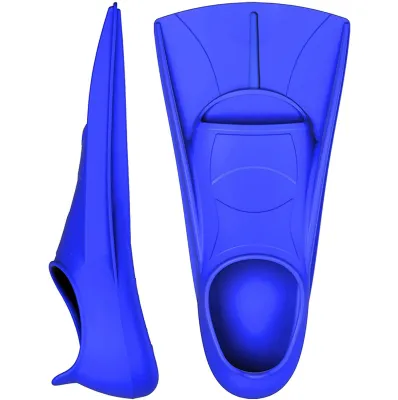
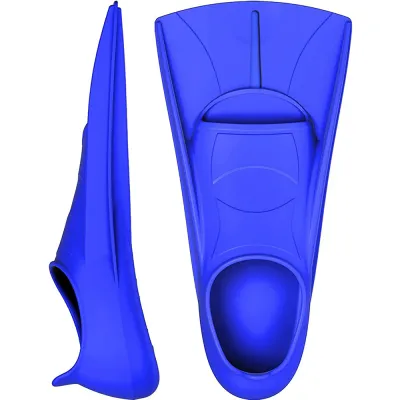
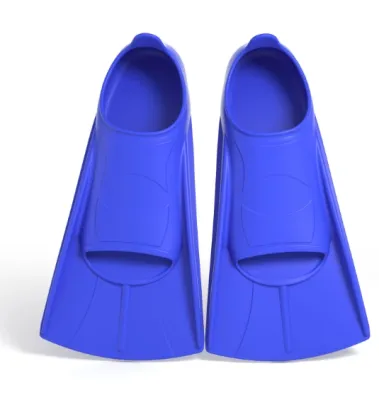
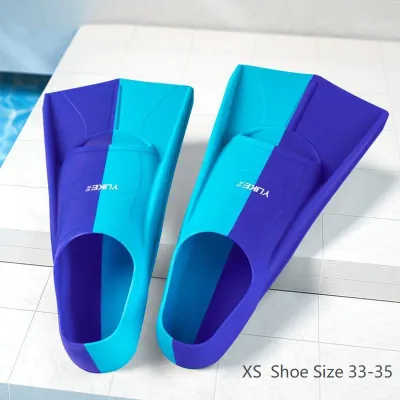
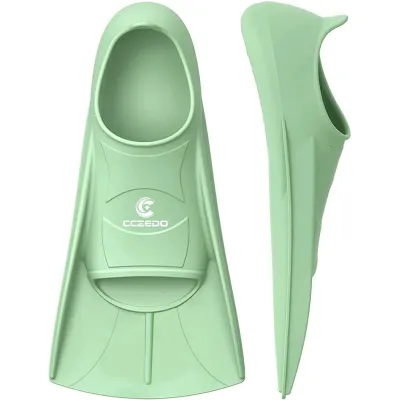
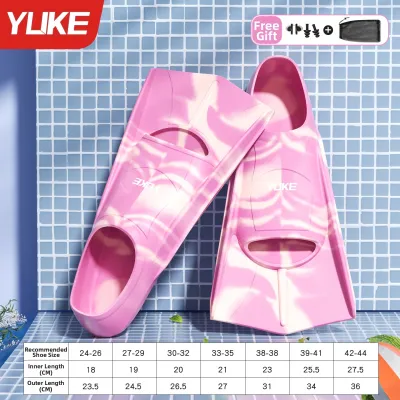
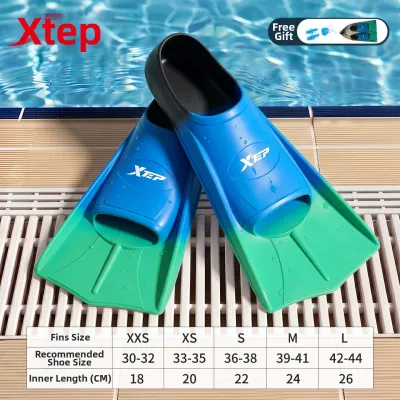
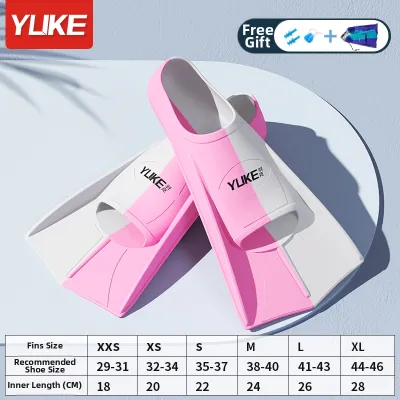
Prices are valid at publication and may change. Please refer to the product page for the latest price.
The Impact of Blade Length on Kick Mechanics
The length of the fin blade is the single most critical factor in determining how a child learns to kick. For young learners, shorter blades—often called training fins—are highly recommended. Shorter blades mimic the natural tempo of an unaided flutter kick, requiring rapid, high-frequency leg movements. This rapid tempo helps build correct muscle memory in the hip flexors and thighs, training the child to kick from the hips rather than the knees. Conversely, long blades provide immense propulsion with very little effort, which often encourages children to perform a slow, wide “bicycle kick” where the knees bend excessively. While long fins are excellent for snorkeling or scuba diving, they hinder the development of proper pool swimming techniques and can mask poor leg positioning.
Foot Pocket Designs: Full-Foot vs. Open-Heel
Swim fins generally come in two foot pocket styles: full-foot and open-heel. Full-foot pockets completely enclose the child’s heel in a soft, slipper-like structure. This design is the standard for children’s pool swimming and formal swim lessons. Full-foot fins provide a secure, uniform fit that keeps the foot stable, preventing the fin from sliding off during vigorous kicking sets. Open-heel fins feature an adjustable strap across the back of the heel. While open-heel models offer some room for growth, they are typically designed for open-water snorkeling with dive booties. In a pool setting, the plastic buckles and straps of open-heel fins can easily chafe bare skin, slip out of place, or create extra drag that disrupts a clean kick cycle.
Comparing Fin Materials: Silicone, Natural Rubber, and EVA Foam
The material of the fin determines its flexibility, weight, buoyancy, and comfort against sensitive skin:
- Silicone: This is the premium choice for young swimmers. Silicone is hypoallergenic, incredibly soft, and highly resistant to UV damage and chlorine. It stretches easily to conform to the foot, minimizing the risk of friction blisters.
- Natural Rubber: Known for its excellent elasticity and durability, natural rubber provides a classic, firm fit. It offers efficient energy transfer from the leg to the water, though it can feel slightly heavier than silicone and may degrade faster if exposed to direct tropical sunlight for extended periods.
- EVA Foam: Extremely lightweight and highly buoyant, EVA foam is often used for toddler fins. It keeps the legs high in the water, though it lacks the long-term durability and structural snap of silicone or rubber.
The Critical Importance of Sizing Charts
One of the most common mistakes parents make is purchasing swim fins based solely on their child’s current street shoe size. Fin sizing is not standardized across brands, and a size 12 in one manufacturer’s training fin may fit completely differently from a size 12 in another. A fin that is too loose will slip off constantly, while a fin that is too tight can restrict circulation, cause severe cramping, or lead to painful chafing. Always measure your child’s foot in centimeters from the back of the heel to the tip of the longest toe. Compare this measurement directly against the manufacturer’s specific sizing chart before purchasing to ensure a safe, comfortable fit.
Best Swim Fin Features for Toddlers and Beginners
For toddlers and children who are just starting their learn-to-swim journey, the primary goals are building water confidence, establishing horizontal body position, and overcoming the natural fear of sinking. The features of their first flippers for kids should directly support these early milestones.

Promoting a Natural Flutter Kick
Beginners naturally struggle with leg buoyancy; their hips and legs tend to sink, forcing them into a vertical dog-paddle position that is exhausting and inefficient. Short-blade training fins are engineered to combat this. The short blade requires a fast, compact flutter kick originating from the hips rather than the knees. This rapid movement generates just enough forward momentum to help the child feel what it is like to glide horizontally on top of the water, reinforcing the correct body line that swim coaches look for.
Leveraging High-Buoyancy Materials
To assist children whose leg muscles are still developing, beginner fins often utilize high-buoyancy materials such as lightweight EVA foam or specialized, air-infused rubber compounds. These materials act as gentle, natural float aids for the lower body. By lifting the heels and legs closer to the surface, high-buoyancy fins make it significantly easier for a toddler to keep their face in the water or practice basic breathing patterns without fighting to stay afloat.
Protecting Sensitive Skin with Soft Silicone
A child’s skin is highly susceptible to friction, especially when wet. Beginner fins must feature ultra-soft, pliable silicone foot pockets. The material should stretch easily over the instep and heel, cushioning the foot against the repetitive rubbing motion of kicking. Look for designs with seamless interiors and rounded edges around the ankle opening to prevent painful red marks and blisters that could make a child associate swim practice with discomfort.
Understanding the Limitations of Beginner Fins
It is vital for parents to recognize what beginner fins are not designed to do. These flippers are specialized training tools meant to teach technique, rhythm, and confidence in shallow, controlled environments. They do not generate high-speed propulsion or long-distance power. If a child attempts to use these short, buoyant fins to swim against strong currents or in deep open water, they will not have the thrust required for safety. Always limit their use to structured lessons or supervised shallow-water play.
Best Swim Fin Features for Intermediate Young Swimmers
As young swimmers transition from basic water safety to stroke refinement, endurance training, or joining a local swim club, their equipment needs evolve. At this intermediate stage, flippers for kids shift from simple confidence builders to performance-enhancing training aids.
Transitioning to Medium-Blade Designs
Intermediate swimmers have established a basic horizontal kick and are ready to build cardiovascular endurance and lower-body strength. Medium-blade fins are ideal for this stage. They offer a balanced compromise: they provide more surface area than beginner fins—resulting in greater resistance and forward thrust—while still allowing the swimmer to maintain a relatively high kick tempo. This added resistance helps strengthen the quadriceps, hamstrings, and ankle joints, which in turn improves the child’s raw kicking power when they swim without fins.
Vented and Split-Blade Engineering
To prevent premature fatigue and joint strain during longer pool sessions, intermediate fins often incorporate advanced hydrodynamic features like vents or split-blade channels. Vented designs allow a controlled amount of water to pass through the blade during the less efficient recovery part of the kick cycle, reducing drag and minimizing ankle strain. Split-blade technologies channel water backward more efficiently, maximizing thrust on both the downward and upward phases of the kick without requiring excessive physical force from the young athlete.
Adopting Firmer Materials for Energy Transfer
While beginners require maximum softness, intermediate swimmers benefit from firmer materials like natural rubber or advanced thermoplastic elastomers (TPE). These stiffer compounds do not bend or flex as easily under high water pressure. This stiffness ensures that every ounce of energy generated by the child’s leg kick is transferred directly into forward propulsion, teaching them how to feel and manipulate water resistance.
Targeted Training Drills and Use Cases
Intermediate fins are highly versatile tools used by coaches for specific skill development:
- Vertical Kicking Drills: Swimmers kick upright in deep water with their arms crossed over their chest, using the fins to maintain their head above water while focusing entirely on hip-driven power.
- Stroke Correction: By providing steady forward propulsion, fins allow the swimmer to slow down their arm strokes and focus on perfecting their freestyle reach, backstroke rotation, or butterfly undulating motion.
- Ankle Flexibility: The weight and surface area of the fin gently stretch the ankle joint into a pointed-toe position, which is essential for an efficient, drag-free kick.
Quick Comparison: Swim Fin Features by Skill Level
To help you quickly identify the ideal specifications for your child’s current swimming stage, refer to the summary table below. This matrix outlines the key differences in design and purpose between beginner and intermediate flippers.
| Skill Level | Recommended Blade Length | Ideal Material | Primary Benefit | Best Use Case |
|---|---|---|---|---|
| Toddler / Beginner | Short (3 to 5 inches) | Ultra-soft silicone or high-buoyancy EVA foam | Promotes high-frequency flutter kick; lifts sinking legs | Shallow-water confidence, early swim lessons, body positioning |
| Intermediate / Training | Medium (6 to 8 inches) | Firmer natural rubber or thermoplastic elastomers (TPE) | Builds leg strength, improves ankle flexibility, increases thrust | Stroke refinement, endurance sets, swim club drills, vertical kicking |
Fitting, Safety, and Maintenance in Humid Climates
In the tropical environment of the Philippines, high humidity, salt water, and chlorinated resort pools present unique challenges for both gear longevity and child safety. Proper fitting, strict safety protocols, and diligent maintenance are essential to get the most out of your investment.
The Step-by-Step Fitting Process
To get an accurate assessment of how a swim fin fits, always try them on when the child’s feet and the fins themselves are wet. Dry skin creates friction that can make a perfectly sized fin feel too tight or difficult to put on.
- Wet the Feet and Fin: Wet the child's feet and submerge the foot pocket of the fin in water.
- Slide the Foot Forward: Have the child slide their foot forward into the pocket as far as possible.
- Secure the Heel: Pull the heel tab up and over the back of their heel.
- Perform the Finger Test: Attempt to slide your pinky finger into the back of the heel pocket. It should fit snugly with slight resistance. If you can easily slide your index finger or multiple fingers behind the heel, the fin is too large and will slip off in the water.
- Check the Toes: Have the child stand up and wiggle their toes. The toes should reach near the end of the pocket but should not be curled, pinched, or painful. Look for any immediate deep red marks or severe squeezing around the instep.
Strict Water Safety Boundaries
It is critical to establish that swim fins are training aids and recreational tools—they are never substitutes for personal flotation devices (PFDs) or life jackets. Fins can give a false sense of security, allowing a novice swimmer to venture into deeper water than their actual skill level supports. If a fin slips off or if the child gets a leg cramp in deep water, they must have the fundamental swimming skills to survive without the gear. Equipment cannot replace proper training, adult supervision, or sound judgment.
Children must never wear fins in open water or deep pools without direct, active adult supervision. Furthermore, teach your child to put their fins on at the water’s edge or while sitting on the pool steps; walking on concrete, pool tiles, or wet docks while wearing fins is a severe slipping hazard that can lead to falls and injuries.
Maintenance Routines for Tropical Climates
The combination of high ambient humidity, intense tropical UV rays, and pool chemicals can rapidly degrade swim gear in the Philippines. To prevent premature cracking, mold growth, and loss of elasticity, follow this maintenance routine after every swim session:
- Rinse Thoroughly: Immediately rinse the fins with clean, fresh tap water to wash away chlorine, salt, sand, and organic debris. Pay close attention to the inside of the foot pocket where salt crystals or pool chemicals can pool.
- Dry in the Shade: Air-dry the fins completely in a well-ventilated, shaded area. Never leave swim fins drying in direct, harsh midday sunlight. Extreme UV exposure breaks down the chemical bonds in silicone and natural rubber, causing them to become brittle, discolor, and crack.
- Store Flat: Store the fins flat in a cool, dry closet. Avoid bending the blades or stuffing them into tight bags where they might warp permanently, as a warped blade will ruin the hydrodynamic balance of the fin.
Knowing When to Replace Your Child's Fins
Children grow rapidly, and their swim gear must keep pace. Inspect the flippers regularly for signs of wear and tear. If you notice visible hairline cracks along the foot pocket seams, a significant loss of elasticity in the heel tab, or if your child complains of persistent pinching or toe pain, it is time to upgrade to a larger size. Forcing a child to wear outgrown fins can lead to painful foot cramps, blisters, and joint strain that will quickly ruin their enjoyment of the water.
Frequently Asked Questions (FAQ)
Can kids use adult swim fins if the foot pocket fits?
No, children should never wear adult swim fins, even if their feet have grown large enough to fit into a small adult size. Adult fins are designed with significantly stiffer blades and heavier materials to match the muscle mass, bone density, and ankle strength of fully grown individuals. A child’s joints and muscles are still developing. Forcing them to push the high water resistance of an adult-sized blade can cause acute ankle strain, calf cramps, and knee fatigue. Additionally, the excessive weight of adult fins will drag a child’s lower body down, destroying their horizontal body alignment and reinforcing poor kicking habits. Always choose fins specifically engineered with kid-sized dimensions and appropriate flex ratings.
Should kids wear swim socks or aqua shoes with their fins?
While swim fins are designed to be worn barefoot, wearing thin neoprene swim socks can be highly beneficial in certain scenarios. If your child has exceptionally sensitive skin that is prone to chafing, or if they are spending long hours in the water during swim camp, a pair of 1mm to 1.5mm neoprene swim socks can act as a protective barrier against blisters. Swim socks can also help bridge the gap if your child’s foot size falls directly between two fin sizes, providing a snugger fit in a slightly loose pocket. However, you should avoid wearing thick, heavy aqua shoes or hard-soled water shoes inside fins, as they will distort the foot pocket, ruin the fit, and add unnecessary weight to the kick. If you plan to use swim socks, make sure to try the fins on with the socks to ensure the foot pocket is not overly compressed.
Community discussion
Share your experience or ask a question. Comments are reviewed before publication.