
Choosing the right swimming cap for men in the Philippines depends primarily on your swimming environment and the intensity of your water activities. In a tropical climate characterized by high ambient temperatures, intense solar UV radiation, and elevated humidity, a swimming cap serves as a critical barrier that protects your scalp, manages hair, and optimizes performance. Whether you are training in a highly chlorinated municipal pool, navigating open ocean currents, or relaxing at a beach resort, matching the cap’s material and design to your specific activity is essential for comfort, safety, and durability.
While many swimmers view a cap as a simple accessory, the physical properties of different materials perform vastly differently under tropical conditions. High-grade silicone caps offer the best balance of durability and chemical resistance for regular pool training, while specialized high-visibility caps are indispensable for open-water safety. For casual leisure, lightweight fabric alternatives provide maximum comfort without the constricting pressure of competitive gear. Understanding these distinctions allows you to make an informed choice that enhances your time in the water.
How to Choose the Right Swimming Cap for Your Activity
Selecting the ideal swimming cap requires a clear understanding of material science, fit mechanics, and environmental demands. The four primary materials used in men’s swimming caps each offer distinct advantages and trade-offs that directly affect your comfort and performance.
Products mentioned in this guide
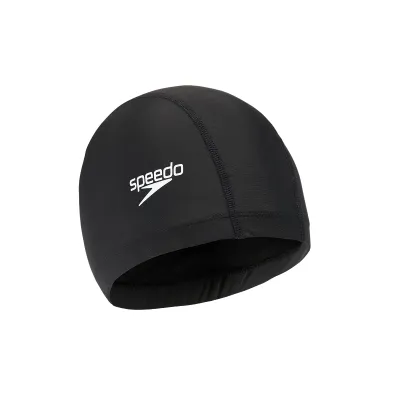
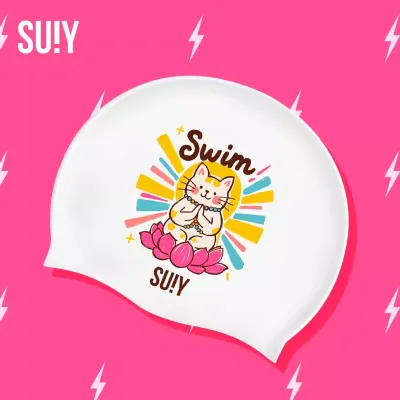
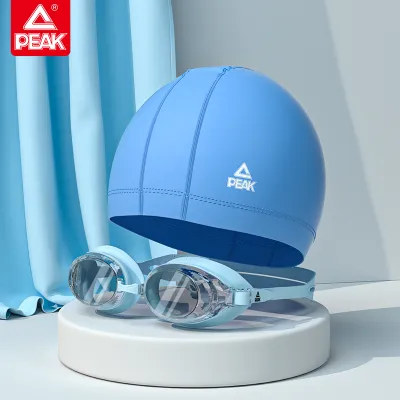
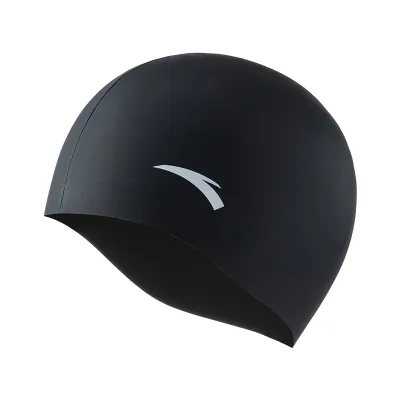

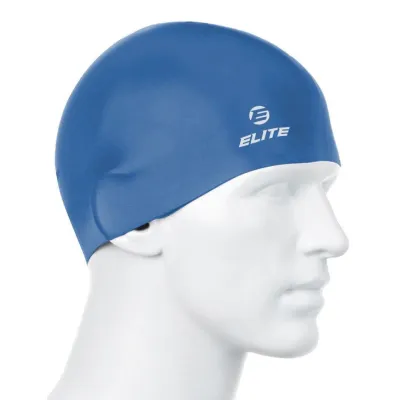
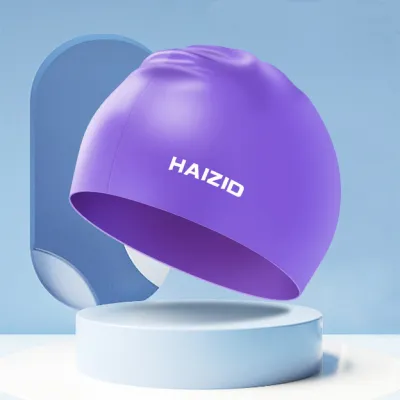

Prices are valid at publication and may change. Please refer to the product page for the latest price.
- Silicone: This is an inorganic polymer known for its exceptional durability, flexibility, and resistance to chlorine and saltwater degradation. Silicone caps are thick, hold their shape well, and provide a relatively watertight seal. They do not pull hair as easily as latex, making them the preferred choice for regular fitness and competitive swimmers.
- Latex: Extremely thin and lightweight, latex caps offer a highly snug, skin-tight fit that competitive swimmers favor for maximum hydrodynamics. However, latex is a common allergen, has low tear resistance, and degrades rapidly when exposed to the combination of chlorine, body oils, and warm, humid tropical climates.
- Lycra and Fabric Blends: Constructed from knitted synthetic fibers like polyester or nylon blended with elastane, fabric caps prioritize comfort and breathability. They are incredibly easy to put on and take off, but they are highly porous. They offer zero water resistance, meaning your hair and scalp will be fully saturated.
- Neoprene: Made from synthetic rubber containing tiny nitrogen gas bubbles, neoprene provides excellent thermal insulation. This material is thick (typically 2mm to 3mm) and is designed specifically for cold-water swimming or long-duration open-water sessions where maintaining core body temperature is critical.
Sizing and fit are determined by your head circumference and hair volume. Standard adult caps generally accommodate head circumferences between 52 and 58 centimeters. If you have a larger head or thick, high-volume hair, a standard cap may squeeze too tightly, leading to localized pressure, restricted blood flow, and tension headaches. Conversely, a cap that is too loose will trap water, balloon during movement, and easily slip off. Swimmers with longer hair or dreadlocks should look for specialized “long hair” caps, which feature an extended rear bubble to accommodate extra volume without increasing forehead pressure.
Ultimately, you must match the cap’s primary design function to your swimming environment. If your goal is speed and training efficiency, hydrodynamics and drag reduction are paramount. If you are swimming in natural bodies of water, visibility and thermal protection are your primary safety concerns. For casual recreation, ease of use and UV protection outweigh any need for hydrodynamic optimization.
Best Swimming Caps for Lap Swimming and Training
For fitness enthusiasts and competitive swimmers executing repetitive lap sets, a high-performance cap must withstand constant exposure to pool chemicals while maintaining a secure, hydrodynamic fit. In the Philippines, where public and private training pools are heavily chlorinated to combat tropical bacterial growth, material durability is a primary consideration.

Thick, high-grade silicone caps are the industry standard for daily training. Silicone is highly resistant to chemical oxidation, meaning it will not become brittle, gummy, or discolored after dozens of hours in chlorinated water. These caps provide a reliable, snug fit that keeps hair securely contained, reducing the overall profile of the head and minimizing water resistance.
For swimmers focused on maximizing speed and refining technique, 3D molded or pre-shaped silicone caps offer a distinct advantage. Traditional silicone caps are manufactured by joining two flat sheets of material, leaving a raised seam down the center that creates tiny wrinkles when stretched over a rounded head. 3D molded caps are cured in a spherical mold, resulting in a completely seamless, wrinkle-free fit. This smooth surface optimizes laminar water flow over the head, significantly reducing micro-turbulences and hydrodynamic drag during high-speed sets.
Fit security is critical during explosive starts, dives, and rapid flip turns. When a swimmer transitions from a turn, the cap must resist the high shear force of the water. High-quality training caps often feature a textured inner surface—such as micro-dots or internal ribbing—that increases friction against the hair or scalp. This internal grip prevents the edge of the cap from rolling upward or sliding off the forehead during intense acceleration.
However, these high-performance designs have clear limitations. The tight, compressive fit required for competitive training can become uncomfortable during long, low-intensity aerobic sessions. Additionally, while latex caps are a cheaper alternative (often retailing under ₱200), they degrade very quickly in warm Philippine pool water. The combination of ambient heat and chlorine causes latex to turn sticky and tear easily, making silicone a much more cost-effective choice for regular lap swimmers over the long term.
Best Swimming Caps for Open Water Swimming
Open water swimming in oceans, lakes, or deep channels is an inherently high-risk sport that demands careful preparation and specialized equipment. Unlike the controlled environment of a swimming pool, open water presents unpredictable hazards such as strong currents, changing weather patterns, marine life, and motorized watercraft. A swimming cap in this environment is not merely a piece of athletic gear; it is a vital safety tool. Equipment cannot replace proper open-water training, physical conditioning, or situational awareness. Always assess your physical limits, monitor local weather and tidal forecasts, and utilize a buddy system or support boat before entering the water.
Visibility is the single most important safety feature of an open-water swimming cap. In the open sea, a swimmer’s head is incredibly difficult to spot among rolling waves, whitecap swells, and glare from the sun. To ensure you are easily seen by lifeguards, support kayakers, jet skis, and motorized boats, you must wear a cap in high-visibility fluorescent colors. Neon yellow, bright orange, and hot pink offer the highest contrast against blue and green ocean water, making them indispensable for safety tracking.
Thermal protection is another critical factor, even in a tropical country like the Philippines. While shallow coastal waters remain warm, water temperatures in deep open-water channels, volcanic lakes, or during early morning training sessions (especially during the cooler northeast monsoon months from December to February) can drop significantly. Prolonged exposure to cooler water can lead to mild hypothermia, which impairs muscle function and decision-making. Neoprene caps, ranging from 2mm to 3mm in thickness, insulate the head by trapping a thin layer of water next to the skin, which is then warmed by your body heat. Alternatively, double-layering a standard silicone cap over a thin fabric liner can provide a basic, budget-friendly thermal barrier.
Because open-water swimming involves navigating rough surf, chop, and strong currents, your cap must remain securely anchored. A standard pool cap can easily be stripped off by a breaking wave. For open-water excursions, look for caps with integrated chin straps or adjustable under-chin closures. These straps ensure the cap remains firmly in place, protecting your ears and head throughout your swim.
Finally, always verify local open-water regulations or organized event rules before purchasing your gear. Many triathlons and organized swim races in the Philippines mandate specific official cap colors for safety tracking and wave identification. Ensuring your personal safety gear aligns with these standards is a crucial step in your pre-swim preparation.
Best Swimming Caps for Recreational and Leisure Swimming
For casual pool visits, beach resort vacations, or water-based fitness classes, performance metrics like hydrodynamic drag reduction are secondary to comfort, breathability, and ease of use. In these relaxed settings, the tight, compressive squeeze of a competitive silicone or latex cap can feel restrictive and uncomfortable, especially under the hot tropical sun.
Lycra and fabric blend caps are highly recommended for leisure swimmers who prioritize comfort. Because these caps are constructed from knitted synthetic textiles, they stretch easily and slip onto the head without pulling short hair or irritating the scalp. The porous nature of fabric allows air and water to circulate freely, preventing heat buildup on the scalp and keeping you cool during extended lounge sessions in warm water.
It is important to understand the functional limitations of fabric caps. Because they are highly permeable, they do not keep your hair dry, nor do they block pool chemicals or saltwater from saturating your scalp. However, they serve as an effective physical barrier that protects your scalp from direct UV exposure, prevents your hair from tangling in goggle straps, and keeps loose strands of hair out of your eyes and face while swimming.
If you want the chemical protection of silicone without the tight, constricting squeeze of a racing cap, loose-fit or “long hair” silicone caps are an excellent alternative. These caps are designed with extra volume and a gentler mold, providing a comfortable fit that shields your hair from chlorine and saltwater without causing pressure headaches.
These comfortable options are ideal for family outings in popular resort destinations, such as the hot springs of Pansol, Laguna, or the coastal beaches of Batangas and Boracay. In these environments, where the primary goals are sun protection, comfort, and basic hygiene, a lightweight fabric or loose-fit silicone cap ensures a relaxed and enjoyable experience in the water.
Quick Comparison of Men's Swimming Caps by Activity
To help you quickly identify the most suitable option for your primary swimming activity, the table below summarizes the key material characteristics, primary benefits, and performance trade-offs discussed in the previous sections.
| Activity | Recommended Material | Primary Benefit | Water Resistance Level |
|---|---|---|---|
| Lap Swimming & Training | High-Grade Silicone (3D Molded) | Drag reduction, chlorine resistance, secure fit | High |
| Open Water Swimming | High-Visibility Silicone or Neoprene | Safety visibility, thermal insulation, secure chin strap | High |
| Leisure & Recreation | Lycra / Fabric Blend or Loose-Fit Silicone | Comfort, breathability, ease of putting on | Low (Fabric) / Medium (Loose Silicone) |
How to Care for and Extend the Life of Your Swim Cap
Proper maintenance is essential to prevent tearing, material degradation, and the growth of mold or mildew, especially in the hot and humid climate of the Philippines. By following a simple post-swim routine, you can significantly extend the lifespan of your swimming cap.
- Rinse thoroughly: Immediately after exiting the water, rinse your cap inside and out with cool, fresh tap water. This removes residual chlorine, salt crystals, sand, and scalp oils, all of which chemically degrade elastomeric polymers over time.
- Air dry properly: Lay the cap flat or hang it in a shaded, well-ventilated indoor or outdoor area to dry. Avoid direct sunlight, clothes dryers, or placing the cap near heat sources, as extreme heat will melt, warp, or crack silicone, latex, and neoprene.
- Handle with care: When putting on or removing the cap, use the pads of your fingers rather than your fingernails. Avoid wearing rings or sharp hair accessories, as these can easily puncture the material, creating micro-tears that will split open under tension.
- Store dry and flat: Once the cap is completely dry, store it flat or in a dedicated protective mesh pouch. Avoid folding it tightly or leaving it crumpled at the bottom of a damp, dark gym bag, which creates an ideal environment for mold, mildew, and unpleasant odors to develop.
Frequently Asked Questions (FAQ)
Do swimming caps keep your hair completely dry?
No swimming cap is 100% waterproof. While silicone and neoprene caps offer an excellent physical barrier against water, moisture will inevitably seep in around the edges of the cap. This seepage occurs during high-speed movement, dives, flip turns, or prolonged submersion. Fabric and Lycra caps are completely porous and will allow water to saturate your hair immediately.
How do I prevent my swim cap from pulling my hair?
To minimize friction and prevent the cap from pulling your hair, wet your hair thoroughly with fresh tap water before putting the cap on. Wet hair allows silicone and latex caps to slide over your head much more smoothly. You can also apply a small amount of leave-in conditioner (if permitted by pool regulations) to act as a lubricant. Alternatively, wearing a soft fabric cap underneath a silicone cap, or choosing a silicone cap with a textured, non-stick inner lining, will significantly reduce hair pulling.
Should I wear a swim cap if I have short hair or a shaved head?
Yes, wearing a swim cap offers several key benefits even if you have short hair or a shaved head. A cap improves your hydrodynamics by smoothing out the natural contours of your head, reducing skin friction in the water. It also helps regulate your body temperature in cooler water and provides essential UV protection for your scalp under the intense tropical sun. Additionally, wearing a cap is a matter of pool hygiene, as it prevents scalp oils, sweat, and dead skin cells from directly contaminating the water.
Community discussion
Share your experience or ask a question. Comments are reviewed before publication.