
Quick Guide: What Makes a Swimming Cap Ideal for Long Hair?
Managing long hair during a swim presents unique challenges that standard swim gear rarely addresses. When you submerge, long hair increases hydrodynamic drag, pulling your head back and disrupting your stroke alignment. Beyond performance, prolonged exposure to chlorinated pool water or saltwater strips natural oils, leaving your strands dry, brittle, and prone to severe tangling. Standard flat-sheet caps often fail because they lack the physical volume to accommodate a bun or ponytail. This lack of space forces the material to overstretch, creating intense pressure on your forehead, pulling at your hairline, and eventually causing the cap to slide upward and pop off mid-swim.
To resolve these issues, a specialized swimming hat for women with long hair must incorporate specific structural features. The most critical requirement is extra volume at the back of the cap, which is achieved through 3D molding or dedicated expansion pockets. The cap must also feature high-elasticity materials that stretch without tearing, alongside a secure inner texture to grip the hair without snagging.
It is essential to establish a realistic expectation before choosing your gear: no swimming cap is entirely waterproof. Even the most advanced designs will allow some water seepage around the ears and the nape of the neck during active swimming. Instead of acting as a dry bag, a high-quality cap is designed to contain your hair securely, reduce drag, and limit the volume of chemically treated water that circulates through your strands.
Products mentioned in this guide
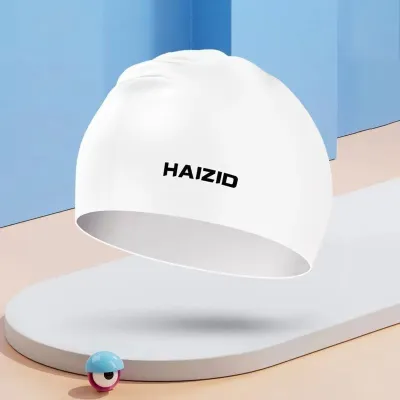
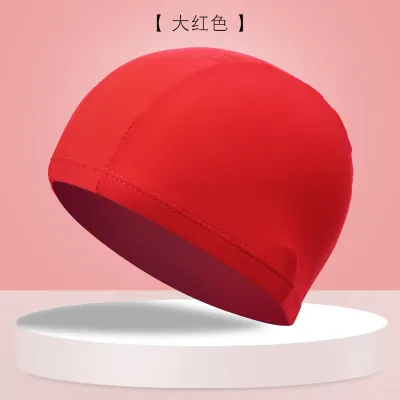
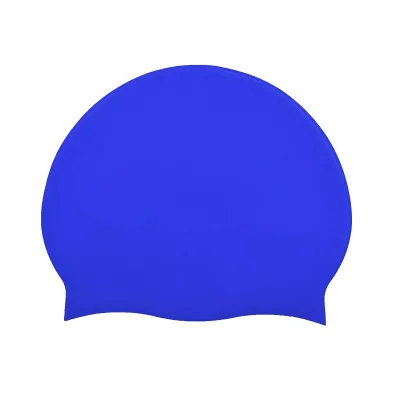
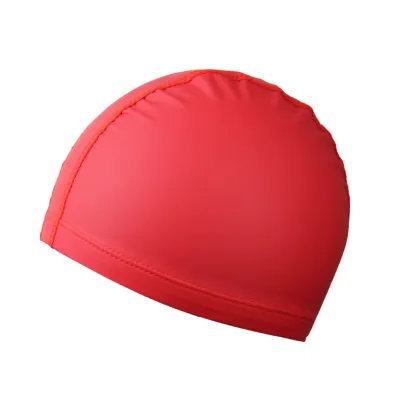
Prices are valid at publication and may change. Please refer to the product page for the latest price.
Essential Design Features for Long Hair Swimming Hats
When searching for a swimming hat for women, understanding the engineering behind different cap shapes will help you avoid the frustration of a poor fit. Standard caps are typically constructed from two flat sheets of material bonded together with a single seam running down the middle. While inexpensive, these flat caps squeeze the head uniformly and force your hair bun to press directly against your skull, which creates a high-tension point that pushes the cap off your forehead.

3D Ergonomic Fit vs. Flat Sheet
An ergonomic 3D-molded cap is shaped to mirror the natural curves of the human head. Manufacturers produce these by molding silicone over a three-dimensional form, resulting in a cap that has pre-shaped curves and varying thickness. This design reduces wrinkles and excess material folds, which significantly lowers hydrodynamic drag. More importantly for swimmers with long hair, the 3D shape distributes tension evenly across your head rather than concentrating pressure on your forehead and ears, keeping the cap securely in place during vigorous lap swimming.
Bun Pouches and Extra Back Volume
Caps designed specifically for long hair feature an asymmetrical profile, characterized by an extended rear pocket or an elastic pouch. This extra volume provides a dedicated space where you can tuck a high bun, ponytail, or thick braids without stretching the main body of the cap to its limit. By isolating the hair volume at the back, the front and sides of the cap can maintain a consistent, comfortable seal against your skin, preventing the material from riding up or tearing under tension.
Inner Grip and Edge Sealing
To prevent sliding, many long-hair caps incorporate a textured inner surface. This texture often consists of micro-dimples, matte finishes, or raised silicone patterns that gently grip the hair without pulling it. Additionally, look for caps with reinforced, thicker edges or wide bands around the rim. This design detail creates a stronger seal against your skin, helping to block out water during flip turns and dives while preventing the edges from rolling upward.
Size and Stretch Limits
While many standard caps are marketed as “one size fits all,” this label rarely applies to swimmers with thick, curly, or waist-length hair. Before purchasing, you should measure your head circumference and estimate your total hair volume. Many premium brands offer distinct sizing options, such as medium and large, or provide specific measurements for their long-hair models. Always check the manufacturer’s sizing charts to ensure the cap can stretch comfortably over both your head and your gathered hair without reaching its mechanical breaking point.
Comparing Swimming Cap Materials for Long Hair Protection
Selecting the right material for your swimming cap depends on your hair type, how often you swim, and your comfort priorities. Each material offers distinct trade-offs regarding water resistance, ease of wear, and durability.
Silicone
Silicone is the industry standard for performance and protection. It is highly durable, resistant to chlorine degradation, and thick enough to protect your hair from friction against the cap itself. Because silicone is non-porous, it provides excellent water resistance, keeping the majority of your hair dry during casual swims. However, because it has high surface friction, silicone can pull on dry hair during application, and it can feel uncomfortably tight if you select a size that is too small for your hair volume.
Lycra and Fabric
Lycra or spandex caps are favored for their exceptional comfort and ease of use. They are highly stretchable, soft, and do not pull or snag your hair when you put them on. However, fabric is completely permeable to water. A Lycra cap will not protect your hair from chlorine or saltwater, making it unsuitable for swimmers whose primary goal is chemical protection. Instead, fabric caps are best used for water aerobics, casual indoor swimming, or keeping hair out of your face under the tropical sun.
Latex
Latex caps are thin, lightweight, and highly breathable, making them a popular choice in warm climates. They provide a very tight, secure fit and a reliable seal against water. However, latex has low tear resistance. When stretched over the bulky volume of long hair or subjected to the friction of hairpins, latex caps are highly prone to snapping. They can also pull aggressively on individual hair strands and are not recommended for swimmers with thick or delicate hair.
Hybrid (Fabric Inner + Silicone Outer)
Hybrid caps combine the best properties of fabric and silicone. They feature a soft, comfortable Lycra inner lining that glides easily over your hair without snagging, paired with a water-resistant silicone outer layer that blocks pool chemicals and reduces drag. This dual-layer design offers excellent comfort and protection, though hybrid caps can sometimes feel slightly heavier and warmer than single-layer silicone options.
| Material | Water Resistance | Comfort & Ease of Use | Durability for Long Hair | Best Use Case |
|---|---|---|---|---|
| Silicone | High | Moderate (can pull dry hair) | High | Regular lap swimming, chlorine protection |
| Lycra / Fabric | None | High (very soft, easy to wear) | Moderate | Water aerobics, casual swimming, sun protection |
| Latex | High | Low (tight, pulls hair) | Low (prone to tearing) | Competitive racing, warm-weather training |
| Hybrid | High | High (soft lining, smooth glide) | High | Frequent fitness swimmers seeking maximum comfort |
Step-by-Step: How to Put on a Swimming Cap Without Pulling Hair
Putting on a swimming cap over long hair without causing pain or tearing the material requires a systematic approach. By preparing your hair and using the correct physical technique, you can achieve a secure fit quickly.
1. Hair Preparation
Before putting on your cap, wet your hair thoroughly with clean, fresh tap water. Hair is highly porous; saturating it with fresh water first limits its ability to absorb chlorinated pool water or salty seawater. If your hair is particularly dry or prone to tangling, you may apply a light coat of swim-safe leave-in conditioner to your strands. Always check both your conditioner’s label and your cap manufacturer’s care instructions to ensure chemical compatibility, as some heavy oils can degrade silicone or latex over time.
2. Gathering Techniques
Gather your wet hair into a secure, low-profile style. A low bun at the nape of your neck, a flat French braid, or a simple twist works best. Avoid high, bulky top-knots, as these create a single, high-pressure point that will stretch the top of the cap and cause the front edge to slide backward off your forehead. Keep the gathered hair as flat and wide against your head as possible to distribute the volume evenly.
3. The "Stretch and Slide" Method
To put the cap on, place both of your hands inside the cap with your palms facing inward and your fingers pointed downward. Spread your fingers outward to stretch the cap wide, creating a large opening. Tilt your head forward slightly, place the front edge of the cap against your forehead (just above your eyebrows), and then slide the cap backward over your head in a smooth, continuous motion, letting it roll down to cover your gathered hair at the nape of your neck.
4. Adjusting the Edges
Once the cap is on, gently slide your fingers along the rim to tuck in any stray hair strands. Avoid pulling aggressively on the edges of the cap, as concentrated tension from your fingernails can cause micro-tears in silicone or latex. Ensure the cap sits comfortably over your ears or just above them, depending on your personal preference, and verify that the front edge forms a flat, smooth seal against your forehead without any deep wrinkles.
Cleaning and Storing Your Swimming Cap to Prevent Tearing
In tropical, high-humidity environments like the Philippines, swimming gear is highly susceptible to rapid degradation from heat, moisture, and chemical exposure. Proper maintenance is essential to preserve the elasticity of your cap and prevent the material from dry-rotting or tearing.
- Rinse Immediately: As soon as you exit the water, rinse your swimming cap thoroughly inside and out with cool, fresh tap water. This step removes residual chlorine, salt, sand, and body oils, all of which can slowly break down silicone and fabric fibers over time.
- Air-Dry in the Shade: Hang or lay the cap flat to dry in a well-ventilated indoor space. Avoid placing your cap in direct sunlight or near intense heat sources, such as outdoor drying racks during peak afternoon heat. High temperatures can cause silicone to become sticky and brittle, while latex will quickly melt and crack.
- Store Flat and Clear of Sharp Objects: Store your dry cap flat or lightly rolled inside your swim bag. Never leave sharp metal hairpins, bobby pins, or the hard plastic clips of your goggles tucked inside the cap, as these can easily puncture the stretched material during transit.
- Prevent Material Stickiness: For silicone and latex caps, moisture can cause the inner walls to stick together, leading to tears when you try to pull them apart. To prevent this, lightly dust the dry interior of the cap with a small amount of talcum powder or cornstarch before storing it for an extended period.
Frequently Asked Questions (FAQ)
Do swimming caps keep long hair completely dry?
No, swimming caps are not designed to create a perfectly watertight seal, and they will not keep your hair completely dry. Their primary functions are to reduce hydrodynamic drag, keep your hair securely out of your face, and limit the overall volume of chlorinated or salty water that saturates your hair. Water will naturally seep in around the edges, especially near your ears and the nape of your neck, during active swimming or when you submerge your head completely.
Can I use hairpins or clips under my swimming hat?
You should avoid using sharp metal bobby pins, hairpins, or hard plastic clips under your swimming cap. When the cap stretches over your hair, it places intense pressure on these rigid objects, which can easily puncture or tear silicone, latex, or hybrid materials from the inside. Instead, secure your long hair using soft, snag-free fabric scrunchies, elastic hair bands without metal joiners, or soft silicone hair ties.
Why does my swim cap keep slipping off?
Your swim cap may be slipping off due to a mismatch between the cap’s volume and your hair bulk, or because of surface friction issues. If you are using a standard flat cap, your long hair will stretch the material too tight, causing the edges to pull upward. Slipping can also occur if your hair is coated in heavy conditioners or natural oils, which reduces the cap’s grip. To resolve this, switch to a 3D-molded long-hair cap, ensure your forehead is clean and free of sunscreen or facial oils before putting it on, and choose a cap with a textured inner surface.
Community discussion
Share your experience or ask a question. Comments are reviewed before publication.