
Quick Guide: Matching Swimming Goggles for Kids Boys to Activities
Finding the right swimming goggles for kids boys depends entirely on where and how they plan to swim. A single pair rarely fits every scenario perfectly, as structured swim lessons, casual pool play, and open-water beach outings demand vastly different features.
To find the ideal fit, parents must balance three primary factors: frame profile, lens tint, and strap durability. While a streamlined, clear-lens goggle helps a young swimmer focus during formal training, a wide-view, mirrored mask is far better suited for bright, sunny beach days.
Swim Lessons: Prioritizing a Secure Seal and Clear Vision
Under structured learning conditions, equipment shouldn’t be a distraction. In a swim class, boys need to focus entirely on their instructor’s directions and their own stroke mechanics rather than constantly adjusting leaky eyewear.
Products mentioned in this guide
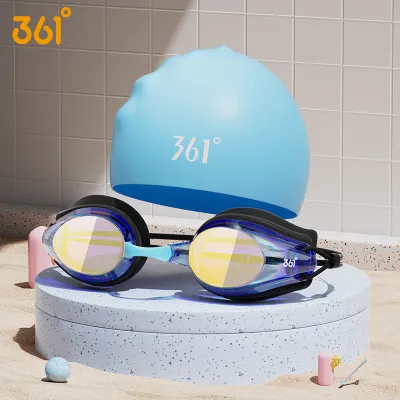
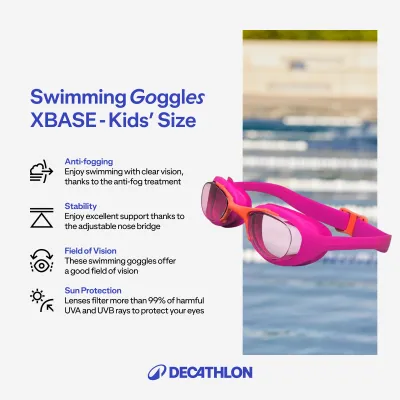
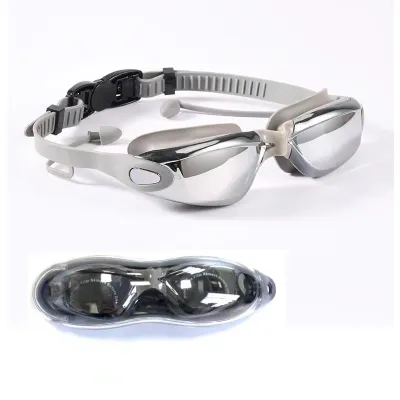
Prices are valid at publication and may change. Please refer to the product page for the latest price.

Low-Profile Frames
Streamlined, low-profile frames sit close inside the eye socket, minimizing water resistance. This design prevents the goggles from shifting or catching on kickboards, pull buoys, or lane lines when practicing repetitive strokes.
Secure Silicone Gaskets
The gasket must provide a reliable, water-tight seal. Soft, high-grade silicone gaskets contour to a child’s facial structure, preventing chlorine irritation without leaving painful, deep indentations around the eyes.
Lens Clarity and Tint
For indoor training pools or covered outdoor facilities, clear or lightly tinted lenses, such as light blue or yellow, are ideal. These lenses maximize light transmission, allowing the child to see clearly in dimmer water and enabling instructors to maintain eye contact.
Strap Management
Look for dual or split-strap designs made of durable silicone. These straps grip the back of the head securely, preventing slippage during streamlined glides, and feature easy-to-adjust side clips so boys can tighten them independently without pulling their hair.
Pool Play: Focusing on Comfort, Durability, and Easy Use
Recreational pool play is all about long-lasting comfort and rugged durability. When boys are jumping, diving, and playing water games for hours, they need goggles that can withstand rough handling and stay comfortable without constant adjustment.
Wider Frames and Softer Seals
Larger frame profiles or swim masks are perfect for casual play because they distribute suction pressure across a wider surface area around the forehead and cheekbones. This design eliminates the localized pressure of smaller goggles, allowing kids to wear them comfortably for an entire afternoon.
Durability Factors
Play goggles must survive being dropped on rough concrete pool decks, stepped on, or stuffed haphazardly into wet swim bags. Look for shatter-resistant polycarbonate lenses and thick, reinforced frames that resist cracking under impact.
Visual Appeal
Getting young boys to wear their safety gear is much easier when the gear looks appealing. Bright color combinations, playful patterns, or designs inspired by their favorite themes can turn wearing goggles from a chore into a fun part of their swim outfit.
Outdoor Pool Considerations
For outdoor resort pools or neighborhood club pools under the intense tropical sun, basic UV protection is essential. Lenses with a medium smoke or blue tint help shade the eyes from bright sunlight while maintaining good visibility both above and below the water surface.
Beach and Open Water: Maximizing UV Protection and Glare Reduction
Swimming in open water, such as the coastal beaches of the Philippines, introduces unique environmental challenges like blinding sunlight, salt water, and unpredictable waves. Safety and visibility become the top priorities when selecting eyewear for these environments.
Glare Reduction
Sunlight reflecting off the ocean surface creates a harsh glare that can quickly strain young eyes and obscure hazards. Mirrored or polarized lenses are highly effective here, as they reflect or filter out horizontal light waves to keep vision sharp and comfortable.
UV Protection
The tropical sun poses a constant risk of UV damage, which can accumulate over time. Always check product labels to verify that the lenses offer 100% UVA and UVB protection, shielding sensitive young eyes from intense direct and reflected radiation.
Field of Vision
Open-water environments lack the neat lanes of a swimming pool, making spatial awareness critical. Goggles with curved, wide-angle lenses provide a broader peripheral field of vision, helping boys spot nearby swimmers, waves, or underwater obstacles.
High Visibility and Security
Choose frames and straps in bright, high-visibility colors like neon orange, green, or yellow. This makes it much easier for parents to keep a watchful eye on their children from the shore, while a heavy-duty, secure strap system ensures the goggles aren’t easily swept away by a sudden wave.
Cross-Scenario Compatibility: Can One Pair Handle Every Activity?
Many parents wonder if they can purchase a single, versatile pair of goggles to cover all of their child’s swimming activities. While specialized goggles offer the best performance in their respective environments, a high-quality hybrid pair can serve as a practical compromise for casual swimmers.
Hybrid Features
A good middle-ground option typically features a mid-sized frame with soft silicone gaskets and medium-tinted lenses. These hybrid models provide enough comfort for long play sessions, a secure enough seal for basic swim lessons, and sufficient sun protection for occasional outdoor use.
When to Specialize
If your child is enrolled in competitive swim training or spends hours in intense open-water environments, specializing becomes necessary. The demands of high-speed lap swimming require the low drag of a competitive frame, whereas the harsh glare of the beach demands specialized mirrored coatings that would be too dark for an indoor pool.
Cost vs. Performance
A single budget-friendly pair costing around ₱300 to ₱500 is highly economical but may wear out quickly or fail to perform well in bright outdoor settings. Investing in two distinct pairs—one durable, clear pair for lessons and one polarized pair for outdoor adventures—ultimately extends the lifespan of both and ensures your child’s eyes remain safe and comfortable.
Essential Fit, Care, and Safety Tips for Kids' Goggles
Proper fit and regular maintenance are crucial for ensuring that swimming goggles perform reliably and last for multiple swim seasons. Teaching boys how to handle and care for their gear prevents early damage and keeps their vision clear.
The Suction Test
To verify a proper fit before entering the water, perform a quick suction test. Gently press the goggle lenses against your child’s eye sockets without using the head strap; if the goggles stick to the face for a second or two through suction alone, the frame shape is a good match for their facial structure.
Post-Swim Care
Chlorine, salt water, and sand can rapidly degrade silicone straps and scratch delicate lenses. After every swim, thoroughly rinse the goggles under cool, fresh tap water, then allow them to air-dry completely in a shaded area away from direct sunlight.
Preserving Anti-Fog Coatings
Almost all modern swimming goggles come with an internal anti-fog coating. To protect this delicate chemical layer, instruct your child never to wipe, rub, or touch the inside of the lenses with their fingers, towels, or shirts.
Monitoring Skin Irritation
Always inspect your child’s face after they finish swimming. If you notice deep, persistent red rings or skin irritation around their eyes, the straps are either adjusted too tightly or the gasket material is causing an allergic reaction, indicating it is time to adjust the fit or switch to hypoallergenic silicone.
Frequently Asked Questions (FAQ)
How tight should swimming goggles be on a child's face?
Goggles should be tight enough to create a reliable, water-tight seal, but they should never cause discomfort or pain. If the head strap leaves deep, lasting indentations on the skin or causes a headache, it is too tight; rely on the natural suction of the silicone gaskets rather than overtightening the strap to keep water out.
Do kids need prescription swimming goggles?
If a boy wears corrective glasses for daily activities and struggles to see his swim instructor, pool markers, or shoreline hazards, prescription swimming goggles are highly recommended. These specialized goggles are available in various diopter strengths to ensure clear vision, which significantly improves safety and confidence in the water.
How often should I replace my child's swimming goggles?
The lifespan of swimming goggles depends heavily on how often they are used and how well they are maintained. Generally, you should replace them when the silicone gaskets become stiff or cracked, the head strap loses its elasticity, or the anti-fog coating has worn away completely, causing constant fogging that impairs visibility.
Community discussion
Share your experience or ask a question. Comments are reviewed before publication.