
When children transition from basic water play to structured swim lessons, developing proper stroke technique can be a challenge. Young swimmers often struggle to understand how their hands should push against the water to create forward momentum. To bridge this gap, coaches and parents frequently look for specialized training aids. The most effective hand pads for swimming are lightweight, junior-sized paddles that match a child’s physical development, providing just enough resistance to teach proper hand positioning without straining developing shoulder joints.
While many parents search for “hand pads,” in retail and coaching circles these tools are formally known as swim paddles or hand paddles. Introducing these tools at the right stage of a child’s swimming journey can accelerate their progress, helping them transition from survival dog-paddling to clean, efficient strokes. However, because children’s bones and muscles are still growing, choosing the wrong size or style can quickly lead to fatigue or injury. Understanding how to select, use, and maintain these training aids ensures your child builds strength and confidence safely in the water.
Why Use Swimming Hand Pads in Kids' Swim Lessons?
Using hand pads for swimming serves a highly specific purpose in a child’s aquatic education. The primary goal of these training aids is to amplify sensory feedback. When a child wears a paddle, the surface area of their hand is temporarily increased. This enlargement forces them to feel the water’s resistance more intensely during the pulling phase of a stroke. If their hand enters the water at an incorrect angle or slices sideways, the paddle will wobble or slip, providing immediate, self-correcting feedback that no amount of verbal coaching can replicate.
Products mentioned in this guide
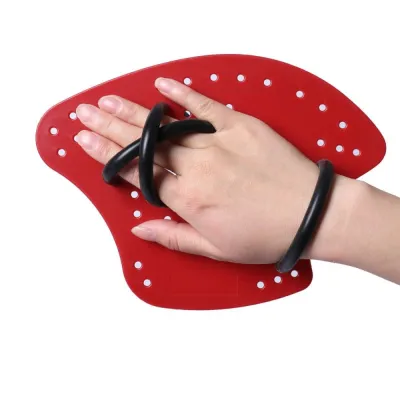
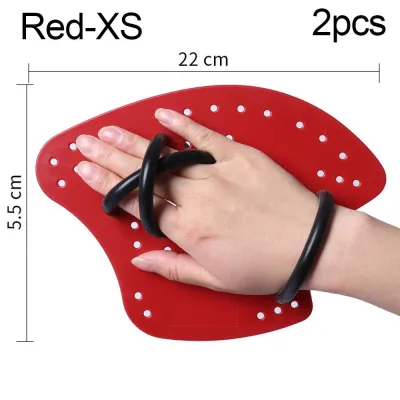
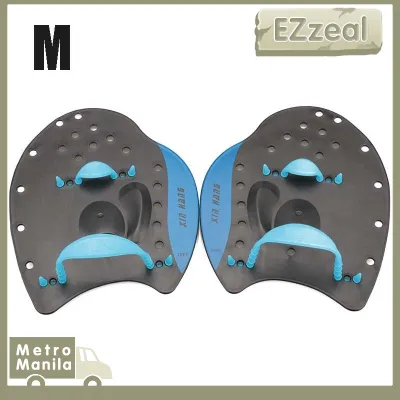
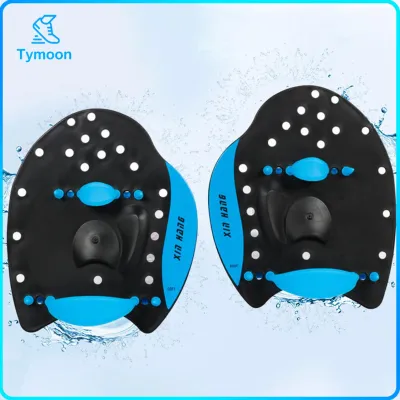
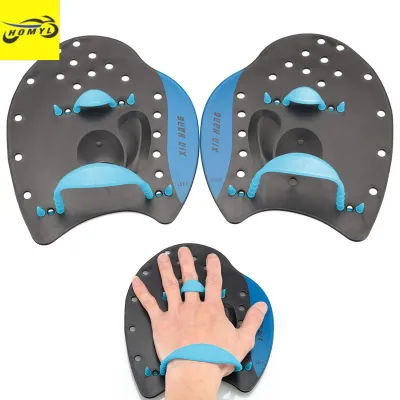
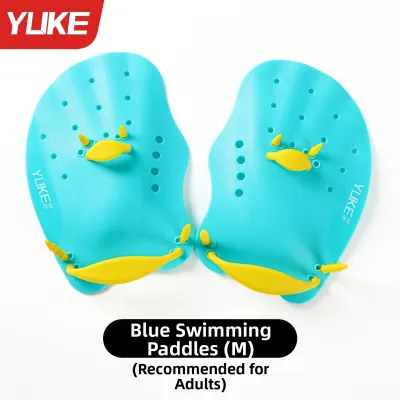
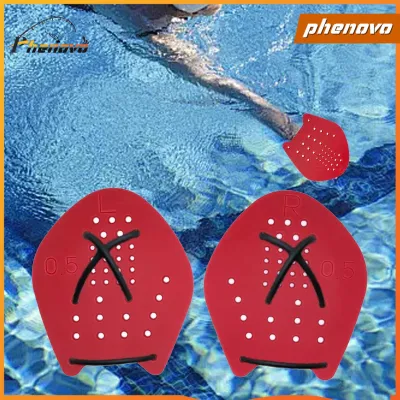
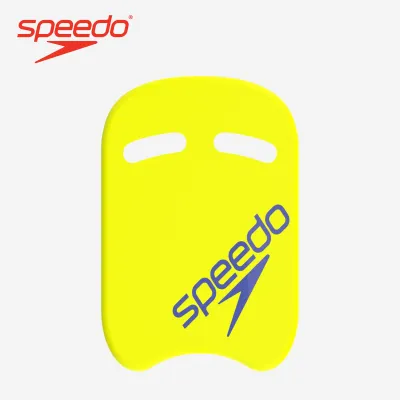
Prices are valid at publication and may change. Please refer to the product page for the latest price.
In the Philippines, where swimming is both a popular recreational activity and an essential safety skill, local coaches frequently introduce junior paddles during intermediate training clinics. These sessions often take place during the hot dry-season months when children spend extended hours in the pool. Coaches use paddles to help students refine their hand entry, catch, and pull phases. By feeling the resistance, young swimmers learn to keep their hands flat and flat-pressed against the water, rather than letting their fingers splay or their wrists collapse.
Beyond technique, these paddles serve as a gentle strength-building tool. Swimming requires specific engagement from the latissimus dorsi, pectorals, and deltoids. By adding a controlled amount of resistance, paddles help develop these muscle groups gradually. This strength is crucial for maintaining a high, efficient body position in the water, which reduces drag and prevents the hips from sinking.
It is vital for parents to recognize that swim paddles are strictly technical training tools, not flotation devices, life-saving equipment, or recreational pool toys. They do not assist with buoyancy and should never be used as a substitute for life jackets or active adult supervision. They are designed solely to improve stroke mechanics under structured, supervised conditions.
How to Choose Safe and Effective Hand Paddles for Children
Selecting the right swim paddles for a child requires careful attention to sizing, materials, and design features. Because a child’s skeletal structure is still maturing, using equipment designed for adults—or even older teenagers—can cause severe physical strain. Prioritizing safety and anatomical fit will ensure the training remains beneficial rather than harmful.

Size and Surface Area
The absolute golden rule when buying paddles for a young swimmer is that the paddle should only be slightly larger than the child’s actual hand. Ideally, the outer edge of the paddle should not extend more than 10% to 15% beyond their natural hand span—roughly a finger-width margin around the perimeter. Parents are often tempted to buy a larger size that their child can “grow into,” but oversized paddles create excessive water resistance. This excessive drag puts immense torque on a child’s rotator cuff muscles and developing shoulder growth plates, which can lead to chronic joint pain.
Strap Design
Swim paddles generally come in two primary configurations: strapped and strapless. Strapped designs use adjustable silicone or rubber bands to secure the wrist and middle finger to the paddle face. These provide excellent stability, making them easier for younger kids to keep on their hands, but they can sometimes mask poor technique because the paddle remains attached even if the hand entry is sloppy. Strapless paddles, which often feature an ergonomic thumb or finger hoop, rely entirely on the pressure of the water to stay in place. If the child’s hand position is incorrect, the paddle slips off immediately, making them exceptional tools for teaching self-correction, though they require more focus and coordination.
Material and Edges
When browsing local sports equipment stores or online marketplaces, pay close attention to the construction materials. Look for paddles made from lightweight, slightly flexible plastics or polypropylene rather than rigid, brittle materials. The outer edges should be rounded, rolled, or lined with soft rubber. In busy public pools or crowded training lanes in local sports complexes, accidental collisions happen. A paddle with soft, rubberized edges prevents painful scratches or bruises if your child bumps into a lane rope, a pool wall, or another swimmer.
Drainage Holes and Flow Channels
A high-quality junior paddle must feature multiple drainage holes or molded flow channels across its surface. These openings allow a portion of the water to pass through the paddle face during the stroke. This flow-through design reduces the sudden, jarring shock of resistance felt at the moment of hand entry and catch, allowing the child to maintain a more natural, fluid stroke rate while protecting their joints from abrupt impact.
Sizing Labels and Sourcing
Always verify that you are purchasing products specifically labeled as “Junior,” “Youth,” “XS,” or “Kids.” Avoid buying generic adult paddles and simply tightening the straps to fit a smaller hand; the surface area will still be too large. Reputable sports retailers and official brand stores carry dedicated youth lines. When shopping on e-commerce platforms, carefully read the manufacturer’s sizing charts, which usually specify hand length and width measurements, to guarantee a precise fit before purchasing.
Recommended Types of Swim Paddles by Age and Skill Level
Children progress through swimming milestones at different rates, meaning their equipment needs will change as they grow. Matching the paddle type to both their age group and current skill level ensures they receive the right balance of physical support and technical challenge.
Finger and Strapless Paddles for Toddlers and Beginners
For children aged 3 to 6, or absolute beginners who are just learning to coordinate their arm movements, standard full-hand paddles are highly discouraged. Instead, look for finger paddles or mini-strapless options. Finger paddles are small, low-profile training aids that cover only the fingers, leaving the palm completely exposed to the water.
This design minimizes the surface area, ensuring that the shoulder load remains extremely low. It allows young children to experience the sensation of water resistance on their fingertips—where the “catch” of a stroke begins—without overloading their arms. Because these paddles are lightweight and feature simple single-loop finger attachments, they are incredibly easy for young children to put on and take off independently. This ease of use helps maintain their focus during short, playful swim lessons where long setup times can lead to distraction.
Junior-Sized Flat Paddles for Building Basic Strength
As children reach ages 7 to 10 and transition from basic water survival skills to formal stroke training, they can begin using junior-sized flat paddles. These paddles feature a classic flat or slightly contoured shape and utilize adjustable silicone straps for the wrist and fingers. They are ideal for kids who have mastered the basic mechanics of freestyle and backstroke and are ready to build endurance.
When choosing these paddles, strictly enforce the 10% to 15% size margin rule. These tools are designed to help young swimmers feel the glide phase of their stroke and build functional upper-body endurance. In the Philippines, reliable junior flat paddles typically range in price from ₱400 to ₱1,200 depending on the brand and strap quality. Always check the strap tension; the straps should be snug enough to keep the paddle flat against the palm but not so tight that they restrict circulation or pinch the skin.
Contoured Technique Paddles for Advanced Young Swimmers
For advanced young swimmers aged 10 and older—particularly those participating in competitive youth swim squads or intensive training programs—contoured technique paddles are highly beneficial. These paddles feature asymmetrical shapes, built-in palm arches, and specific ridges designed to mirror the natural anatomy of a hand in motion.
Contoured paddles are engineered to enforce highly precise stroke phases, such as a high-elbow catch and a clean, rearward push. Because of their specialized shapes, they require a solid foundational stroke; using them with poor technique can reinforce bad habits or put unnecessary stress on the shoulder and elbow joints. These should only be introduced once a swim coach confirms the child has the physical strength and technical discipline to handle them safely.
Essential Safety Rules and Usage Limits for Young Swimmers
While swim paddles are highly effective for technique development, they must be used with strict boundaries. Because children’s joints, tendons, and growth plates are still developing, improper or excessive use of resistance gear can lead to physical setbacks.
- Shoulder Injury Prevention: The repetitive motion of swimming combined with added resistance can lead to "swimmer's shoulder" or rotator cuff micro-tears. If a child complains of any shoulder, elbow, or wrist pain during or after using paddles, they must remove them immediately. Never allow a child to "push through" joint pain.
- Strict Time and Distance Limits: Paddles should never be worn for an entire swimming session. Limit their use to short, focused drills that make up no more than 10% to 15% of the total swim volume. For example, in a 500-meter swim lesson, paddle drills should be restricted to a single 50-meter set. The rest of the session should be completed with bare hands to allow the muscles to recover and to reinforce natural muscle memory.
- Constant Supervision and Fatigue Monitoring: Children must always be supervised by a qualified coach or an attentive parent when using paddles. Watch closely for signs of physical fatigue, such as dropping elbows, a lagging body position, short choppy strokes, or gasping for air. As soon as a child's technique begins to degrade due to tiredness, they must remove the paddles. Continuing to swim with paddles while fatigued forces other muscles to compensate, greatly increasing the risk of acute strain.
- Prohibited Activities: Clearly instruct your child that hand paddles are strictly for structured lap swimming and drills. They must never be worn while diving, jumping off starting blocks, playing water tag, or roughhousing in the pool. Jumping into the water with paddles on can cause the plastic to catch the water awkwardly, violently twisting the wrist or shoulder.
Frequently Asked Questions (FAQ)
Are swimming hand pads safe for a 5-year-old?
Yes, but only under highly specific conditions. At age five, a child’s shoulder joints and growth plates are very delicate. They should only use ultra-small finger paddles designed specifically for toddlers, rather than full-palm paddles. These tools must be used under the direct supervision of a qualified swim instructor, and the drills should be limited to very brief, playful activities lasting no more than two to three minutes per session to prevent joint strain.
Do hand paddles help kids swim faster?
Indirectly, yes. Hand paddles build specific upper-body endurance and improve stroke efficiency, which naturally translates to greater speed over time. However, they are training aids meant for technique correction, not speed-boosting toys. Trying to sprint or swim at maximum speed with paddles before mastering proper mechanics creates excessive joint resistance and significantly increases the risk of shoulder injuries.
How should I clean and store swim paddles in a humid climate?
In the warm, humid climate of the Philippines, pool gear is highly susceptible to mold, mildew, and material degradation. After every swim session, thoroughly rinse the paddles and their silicone straps with clean, fresh tap water to remove residual chlorine, salt, and sunscreen. Air-dry them completely in a shaded, well-ventilated area. Avoid leaving them in direct, intense tropical sunlight, as extreme UV exposure will warp the plastic and cause the silicone straps to dry-rot and snap. Once dry, store them in a breathable mesh gear bag rather than a sealed plastic container to prevent mold growth.
Community discussion
Share your experience or ask a question. Comments are reviewed before publication.